Window Privacy Film
CN → US| HS Code | Tariff Rate | Origin | Destination | Doc |
|---|---|---|---|---|
| 3920992000 | 39.2% | CN | US | Official Doc |
| 3920591000 | 41.0% | CN | US | Official Doc |
| 3919905060 | 40.8% | CN | US | Official Doc |
| 3919905040 | 40.8% | CN | US | Official Doc |
Product Images
AI Analysis
🌞 Window Privacy Film (Window Tinting & Privacy Film)
🌐 HS Code Classification & Tariff Guide | 2026 US Customs Analysis | Strategic Clearance Strategy
📌 I. Product Definition: What Exactly is "Window Privacy Film"?
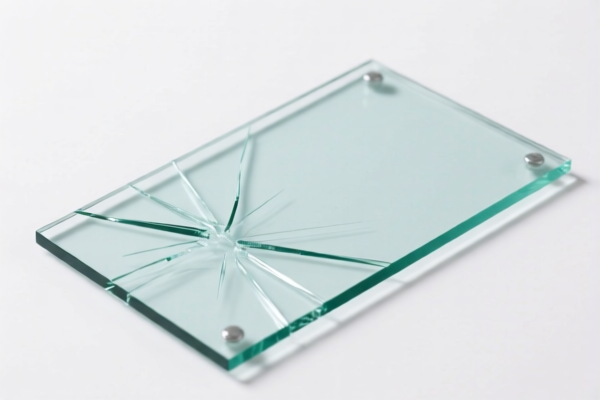
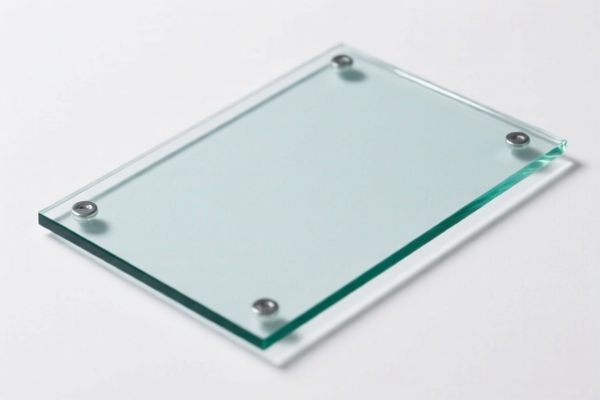
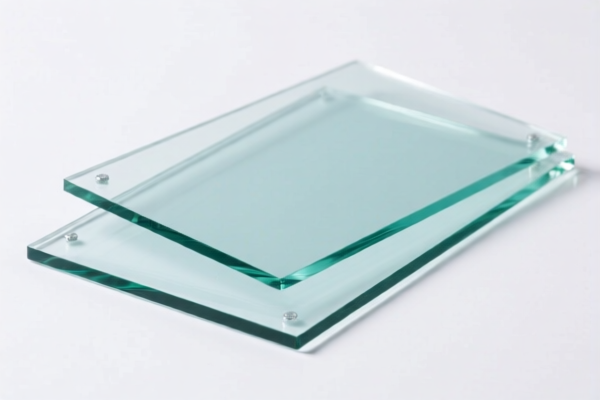
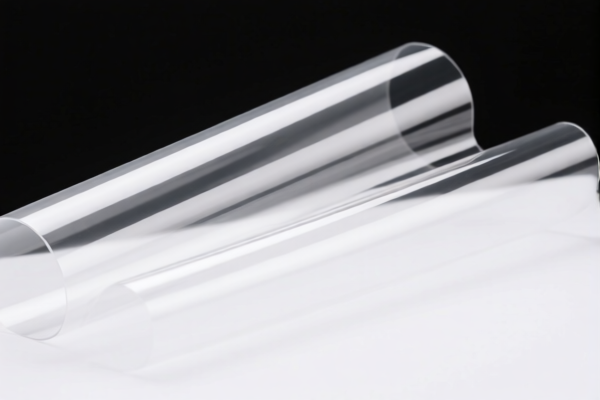
Window Privacy Film is a thin, transparent or translucent plastic sheet applied to glass surfaces to reduce glare, block UV rays, enhance privacy, or improve energy efficiency. In international trade, its classification hinges entirely on material composition, adhesive properties, and physical form (roll/sheet vs. composite).
It is NOT a single product type but spans multiple sub-categories under Chapter 39 (Plastics). Misclassification can lead to a 39.2% – 41.0% tariff shock.
⚠️ Critical Distinction for Customs:
- Is it self-adhesive? → Likely falls under 3919.90.50 (Self-adhesive films).
- Is it a composite material? → Likely falls under 3920.99.20 (Other plastic composites).
- Is it a specific polymer (e.g., Acrylic)? → Likely falls under 3920.59.10 (Acrylic sheets/films).
📦 II. HS Code Classification Details (2026 US Tariff Schedule)
Based on the provided data, here are the four potential HS Codes for Window Privacy Films, depending on the specific material and form:
| HS Code | Product Description & Logic | Material & Form Characteristics |
|---|---|---|
| 3920.99.20.00 | Plastic Composite Films | Material: Plastic or non-cellular/non-reinforced plastic composite. Form: Film, strip, or sheet. Logic: Used for films that don't fit specific "self-adhesive" or "acrylic-only" categories but are plastic-based composites. |
| 3920.59.10.00 | Acrylic Polymer Films | Material: Acrylic polymers or other specific plastics. Form: Film only (non-foam, non-reinforced). Logic: Applies specifically to high-clarity acrylic-based privacy films. |
| 3919.90.50.60 | Self-Adhesive Plastic Film (Specific) | Material: Plastic (e.g., PVB, PET). Form: Film with self-adhesive backing. Logic: Fits the "Self-adhesive plastic films" category, specifically coded for certain polymer types like PVB/PET. |
| 3919.90.50.40 | Self-Adhesive Plastic Film (General) | Material: Plastic. Form: Film with self-adhesive backing. Logic: General classification for self-adhesive plastic films not covered by the specific PVB/PET sub-code. |
🔍 Key Classification Rule:
- If your film has a permanent adhesive backing applied in the factory, it belongs to 3919.90.50.xx.
- If it is a pure plastic sheet meant to be glued on-site or is a composite, it falls under 3920.59 or 3920.99.
- Accuracy Tip: A simple "Window Film" declaration is insufficient. You must specify "Self-Adhesive PET Film" or "Non-Adhesive Acrylic Sheet" to avoid audits.
💰 III. 2026 Tariff Rate Breakdown (Detailed Tax Analysis)
✅ Destination: United States (US)
✅ Origin: China (CN)
✅ Status: Active Trade War Measures (Section 301 + Section 122)
All listed HS Codes carry a Total Tariff of ~39% – 41%, driven by the combination of Basic Tariff + Section 301 Tariffs + Section 122 Tariffs.
🎯 1. 3920.99.20.00 — Plastic Composite Film
| Item | Content |
|---|---|
| Basic Duty | 4.2% |
| Section 301 (Add'l) | +25.0% (US Trade Representative List 4A/B) |
| Section 122 | +10.0% (Bipartisan Infrastructure Law/China Specific) |
| Total Tax Rate | 39.2% |
| Calculation | CIF Value × 39.2% |
| De Minimis Exemption? | ❌ NO (Section 301/122 items are excluded from the $800 exemption) |
| Legal Path | Section 301 → Section 122 → HTSUS 3920.99.20.00 |
📌 Interpretation:
This is a "catch-all" plastic composite. The high tax is unavoidable. The 10% Section 122 tariff is a specific punitive measure targeting Chinese plastic products.
🎯 2. 3920.59.10.00 — Acrylic Polymer Film
| Item | Content |
|---|---|
| Basic Duty | 6.0% |
| Section 301 (Add'l) | +25.0% |
| Section 122 | +10.0% |
| Total Tax Rate | 41.0% |
| Calculation | CIF Value × 41.0% |
| De Minimis Exemption? | ❌ NO |
| Legal Path | Section 301 → Section 122 → HTSUS 3920.59.10.00 |
📌 Interpretation:
Acrylic films often have a higher base tariff (6.0% vs 4.2%) due to material specificity, resulting in the highest total tax (41.0%).
🎯 3. 3919.90.50.60 — Self-Adhesive Plastic Film (PVB/PET)
| Item | Content |
|---|---|
| Basic Duty | 5.8% |
| Section 301 (Add'l) | +25.0% |
| Section 122 | +10.0% |
| Total Tax Rate | 40.8% |
| Calculation | CIF Value × 40.8% |
| De Minimis Exemption? | ❌ NO |
| Legal Path | Section 301 → Section 122 → HTSUS 3919.90.50.60 |
📌 Interpretation:
PVB (Polyvinyl Butyral) and PET (Polyethylene Terephthalate) are common in automotive and architectural films. The Section 301 and 122 tariffs stack on top of the 5.8% base.
🎯 4. 3919.90.50.40 — General Self-Adhesive Plastic Film
| Item | Content |
|---|---|
| Basic Duty | 5.8% |
| Section 301 (Add'l) | +25.0% |
| Section 122 | +10.0% |
| Total Tax Rate | 40.8% |
| Calculation | CIF Value × 40.8% |
| De Minimis Exemption? | ❌ NO |
| Legal Path | Section 301 → Section 122 → HTSUS 3919.90.50.40 |
📌 Interpretation:
This is the standard classification for "self-stick" privacy films. Despite being a "common" product, it is heavily taxed to discourage direct imports of plastic films from China.
🛠️ IV. Strategic Clearance & Operational Advice
✅ 1. Pre-Shipment Documentation Checklist
To avoid delays and audits, you must prove the exact composition of the film.
| Document | Requirement | Why? |
|---|---|---|
| Technical Data Sheet (TDS) | Must specify polymer type (PVB, PET, Acrylic) and adhesive type (Solvent/Pressure Sensitive). | Customs officers need to distinguish between 3920 (Plastic Sheet) and 3919 (Adhesive Film). |
| Bill of Materials (BOM) | Breakdown of layers (Base film + Adhesive + Coating). | Proves it is not a "reinforced" composite (which might have different tax rules). |
| Commercial Invoice | Must explicitly state: "Window Privacy Film, Material: [PET/PVC/Acrylic], Form: Roll/Self-Adhesive." | Generic terms like "Film" will trigger an audit. |
| Packing List | Clear quantity (Rolls vs. Sheets) and dimensions. | Prevents misclassification based on form factor. |
✅ 2. Critical Classification Strategy (The "Avoid Tax Pitfalls" Guide)
🔥 Golden Rule: "Material Defines Tax, Not Function."
| Scenario | Correct Action | Risk of Error |
|---|---|---|
| Product is PET-based & Self-Adhesive | Declare 3919.90.50.xx. |
If declared as 3920 (Plastic Sheet), it may look like a different tax rate, leading to penalties. |
| Product is Acrylic & Self-Adhesive | Declare 3920.59.10.00 or 3919.90 depending on structure. |
Misdeclaring as generic plastic (3920.99) might trigger an audit for incorrect sub-classification. |
| Product is "Non-Adhesive" (Must glue on site) | Declare 3920.99.20.00 or 3920.59.10.00. |
If declared as 3919 (Adhesive), it will be rejected as "false declaration." |
✅ 3. Financial Impact & Cost Planning
- Total Tax Reality: Prepare for a ~40% tariff on the CIF value (Cost + Insurance + Freight).
- De Minimis Trap: Do NOT attempt to ship small rolls (under $800) via "Section 321" (De Minimis) to avoid taxes. Section 301 and 122 taxes apply to ALL Chinese-origin plastic films, regardless of value.
- Pricing Strategy: If your landed cost is
X, you must add 40% to the selling price just to cover the tax, or source from a third country (e.g., Vietnam, Mexico) to avoid Section 301/122 (if rules of origin are met).
🌍 V. Global Market Comparison (2026 Outlook)
| Market | HS Code Category | Est. Tariff (China Origin) | Key Note |
|---|---|---|---|
| 🇺🇸 USA | 3919.90 or 3920.99 |
~40% | High Section 301 + 122 tax. No de minimis exemption. |
| 🇨🇳 China | 3919.90 |
0% - 6% | Domestic import is cheap. Export to US is expensive. |
| 🇪🇺 EU | 3919.90 |
~6% (No 301/122) | No Section 122, but potential Anti-Dumping duties on specific plastic films. |
| 🇨🇦 Canada | 3919.90 |
~5% | CUSMA may offer duty-free if rules of origin met. |
📌 Conclusion: The US market is the most hostile to Chinese Window Privacy Films due to the Section 122 tariff (10% added on top of the 25% Section 301).
📌 VI. Common Mistakes & "Blood & Tears" Lessons
❌ Mistake 1: Calling it "Plastic Sheet" when it's "Self-Adhesive Film" * Consequence: Customs may seize goods for "false declaration" or demand a new classification, adding weeks to clearance. * Correction: Always specify "Self-Adhesive" in the commercial invoice if the adhesive layer exists.
❌ Mistake 2: Assuming "De Minimis ($800)" applies * Consequence: The shipment gets seized and assessed the full 40% tax + fines. * Correction: Section 301 and 122 do not have a de minimis threshold for Chinese plastic films.
❌ Mistake 3: Generic Description "Window Film" * Consequence: Customs cannot determine the exact sub-code. They will ask for samples and technical specs, causing 7-14 day delays. * Correction: Use the exact HS Code in the description: "Self-Adhesive PET Window Privacy Film, HS Code 3919.90.50.40".
🎯 VII. Final Verdict: Clearance Strategy
🎯 Action Plan:
1. Identify Material: Confirm if it is Acrylic, PVB, PET, or Composite.
2. Check Adhesive: Is it pre-applied (Self-Adhesive) or non-adhesive?
3. Select Code:
* Self-Adhesive PET/PVC → 3919.90.50.60 or 3919.90.50.40.
* Acrylic Non-Adhesive → 3920.59.10.00.
* Composite/Other → 3920.99.20.00.
4. Price Calculation: Factor in ~40% total tax immediately.
5. Avoid De Minimis: Treat all shipments as dutiable.
🚀 "Precision is Profit!" Accurate HS Code declaration prevents seizures, delays, and unexpected 40% tax bills. Don't guess the code—verify the material specs!
✨ Pro Tip: If you are re-exporting to the US from Vietnam or Mexico, ensure the Rules of Origin are robustly documented to claim exemptions from Section 301/122 tariffs.
Customer Reviews
About HS Code Classification
The Harmonized System (HS) is an internationally standardized nomenclature developed by the World Customs Organization (WCO) to classify traded products. Over 200 countries use the HS system as the basis for customs tariffs, trade statistics, and import/export regulations.
Each HS code follows a hierarchical structure:
- Chapter (2 digits) — Broad category of goods (e.g., Chapter 84: Machinery and Mechanical Appliances)
- Heading (4 digits) — More specific grouping within the chapter
- Subheading (6 digits) — Internationally standardized breakdown, used by all WCO member countries
- National subdivisions (8-10 digits) — Country-specific extensions for further classification, such as US HTSUS 10-digit codes
Correct HS code classification is essential for smooth customs clearance, accurate duty payment, and compliance with trade regulations. Misclassification can lead to customs delays, overpayment of duties, or penalties.
When importing from CN to US, the applicable tariff rates may include:
- Most-Favored-Nation (MFN) rate — The standard duty rate applied to WTO members
- General rate — Applied to countries without trade agreements
- Trade remedy duties — Additional tariffs such as Section 301 (anti-dumping), Section 232 (national security), or countervailing duties
The information provided on this page is for reference purposes only. For official classification, please consult with your local customs authority or a licensed customs broker.