Window Wool Strip
CN → US| HS Code | Tariff Rate | Origin | Destination | Doc |
|---|---|---|---|---|
| 4016935050 | 37.5% | CN | US | Official Doc |
| 4016996050 | 37.5% | CN | US | Official Doc |
| 3926904590 | 38.5% | CN | US | Official Doc |
| 3926909989 | 22.8% | CN | US | Official Doc |
Product Images
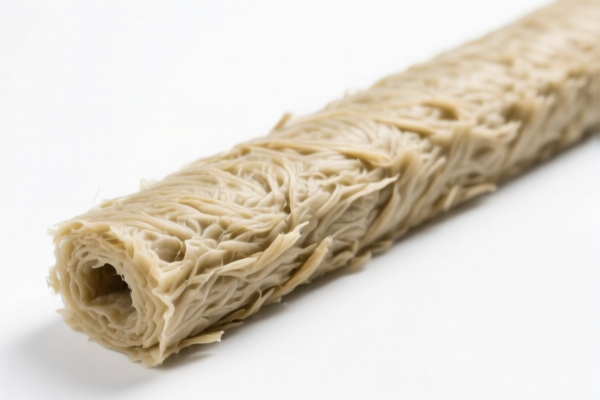
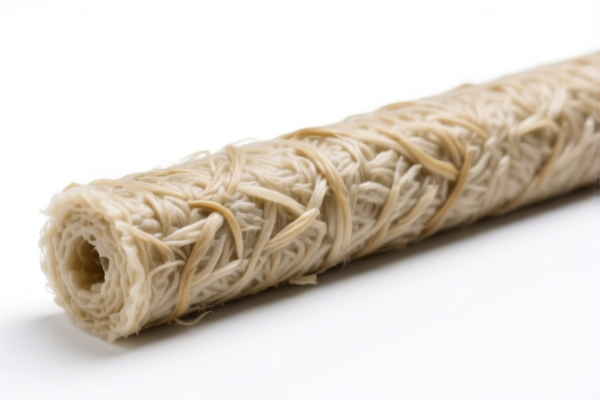
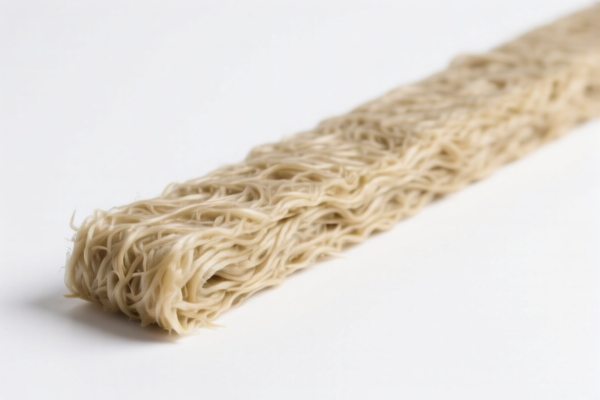
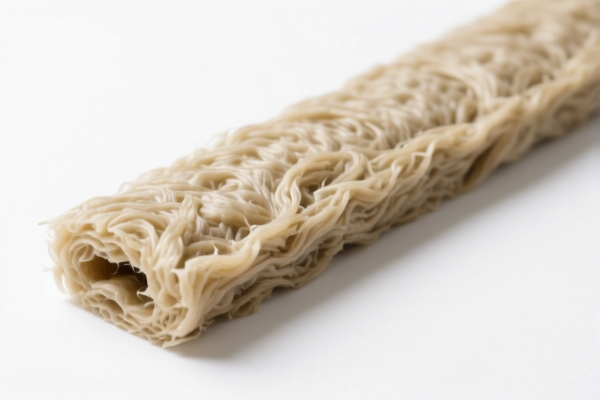
AI Analysis
🪟 Window Wool Strip & Door Seals (Rubber/Plastic Profiles)
🌐 HS Code Reference & Customs Clearance Guide | 2026 Latest Tariff Analysis | Strategic Entry for US Imports
📌 I. Product Definition & Classification: Do You Really Know “Window Wool Strip”?
"Window Wool Strip" is a trade term often used for weatherstripping profiles used to seal gaps in doors and windows, improving energy efficiency and sound insulation. However, in international trade (specifically under US Customs and Border Protection rules), the term "wool" is often a misnomer. The actual material is usually vulcanized rubber, synthetic rubber, or plastic.
Crucially, the classification depends entirely on the material composition and whether it is classified as a specific "sealing device" or a general "article of rubber/plastic."
⚠️ Key Distinction Point: - If made of Rubber and classified as a specific sealing component → Likely 4016 (Rubber Articles). - If made of Plastic or misidentified as generic rubber items without specific function proof → Likely 3926 (Plastics) or 4016.99 (Other Rubber Articles). - DO NOT classify under textile headings (e.g., 5911) unless it is specifically textile-based, which is rare for "wool strip" seals in this context; the data provided focuses on Rubber and Plastic.
📦 II. HS Code Classification Details (2026 Authoritative Reference)
Based on the provided data, here are the four potential HS Codes for "Window Wool Strips" (Door/Window Seals), ranging from specific rubber seals to general plastic items.
| HS Code | Product Description (Summary) | Material | Specific Classification | Total Tax Rate |
|---|---|---|---|---|
| 4016.93.50.50 | Door/Window Seals, Rubber Material | Rubber | Sealing parts among other vulcanized rubber products | 37.5% |
| 4016.99.60.50 | Door/Window Seals, Rubber Material | Rubber | Other vulcanized rubber products (General) | 37.5% |
| 3926.90.45.90 | Door/Window Seals, Plastic or Rubber | Plastic/Rubber | Other sealing parts (Plastic context) | 38.5% |
| 3926.90.99.89 | Door/Window Seals, Rubber or Plastic | Plastic/Rubber | Other plastic articles (General) | 22.8% |
🔍 Critical Insight: - Codes 4016.93.50.50 & 4016.99.60.50: These are for Rubber seals. Code
4016.93.50.50is more specific ("Sealing parts"), while4016.99.60.50is a residual category ("Other"). - Codes 3926.90.45.90 & 3926.90.99.89: These are for Plastic (or mixed/rubbed as plastic) seals. Code3926.90.45.90is specific ("Other sealing parts"), while3926.90.99.89is the residual "Other plastic articles". - Why so many codes? Customs officers will scrutinize the Material Declaration. If you declare "Wool" but the product is PVC (Plastic), you risk penalty. If it's Rubber EPDM, you must choose between the specific (4016.93) or general (4016.99) rubber code.
💰 III. 2026 Latest Tariff Rate Breakdown (Detailed Tax Clauses)
✅ Applicable Country: United States (US)
✅ Country of Origin: China (CN)
✅ Effective Date: Current rates apply for imports from China.
🎯 1. Rubber-Based Codes: 4016.93.50.50 & 4016.99.60.50
These codes apply if your "Window Wool Strip" is made of Vulcanized Rubber (e.g., EPDM, Neoprene).
| Item | Details |
|---|---|
| Base Tariff Rate | 2.5% (Ad Valorem) |
| Section 301 Add-on | +25.0% (USITC Footnote: Section 301 Tariffs on Chinese Goods) |
| 122 Clause Add-on | +10.0% (Specific tariff provision for certain rubber/plastic goods) |
| Total Effective Rate | 37.5% |
| Tax Calculation | CIF Value × 37.5% |
| De Minimis Eligibility | ❌ Not Eligible (Section 301 and 122 tariffs generally override de minimis exemptions for direct shipments from China) |
📌 Explanation: - Base 2.5%: Standard Most Favored Nation (MFN) rate for rubber articles. - +25% Section 301: Retaliatory tariff on a wide range of Chinese imports. - +10% Clause 122: Additional duties imposed on specific categories of rubber and plastic products to protect US manufacturing. - Total 37.5%: This is a high-cost entry. Profit margins must account for this significant duty burden.
🎯 2. Plastic/Mixed Code: 3926.90.45.90
Applies if the seal is primarily Plastic (e.g., PVC, TPE with plastic backing) or classified under specific plastic sealing parts.
| Item | Details |
|---|---|
| Base Tariff Rate | 3.5% (Ad Valorem) |
| Section 301 Add-on | +25.0% |
| 122 Clause Add-on | +10.0% |
| Total Effective Rate | 38.5% |
| Tax Calculation | CIF Value × 38.5% |
| De Minimis Eligibility | ❌ Not Eligible |
📌 Explanation: - Slightly higher than rubber codes due to a higher base rate (3.5% vs 2.5%). - The 301 and 122 clauses remain constant.
🎯 3. General Plastic Code: 3926.90.99.89 (The "Lowest" Option?)
Applies if the item is considered a general Plastic Article and not specifically a "sealing part" under the narrower heading, or if customs accepts a broader classification.
| Item | Details |
|---|---|
| Base Tariff Rate | 5.3% (Ad Valorem) |
| Section 301 Add-on | +7.5% (Reduced Section 301 rate for this specific residual plastic category) |
| 122 Clause Add-on | +10.0% |
| Total Effective Rate | 22.8% |
| Tax Calculation | CIF Value × 22.8% |
| De Minimis Eligibility | ❌ Not Eligible |
📌 Explanation: - Total 22.8%: This is the most cost-effective classification if legally defensible. - Why is 301 only 7.5% here? This code falls under a specific exclusion or lower-listed category for "Other plastic articles" compared to "Sealing parts." - ⚠️ WARNING: Do not force this classification if the product is clearly a "sealing part." Misclassification can lead to audits, back-taxes, and penalties. Only use this if the product is a generic plastic strip not primarily functioning as a seal, or if legal counsel confirms this residual code is appropriate.
🛠️ IV. Customs Clearance Practical Advice (Real-World Pitfall Guide)
✅ 1. Documentation Checklist (Mandatory)
| Document | Required? | Notes |
|---|---|---|
| ✅ Product Spec Sheet | ✔️ | Must specify Material Composition (e.g., "100% EPDM Rubber" or "PVC with Metal Reinforcement"). |
| ✅ Material Test Report | ✔️ | Third-party lab report confirming rubber vs. plastic content. |
| ✅ Photos (Realistic) | ✔️ | Show cross-section to identify material layers. |
| ✅ Commercial Invoice | ✔️ | Describe as "EPDM Rubber Weatherstripping for Windows" (Not just "Wool Strip"). |
| ✅ Packing List | ✔️ | Clear weight and volume details. |
✅ 2. Declaration Strategy (Key Mantra)
🔥 "Material Dictates Code, Function Defines Specificity!"
| Scenario | Correct Declaration Strategy | Risk if Wrong |
|---|---|---|
| Pure Rubber Seal | Use 4016.93.50.50 (Specific) or 4016.99.60.50 (General). Total 37.5%. |
Low risk, but high tax. |
| PVC/Plastic Seal | Use 3926.90.45.90 (Specific) for 38.5% OR 3926.90.99.89 for 22.8% if legally justifiable. |
Misclassification risk if forced to 3926.90.99.89 for a obvious seal. |
| Mixed Material (Rubber + Plastic) | Generally, the essential character determines classification. If rubber dominates → 4016. If plastic dominates → 3926. | Complex, may require Ruling. |
| Term "Wool Strip" | Avoid using "Wool" in English description. Customs may think it's a textile (5911) or be confused. Use "Rubber Seal" or "Plastic Profile." | Delayed inspection, confusion. |
✅ 3. Special Case Handling
| Situation | Recommendation |
|---|---|
| Is "Wool" actually Textile? | If the strip is fabric/felt used in windows, it might fall under 5911, but the provided data doesn't cover this. If it's synthetic "wool-like" rubber, stick to Rubber codes. |
| Can I use Code 3926.90.99.89 to save money? | Only if the strip is not primarily a sealing device (e.g., a decorative plastic molding). If it’s clearly a seal, customs will likely reject 3926.90.99.89 and assess 3926.90.45.90 or 3926.90.99.89 with penalties. |
| Pre-Ruling Advice | For large volumes, apply for a Binding Ruling from US CBP to lock in the HS Code, especially if debating between 4016 and 3926. |
🌍 V. Global Market Comparison (2026 Context)
| Country/Region | Recommended HS Code (Example) | Approx. Tariff (China Origin) | Notes |
|---|---|---|---|
| 🇺🇸 USA | 4016.93.50.50 or 3926.90.99.89 |
22.8% – 38.5% | Heavy Section 301 + 122 Tariffs. |
| 🇨🇳 China (Import) | 4016.93.00.00 |
~5% | Lower entry barrier for manufacturers. |
| 🇪🇺 EU | 4016.93.90 |
~0% (Mostly) | No Section 301. Standard EU duties. |
| 🇨🇦 Canada | 4016.93.00 |
~0-2.5% | CUSMA benefits may apply for non-China goods. |
📌 Conclusion: - The US market is the most expensive due to the combination of Base Tariff + 301 Tariff + 122 Clause. - Code
3926.90.99.89(22.8%) offers the lowest duty, but only if the product can be legally classified as a general plastic article rather than a specific seal. - Code4016.93.50.50(37.5%) is the standard for rubber seals.
📌 VI. Common Errors & Pitfalls (Lessons Learned)
❌ Error 1: Using "Wool Strip" in the description. 👉 Result: Customs may suspect textile misclassification or lack of clarity → Inspection Delay.
❌ Error 2: Declaring Rubber product as Plastic to use 3926.90.99.89.
👉 Result: If lab tests show high rubber content, Penalties + Back Duties.
❌ Error 3: Ignoring the "122 Clause." 👉 Result: Under-declaring duties. The 10% add-on is critical for rubber/plastic goods.
❌ Error 4: Assuming De Minimis ($800) applies. 👉 Result: Fail. Section 301 and 122 tariffs are not exempted from de minimis for Chinese-origin goods in many cases.
✅ Correct Approach:
"EPDM Rubber Weatherstripping Profile for Residential Windows, 5mm Width, Black, Spool of 100m"
🎯 VII. Conclusion: Strategic Sourcing & Compliance
🎯 Remember the Mantra:
🔹 "Rubber Seal = 4016 (37.5%)"
🔹 "Plastic Seal = 3926 (22.8% - 38.5%)"
🔹 "Don't lie about Material. The Tax Difference is 15%!"
📌 Pro Tip:
If you are a US importer, consult a customs broker to see if 3926.90.99.89 is defensible for your specific product mix. If your product is clearly a seal, accept the 37.5% – 38.5% cost or explore supply chain diversification (e.g., Vietnam/Malaysia) to potentially avoid 301 tariffs.
✨ Professional Compliance starts with Accurate Classification!
💼 Your profit margin depends on this 15% difference!
Customer Reviews
About HS Code Classification
The Harmonized System (HS) is an internationally standardized nomenclature developed by the World Customs Organization (WCO) to classify traded products. Over 200 countries use the HS system as the basis for customs tariffs, trade statistics, and import/export regulations.
Each HS code follows a hierarchical structure:
- Chapter (2 digits) — Broad category of goods (e.g., Chapter 84: Machinery and Mechanical Appliances)
- Heading (4 digits) — More specific grouping within the chapter
- Subheading (6 digits) — Internationally standardized breakdown, used by all WCO member countries
- National subdivisions (8-10 digits) — Country-specific extensions for further classification, such as US HTSUS 10-digit codes
Correct HS code classification is essential for smooth customs clearance, accurate duty payment, and compliance with trade regulations. Misclassification can lead to customs delays, overpayment of duties, or penalties.
When importing from CN to US, the applicable tariff rates may include:
- Most-Favored-Nation (MFN) rate — The standard duty rate applied to WTO members
- General rate — Applied to countries without trade agreements
- Trade remedy duties — Additional tariffs such as Section 301 (anti-dumping), Section 232 (national security), or countervailing duties
The information provided on this page is for reference purposes only. For official classification, please consult with your local customs authority or a licensed customs broker.