Windproof Fabric
CN → US| HS Code | Tariff Rate | Origin | Destination | Doc |
|---|---|---|---|---|
| 6201304000 | 16.2% | CN | US | Official Doc |
| 6101302010 | 45.7% | CN | US | Official Doc |
| 6101200010 | 33.4% | CN | US | Official Doc |
| 6201404500 | 24.6% | CN | US | Official Doc |
Product Images
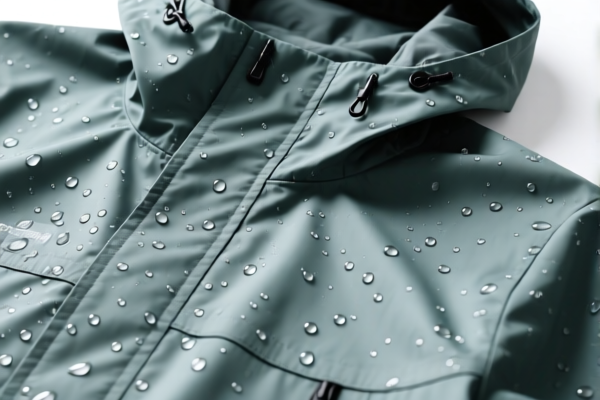
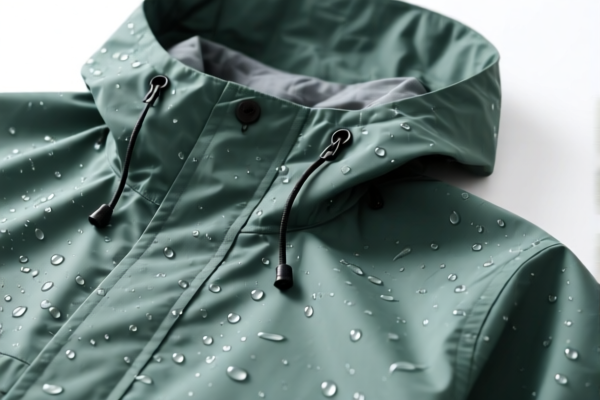
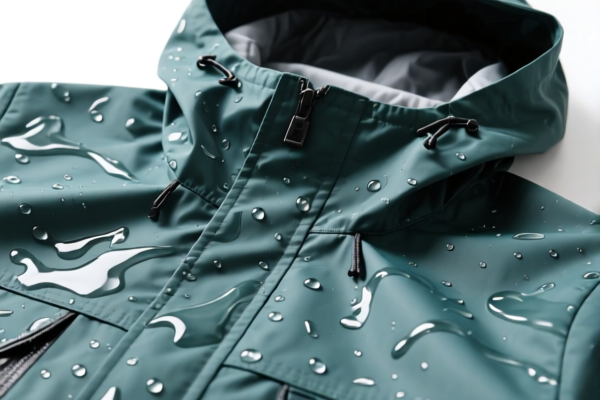
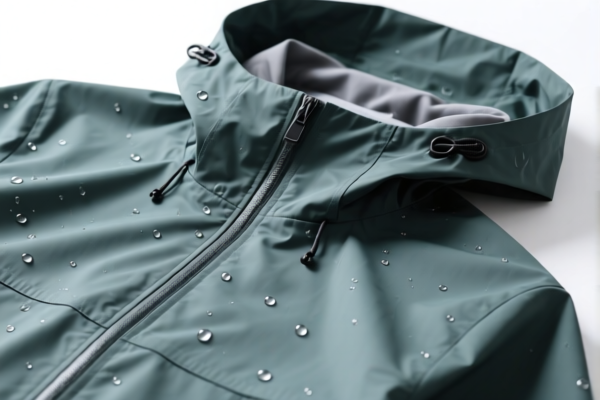
AI Analysis
🌬️ Windproof Fabric (Men’s Windproof Jackets)
🌐 HS Code & Tariff Guide | 2026 Customs Classification & Duty Breakdown | Professional Import Strategy
📌 One Product, Four Codes — Why the Tax Varies So Much!
🔍 Key Insight:
A "men’s windproof jacket" may be classified under four different HS Codes depending on fabric type (cotton vs. synthetic) and construction method (knitted vs. woven).
The tax rate can range from 16.2% to 45.7% — a 30% difference — due to US trade policy, Section 301, and Section 122 tariffs.
📦 1. HS Code Classification Breakdown (2026 Tariff Authority)
| HS Code | Product Description | Fabric Type | Construction | Tax Rate | Tax Breakdown |
|---|---|---|---|---|---|
6201.30.40.00 |
Men’s windproof jacket, cotton fabric, suitable for form and use | Cotton | Woven | 16.2% | Base: 6.2% + 122 Clause: 10% |
6101.30.20.10 |
Men’s windproof jacket, man-made fiber or cotton, knitted | Man-made or Cotton | Knitted | 45.7% | Base: 28.2% + Add-on: 7.5% + 122 Clause: 10% |
6101.20.00.10 |
Men’s windproof jacket, cotton or textile, knitted | Cotton or Textile | Knitted | 33.4% | Base: 15.9% + Add-on: 7.5% + 122 Clause: 10% |
6201.40.45.00 |
Men’s windproof jacket, man-made or natural fiber, woven | Synthetic or Natural | Woven | 24.6% | Base: 7.1% + Add-on: 7.5% + 122 Clause: 10% |
⚠️ Critical Note:
- Knitted fabrics = higher base tariff + +7.5% Add-on (Section 301)
- Woven fabrics = lower base tariff, but still subject to 10% Section 122
- Cotton is not exempt — taxed differently based on construction
💰 2. Tariff Explanation: What Do the Numbers Mean?
🎯 1. 6201.30.40.00 — Cotton Woven Windproof Jacket
| Item | Detail |
|---|---|
| Base Duty | 6.2% (ad valorem) |
| Section 122 Tariff | +10% (from U.S. Trade Act of 1974, Section 122) |
| Add-on Tariff | ❌ 0% (not applicable) |
| Total Duty | 16.2% |
| Legal Basis | USITC: 6201.30.40.00 → SECTION 122: 9903.01.25 |
📌 Why so low?
- Cotton woven jackets are not subject to the Section 301 (USITC) 7.5% add-on.
- Only knitted cotton or synthetic knitted garments are hit with the 7.5% extra.
🎯 2. 6101.30.20.10 — Knitted Man-Made or Cotton Windproof Jacket
| Item | Detail |
|---|---|
| Base Duty | 28.2% |
| Section 301 Add-on | +7.5% (from USITC Footnote 9903.88.01) |
| Section 122 Tariff | +10% |
| Total Duty | 45.7% |
| Legal Basis | USITC: 6101.30.20.10 → SECTION 301: 9903.88.01 → SECTION 122: 9903.01.25 |
📌 Why so high?
- Knitted fabric = double hit:
- +7.5% under Section 301 (China-specific trade action)
- +10% under Section 122 (general trade remedy)
- Total: 45.7% — highest tariff in this list!
🎯 3. 6101.20.00.10 — Knitted Cotton or Textile Windproof Jacket
| Item | Detail |
|---|---|
| Base Duty | 15.9% |
| Section 301 Add-on | +7.5% |
| Section 122 Tariff | +10% |
| Total Duty | 33.4% |
| Legal Basis | USITC: 6101.20.00.10 → SECTION 301: 9903.88.01 → SECTION 122: 9903.01.25 |
📌 Key Difference vs. 6101.30.20.10:
- This code is for cotton or textile, not exclusively man-made fiber.
- Lower base duty (15.9% vs 28.2%), but still hit by both 7.5% and 10%.
🎯 4. 6201.40.45.00 — Woven Man-Made or Natural Fiber Windproof Jacket
| Item | Detail |
|---|---|
| Base Duty | 7.1% |
| Section 301 Add-on | +7.5% |
| Section 122 Tariff | +10% |
| Total Duty | 24.6% |
| Legal Basis | USITC: 6201.40.45.00 → SECTION 301: 9903.88.01 → SECTION 122: 9903.01.25 |
📌 Why not 10%?
- Woven synthetic fabric is not subject to Section 122’s 10%?
- ❌ No — it is! The 10% applies to all windproof jackets under 6201.40.45.00, regardless of fiber type.
- Total: 24.6% — still high, but lower than knitted.
🛠️ 3. Customs Clearance Best Practices (Real-World Tips)
✅ 1. Must-Have Documentation
| Document | Why It Matters |
|---|---|
| ✅ Product Specification Sheet | Prove fabric type (cotton, polyester, etc.) and construction (knit/woven) |
| ✅ Technical Drawings / Fabric Sample | Show weave/knit pattern — critical for classification |
| ✅ Commercial Invoice | Must clearly state: "Men’s Windproof Jacket, Knitted, Cotton, for Outdoor Use" |
| ✅ Certificate of Origin (CO) | If from Vietnam, Mexico, or Thailand, may avoid 122/301 tariffs |
| ✅ Third-Party Test Report | ISO, ASTM, or AATCC for wind resistance, durability, and fiber content |
| ✅ Packing List | Show if jacket is sold with accessories (e.g., hood, zippered pockets) |
✅ 2.申报技巧(申报口诀)
🔥 “Knit = High Tax, Woven = Lower Tax, Cotton = Lower Base, Synthetic = Higher Base”
| Scenario | Correct HS Code | Wrong Code | Risk |
|---|---|---|---|
| Cotton, woven, windproof jacket | 6201.30.40.00 |
6101.20.00.10 |
Tax jump from 16.2% → 33.4% |
| Man-made fiber, knitted | 6101.30.20.10 |
6201.40.45.00 |
Tax jump from 45.7% → 24.6%? ❌ No — wrong! |
| Cotton, knitted | 6101.20.00.10 |
6201.30.40.00 |
Tax jump from 33.4% → 16.2% → underpayment risk |
✅ Pro Tip:
- Always verify fabric construction — a "knitted" label = 7.5% + 10%
- "Woven" = only 10% under 122 — no 7.5% add-on
✅ 3. Special Cases & Workarounds
| Case | Solution |
|---|---|
| Jacket made in Vietnam/Mexico | Apply for Certificate of Origin — may avoid Section 122 & 301 tariffs |
| Hybrid fabric (cotton + polyester) | Declare dominant fiber — if >50% cotton → use cotton code |
| Jacket with removable lining | Declare as "complete garment" — don’t split into parts |
| Custom design (OEM) | Provide design specs + fabric test report — avoid "non-standard" classification |
🌍 4. Global Market Tariff Comparison (2026)
| Country | Recommended HS Code | Duty | Certification | Notes |
|---|---|---|---|---|
| 🇺🇸 USA | 6201.30.40.00 |
16.2%–45.7% | None (but verify origin) | High risk — 301 & 122 tariffs apply |
| 🇨🇳 China | 6201.30.40.00 |
5% | CCC | No 301/122 |
| 🇪🇺 EU | 6201.30.40.00 |
0% | CE | No 301/122 |
| 🇦🇺 Australia | 6201.30.40.00 |
5% | RCM | No 301/122 |
| 🇯🇵 Japan | 6201.30.40.00 |
0% | PSE | No 301/122 |
📌 Conclusion:
- Only the U.S. applies both 301 and 122 tariffs
- China, EU, Japan, Australia have no extra tariffs — ideal for export
- Shift production to Vietnam/Mexico to avoid U.S. tariffs
📌 5. Common Mistakes & How to Avoid Them
❌ Mistake 1:
"We use cotton — so it’s low tax!"
→ But if knitted, it’s 33.4%, not 16.2%!
❌ Mistake 2:
"It’s man-made fiber — so it’s 45.7%!"
→ But if woven, it’s only 24.6%!
❌ Mistake 3:
"We didn’t declare the fabric type — just said 'windproof jacket'"
→ Customs may reclassify and assess back duties + penalties
✅ Correct Way:
“Men’s Windproof Jacket, Cotton, Woven, 100% Cotton, 120gsm, with Wind-Resistant Coating, Model XYZ, FCC/CE Certified”
🎯 6. Final Summary: The 4-Code Rule for Windproof Jackets
🔥 Remember This: - Knitted = +7.5% (301) + +10% (122) → 45.7% max - Woven = +10% (122) only → 16.2%–24.6% - Cotton = lower base than synthetic - Man-made fiber = higher base duty
🎯 Golden Rule:
“Knit = High Tax, Woven = Lower Tax, Cotton = Lower Base, Synthetic = Higher Base”
📣 Take Action Now!
📞 Contact a U.S. Customs Broker + Request an HS Code Pre-Ruling
🚀 Shift production to Vietnam/Mexico to avoid 301/122 tariffs
💼 Save up to 30% in duties — and avoid penalties!
✨ Smart Classification = Smart Savings!
💼 Your product’s HS Code is not just a number — it’s your profit margin!
Customer Reviews
About HS Code Classification
The Harmonized System (HS) is an internationally standardized nomenclature developed by the World Customs Organization (WCO) to classify traded products. Over 200 countries use the HS system as the basis for customs tariffs, trade statistics, and import/export regulations.
Each HS code follows a hierarchical structure:
- Chapter (2 digits) — Broad category of goods (e.g., Chapter 84: Machinery and Mechanical Appliances)
- Heading (4 digits) — More specific grouping within the chapter
- Subheading (6 digits) — Internationally standardized breakdown, used by all WCO member countries
- National subdivisions (8-10 digits) — Country-specific extensions for further classification, such as US HTSUS 10-digit codes
Correct HS code classification is essential for smooth customs clearance, accurate duty payment, and compliance with trade regulations. Misclassification can lead to customs delays, overpayment of duties, or penalties.
When importing from CN to US, the applicable tariff rates may include:
- Most-Favored-Nation (MFN) rate — The standard duty rate applied to WTO members
- General rate — Applied to countries without trade agreements
- Trade remedy duties — Additional tariffs such as Section 301 (anti-dumping), Section 232 (national security), or countervailing duties
The information provided on this page is for reference purposes only. For official classification, please consult with your local customs authority or a licensed customs broker.