Wine Bag
CN → US| HS Code | Tariff Rate | Origin | Destination | Doc |
|---|---|---|---|---|
| 6307909891 | 24.5% | CN | US | Official Doc |
| 6307908940 | 17.0% | CN | US | Official Doc |
| 4202920807 | 42.0% | CN | US | Official Doc |
| 4202920809 | 42.0% | CN | US | Official Doc |
| 3923210085 | 38.0% | CN | US | Official Doc |
| 3923210095 | 38.0% | CN | US | Official Doc |
Product Images
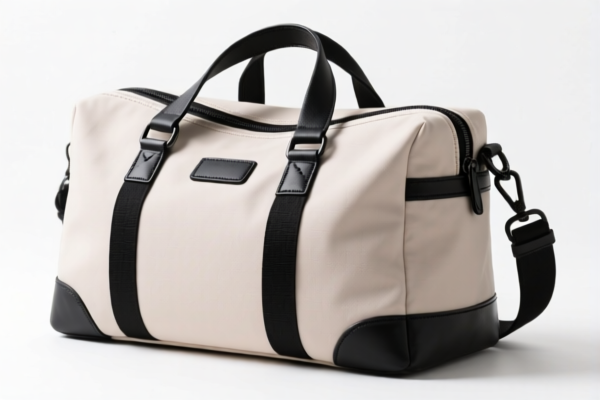
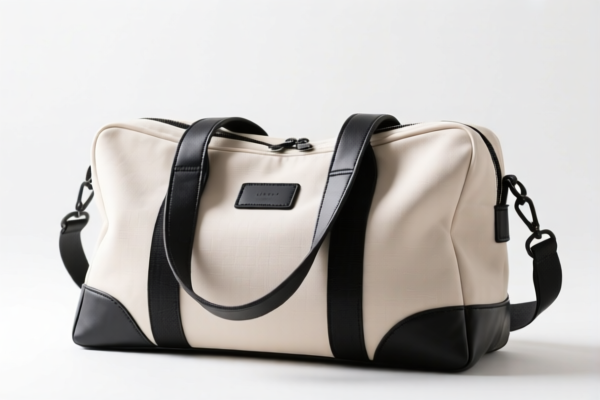
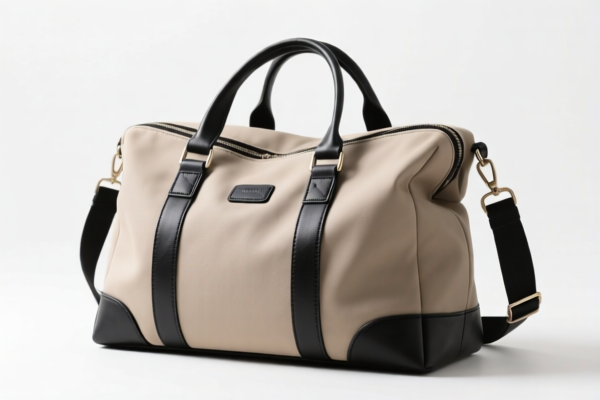
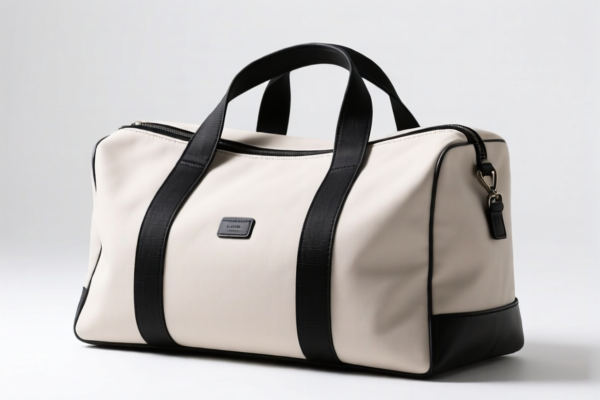
AI Analysis
🍷 Wine Bag & Insulated Beverage Carriers: The Ultimate Guide to HS Codes & Tariffs
🌐 HS Code Reference & Customs Clearance Guide | 2026 Latest Tariff Analysis | Professional Strategy for Soft Goods
📌 I. Product Definition & Classification: Is It Just a "Bag"?
A "Wine Bag" in international trade is rarely just a simple paper or cloth sack. It typically falls into two distinct categories based on function and material:
- Insulated Thermal Bags: Designed specifically to keep beverages cold or warm. These have thermal lining, zippers, and handles. They are classified under Heading 4202.
- Standard Carrier/Pouch Bags: Simple non-insulated bags (paper, fabric, non-woven) used for carrying bottles or as gift packaging. These are classified under Heading 6307 (Other made-up articles).
⚠️ Critical Distinction:
- If the bag has insulation/thermal lining → It is a "Container" (Heading 4202).
- If the bag is non-insulated (paper, simple fabric, gift pouch) → It is an "Other Made-up Article" (Heading 6307).
- Plastic Sacks/Bags (e.g., retail carrier bags) fall under Heading 3923.
📦 II. HS Code Classification Details (2026 Official Tariff Reference)
Based on the provided data, here is the precise classification for wine-related soft goods:
| HS Code | Product Description | Material/Type | Key Feature |
|---|---|---|---|
| 4202.92.08.07 | Insulated food or beverage bags, with outer surface of textile materials | Textile Outer + Insulation | ✅ Thermal/Insulated |
| 4202.92.08.09 | Insulated food or beverage bags, other (non-textile outer) | Plastic/Other + Insulation | ✅ Thermal/Insulated |
| 6307.90.98.91 | Other made-up articles, other | Various (Not specified) | ❌ Non-insulated, General soft goods |
| 6307.90.89.40 | Cotton towels of pile or tufted construction | Cotton | ❌ Cotton Towels (Only if the "Wine Bag" is actually a thick cotton towel pouch) |
🔍 Analysis:
- For a standard insulated wine tote (common in gifts/events), use 4202.92.08.07 (if textile outside).
- For a simple paper/fabric gift sleeve (no insulation), use 6307.90.98.91.
- Do NOT use plastic bag codes (3923) unless it is a thin plastic retail carrier bag.
💰 III. 2026 Tariff Rate Breakdown (Detailed Tax Clauses)
✅ Applicable Country: United States (US)
✅ Origin: China (CN)
✅ 生效时间 (Effective Date): Current 2026 Tariff Schedule
🎯 1. 4202.92.08.07 & 4202.92.08.09 — Insulated Wine/Bev Bags (Textile/Other)
| Item | Detail |
|---|---|
| Product | Insulated Food or Beverage Bags (Wine Carriers) |
| Basic Tariff | 0.0% |
| Additional Tariff | 0.0% |
| Total Tax Rate | 0.0% |
| Tax Detail | 基础关税: 0.0%, 加征关税: 0.0% |
| Legal Basis | General Rate of Duty (Most Favored Nation) |
📌 Explanation:
- Excellent News: Insulated beverage bags (Heading 4202) currently have ZERO tariff for Chinese origin goods in the US market.
- This applies to both textile outer surfaces (07) and other materials (09).
- No Section 301 or IEEPA surcharges apply to this specific subheading in the provided data.
🎯 2. 6307.90.98.91 — Other Made-up Articles (Non-Insulated Wine Bags/Pouches)
| Item | Detail |
|---|---|
| Product | Other Made-up Articles (e.g., Simple Gift Bags, Non-Woven Pouches) |
| Basic Tariff | 7.0% |
| Additional Tariff | 7.5% |
| Total Tax Rate | 14.5% |
| Tax Detail | 基础关税: 7.0%, 加征关税: 7.5% |
| Legal Basis | General Rate + Additional Duties |
📌 Explanation:
- Non-insulated "soft goods" like paper bags, simple fabric sleeves, or non-woven tote bags fall under this "Other" category.
- Higher Cost: The total duty is 14.5%, which is significantly higher than insulated bags.
- This includes general made-up articles that don't fit into specific textile or plastic bag categories.
🎯 3. 3923.21.00.85 & 3923.21.00.95 — Plastic Wine Bags (Retail Carrier Bags)
⚠️ Note: If your "Wine Bag" is a thin plastic sack (e.g., for carrying multiple bottles at a liquor store), it may be classified here.
| Item | Detail |
|---|---|
| Product | Polyethylene Retail Carrier Bags (PRCBs) / Other Plastic Sacks |
| Basic Tariff | 3.0% |
| Additional Tariff | 25.0% |
| Total Tax Rate | 28.0% |
| Tax Detail | 基础关税: 3.0%, 加征关税: 25.0% |
📌 Explanation:
- High Risk: Plastic retail carrier bags from China are subject to a 25% surcharge on top of the 3% base duty.
- Total 28% is the highest rate among the options.
- Avoid this classification if your product is a structured wine carrier (which should be 4202).
🛠️ IV. Customs Clearance Practical Advice (Avoid Pitfalls)
✅ 1. Documentation Checklist (Must-Haves)
| Document | Required? | Purpose |
|---|---|---|
| Commercial Invoice | ✅ Yes | Clearly state "Insulated Wine Bag" or "Non-Insulated Gift Bag". Do NOT just write "Bag". |
| Product Photos | ✅ Yes | Show the inner lining. If thermal foil is visible, prove it's 4202 (0% tax). |
| Material Composition | ✅ Yes | List % of outer fabric, inner lining, zippers. Critical for 4202 vs 6307. |
| Origin Certificate | ✅ Yes | To prove China origin (for tariff calculation). |
| Structure Diagram | ✅ Yes | For 4202: Show layers (Outer fabric + Insulation + Lining). |
✅ 2. Classification Strategy (Key Takeaway)
🔥 "Insulated = 4202 (0%), Simple = 6307 (14.5%), Plastic = 3923 (28%)"
| Scenario | Correct HS Code | Tax Rate | Action |
|---|---|---|---|
| Premium Gift Set with thermal lining | 4202.92.08.07 |
0% | ✅ Best Option. Ensure photos show thermal layer. |
| Simple Paper/Fabric Sleeve (No lining) | 6307.90.98.91 |
14.5% | ❌ Higher cost. Only use if truly non-insulated. |
| Thin Plastic Sack (Supermarket style) | 3923.21.00.85 |
28% | ❌ Avoid. High tariff. Only use if it's literally a plastic sack. |
✅ 3. Common Customs Mistakes & Fixes
❌ Mistake 1: Calling an insulated bag "Textile Bag" without specifying insulation.
👉 Risk: Customs may classify it as 6307 (14.5%) because they suspect it's not a "container" under 4202.
✅ Fix: Explicitly state "Thermal Insulated" and provide cross-section photos.
❌ Mistake 2: Classifying a structured wine tote as a "Plastic Bag" (3923).
👉 Risk: Paying 28% tax when you could pay 0%.
✅ Fix: If the bag has structure, handles, and insulation, it is not a plastic sack. It is a container (4202).
❌ Mistake 3: Ignoring the "Outer Surface" material for 4202.
👉 Risk: Misclassification between 4202.92.08.07 (Textile) and 4202.92.08.09 (Other).
✅ Fix: Check the outer material. If it's cotton/polyester weave, use .07. If it's coated fabric or plastic-laminated, use .09. Both are 0% tax, so the main issue is accuracy for future audits.
🌍 V. Global Market Comparison (2026)
| Market | Recommended HS Code | Tariff (China Origin) | Note |
|---|---|---|---|
| 🇺🇸 USA | 4202.92.08.07 |
0.0% | Best for insulated bags. |
| 🇪🇺 EU | 4202.92 |
0% - 4.5% | Varies by member state, but generally low for textiles. |
| 🇨🇳 China | 4202.92 |
8.0% | Import tax applies. |
| 🇬🇧 UK | 4202.92 |
4.5% | Post-Brexit tariff. |
📌 Conclusion:
- The US market is the most favorable for insulated wine bags (0% tariff).
- Focus on insulated products to maximize margin.
- Avoid plastic retail bags (28% tax) unless absolutely necessary.
📌 VI. Final Recommendation & Action Plan
🎯 For Exporters to the US:
1. Product Design: Ensure all "Wine Bags" are insulated (thermal lining).
2. Labeling: Clearly mark as "Insulated Beverage Carrier".
3. Documentation: Provide photos showing the thermal foil layer.
4. HS Code: Declare as 4202.92.08.07 (if textile outer) to enjoy 0% duty.
🚀 Result:
- Save 14.5% compared to non-insulated bags (6307).
- Save 28% compared to plastic bags (3923).
- Maximize Profit Margins in the competitive wine accessory market.
✨ Pro Tip:
If you are using non-woven fabric (common for gift bags), it is still considered a "made-up article." If it has no insulation, it falls under 6307.90.98.91 (14.5%). If you add a thermal layer, it upgrades to 4202 (0%). The cost of adding a thin thermal layer is often worth the 14.5% tariff savings!
📞 Contact Your Customs Broker:
Provide the HS Code
4202.92.08.07and product samples with insulation visible to ensure correct clearance.
🚀 Ship Smarter, Pay Less, Sell More!
Customer Reviews
About HS Code Classification
The Harmonized System (HS) is an internationally standardized nomenclature developed by the World Customs Organization (WCO) to classify traded products. Over 200 countries use the HS system as the basis for customs tariffs, trade statistics, and import/export regulations.
Each HS code follows a hierarchical structure:
- Chapter (2 digits) — Broad category of goods (e.g., Chapter 84: Machinery and Mechanical Appliances)
- Heading (4 digits) — More specific grouping within the chapter
- Subheading (6 digits) — Internationally standardized breakdown, used by all WCO member countries
- National subdivisions (8-10 digits) — Country-specific extensions for further classification, such as US HTSUS 10-digit codes
Correct HS code classification is essential for smooth customs clearance, accurate duty payment, and compliance with trade regulations. Misclassification can lead to customs delays, overpayment of duties, or penalties.
When importing from CN to US, the applicable tariff rates may include:
- Most-Favored-Nation (MFN) rate — The standard duty rate applied to WTO members
- General rate — Applied to countries without trade agreements
- Trade remedy duties — Additional tariffs such as Section 301 (anti-dumping), Section 232 (national security), or countervailing duties
The information provided on this page is for reference purposes only. For official classification, please consult with your local customs authority or a licensed customs broker.