Wine Bottle Natural Cork Stoppers
CN → US| HS Code | Tariff Rate | Origin | Destination | Doc |
|---|---|---|---|---|
| 4503102000 | 35.0% | CN | US | Official Doc |
| 4503106000 | 35.0% | CN | US | Official Doc |
| 4502000000 | 35.0% | CN | US | Official Doc |
| 4504104500 | 35.0% | CN | US | Official Doc |
| 4503102000 | 35.0% | CN | US | Official Doc |
Product Images
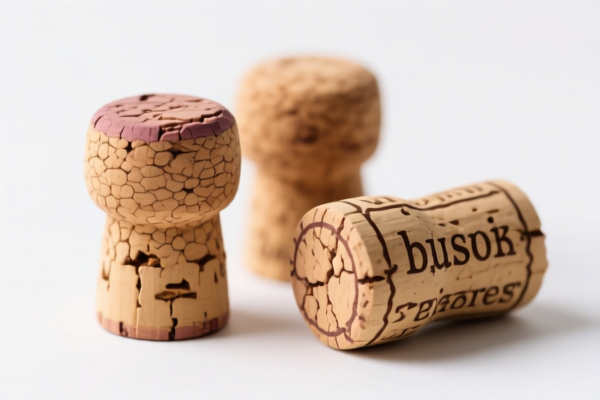
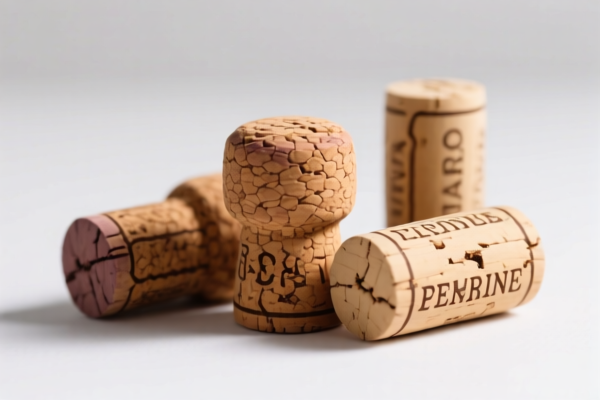
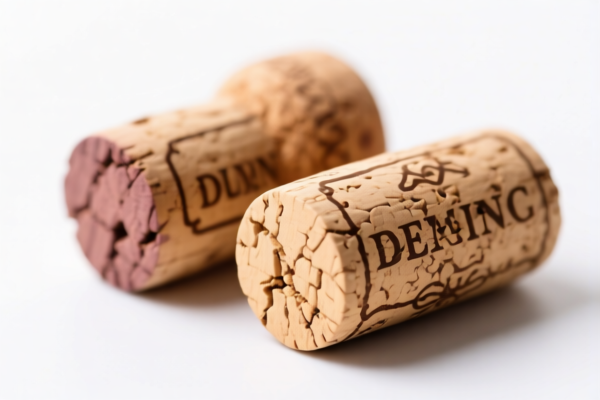
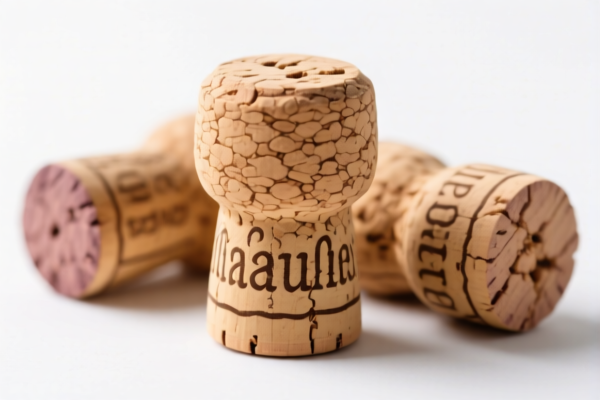
AI Analysis
🍷 Wine Bottle Natural Cork Stoppers
🌐 HS Code Reference & Customs Clearance Guide | 2026 Latest Tariff Analysis | Professional Clearance Strategy
📌 I. Product Definition & Classification: Do You Really Understand "Natural Cork Stoppers"?
Natural cork stoppers for wine bottles are one of the most traditional and critical packaging materials in the global wine industry. In international trade, they are strictly classified based on their material (natural cork) and form (stoppers/corks). Unlike synthetic corks or agglomerated cork products, natural cork stoppers fall under specific chapters of the Harmonized System (HS).
⚠️ Key Distinction Point:
- If the product is made from 100% natural cork bark and shaped specifically as a stopper → Classified under Chapter 45 (Cork and Articles of Cork);
- If it contains significant adhesive or is made from agglomerated cork → Might fall under 4503.90 or other subheadings;
- Pure Natural Cork Stoppers are primarily governed by 4503.10 or 4502.00/4504.10, depending on precise formatting and origin.
📦 II. HS Code Classification Details (2026 Latest Tariff Authority Comparison)
Based on the provided data, here are the applicable HS Codes for Wine Bottle Natural Cork Stoppers:
| HS Code | Product Description | Applicable Scenario | Key Classification Criteria |
|---|---|---|---|
4503.10.20.00 |
Natural cork stoppers, made of natural cork, in the form of stoppers | Standard wine bottle natural cork stoppers | Material: Natural cork; Form: Stoppers |
4503.10.60.00 |
Cork stoppers and plugs, made of natural cork, fully complying with classification definitions | Generic natural cork stoppers/plugs | Material: Natural cork; Form: Stopper/Plug |
4502.00.00.00 |
Natural cork and articles thereof, in the form of stoppers | Natural cork used specifically as stoppers | Material: Natural cork; Use: As stopper |
4504.10.45.00 |
Natural cork stoppers, material conforms to natural cork, shape belongs to stopper category | Natural cork stoppers without material/form conflict | Material: Natural cork; No conflicting material/form |
🔍 Important Reminder:
- All listed HS Codes share the same total tax rate of 35% due to specific tariff policies for US-China trade;
- The key difference lies in nomenclature precision for customs declarations;
- Ensure that "Natural Cork" is explicitly stated to avoid misclassification into synthetic or agglomerated categories.
💰 III. 2026 Latest Tariff Rate Details (Including Additional Taxes & Policy Surcharges)
✅ Applicable Country: United States (US)
✅ Origin: China (CN)
✅ Effective Date: 2025–2026 (Applicable to imports from China)
🎯 1. 4503.10.20.00 – Natural Cork Stoppers (Natural Cork Material, Stopper Form)
| Item | Content |
|---|---|
| Base Tariff Rate | 0.0% (ad valorem) |
| Section 301 Surcharge | +25.0% (USITC Footnote related to Chinese goods) |
| Section 122 Surcharge | +10.0% (Specific trade measure) |
| Total Tax Rate | 35.0% |
| Tax Calculation | CIF Value × 35% |
| De Minimis Exemption | ❌ Not Eligible (Non-eligible for de minimis relief) |
| Legal Basis Path | Section 301: 25% → Section 122: 10% → HS 4503.10.20.00 |
📌 Explanation:
- "Base Tariff 0%": Natural cork stoppers have a low base duty under normal trade relations;
- "Section 301 Surcharge 25%": Imposed on Chinese-origin goods under US Trade Act Section 301;
- "Section 122 Surcharge 10%": Additional tariff under Section 122 of the Trade Act;
- Total 35%: A significant cost factor for exporters;
- No De Minimis: Small shipments do not qualify for tax exemption.
🎯 2. 4503.10.60.00 – Cork Stoppers and Plugs (Natural Cork)
| Item | Content |
|---|---|
| Base Tariff Rate | 0.0% |
| Section 301 Surcharge | +25.0% |
| Section 122 Surcharge | +10.0% |
| Total Tax Rate | 35.0% |
| Tax Calculation | CIF × 35% |
| De Minimis Exemption | ❌ Not Eligible |
| Legal Basis Path | Section 301: 25% → Section 122: 10% → HS 4503.10.60.00 |
📌 Note:
- Same tariff structure as4503.10.20.00;
- Applicable to general natural cork stoppers/plugs regardless of specific wine or non-wine use.
🎯 3. 4502.00.00.00 – Natural Cork and Articles Thereof (Form: Stoppers)
| Item | Content |
|---|---|
| Base Tariff Rate | 0.0% |
| Section 301 Surcharge | +25.0% |
| Section 122 Surcharge | +10.0% |
| Total Tax Rate | 35.0% |
| Tax Calculation | CIF × 35% |
| De Minimis Exemption | ❌ Not Eligible |
| Legal Basis Path | Section 301: 25% → Section 122: 10% → HS 4502.00.00.00 |
📌 Note:
- Broader category for natural cork articles specifically used as stoppers;
- Same tax burden applies.
🎯 4. 4504.10.45.00 – Natural Cork Stoppers (No Material/Form Conflict)
| Item | Content |
|---|---|
| Base Tariff Rate | 0.0% |
| Section 301 Surcharge | +25.0% |
| Section 122 Surcharge | +10.0% |
| Total Tax Rate | 35.0% |
| Tax Calculation | CIF × 35% |
| De Minimis Exemption | ❌ Not Eligible |
| Legal Basis Path | Section 301: 25% → Section 122: 10% → HS 4504.10.45.00 |
📌 Note:
- Used when the stopper clearly conforms to natural cork without conflicting material definitions;
- Identical tax rate: 35%.
🛠️ IV. Customs Clearance Practical Advice (Combat Pitfalls Guide)
✅ 1. Required Documentation Checklist (Missing Documents = Delay)
| Document | Required? | Description |
|---|---|---|
| ✅ Commercial Invoice | ✔️ | Must clearly state "Natural Cork Stoppers for Wine Bottles" |
| ✅ Packing List | ✔️ | Detail quantities, weights, and packaging types |
| ✅ Certificate of Origin (CO) | ✔️ | Crucial for proving Chinese origin; may affect tariff applicability |
| ✅ Product Specification Sheet | ✔️ | Include dimensions, length, diameter, and natural cork grade |
| ✅ Material Declaration | ✔️ | Explicitly state "100% Natural Cork" to avoid misclassification |
| ✅ Bill of Lading/Air Waybill | ✔️ | Standard shipping documents |
✅ 2. Declaration Tips (Key Mantra)
🔥 "Specify 'Natural', Avoid 'Synthetic', Declare 'Stopper', Not 'Plug' if Possible!"
| Scenario | Correct Declaration | Wrong Practice |
|---|---|---|
| Natural Cork Stoppers for Wine | 4503.10.20.00 or 4503.10.60.00 |
Misdeclare as 4016.93 (Rubber) → 25%+ |
| Agglomerated Cork Stoppers | 4503.90.00.00 |
Claim as "Natural" → Fraud risk |
| Synthetic Corks | 4016.93.00.00 or 3926.90 |
Misdeclare as "Natural" → High penalty |
| Mixed Packaging (Cork + Box) | Declare main item as cork stoppers | Split declaration → Higher total tax |
✅ 3. Special Cases Handling
| Situation | Handling Advice |
|---|---|
| OEM Custom Corks | Provide customer design specs; ensure material is 100% natural cork |
| Branded Corks with Logos | No impact on classification; ensure branding doesn’t imply false origin |
| Sample Shipments | Still subject to 35% tax; no de minimis exemption |
| Return/Replacement Shipments | Provide prior import records to claim duty drawback if applicable |
🌍 V. Global Market Customs Comparison (2026 Latest)
| Country/Region | Recommended HS Code | Tariff (China Origin) | Certification Requirements | Notes |
|---|---|---|---|---|
| 🇺🇸 USA | 4503.10.20.00 |
35% (0% base + 25% + 10%) | None specific | High tariff due to Section 301 & 122 |
| 🇨🇳 China | 4503.10.20.00 |
5–10% (varies) | None | Lower domestic import duty |
| 🇪🇺 EU | 4503.10.20.00 |
0–3% (depending on origin) | CE (if applicable) | No major surcharges for cork |
| 🇬🇧 UK | 4503.10.20.00 |
0–5% | UKCA (if applicable) | Post-Brexit rules apply |
| 🇦🇺 Australia | 4503.10.20.00 |
0–5% | None | Free trade agreements may apply |
📌 Conclusion:
- USA has the highest duty burden at 35% due to bilateral trade measures;
- EU and UK offer much more favorable rates;
- For US-bound goods, cost planning must include the 35% tariff.
📌 VI. Common Errors & Pitfall Guide (Lessons from Real Cases)
❌ Error 1: Declaring "Cork Stoppers" without specifying "Natural"
👉 Consequence: Customs may misclassify as agglomerated or synthetic → Higher duty + Audit risk
❌ Error 2: Using "Rubber Stoppers" or "Synthetic Corks" but claiming "Natural"
👉 Consequence: Customs seizure + fines for misdeclaration
❌ Error 3: Not providing a Certificate of Origin
👉 Consequence: Inability to verify origin → Potential dispute on tariff applicability
❌ Error 4: Declaring as "Plugs" instead of "Stoppers"
👉 Consequence: Minor nomenclature issue, but may cause clearance delays if inconsistent
✅ Correct Declaration Example:
"Natural Cork Stoppers for Wine Bottles, 100% Natural Cork, Diameter 24mm, Length 45mm, HS Code: 4503.10.20.00, Origin: China"
🎯 VII. Conclusion: Precise Classification Saves Money!
🎯 Remember the Mantra:
🔹 "Natural Cork, Not Synthetic; Specify Form, Avoid Ambiguity"
🔹 "35% Total Tax in US, Plan Costs Accordingly"
🔹 "Documents Must Match, Origin Must Be Proven"
📌 Pro Tip:
If your cork stoppers are sourced from Portugal, Spain, or Morocco, they may qualify for lower or zero tariffs under preferential trade agreements.
Always verify the country of origin to maximize tariff benefits.
📣 Immediate Action:
📞 Contact your customs broker + Provide material specs + Apply for HS Code Advance Ruling
🚀 Ensure smooth clearance, reduce costs, and protect your supply chain!
✨ Professional clearance starts with accurate classification!
💼 Every dollar of tariff matters — calculate it precisely!
Customer Reviews
About HS Code Classification
The Harmonized System (HS) is an internationally standardized nomenclature developed by the World Customs Organization (WCO) to classify traded products. Over 200 countries use the HS system as the basis for customs tariffs, trade statistics, and import/export regulations.
Each HS code follows a hierarchical structure:
- Chapter (2 digits) — Broad category of goods (e.g., Chapter 84: Machinery and Mechanical Appliances)
- Heading (4 digits) — More specific grouping within the chapter
- Subheading (6 digits) — Internationally standardized breakdown, used by all WCO member countries
- National subdivisions (8-10 digits) — Country-specific extensions for further classification, such as US HTSUS 10-digit codes
Correct HS code classification is essential for smooth customs clearance, accurate duty payment, and compliance with trade regulations. Misclassification can lead to customs delays, overpayment of duties, or penalties.
When importing from CN to US, the applicable tariff rates may include:
- Most-Favored-Nation (MFN) rate — The standard duty rate applied to WTO members
- General rate — Applied to countries without trade agreements
- Trade remedy duties — Additional tariffs such as Section 301 (anti-dumping), Section 232 (national security), or countervailing duties
The information provided on this page is for reference purposes only. For official classification, please consult with your local customs authority or a licensed customs broker.