Winter Clothing
CN → US| HS Code | Tariff Rate | Origin | Destination | Doc |
|---|---|---|---|---|
| 6201301200 | 21.9% | CN | US | Official Doc |
| 6202302050 | 26.4% | CN | US | Official Doc |
| 6101200010 | 33.4% | CN | US | Official Doc |
Product Images

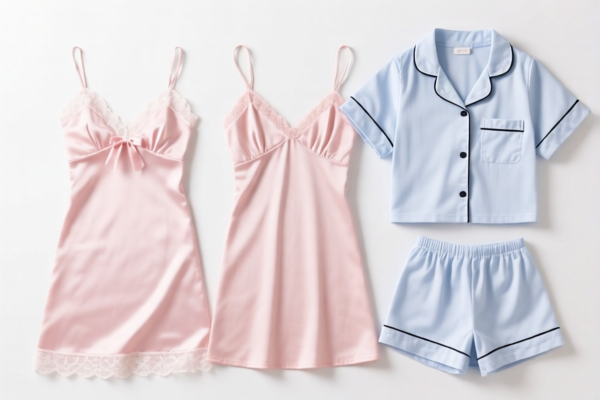
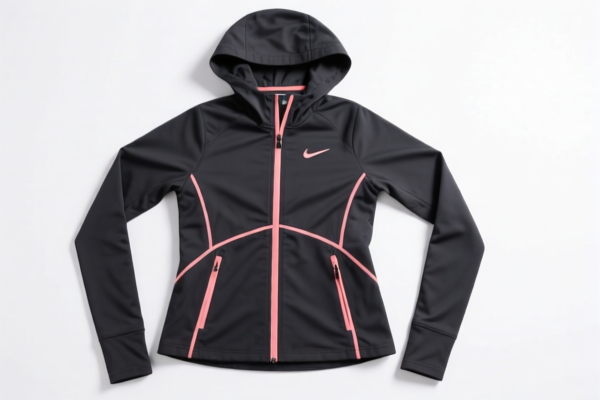
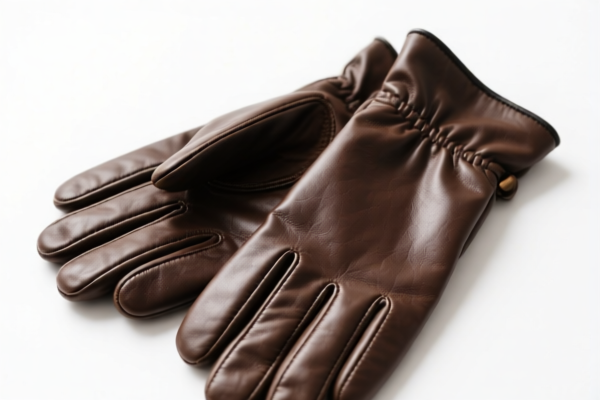
AI Analysis
❄️ Winter Clothing: The Ultimate HS Code Guide & 2026 US Customs Clearance Strategy
🌐 HS Code Reference & Clearance Guide | 2026 Tax Rate Breakdown | Professional通关 Strategy
📌 Section 1: What is "Winter Clothing" and How is it Classified?
In the complex world of international trade, "Winter Clothing" is not a single product but a category requiring precise classification based on fabric composition, gender, and construction type. Misclassification leads to massive duty shocks, especially under current US-China trade policies.
Key Distinctions in Winter Apparel:
1. Men's vs. Women's Suits (Outerwear): The "122 Clause" (Section 232 Tariffs) and "301 Tariffs" often apply differently based on the HS Code prefix (6201 for men, 6202 for women).
2. Knitted (61xx) vs. Woven (62xx): The manufacturing method (knitting machine vs. weaving machine) dictates the primary HS Code chapter.
3. Material Composition: Cotton, Synthetic Fibers, or Down/Insulation fillings can shift the tax rate significantly.
⚠️ CRITICAL WARNING:
- "Winter Coat" is not enough: You must specify Gender (Men/Women), Material (Cotton/Synthetic), and Construction (Knitted/Woven). - 122 Clause (Section 232) Impact: Applies to specific steel/aluminum-based or textile categories, adding 10% on top of base duties. - Section 301 (China): An additional 7.5% - 10% surcharge is currently active for most Chinese-origin textiles.
📦 Section 2: Detailed HS Code Classification (Based on Provided Data)
The following three HS Codes represent the most common classifications for winter coats imported into the US. The total tax rates vary drastically based on gender and material.
| HS Code | Product Description (Inferred) | Gender | Material/Construction | Total Tax Rate | Tax Detail Breakdown |
|---|---|---|---|---|---|
| 6201.30.12.00 | Winter Coat | Men's | Woven, Cotton or Insulated Fill | 21.9% | Base: 4.4% + Add-on: 7.5% + 122 Clause: 10% |
| 6202.30.20.50 | Winter Coat | Women's | Woven, Cotton (Non-Rain/Non-Corduroy) | 26.4% | Base: 8.9% + Add-on: 7.5% + 122 Clause: 10% |
| 6101.20.00.10 | Winter Coat | Men's | Knitted, Cotton or Synthetic Fibers | 33.4% | Base: 15.9% + Add-on: 7.5% + 122 Clause: 10% |
🔍 Key Analysis:
- Woven vs. Knitted: Notice the jump from 21.9% (Woven Men's) to 33.4% (Knitted Men's). Knitted winter coats carry a higher base duty (15.9% vs 4.4%). - Gender Gap: Women's woven coats (6202) have a higher base duty (8.9%) than Men's woven coats (6201), resulting in a higher total rate (26.4% vs 21.9%). - The 122 Clause: All three categories listed suffer from an additional 10% tariff, likely related to Section 232 measures on steel/aluminum or specific textile safeguards.
💰 Section 3: 2026 Tax Rate Deep Dive & Calculation Logic
✅ Applicable Market: USA (United States)
✅ Origin: China (PRC)
✅ Applicable Tariffs: Section 301 (Added Tariffs) + Section 232 (122 Clause)
🎯 Case A: Men's Woven Winter Coat (6201.30.12.00)
- Best Option for Cost Efficiency (among woven options).
- Base Duty: 4.4% (Standard MFN Rate).
- Section 301 (Add-on): +7.5% (China-specific surcharge).
- Section 232 (122 Clause): +10.0% (Steel/Aluminum or specific textile safeguard).
- Total Effective Rate: 21.9%
- Calculation:
(CIF Value) × 21.9%
🎯 Case B: Women's Woven Winter Coat (6202.30.20.50)
- Exclusion: "Non-raincoat" and "Non-corduroy" implies standard fashion winter coats.
- Base Duty: 8.9% (Higher base rate than men's).
- Section 301 (Add-on): +7.5%
- Section 232 (122 Clause): +10.0%
- Total Effective Rate: 26.4%
- Calculation:
(CIF Value) × 26.4%
🎯 Case C: Men's Knitted Winter Coat (6101.20.00.10)
- Highest Risk Category: Knitted fabrics often attract higher base duties due to "domestic industry protection" policies.
- Base Duty: 15.9% (Significantly higher).
- Section 301 (Add-on): +7.5%
- Section 232 (122 Clause): +10.0%
- Total Effective Rate: 33.4%
- Calculation:
(CIF Value) × 33.4% - Strategy: Consider switching production lines to Woven (62xx) if the design allows, saving up to 11.5% in total taxes.
🛠️ Section 4: Professional Customs Clearance & Practical Advice
✅ 1. Preparation Checklist (Document Required)
To avoid delays or misclassification audits, ensure you have:
| Document | Requirement | Why it Matters |
|---|---|---|
| Technical Specification Sheet | ✔️ Must | Must explicitly state: "Woven" vs "Knitted", "Cotton %" vs "Synthetic %", and "Insulated/Filled". |
| Fabric Composition Label | ✔️ Must | Photo of the inner label is crucial for CBP to verify the "Knitted" vs "Woven" claim. |
| Design & Structure Diagram | ✔️ Recommended | Prove it is an "Outerwear Coat" (e.g., heavy lining, windproof) to justify the HS Code. |
| Commercial Invoice | ✔️ Must | Must clearly state "Winter Coat" AND the specific HS Code. Do NOT use generic terms like "Clothing". |
| Origin Certificate | ✔️ Must | Proof of China origin triggers the 7.5% + 10% surcharges. |
✅ 2. Declaration Strategy (Pro-Tips)
🔥 Golden Rule: "Material & Construction Defines the Tax!"
| Scenario | Correct Declaration | Incorrect (Risky) Action |
|---|---|---|
| Men's Cotton Down Jacket (Woven) | 6201.30.12.00 (21.9%) |
Declare as Knitted (6101) → Overpay tax (or get audited for under-declaration). |
| Women's Synthetic Coat | 6202.30.20.50 (26.4%) |
Declare as "Raincoat" (different code) → Fines if material doesn't match raincoat specs. |
| Knitted Men's Sweater-Coat | 6101.20.00.10 (33.4%) |
Declare as Woven → Audited & Back-dated penalties. |
| Mixed Material (e.g., 80% Cotton, 20% Polyester) | Declare based on Dominant Material | Splitting shipment → Higher administrative costs. |
✅ 3. Special Handling for "Winter" Features
- Down/Filling: If the coat is filled with down, ensure the filling weight is declared. While the HS Code focuses on outer fabric, some specific sub-rules might require "Down Content" declaration for anti-subsidy investigations.
- Waterproofing: If the coat is treated to be waterproof, ensure it is NOT classified as a "Raincoat" (
6210), as raincoats have different tax structures. The data provided (6202.30...) specifically excludes raincoats. - Corduroy Warning: The
6202code specifically notes "Non-Corduroy". If your women's coat is Corduroy, it cannot use this code. You must find the specific Corduroy code (likely higher duty or different 122 clause treatment).
🌍 Section 5: Market Comparison & Strategic Outlook (2026)
| Market | Typical Base Duty | 301 Add-on | 232 (122) Clause | Total Estimated Rate |
|---|---|---|---|---|
| 🇺🇸 USA | 4.4% - 15.9% | +7.5% | +10% | 21.9% - 33.4% |
| 🇨🇳 China (Import) | 0% - 10% | N/A | N/A | Low |
| 🇪🇺 EU | 10% - 12% | N/A | Variable | ~20% (No US-style Section 232) |
| 🇯🇵 Japan | 16% - 20% | N/A | N/A | High |
📌 Strategic Conclusion:
The US market is the most expensive for Chinese-origin winter clothing due to the cumulative layering of Base Duty + Section 301 (7.5%) + Section 232 (10%). - Total Tax Hike: Up to 17.5% added on top of the standard duty. - Recommendation: If profit margins are thin (e.g., <15%), do not import knitted coats to the US (6101). Focus on Woven coats (6201/6202) to mitigate the base duty shock.
📌 Section 6: Common Pitfalls & "Blood" Lessons
❌ Pitfall 1: Confusing Knitted vs. Woven
Scenario: A factory produces a coat on a knitting machine (Knitted) but labels it "Woven" on the invoice.
Result: CBP discovers the knitting pattern via visual inspection or fabric analysis.
Consequence: Re-classification to 6101 + 10% Penalty + Back-tax*.
❌ Pitfall 2: Ignoring the "122 Clause" in Costing
Scenario: Quoting a price based only on Base Duty + 301 Tariff.
Result: The 10% Section 232 tariff is applied unexpectedly at the border.
Consequence: Negative Margin* on the shipment.
❌ Pitfall 3: Generic "Winter Coat" Description
Scenario: Invoice says "Men's Winter Coat" without material details.
Result: CBP may default to the highest possible tax rate or hold the cargo for inspection.
Consequence: Demurrage fees* (storage costs) + Delays.
✅ Best Practice:
"Men's Woven Winter Coat, 95% Cotton / 5% Polyester, Synthetic Filled, Model XYZ, HS Code 6201.30.12.00"
🎯 Final Verdict: How to Save Money & Clear Customs Smoothly
- Verify Fabric Construction First: If possible, switch from Knitted (61xx) to Woven (62xx). The tax savings are massive (e.g., 21.9% vs 33.4% for men).
- Gender Specifics: Ensure your invoice matches the HS Code gender (
6201= Men,6202= Women). Cross-gender errors trigger audits. - Material Exclusions: Double-check that women's coats are NOT Corduroy or Raincoats, or you will be using the wrong code.
- Pre-Arrival Ruling: For high-volume shipments, apply for a Binding Ruling from US Customs to lock in the 21.9% rate and avoid surprise audits.
📣 Action Item:
🔹 Check your BOM (Bill of Materials): Is it Woven or Knitted?
🔹 Check your Invoice: Does it match the HS Code?
🔹 Calculate your Landed Cost: Include the full 21.9% - 33.4% tax.
🚀 Ship with confidence!
✨ Professional Customs Compliance Starts with Precision!
💼 Every 0.1% in tax classification can save thousands!
Customer Reviews
About HS Code Classification
The Harmonized System (HS) is an internationally standardized nomenclature developed by the World Customs Organization (WCO) to classify traded products. Over 200 countries use the HS system as the basis for customs tariffs, trade statistics, and import/export regulations.
Each HS code follows a hierarchical structure:
- Chapter (2 digits) — Broad category of goods (e.g., Chapter 84: Machinery and Mechanical Appliances)
- Heading (4 digits) — More specific grouping within the chapter
- Subheading (6 digits) — Internationally standardized breakdown, used by all WCO member countries
- National subdivisions (8-10 digits) — Country-specific extensions for further classification, such as US HTSUS 10-digit codes
Correct HS code classification is essential for smooth customs clearance, accurate duty payment, and compliance with trade regulations. Misclassification can lead to customs delays, overpayment of duties, or penalties.
When importing from CN to US, the applicable tariff rates may include:
- Most-Favored-Nation (MFN) rate — The standard duty rate applied to WTO members
- General rate — Applied to countries without trade agreements
- Trade remedy duties — Additional tariffs such as Section 301 (anti-dumping), Section 232 (national security), or countervailing duties
The information provided on this page is for reference purposes only. For official classification, please consult with your local customs authority or a licensed customs broker.