Winter Knitted Headband
CN → US| HS Code | Tariff Rate | Origin | Destination | Doc |
|---|---|---|---|---|
| 6505003045 | 0.0% | CN | US | Official Doc |
| 6505001525 | 42.9% | CN | US | Official Doc |
| 6505005045 | 41.8% | CN | US | Official Doc |
| 6505006045 | 0.0% | CN | US | Official Doc |
| 6117803010 | 12.3% | CN | US | Official Doc |
Product Images
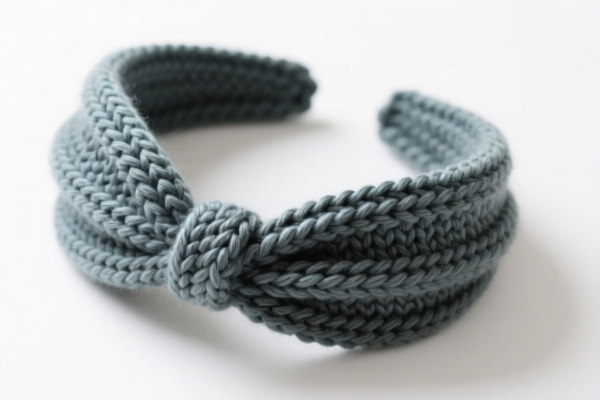
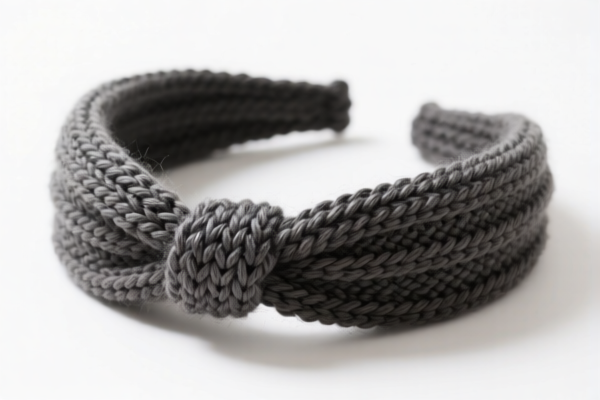
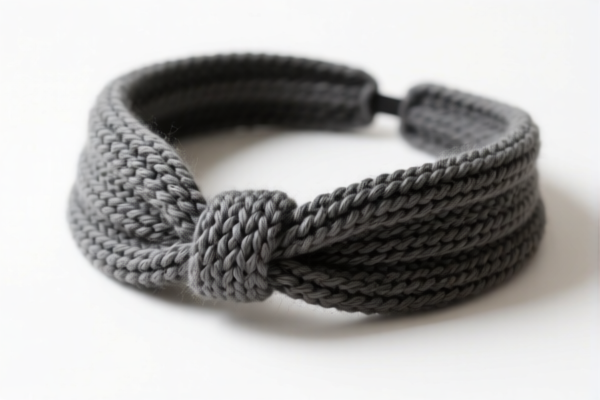

AI Analysis
🎀 Winter Knitted Headband (Winter Knitted Headband)
🌐 HS Code Reference & Customs Clearance Guide | 2026 Latest Tariff Analysis | Professional Level Clearance Strategy 📌 I. Product Definition & Classification: Do You Really Understand "Knitted Headbands"?
A winter knitted headband is a versatile accessory designed for warmth and style. In international trade, its classification depends heavily on material composition and specific form, which directly impacts the tariff burden.
Key Distinction Points: * Material Matters: Is it natural fiber (wool, cotton) or synthetic (acrylic, polyester)? * Form Factor: Is it a simple band, or does it have specific decorative features? * Chapter 61 vs. Chapter 65: Are they knitted (Ch. 61) or non-knitted/hairnets (Ch. 65)? Note: Even if knitted, if classified under Ch. 65 as "headgear," specific subheadings apply.
⚠️ Critical Warning:
- Misclassification can lead to penalties, delays, and massive tax differences.
- The data below reflects specific US import scenarios (likely China-origin given the "Section 301" and "Section 122" mentions).
📦 II. HS Code Classification Details (2026 Latest Tariff Authority Comparison)
Based on the provided data, here are the five potential HS Codes for a Winter Knitted Headband:
| HS Code | Summary / Product Description | Key Characteristics & Material Inference |
|---|---|---|
6505.00.30.45 |
Knitted Headband | Shape matches headwear; material inferred as wool or acrylic (winter wear). |
6505.00.15.25 |
Knitted Headpiece | Non-covering headpiece; material inferred as cotton/textile fibers. |
6505.00.50.45 |
Headband | Fits headband usage; knitted form; typically man-made or natural fibers. |
6505.00.60.45 |
Head Accessory | Head decoration; knitted; material inferred as man-made or natural fibers. |
6117.80.30.10 |
Knitted Accessory | Matches headband shape; material inferred as silk or similar (premium/unique). |
🔍 Important Note:
- Codes starting with6505are generally headwear/headbands under Chapter 65.
- Code6117refers to made-up accessories of apparel, often used for knitted items like scarves or headbands if not classified as "headgear."
- The tax burden varies significantly based on which HS code is selected.
💰 III. 2026 Latest Tariff Rate Details (Including Surcharges & Policy Add-ons)
✅ Applicable Country: United States (US)
✅ Origin: Likely China (CN) – Based on the presence of Section 301 and Section 122 duties
✅ Effective Time: Current rates apply as of 2026
🎯 1. 6505.00.30.45 – Wool/Acrylic Knitted Headband
| Item | Detail |
|---|---|
| Base Tariff | 25.4¢/kg + 7.7% (Ad valorem + Specific) |
| Section 301 (Trump Tariff) | +25.0% |
| Section 122 Tariff | +10.0% |
| Total Effective Rate | Approx. 42.7% + 25.4¢/kg |
| Tax Calculation | (CIF Value × 7.7%) + CIF Value × 25% + CIF Value × 10% + (Weight × $0.254) |
| De Minimis Exemption? | ❌ No (High duty rate prevents de minimis applicability for most shipments) |
📌 Explanation:
- This code assumes a wool/acrylic winter headband.
- The 7.7% base rate is combined with heavy geopolitical surcharges (35% total).
- The specific duty ($0.254/kg) adds a weight-based cost on top of ad valorem duties.
🎯 2. 6505.00.15.25 – Cotton/Textile Knitted Headpiece
| Item | Detail |
|---|---|
| Base Tariff | 7.9% |
| Section 301 (Trump Tariff) | +25.0% |
| Section 122 Tariff | +10.0% |
| Total Effective Rate | 42.9% |
| Tax Calculation | CIF Value × 42.9% |
| De Minimis Exemption? | ❌ No |
| Legal Basis Path | Base: 7.9% → Sec 301: +25% → Sec 122: +10% |
📌 Note:
- This code is for non-covering headpieces, likely cotton.
- Pure ad valorem rate of 42.9% is very high. No specific weight-based duty.
🎯 3. 6505.00.50.45 – General Knitted Headband
| Item | Detail |
|---|---|
| Base Tariff | 6.8% |
| Section 301 (Trump Tariff) | +25.0% |
| Section 122 Tariff | +10.0% |
| Total Effective Rate | 41.8% |
| Tax Calculation | CIF Value × 41.8% |
| De Minimis Exemption? | ❌ No |
📌 Note:
- Slightly lower base rate (6.8%) than the cotton headpiece.
- Total duty of 41.8% is still substantial.
🎯 4. 6505.00.60.45 – Knitted Head Accessory
| Item | Detail |
|---|---|
| Base Tariff | 20¢/kg + 7% |
| Section 301 (Trump Tariff) | +25.0% |
| Section 122 Tariff | +10.0% |
| Total Effective Rate | Approx. 42% + 20¢/kg |
| Tax Calculation | (CIF Value × 7%) + CIF Value × 25% + CIF Value × 10% + (Weight × $0.20) |
| De Minimis Exemption? | ❌ No |
📌 Note:
- Combines a lower base rate (7%) with a specific duty ($0.20/kg).
- For lightweight items, this may be cheaper than6505.00.30.45if the weight is low.
🎯 5. 6117.80.30.10 – Silk/Similar Knitted Accessory
| Item | Detail |
|---|---|
| Base Tariff | 2.3% |
| Section 301 (Trump Tariff) | +0.0% |
| Section 122 Tariff | +10.0% |
| Total Effective Rate | 12.3% |
| Tax Calculation | CIF Value × 12.3% |
| De Minimis Exemption? | ✅ Possibly (Lower total rate may allow de minimis if value < $800, but check current rules) |
| Legal Basis Path | Base: 2.3% → Sec 301: 0% → Sec 122: +10% |
📌 Note:
- This is the most cost-effective option if the product qualifies.
- However, it requires the material to be inferred as silk or similar, and classified under Chapter 61 (knitted accessories) rather than Chapter 65 (headgear).
- ⚠️ Risk: If customs determines it is "headgear" (Chapter 65) and not an "accessory," you may be reassigned to a higher tax code.
🛠️ IV. Customs Clearance Practical Advice (Battle-Tested Pitfall Avoidance)
✅ 1. Preparation Checklist (Essential Documents)
| Document | Required? | Description |
|---|---|---|
| ✅ Product Spec Sheet | ✔️ | Must clearly state: "Headband," "Knitted," "Material Composition" (e.g., 100% Acrylic, Wool Blend, Silk). |
| ✅ Photos | ✔️ | Show the item clearly. Is it a simple band? Does it cover ears? This determines "headgear" vs. "accessory." |
| ✅ Commercial Invoice | ✔️ | Declare exact weight, value, and HS Code. |
| ✅ Packing List | ✔️ | Net/Gross weight is critical for codes with specific duties (25.4¢/kg or 20¢/kg). |
| ✅ Material Test Report | ✔️ | If claiming 6117.80.30.10 (Silk-like), a lab test may be needed to prove material classification. |
✅ 2. Declaration Strategy (Key Mnemonics)
🔥 "Material Defines Chapter, Form Defines Subheading!"
| Scenario | Recommended HS Code | Why? |
|---|---|---|
| Winter, Wool/Acrylic, Simple Band | 6505.00.30.45 |
Matches "winter" and "wool/acrylic" inference. |
| Cotton, Non-Covering Headpiece | 6505.00.15.25 |
Specifically for "non-covering" cotton textile headpieces. |
| Generic Knitted Headband | 6505.00.50.45 |
Safe, general catch-all for knitted headbands. |
| Lightweight, Specific Duty Friendly | 6505.00.60.45 |
If weight is very low, the specific duty component is minimal. |
| Premium, Silk-like, Accessory Style | 6117.80.30.10 |
Lowest Tax (12.3%) but highest classification risk. Only if truly an "accessory" and not "headgear." |
✅ 3. Special Circumstances Handling
| Situation | Advice |
|---|---|
| OEM/Custom Design | Provide design drawings to prove it's a "headband" and not a "hat" (which might have different duties). |
| Mixed Materials | If wool/acrylic mix, 6505.00.30.45 is likely correct. If cotton/poly blend, 6505.00.15.25 or 6505.00.50.45 may apply. |
Claiming 6117.80.30.10 |
Be prepared for customs scrutiny. If the item is clearly a headband (covers hair/ears), they may reject this and assign a Ch. 65 code with higher duties. |
🌍 V. Global Market Comparison (2026 Snapshot)
| Region | Recommended HS Code | Estimated Duty (China Origin) | Notes |
|---|---|---|---|
| 🇺🇸 USA | 6505.00.30.45 / 6117.80.30.10 |
12.3% – 42.9% | Heavy Section 301 (25%) + Section 122 (10%) |
| 🇨🇳 China | 6505.00.30.45 |
~5-8% | Lower base rates, no Section 301 |
| 🇪🇺 EU | 6505.90.90 |
~4.7% | No Section 301, but VAT applies |
| 🇬🇧 UK | 6505.90.90 |
~4.7% | Post-Brexit tariffs apply |
📌 Conclusion:
- The US market is the most challenging due to叠加 tariffs.
-6117.80.30.10offers the best savings if the product description and material allow it.
- Otherwise,6505.00.50.45(41.8%) or6505.00.60.45(42% + specific) are the standard options.
📌 VI. Common Errors & Pitfalls (Lessons Learned)
❌ Error 1: Declaring all headbands as 6117.80.30.10 to save tax.
👉 Consequence: Customs reclassifies to 6505.00.30.45 → Back taxes + penalties.
❌ Error 2: Ignoring weight in codes with specific duties (25.4¢/kg).
👉 Consequence: Underpayment if items are heavy; overpayment if light. Always calculate total cost.
❌ Error 3: Vague description: "Knitted Headwear."
👉 Consequence: Customs flags for review → Delays.
👉 Fix: Use "Knitted Acrylic Winter Headband, Non-Covering."
🎯 VII. Conclusion: Precision Classification Saves Money!
🎯 Remember:
🔹 "Silk/Accessory = 12.3% (Low Risk High Reward)"
🔹 "Wool/Acrylic = 42.7% (High Cost)"
🔹 "Weight Matters!" (For specific duty codes)
📌 Pro Tip:
If you are importing large volumes, consider pre-ruling with US Customs and Border Protection (CBP) to confirm the HS code. If the headband can be described as an "accessory" rather than "headgear," you might save 30%+ in duties.
📣 Immediate Action:
📞 Consult your customs broker with the product material composition and photos.
📝 Ask specifically: "Can this be classified under6117.80.30.10as an accessory?"
🚀 Optimize your supply chain costs with accurate data!
✨ Professional clearance starts with precise classification!
💼 Every percentage point matters in global trade!
Customer Reviews
About HS Code Classification
The Harmonized System (HS) is an internationally standardized nomenclature developed by the World Customs Organization (WCO) to classify traded products. Over 200 countries use the HS system as the basis for customs tariffs, trade statistics, and import/export regulations.
Each HS code follows a hierarchical structure:
- Chapter (2 digits) — Broad category of goods (e.g., Chapter 84: Machinery and Mechanical Appliances)
- Heading (4 digits) — More specific grouping within the chapter
- Subheading (6 digits) — Internationally standardized breakdown, used by all WCO member countries
- National subdivisions (8-10 digits) — Country-specific extensions for further classification, such as US HTSUS 10-digit codes
Correct HS code classification is essential for smooth customs clearance, accurate duty payment, and compliance with trade regulations. Misclassification can lead to customs delays, overpayment of duties, or penalties.
When importing from CN to US, the applicable tariff rates may include:
- Most-Favored-Nation (MFN) rate — The standard duty rate applied to WTO members
- General rate — Applied to countries without trade agreements
- Trade remedy duties — Additional tariffs such as Section 301 (anti-dumping), Section 232 (national security), or countervailing duties
The information provided on this page is for reference purposes only. For official classification, please consult with your local customs authority or a licensed customs broker.