Winter Riding Headgear
CN → US| HS Code | Tariff Rate | Origin | Destination | Doc |
|---|---|---|---|---|
| 9506910030 | 22.1% | CN | US | Official Doc |
| 6506106045 | 17.5% | CN | US | Official Doc |
| 6506103045 | 17.5% | CN | US | Official Doc |
| 6217108500 | 24.6% | CN | US | Official Doc |
| 3926909989 | 22.8% | CN | US | Official Doc |
Product Images
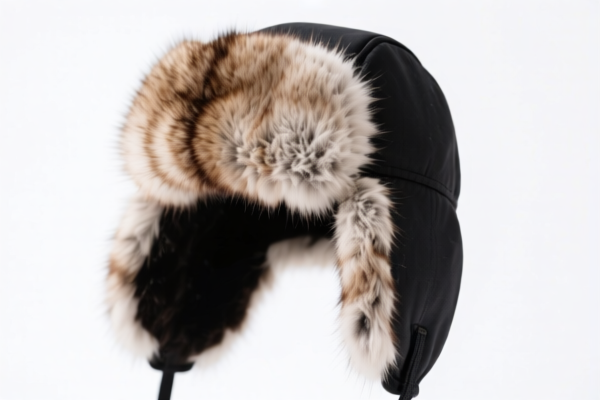
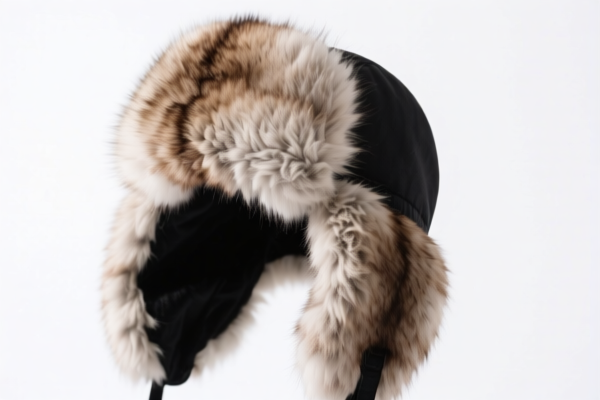

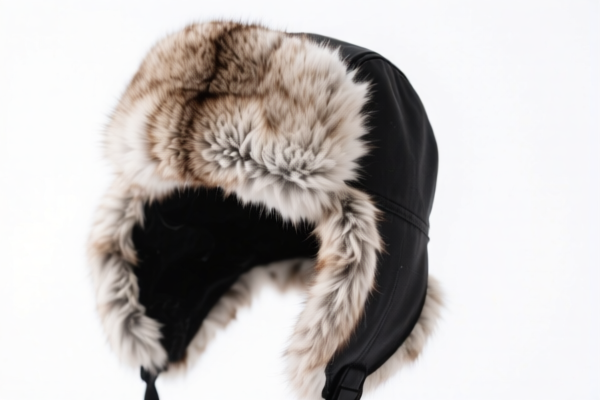
AI Analysis
🧣 Winter Riding Headgear & Face Protection | Comprehensive HS Code Classification & Duty Analysis
🌐 HS Code Reference & Customs Clearance Guide | 2026 Latest Tariff Breakdown | Professional Level Compliance Strategy
📌 I. Product Definition & Classification: What Exactly is "Winter Riding Headgear"?
"Winter Riding Headgear" is a broad category encompassing protective and thermal equipment for cyclists, motorcyclists, and e-bike riders in cold weather. In international trade, the classification depends heavily on primary function (safety vs. warmth) and material composition.
1. Sports Safety Helmets: Designed to protect the head from impact during accidents. - Materials: Typically Hard Plastic Shell (ABS/PC) + Inner Foam (EPS/PE). - Regulatory Focus: Must meet safety standards (e.g., CPSC, EN1078).
2. Thermal Headwear & Face Masks: Designed to retain body heat and protect against wind/cold. - Materials: Knitted wool, synthetic fibers, fleece, or soft plastic/silicone for face shields. - Regulatory Focus: Classified under textiles or general plastic articles.
⚠️ Critical Distinction: - If the item is primarily a hard-shell helmet for impact protection → It falls under Chapter 95 (Toys/Sporting Goods). - If the item is primarily soft headwear (beanie/cap) for warmth → It falls under Chapter 65 (Headgear). - If the item is a face mask for thermal protection → It falls under Chapter 62 (Apparel Accessories) or Chapter 39 (Plastic Articles).
📦 II. HS Code Classification Matrix (2026 Latest Tariff Authority)
Based on the provided data, here is the precise breakdown for "Winter Riding Headgear" components. Note that while "Winter" implies thermal materials, the primary purpose dictates the code.
| HS Code | Product Description | Primary Classification | Key Material/Feature | Total Tax Rate |
|---|---|---|---|---|
9506.91.00.30 |
Cycling Helmet (Safety Gear) | Sporting Equipment | Plastic/Foam Impact Protection | 22.1% |
6506.10.60.45 |
Cycling Helmet/Headwear (Non-Safety) | Headgear / Accessory | Non-safety head covering | 17.5% |
6506.10.30.45 |
Cycling Helmet (Composite) | Headgear | Reinforced/Laminated Plastic | 17.5% |
6217.10.85.00 |
Cycling Face Mask (Textile) | Apparel Accessory | Textile/Synthetic Fiber Fabric | 24.6% |
3926.90.99.89 |
Cycling Face Mask (Plastic) | Other Plastic Articles | Synthetic/Plastic Fiber Material | 22.8% |
🔍 Classification Logic: - Why
9506.91.00.30? This is for true sports safety helmets. Even if they have winter liners, the primary function is safety. The higher base tariff reflects the sporting goods category plus specific US duties. - Why6506.10.xxxx? If the helmet is primarily for thermal protection or general headwear rather than certified impact safety, it is classified under "Other Headgear." The base duty is often 0%, but trade wars add layers. - Why6217.10.85.00vs3926.90.99.89? This splits the face mask. - If it’s a fabric/balaclava → Textile Chapter (6217). - If it’s a plastic/silicone shield → Plastic Chapter (3926).
💰 III. 2026 Latest Tariff Rate Breakdown (Detailed Policy Analysis)
✅ Applicable Country: United States (US)
✅ Origin: China (CN)
✅ Effective Time: 2025–2026 (Current Trade War Context)
🎯 1. 9506.91.00.30 – Cycling Helmet (Sports Safety)
Total Tax: 22.1%
| Component | Rate | Source |
|---|---|---|
| Base Duty | 4.6% | Standard US MFN Rate for Sporting Goods |
| Section 301 (Trade War) | +7.5% | List 4B Tariffs |
| Section 122 (Steel/Aluminum/Copper) | +10% | Specific metal component tariffs (if applicable) |
| Section 232 (Steel/Aluminum/Copper) | +50% | Note: High penalty if metallic structural parts are detected |
| Total | 22.1% | Sum of above |
📌 Interpretation:
This is the most expensive classification for true safety helmets. The 50% surcharge is a warning: if your helmet is deemed to contain significant steel/aluminum parts (e.g., buckles, frames) not exempted, the cost skyrockets. Most modern plastic helmets avoid the 50% but still pay the 22.1% aggregate.
🎯 2. 6506.10.60.45 & 6506.10.30.45 – Headgear (Non-Safety/Thermal)
Total Tax: 17.5%
| Component | Rate | Source |
|---|---|---|
| Base Duty | 0.0% | Free entry for many headgear items |
| Section 301 (Trade War) | +7.5% | List 4B Tariffs |
| Section 122 | +10% | Specific policy surcharge |
| Total | 17.5% | Sum of above |
📌 Interpretation:
By classifying as "Headgear" rather than "Sports Equipment," you save the 4.6% base duty. However, you cannot avoid the Section 301 and Section 122 tariffs. This is a common strategy for "thermal bike caps" or non-certified helmets.
🎯 3. 6217.10.85.00 – Textile Face Mask
Total Tax: 24.6%
| Component | Rate | Source |
|---|---|---|
| Base Duty | 14.6% | High base rate for textile accessories |
| Section 301 | 0.0% | Often exempt or lower for specific textiles |
| Section 122 | +10% | Policy surcharge |
| Total | 24.6% | Sum of above |
📌 Interpretation:
Textiles have a high base tariff. However, you avoid the heavy Section 301 add-on. Still, 24.6% is significant. Ensure the product is genuinely textile (knitted/fleece) and not a plastic shield.
🎯 4. 3926.90.99.89 – Plastic Face Mask/Shield
Total Tax: 22.8%
| Component | Rate | Source |
|---|---|---|
| Base Duty | 5.3% | Standard for other plastic articles |
| Section 301 | +7.5% | List 4B Tariffs |
| Section 122 | +10% | Policy surcharge |
| Total | 22.8% | Sum of above |
📌 Interpretation:
If your "face mask" is a hard plastic visor or silicone shield, it falls here. The base duty is moderate, but the 22.8% total is competitive compared to textile masks.
🛠️ IV. Customs Clearance Practical Advice (Avoiding Pitfalls)
✅ 1. Documentation Checklist (Must-Haves)
| Document | Requirement | Why It Matters |
|---|---|---|
| Product Specification Sheet | ✔️ Essential | Must clearly state: "Cycling Helmet" vs. "Thermal Beanie" vs. "Face Mask." Material must be specified (e.g., "EPS Foam" vs. "Acrylic Wool"). |
| Commercial Invoice | ✔️ Essential | Description must match HS Code logic. E.g., Do NOT write "Plastic Mask" for 6217 (Textile). |
| Material Composition | ✔️ Critical | If >10% steel/aluminum, be prepared for potential 232 scrutiny. |
| Safety Certification | ✔️ For 9506 |
If claiming 9506.91.00.30, provide CPSC/EN1078 certs. Without them, Customs may reclassify to 6506 (lower base) or block entry. |
| Packing List | ✔️ Essential | Ensure helmets and masks are not mixed in a way that confuses the line-item declaration. |
✅ 2. Declaration Tips (Golden Rules)
🔥 “Function Defines Code, Material Defines Detail, Description Defines Risk!”
| Scenario | Correct Declaration | Risk of Error |
|---|---|---|
| Hard Shell Helmet with Liner | 9506.91.00.30 (Cycling Helmet) |
Declaring as "Headwear" (6506) to save tax is fraud if it’s safety gear. |
| Soft Bike Cap/Beanie | 6506.10.30.45 or 6506.10.60.45 |
Do NOT declare as "Helmet." Use terms like "Thermal Cycling Cap." |
| Fabric Balaclava | 6217.10.85.00 |
Ensure it’s not a "surgical mask" (different code) or "plastic shield." |
| Hard Visor/Shield | 3926.90.99.89 |
Declare as "Plastic Face Shield," not "Textile Mask." |
✅ 3. Special Considerations for "Winter" Gear
| Issue | Solution |
|---|---|
| Mixed Materials | If a helmet has steel buckles, the 50% Section 232 tariff might apply. Mitigation: Use plastic/nylon buckles. |
| Kit Packing | Selling Helmet + Mask as a "Gift Set"? Customs may classify based on essential character (the helmet). Declare separately if possible. |
| Origin Labeling | Ensure all items are clearly marked "Made in China" to avoid country-of-origin disputes. |
🌍 V. Global Market Comparison (2026 Context)
| Market | Recommended HS Code | Est. Duty (China Origin) | Key Requirement |
|---|---|---|---|
| 🇺🇸 USA | 9506.91.00.30 (Helmet) |
22.1% | CPSC Certification + IEEPA Tariffs |
| 🇪🇺 EU | 9506.91 (Helmet) |
~0-6.5% + VAT | CE EN1078 Marking |
| 🇨🇳 China | 9506.91 (Helmet) |
5-9% | CCC Certification (if applicable) |
| 🇬🇧 UK | 9506.91 (Helmet) |
~0-6.5% + VAT | UKCA Marking |
📌 Conclusion: - The USA is the most expensive market due to Section 301 (7.5%) and Section 122 (10%) overlays. - Europe has lower tariffs but strict CE Safety Standards. - Optimization: For thermal-only gear, use HS
6506to save the 4.6% base duty in the US. For safety helmets, the 22.1% is unavoidable if compliant.
📌 VI. Common Mistakes & Blood-Stained Lessons
❌ Mistake 1: Declaring a Safety Helmet as a "Winter Hat" (6506) to save 4.6%.
👉 Consequence: Customs audits reveal safety features (hard shell, EPS foam). Penalty + Back Taxes + Potential Fraud Charges.
❌ Mistake 2: Ignoring Steel Buckles on a helmet.
👉 Consequence: Triggering the 50% Section 232 tariff on the entire shipment because of minor metal components.
👉 Fix: Use all-plastic or nylon hardware.
❌ Mistake 3: Confusing Textile Masks with Plastic Shields.
👉 Consequence: Wrong HS Code (6217 vs 3926). Customs may reclassify, causing delays.
👉 Fix: Clearly label material: "100% Polyester Knit" vs. "TPU Plastic Shield."
🎯 VII. Conclusion: Precision Saves Money!
🎯 Key Takeaway:
🔹 Safety First, Code Second: If it protects you in a crash, it’s
9506(22.1%).
🔹 Warmth is Cheaper Duty: If it only keeps you warm, it’s6506(17.5%) or6217(24.6%).
🔹 Material Matters: Plastic buckles save you 50% tax. Textile masks are expensive; Plastic shields are moderate.
📌 Pro Tip:
For winter gear, consider splitting SKUs:
1. SKU A: Safety Helmet (9506.91.00.30) - 22.1%
2. SKU B: Thermal Liner/Visor (6506 or 3926) - 17.5%/22.8%
Do NOT bundle them in a way that forces the whole kit into the highest-tax category if not necessary.
📣 Immediate Action:
📞 Pre-Check Your Hardware: Replace steel buckles with plastic ones.
📦 Label Clearly: "Cycling Safety Helmet" vs. "Thermal Cycling Cap."
🚀 Apply for Advance Ruling: If unsure, submit a binding ruling request to US CBP to lock in the HS Code.
✨ Professional Customs Clearance Starts with Accurate Classification!
💼 Your Profit Margin Depends on Your HS Code Choice!
Customer Reviews
About HS Code Classification
The Harmonized System (HS) is an internationally standardized nomenclature developed by the World Customs Organization (WCO) to classify traded products. Over 200 countries use the HS system as the basis for customs tariffs, trade statistics, and import/export regulations.
Each HS code follows a hierarchical structure:
- Chapter (2 digits) — Broad category of goods (e.g., Chapter 84: Machinery and Mechanical Appliances)
- Heading (4 digits) — More specific grouping within the chapter
- Subheading (6 digits) — Internationally standardized breakdown, used by all WCO member countries
- National subdivisions (8-10 digits) — Country-specific extensions for further classification, such as US HTSUS 10-digit codes
Correct HS code classification is essential for smooth customs clearance, accurate duty payment, and compliance with trade regulations. Misclassification can lead to customs delays, overpayment of duties, or penalties.
When importing from CN to US, the applicable tariff rates may include:
- Most-Favored-Nation (MFN) rate — The standard duty rate applied to WTO members
- General rate — Applied to countries without trade agreements
- Trade remedy duties — Additional tariffs such as Section 301 (anti-dumping), Section 232 (national security), or countervailing duties
The information provided on this page is for reference purposes only. For official classification, please consult with your local customs authority or a licensed customs broker.