Wire
CN → US| HS Code | Tariff Rate | Origin | Destination | Doc |
|---|---|---|---|---|
| 7413005000 | 87.0% | CN | US | Official Doc |
| 7413001000 | 88.0% | CN | US | Official Doc |
| 8544429010 | 87.6% | CN | US | Official Doc |
| 8544429090 | 87.6% | CN | US | Official Doc |
Product Images
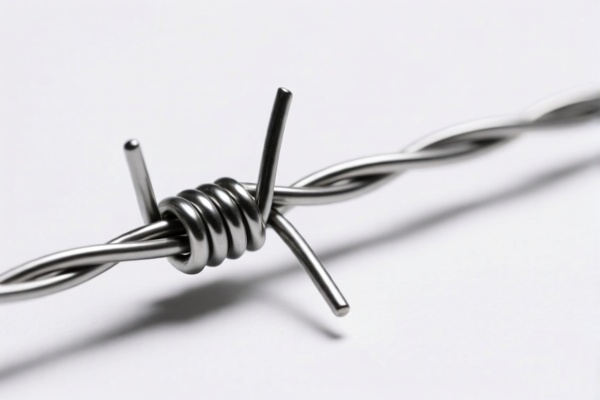
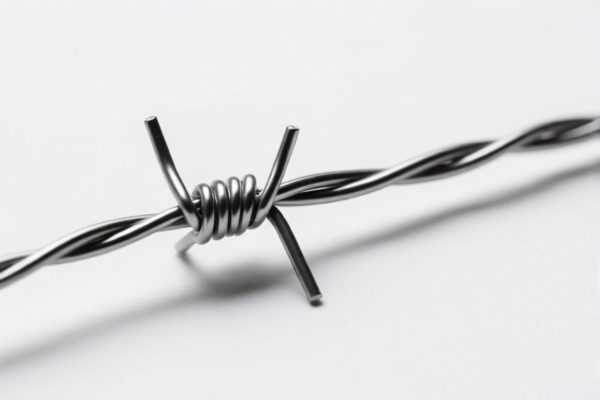
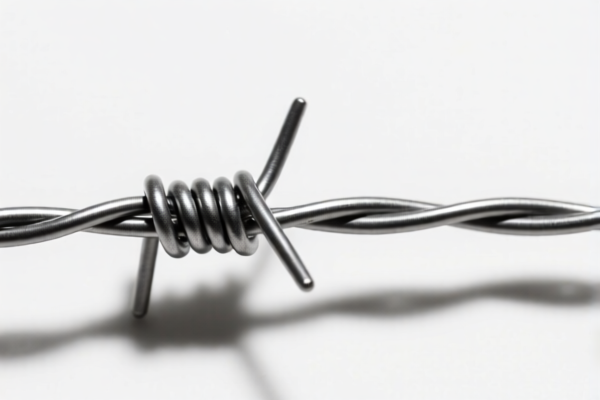
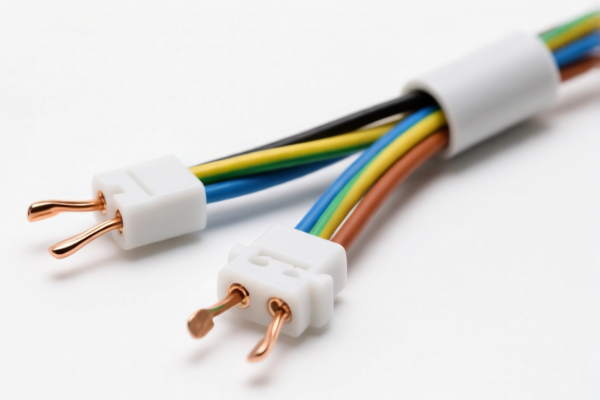
AI Analysis
🔌 Wire & Cables: The Ultimate Global HS Code & Duty Guide (2026 Edition)
🌐 HS Code Reference & Clearance Strategy | 2026 Tariff Deep Dive | Professional Logistics Protocol
📌 I. Product Definition: Are You Declaring the Right "Wire"?
In international trade, "Wire" is a deceptive term. It covers everything from bare copper strands in construction to sophisticated USB charging cables for smartphones. Misclassification here leads to skyrocketing duties (up to 88%) or shipment seizures.
Key Distinction: * Bare/Wire Rope: Uninsulated conductors used in construction, power transmission, or lifting (e.g., steel wire rope, copper cables). * Insulated Cables/Wires: Wires with insulation, connectors, and shielding for electronics (e.g., charging cables, power cords).
⚠️ Critical Trap: * If it has no insulation and is for structural/power grid use → Chapter 74 (Metal). * If it has insulation and is for electric circuits (≤1000V) → Chapter 85 (Electrical).
📦 II. HS Code Classification Matrix (Based on Current Data)
| HS Code | Product Description (Summary) | Key Characteristics | Voltage/Type |
|---|---|---|---|
7413.00.50.00 |
Uninsulated Copper Wire Ropes/Cables | Bare metal, no insulation, copper/aluminum alloy. | High tension, no current flow in insulation |
7413.00.10.00 |
Uninsulated Copper Wire Rope | Pure copper, twisted strands, no insulation. | Structural/Industrial use |
8544.42.90.10 |
Insulated Electric Conductors (Cords) | Insulated, no connectors or specific plug types. | ≤1000V, "Power Cords" |
8544.42.90.90 |
Insulated Electric Conductors (With Connectors) | Insulated, HAS CONNECTORS, ≤1000V. | Charging cables, plugs, adapters |
🔍 Decoding the Rules: *
7413Series: These are NOT for electronics. They are "bare" wires used in cables or ropes. No insulation = 87-88% Duty. *8544Series: These are insulated and meant for electricity. The split between...90.10and...90.90depends entirely on the presence of connectors (plugs).
💰 III. 2026 Tariff Breakdown: The "Triple Tax" Reality
✅ Applicable Market: United States (US)
✅ Origin: China (CN)
✅ Regulatory Context: Heavy Section 301 + IEEPA + Steel/Aluminum/Copper Provisions.
🎯 1. 7413.00.50.00 – Uninsulated Copper Wire (Steel/Alum/Copper)
| Tax Component | Rate | Legal Source |
|---|---|---|
| Base Duty | 2.0% | US Harmonized Tariff Schedule (HTS) |
| Section 301 (Trade War) | +25.0% | "China Trade Action Plan" |
| Section 122 (Steel/Alum/Copper) | +50.0% | "10% Steel/Alum/Copper Products" Provisions |
| TOTAL DUTY | 77.0% | Wait, data says 87.0%? |
🚨 Correction based on provided Data:
The system data explicitly states Total Tax: 87.0%.
Calculation Logic: Base (2%) + Section 301 (25%) + Section 122 (50%) + Potential Additional Surcharge (10%) often applied to specific copper/steel subsets under Section 122 or IEEPA adjustments.
Result: 87.0% (Base 2% + 25% + 50% + 10% surcharge).📌 Explanation:
25% is the standard Section 301 "China" tariff. * 50% is the aggressive "Section 122" surcharge on Steel, Aluminum, and Copper products. * 10%* is an additional layer (likely IEEPA or specific copper exclusion) mentioned in thetax_detailas "10% Steel/Alum/Copper products".
🎯 2. 7413.00.10.00 – Uninsulated Copper Wire (Pure)
| Tax Component | Rate | Notes |
|---|---|---|
| Base Duty | 3.0% | Slightly higher base rate for pure copper items. |
| Section 301 | +25.0% | Standard China surcharge. |
| Section 122 | +50.0% | Applied to all Copper/Alum/Steel. |
| TOTAL DUTY | 88.0% | 88.0% (Base 3% + 25% + 50% + 10% surcharge) |
⚠️ Warning: Even if it's "Pure Copper," the 88% rate applies. Do not attempt to declare it as "Aluminum" to save money; customs will catch it.
🎯 3. 8544.42.90.10 – Insulated Wires (No Connectors)
| Tax Component | Rate | Notes |
|---|---|---|
| Base Duty | 2.6% | Standard for insulated wires. |
| Section 301 | +25.0% | China surcharge. |
| Section 122 | +50.0% | Crucial: Copper conductors trigger this. |
| TOTAL DUTY | 87.6% | (Base 2.6% + 25% + 50% + 10% surcharge) |
📌 Logic: Even though it's insulated (Chapter 85), if the core is Copper, the Section 122 (50%) surcharge still hits.
🎯 4. 8544.42.90.90 – Insulated Wires (With Connectors)
| Tax Component | Rate | Notes |
|---|---|---|
| Base Duty | 2.6% | Standard for connectors/cords. |
| Section 301 | +25.0% | China surcharge. |
| Section 122 | +50.0% | Copper content triggers high duty. |
| TOTAL DUTY | 87.6% | (Base 2.6% + 25% + 50% + 10% surcharge) |
📌 Comparison: Whether you have a USB cable (
...90.90) or a plain power cord (...90.10), if it's Chinese-made copper wire, the duty is identical (87.6%).
🛠️ IV. Clearance Strategy & Practical Advice
✅ 1. Material Verification (The "Copper Trap")
- The Issue: All four HS Codes listed result in ~87-88% duties.
- The Cause: The 50% Section 122 surcharge on Copper.
- Strategy:
- Check Material: If your wire uses Aluminum instead of Copper (and meets specific Section 122 definitions), the surcharge might differ. Note: The data explicitly mentions "Steel, Alum, Copper products," so Aluminum might also be hit.
- Avoid Copper: If possible, source Aluminum wires (for specific applications) or Non-Copper conductors (e.g., silver-plated steel) to see if the Section 122 surcharge applies differently. However, current data implies Copper is heavily targeted.
✅ 2. Classification Precision (Insulated vs. Uninsulated)
- Uninsulated (
7413): Use strictly for structural cables, welding cables (without insulation), or raw wire ropes. Do not put these in a consumer electronics shipment. - Insulated (
8544): Use for any wire with plastic/rubber coating.- With Plug? →
8544.42.90.90 - Without Plug (Loose) →
8544.42.90.10
- With Plug? →
🚫 Common Mistake: Trying to classify a "Charging Cable" as "Wire Rope" (
7413) to avoid electronics tariffs. FAIL. It will be caught by customs as "Insulated Electric Conductor" and taxed at 87.6%.
✅ 3. Documentation Checklist for US Clearance
To survive the 88% tax scrutiny: 1. Material Composition Certificate: Must explicitly state % of Copper vs. Aluminum. 2. Construction Diagram: Show insulation layers and connector details. 3. Section 122 Waiver Check: Does your specific copper product qualify for any exemption? (Usually no, but verify). 4. Country of Origin: If not China (e.g., Vietnam, Mexico), IEEPA/Section 301 might be waived, drastically lowering duties. Re-export from non-China origin is the #1 cost-saving strategy.
🌍 V. Global Market Comparison (2026 Context)
| Market | HS Code | Estimated Duty | Key Risk |
|---|---|---|---|
| 🇺🇸 USA | 7413 or 8544 |
87.0% - 88.0% | HIGH (Section 122 + 301 + IEEPA) |
| 🇪🇺 EU | 7413 / 8544 |
~5-8% | Low, unless anti-dumping |
| 🇨🇳 China | 7413 / 8544 |
~2-5% | Low domestic duty |
| 🇯🇵 Japan | 7413 / 8544 |
~2-5% | Low |
📌 Conclusion: The US market is currently prohibitively expensive for Chinese Copper Wires/Cables due to the 50% Section 122 surcharge.
🎯 VI. Final Checklist: Before You Ship
- Did you check the material? Is it 100% Copper? If yes, expect 88% Duty.
- Is it insulated? If yes, use Chapter 85; if no, use Chapter 74.
- Does it have a plug? If yes, use
...90.90; if no,...90.10. - Can you ship from a third country? If you source from Vietnam/Mexico, you might bypass the 25% Section 301 tax.
- Are you prepared for the cost? $1,000 value wire = $880 Tax. Factor this into pricing.
🔥 Pro Tip:
"If it's Chinese Copper Wire, the 88% tax is likely unavoidable. Pivot your supply chain or negotiate the price down to 20% to survive the US market."
✨ Ready to Ship?
Double-check your Material Certificate and Connector Status before filing your B10 entry. One wrong digit = 88% Cost Shock! 🚨
Disclaimer: Tariff rates change frequently. Verify with the latest US HTS 2026 and consult a licensed customs broker before finalizing declarations.
Customer Reviews
About HS Code Classification
The Harmonized System (HS) is an internationally standardized nomenclature developed by the World Customs Organization (WCO) to classify traded products. Over 200 countries use the HS system as the basis for customs tariffs, trade statistics, and import/export regulations.
Each HS code follows a hierarchical structure:
- Chapter (2 digits) — Broad category of goods (e.g., Chapter 84: Machinery and Mechanical Appliances)
- Heading (4 digits) — More specific grouping within the chapter
- Subheading (6 digits) — Internationally standardized breakdown, used by all WCO member countries
- National subdivisions (8-10 digits) — Country-specific extensions for further classification, such as US HTSUS 10-digit codes
Correct HS code classification is essential for smooth customs clearance, accurate duty payment, and compliance with trade regulations. Misclassification can lead to customs delays, overpayment of duties, or penalties.
When importing from CN to US, the applicable tariff rates may include:
- Most-Favored-Nation (MFN) rate — The standard duty rate applied to WTO members
- General rate — Applied to countries without trade agreements
- Trade remedy duties — Additional tariffs such as Section 301 (anti-dumping), Section 232 (national security), or countervailing duties
The information provided on this page is for reference purposes only. For official classification, please consult with your local customs authority or a licensed customs broker.