Wire Clamping Kit
CN → US| HS Code | Tariff Rate | Origin | Destination | Doc |
|---|---|---|---|---|
| 8538908160 | 38.5% | CN | US | Official Doc |
| 7326200090 | 88.9% | CN | US | Official Doc |
| 7326908630 | 87.9% | CN | US | Official Doc |
| 3926908500 | 24.0% | CN | US | Official Doc |
| 3926909989 | 22.8% | CN | US | Official Doc |
Product Images
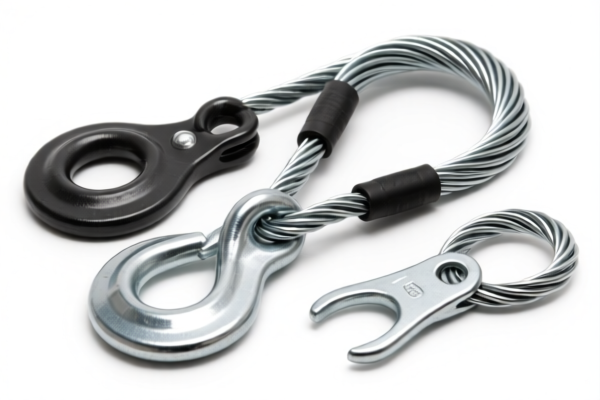
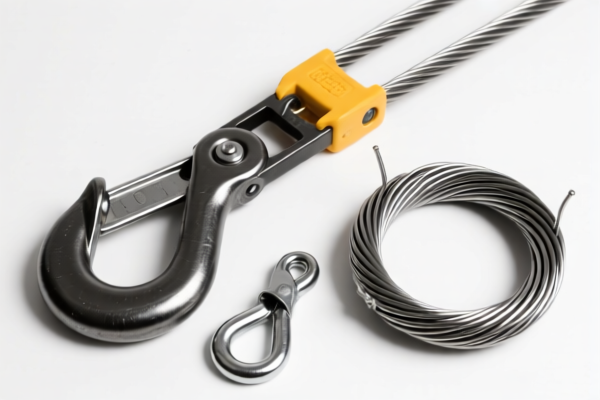
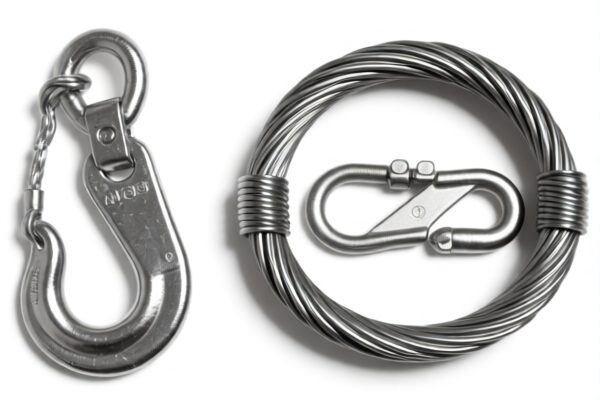
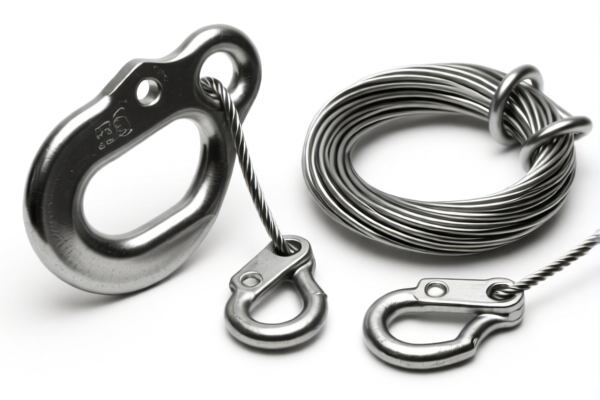
AI Analysis
🖲️ Wire Clamping Kit (电线夹紧套装)
🌐 HS Code Reference & Customs Clearance Guide | 2026 Latest Tariff Analysis | Professional Clearance Strategy
📌 I. Product Definition & Classification: Do You Truly Understand "Wire Clamping Kits"?
Wire Clamping Kits are essential hardware components used for securing, organizing, and supporting electrical wires and cables. In international trade, the classification of these kits hinges heavily on two factors: Material (Metal vs. Plastic) and Function/Origin (Part of machinery vs. Independent article).
Plastic Clamps: Often made of polyamide, PVC, or other polymers, categorized under plastics.
Metal Clamps: Typically made of steel, iron, or aluminum, categorized under metals.
Assembly Kits: If the kit contains both, it may be classified by the essential character or the primary component.
⚠️ Key Distinction:
- If primarily Plastic → Likely falls under Chapter 39 (Plastics).
- If primarily Metal (Steel/Iron) → Likely falls under Chapter 73 (Articles of Iron/Steel).
- If considered a Part of Machinery → Might fall under Chapter 85 (Electrical Machinery Parts).
📦 II. HS Code Classification Details (2026 Latest Tariff Authority Comparison)
Based on the provided data analysis for "Wire Clamping Kit," here are the five potential classifications, ranging from low-tax plastic options to high-tax metal options.
| HS Code | Product Description | Material/Function Logic | Applicability |
|---|---|---|---|
8538.90.81.60 |
Parts suitable for use solely or principally with the apparatus of heading 8535, 8536, or 8537 | Inferenced as "Other parts" for electrical apparatus. No material conflict identified. | Low Tax Option |
7326.20.00.90 |
Other articles of iron or steel (Non-conveyor belts, non-hangers) | Material inferred as Metal (Iron/Steel); Form fits "Other wire/steel articles" (parts/components). | High Tax Option |
7326.90.86.30 |
Other articles of iron or steel (Support/fixing tools) | Function: Clamping/Supporting wires (similar to pipe supports); Material: Metal (Iron/Steel). | High Tax Option |
3926.90.85.00 |
Other articles of plastics (Clamping fasteners for mechanical fixing devices) | Function: Clamping/Fixing; Material: Plastic/Composite materials commonly used for wire clips. | Low Tax Option |
3926.90.99.89 |
Other articles of plastics (Parts/Accessories, not excluding cables/conduits) | Material: Plastic; Form: Component/Accessory under "Other" catch-all. No material/conflict issues. | Lowest Tax Option |
🔍 Key Reminder:
- The Tax Rate Variance is Huge: From 22.8% to 88.9%. - Plastic classifications (3926...) are significantly cheaper than Metal classifications (7326...). - Electrical Parts (8538...) offer a middle ground with lower total taxes than steel but higher than plastic.
💰 III. 2026 Latest Tariff Rate Breakdown (Including Surcharges & Policy Add-ons)
✅ Applicable Country: United States (US)
✅ Country of Origin: China (CN)
✅ Effective Date: Post-November 2025 (Including subsequent imports)
🎯 1. 8538.90.81.60 —— Parts for Electrical Apparatus
| Item | Content |
|---|---|
| Base Duty Rate | 3.5% |
| Section 301 Surcharge | +25.0% |
| 122 Clause Tariff | +10.0% |
| Total Tax Rate | 38.5% |
| Calculation Method | CIF Value × 38.5% |
| De Minimis Exemption? | ❌ No (Not eligible) |
| Legal Basis Path | Base Tariff → USITC Footnote 301 → IEEPA 122 Clause |
📌 Explanation:
- Classified as "Other parts" for electrical machinery. - Total 38.5% is moderate compared to steel products. - Suitable if the clamps are deemed integral to electrical equipment installation.
🎯 2. 7326.20.00.90 —— Other Articles of Iron or Steel (Wire/Steel Products)
| Item | Content |
|---|---|
| Base Duty Rate | 3.9% |
| Section 301 Surcharge | +25.0% |
| 122 Clause Tariff | +10.0% |
| Steel/Aluminum/Copper Surcharge | +50.0% (Specific penalty for steel products) |
| Total Tax Rate | 88.9% |
| Calculation Method | CIF Value × 88.9% |
| De Minimis Exemption? | ❌ No |
| Legal Basis Path | Base Tariff → USITC 301 → IEEPA 122 → Steel Penalty (50%) |
📌 Critical Warning:
- This classification attracts a massive 50% surcharge specifically for steel products under certain trade measures. - Total 88.9% is extremely high. Only use if the product is unequivocally steel and cannot be classified elsewhere.
🎯 3. 7326.90.86.30 —— Other Articles of Iron or Steel (Support/Fixing Tools)
| Item | Content |
|---|---|
| Base Duty Rate | 2.9% |
| Section 301 Surcharge | +25.0% |
| 122 Clause Tariff | +10.0% |
| Steel/Aluminum/Copper Surcharge | +50.0% (Specific penalty for steel products) |
| Total Tax Rate | 87.9% |
| Calculation Method | CIF Value × 87.9% |
| De Minimis Exemption? | ❌ No |
| Legal Basis Path | Base Tariff → USITC 301 → IEEPA 122 → Steel Penalty (50%) |
📌 Note:
- Similar to above, this is a high-tax category due to the 50% steel surcharge. - Logic: Functions as a "support/fixing tool" (like pipe supports). - Avoid this classification if plastic or electrical part classifications are viable.
🎯 4. 3926.90.85.00 —— Other Articles of Plastics (Clamping Fasteners)
| Item | Content |
|---|---|
| Base Duty Rate | 6.5% |
| Section 301 Surcharge | +7.5% |
| 122 Clause Tariff | +10.0% |
| Total Tax Rate | 24.0% |
| Calculation Method | CIF Value × 24.0% |
| De Minimis Exemption? | ❌ No |
| Legal Basis Path | Base Tariff → USITC 301 (7.5%) → IEEPA 122 Clause |
📌 Advantage:
- Significantly lower tax than steel options. - Applicable if the clamps are made of plastic or composite materials. - Function: "Clamping fasteners for mechanical fixing devices."
🎯 5. 3926.90.99.89 —— Other Articles of Plastics (Catch-all Parts/Accessories)
| Item | Content |
|---|---|
| Base Duty Rate | 5.3% |
| Section 301 Surcharge | +7.5% |
| 122 Clause Tariff | +10.0% |
| Total Tax Rate | 22.8% |
| Calculation Method | CIF Value × 22.8% |
| De Minimis Exemption? | ❌ No |
| Legal Basis Path | Base Tariff → USITC 301 (7.5%) → IEEPA 122 Clause |
📌 Best Price Option:
- Lowest Tax Rate (22.8%) among all provided options. - Applicable if the product is plastic and does not fit more specific plastic sub-headings. - "Other" catch-all for parts/accessories without material conflict.
🛠️ IV. Customs Clearance Practical Advice (Real-World Pitfall Avoidance Guide)
✅ 1. Material Declaration is Critical (The Deciding Factor)
| Material | Recommended HS Code Range | Estimated Tax | Risk Level |
|---|---|---|---|
| Plastic / Composite | 3926.90.85.00 / 3926.90.99.89 |
22.8% – 24.0% | ✅ Low Tax |
| Steel / Iron | 7326.20.00.90 / 7326.90.86.30 |
87.9% – 88.9% | ❌ Extremely High Tax |
| Mixed / Unclear | 8538.90.81.60 |
38.5% | ⚠️ Moderate Risk |
📌 Advice:
- If your product is primarily plastic, declare it as Plastic Articles (Chapter 39) to save ~65% in taxes compared to steel. - If it is metal, be prepared for the 50% Steel Surcharge. Consider if it can be argued as a "part of electrical apparatus" (8538) to reduce tax to 38.5%.
✅ 2. Declaration Tips (Key Mantras)
🔥 "Material First, Function Second, Name Precise, Tax Saves Hundreds!"
| Scenario | Correct Declaration | Incorrect Practice |
|---|---|---|
| Plastic Wire Clips | "Plastic Wire Clamping Kit, Nylon/PVC, for Cable Management" | Vague: "Wire Holder" → May be questioned |
| Metal Cable Ties/Clamps | "Steel Wire Clamping Kit, for Electrical Support" | Hidden: "Hardware" → Leads to 88.9% |
| Mixed Kit (Plastic + Metal) | Declare based on Essential Character (usually the bulk/major component) | Split Declaration → High risk of audit |
| Parts of Electrical Gear | "Parts for Electrical Apparatus, Wire Clamping Kit" | Wrong: "Plastic Parts" if predominantly steel |
✅ 3. Special Situation Handling
| Situation | Handling Suggestion |
|---|---|
| OEM/Custom Colors | Provide design specs + material composition report. Avoid generic "Plastic" if specific polymer (e.g., Polyamide) is used for better accuracy. |
| Kit Contains Multiple Items | If it's a "Kit," declare based on the principal item. If 80% plastic, classify as plastic. |
| Pre-assembled vs. Loose | Pre-assembled kits are often treated as single functional units. |
| Certifications | Provide RoHS/REACH reports for plastics. Provide Mill Certificates for steel to prove material origin. |
🌍 V. Global Market Customs Clearance Comparison (2026 Latest)
| Country/Region | Recommended HS Code | Tariff (China Origin) | Certification Requirements | Notes |
|---|---|---|---|---|
| 🇺🇸 USA | 3926.90.99.89 (Plastic) |
22.8% | RoHS, REACH | 88.9% if classified as Steel (7326). Huge savings if plastic. |
| 🇺🇸 USA | 8538.90.81.60 (Parts) |
38.5% | UL, ETL (if applicable) | Middle ground for electrical parts. |
| 🇨🇳 China | 3926.90.99.89 |
5% - 7% | CCC (if applicable) | No Section 301 or IEEPA surcharges. |
| 🇪🇺 EU | 3926.90.99 |
4.5% | CE, REACH | No 301/122 clauses. Lower burden than US. |
| 🇯🇵 Japan | 3926.90.90 |
3.0% | PSE (if electrical) | Generally low duties for plastic accessories. |
📌 Conclusion:
- USA is the critical market for tariff optimization.
- Plastic classification saves ~65% tax compared to steel classification.
- Material proof is the key to lowering tariffs in the US.
📌 VI. Common Mistakes & Pitfall Avoidance (Blood Lessons)
❌ Mistake 1: Declaring Plastic Clamps as Steel
👉 Consequence: Tax jumps from 22.8% to 88.9% → Overpayment by $66,100 per $100k shipment!
❌ Mistake 2: Declaring Steel Clamps as Plastic (False Declaration)
👉 Consequence: Customs audit → Confiscation, Fines, and Blacklisting!
❌ Mistake 3: Using "Hardware" as a generic description for Steel Clamps
👉 Consequence: Customs assigns 7326.90 → 87.9% Tax → Unexpected costs.
❌ Mistake 4: Ignoring the 122 Clause (10%)
👉 Consequence: Even for low-tax items, forgetting the 122 clause leads to underpayment and penalties.
✅ Correct Approach:
"Wire Clamping Kit, 100% Polyamide (Nylon) 6.6, UV Resistant, for Electrical Cable Management, HS Code 3926.90.99.89"
🎯 VII. Conclusion: Professional Classification Saves Money!
🎯 Remember the Mantra:
🔹 "Plastic is Cheap, Steel is Expensive (88.9%), Parts are Middle (38.5%)."
🔹 "Material Determines Fate, Declaration Determines Cost."
📌 Pro Tip:
- If your wire clamps are Plastic, always use 3926.90.99.89 (22.8%) or 3926.90.85.00 (24.0%).
- If they are Steel, try to argue for 8538.90.81.60 (38.5%) as "Parts of Electrical Apparatus" rather than "Steel Articles" (88.9%).
- Always provide Material Safety Data Sheets (MSDS) and Composition Reports to Customs to support your HS Code choice.
📣 Immediate Action:
📞 Contact your customs broker + Provide Material Composition Proof + Apply for Pre-Ruling if volume is high.
🚀 Let your Wire Clamping Kit, Clear Quickly, Enter Efficiently, Profit Doubled!
✨ Professional Customs Clearance, Starting from Accurate Classification!
💼 Every Cent of Your Cost, Deserves Precise Calculation!
Customer Reviews
About HS Code Classification
The Harmonized System (HS) is an internationally standardized nomenclature developed by the World Customs Organization (WCO) to classify traded products. Over 200 countries use the HS system as the basis for customs tariffs, trade statistics, and import/export regulations.
Each HS code follows a hierarchical structure:
- Chapter (2 digits) — Broad category of goods (e.g., Chapter 84: Machinery and Mechanical Appliances)
- Heading (4 digits) — More specific grouping within the chapter
- Subheading (6 digits) — Internationally standardized breakdown, used by all WCO member countries
- National subdivisions (8-10 digits) — Country-specific extensions for further classification, such as US HTSUS 10-digit codes
Correct HS code classification is essential for smooth customs clearance, accurate duty payment, and compliance with trade regulations. Misclassification can lead to customs delays, overpayment of duties, or penalties.
When importing from CN to US, the applicable tariff rates may include:
- Most-Favored-Nation (MFN) rate — The standard duty rate applied to WTO members
- General rate — Applied to countries without trade agreements
- Trade remedy duties — Additional tariffs such as Section 301 (anti-dumping), Section 232 (national security), or countervailing duties
The information provided on this page is for reference purposes only. For official classification, please consult with your local customs authority or a licensed customs broker.