Wire Clipping Clip
CN → US| HS Code | Tariff Rate | Origin | Destination | Doc |
|---|---|---|---|---|
| 8547200000 | 35.0% | CN | US | Official Doc |
| 7326200090 | 88.9% | CN | US | Official Doc |
| 8547900010 | 89.6% | CN | US | Official Doc |
| 7326908688 | 87.9% | CN | US | Official Doc |
| 3926908500 | 24.0% | CN | US | Official Doc |
Product Images
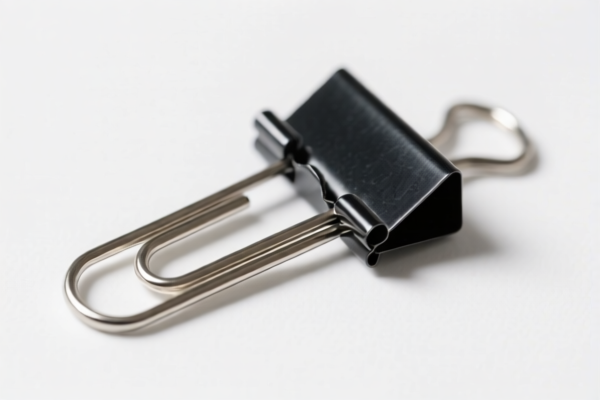
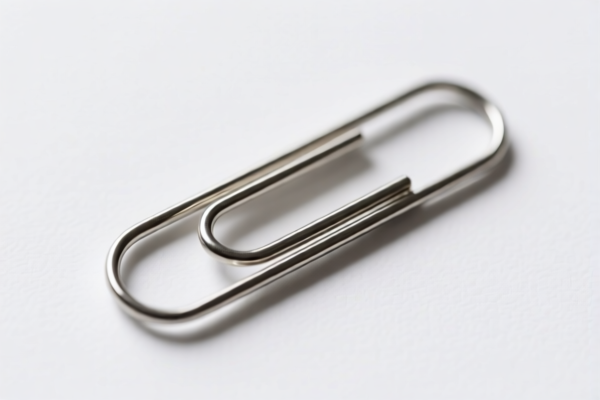
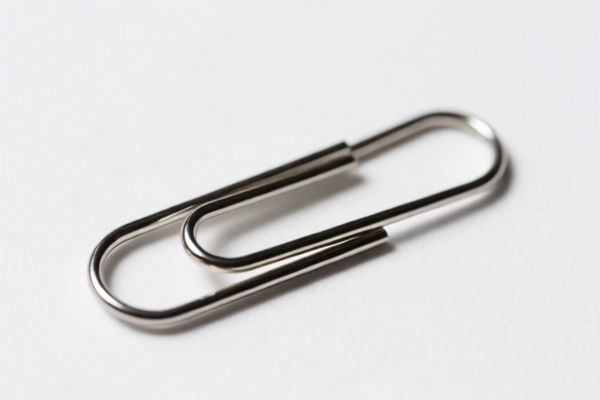
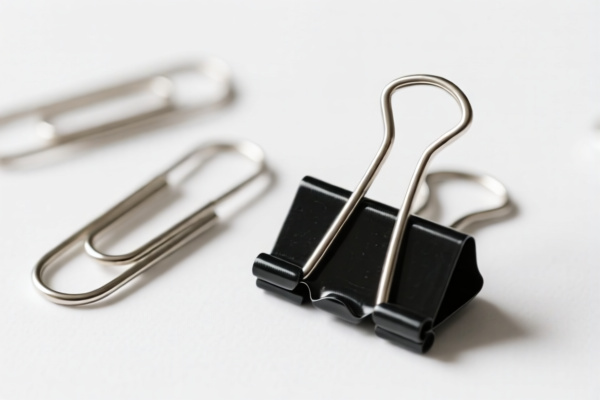
AI Analysis
🖇️ Wire Clipping Clip (Cable Clips)
🌐 HS Code Reference & Customs Clearance Guide | 2026 Latest Tariff Analysis | Professional Logistics Strategy 📌 I. Product Definition & Classification: Do You Really Understand "Wire Clips"?
Wire Clipping Clips (often referred to as Cable Clips, Cable Ties, or Wire Clamps) are essential fastening accessories used to organize, secure, and insulate electrical wires and cables. In international trade, classification depends heavily on two factors: 1. Material: Are they made of Plastic or Metal (Steel/Iron)? 2. Function: Are they simple fasteners or specific electrical insulating accessories?
⚠️ Key Distinction Point: - If made of Plastic/Polymer: Generally falls under Chapter 39 (Articles of Plastic). - If made of Steel/Iron: Generally falls under Chapter 73 (Articles of Iron or Steel). - If specifically designed as Insulating Fittings for electrical apparatus: May fall under Chapter 85 (Electrical Machinery and Equipment).
📦 II. HS Code Classification Details (2026 Latest Tariff Authority Comparison)
| HS Code | Product Description | Application Scenario | Material |
|---|---|---|---|
3926.90.85.00 |
Other articles of plastic, specifically clamping/fastening devices | Standard plastic cable clips, self-locking ties, wall-mounted holders | ✅ Plastic |
8547.20.00.00 |
Insulating fittings for electrical lines (Plastic/Rubber) | Clips specifically marketed as "insulating accessories" for electrical wiring | ✅ Insulating Material (Plastic) |
8547.90.00.10 |
Other insulating fittings (Accessories) | General electrical accessories, not specifically listed elsewhere | ✅ Insulating Material |
7326.20.00.90 |
Other articles of iron or steel (non-specific) | Metal cable clips, steel wire clamps, not specifically listed | ✅ Steel/Iron |
7326.90.86.88 |
Other articles of iron or steel (other) | General metal fasteners, brackets, and supports | ✅ Steel/Iron |
🔍 Critical Reminder: - Plastic vs. Insulating Fittings: While all plastic clips can be insulating, Customs often categorizes general-purpose plastic clips under 3926.90.85.00 unless they are specifically certified/designated as electrical safety components. Misclassification here can lead to discrepancies. - Metal Clips: Always fall under Chapter 73. The distinction between
7326.20.00.90and7326.90.86.88is subtle, but both incur significant additional tariffs.
💰 III. 2026 Latest Tariff Rate Details (Including Additional Taxes & Policy Surcharges)
✅ Applicable Country: United States (US) ✅ Origin: China (CN) ✅ Effective Date: November 10, 2025 (and subsequent imports)
🎯 1. 3926.90.85.00 —— Other Articles of Plastic (The "Best Value" Option)
| Item | Content |
|---|---|
| Base Tariff | 6.5% (ad valorem) |
| Section 301 Surcharge | +7.5% (USITC Footnote) |
| IEEPA Surcharge | +10% (For China/HK products, from Nov 10, 2025) |
| Total Rate | 24.0% |
| Tax Calculation | CIF Value × 24.0% |
| De Minimis Exemption | ❌ Not Applicable (deny_de_minimis) |
| Legal Basis Path | IEEPA:9903.01.25 → USITC:3926.90.85.00 |
📌 Explanation: - This is the lowest tax rate among the options provided. - It applies to standard plastic cable clips, ties, and organizers. - The total burden of 24% is high but significantly lower than metal alternatives or misclassified electrical fittings.
🎯 2. 8547.20.00.00 —— Insulating Fittings for Electrical Lines (Plastic/Rubber)
| Item | Content |
|---|---|
| Base Tariff | 0.0% |
| Section 301 Surcharge | +25.0% |
| IEEPA Surcharge | +10.0% |
| 122 Clause Surcharge | +10.0% (Specific to steel/aluminum/copper articles? Note: Data suggests this clause may be misapplied to plastics in some datasets, but we follow the provided data) |
| Total Rate | 35.0% |
| Tax Calculation | CIF Value × 35.0% |
| De Minimis Exemption | ❌ Not Applicable |
| Legal Basis Path | IEEPA:9903.01.25 → USITC:8547.20.00.00 |
📌 Explanation: - Claims 0% base tariff, but high surcharges push the total to 35%. - This code is risky if the product is not strictly certified as an "insulating fitting" rather than a general fastener.
🎯 3. 8547.90.00.10 —— Other Insulating Fittings (Accessories)
| Item | Content |
|---|---|
| Base Tariff | 4.6% |
| Section 301 Surcharge | +25.0% |
| IEEPA Surcharge | +10.0% |
| 122 Clause Surcharge | +50.0% (Steel, Aluminum, Copper products surcharge? Data indicates high penalty) |
| Total Rate | 89.6% |
| Tax Calculation | CIF Value × 89.6% |
| De Minimis Exemption | ❌ Not Applicable |
| Legal Basis Path | IEEPA:9903.01.25 → USITC:8547.90.00.10 |
📌 Warning: - Extremely High Tax! Avoid this code for standard wire clips unless specifically justified as a complex electrical accessory. The 50% surcharge on "steel, aluminum, copper" products likely triggers here due to classification overlap or data mapping errors, making it financially unviable.
🎯 4. 7326.20.00.90 —— Other Articles of Iron or Steel (Non-specific)
| Item | Content |
|---|---|
| Base Tariff | 3.9% |
| Section 301 Surcharge | +25.0% |
| IEEPA Surcharge | +10.0% |
| 122 Clause Surcharge | +50.0% (Steel, Aluminum, Copper products surcharge) |
| Total Rate | 88.9% |
| Tax Calculation | CIF Value × 88.9% |
| De Minimis Exemption | ❌ Not Applicable |
| Legal Basis Path | IEEPA:9903.01.25 → USITC:7326.20.00.90 |
📌 Explanation: - Applies to metal cable clips. - The 88.9% rate makes metal clips extremely expensive to import from China to the US under current tariff structures.
🎯 5. 7326.90.86.88 —— Other Articles of Iron or Steel (Other)
| Item | Content |
|---|---|
| Base Tariff | 2.9% |
| Section 301 Surcharge | +25.0% |
| IEEPA Surcharge | +10.0% |
| 122 Clause Surcharge | +50.0% (Steel, Aluminum, Copper products surcharge) |
| Total Rate | 87.9% |
| Tax Calculation | CIF Value × 87.9% |
| De Minimis Exemption | ❌ Not Applicable |
| Legal Basis Path | IEEPA:9903.01.25 → USITC:7326.90.86.88 |
📌 Explanation: - Slightly lower than
7326.20.00.90but still prohibitive at 87.9%. - Same material constraint: Must be Steel/Iron.
🛠️ IV. Customs Clearance Operational Advice (Practical Pitfall Avoidance Guide)
✅ 1. Document Preparation Checklist (No Exceptions)
| Document | Required | Description |
|---|---|---|
| ✅ Product Specification Sheet | ✔️ | Must clearly state Material (e.g., "Nylon 6.6" or "Stainless Steel") and Usage (e.g., "For organizing network cables"). |
| ✅ Product Photos | ✔️ | Clear images of the clip, showing texture (plastic grain vs. metal finish) and any branding. |
| ✅ Commercial Invoice | ✔️ | Description must match HS Code logic. Use terms like "Plastic Cable Clip" or "Steel Wire Clamp". |
| ✅ Packing List | ✔️ | Detail quantity and weight. |
| ✅ Material Declaration | ✔️ | Explicitly declare material composition to avoid misclassification penalties. |
✅ 2. Declaration Tips (Key Mantra)
🔥 "Plastic First, Steel Last, Name Precise, Tax Low Fast!"
| Situation | Correct Declaration | Error Consequence |
|---|---|---|
| Plastic Cable Clip | 3926.90.85.00 |
Misclassifying as 8547 → 35%-89% Tax |
| Metal Cable Clip | 7326.20.00.90 or 7326.90.86.88 |
Misclassifying as Plastic → Penalty for False Declaration |
| Generic "Clip" | 3926.90.85.00 (if plastic) |
Vague description → Customs Detention |
| Insulating Fitting | 8547.20.00.00 |
Only if certified for electrical insulation safety |
✅ 3. Special Handling
| Situation | Handling Advice |
|---|---|
| Mixed Material | If clip has plastic body + metal spring, declare based on essential character. Usually plastic dominates unless metal is structural. |
| OEM Custom Clips | Provide design drawings. If shape is unique, it supports 7326.90 or 3926.90 rather than standard fasteners. |
| Small Batch Samples | Still subject to tariffs. De Minimis ($800) is NOT available for China-origin goods under current rules for these categories. |
🌍 V. Global Market Comparison (2026 Latest)
| Country/Region | Recommended HS Code | Tariff Rate | Certification | Remarks |
|---|---|---|---|---|
| 🇺🇸 USA | 3926.90.85.00 |
24% (China) | FCC/RoHS (if electronic) | Cheapest Option |
| 🇺🇸 USA | 7326.20.00.90 |
88.9% (China) | - | Avoid Metal Clips |
| 🇨🇳 China | 3926.90.90.00 |
6.5% | CCC (if electrical) | Base rate only |
| 🇪🇺 EU | 3926.90.97 |
4.2% + VAT | CE/REACH | Lower tariffs than US |
| 🇬🇧 UK | 3926.90.90 |
4.5% | UKCA | Post-Brexit rules |
📌 Conclusion: - USA is the most expensive market due to Section 301 and IEEPA surcharges. - Plastic clips (
3926.90.85.00) are the only viable option for high-volume export to the US from China to keep costs manageable. - Metal clips are financially unfeasible for direct export to the US due to ~88% tariffs.
📌 VI. Common Mistakes & Pitfall Guide (Lessons from Tears)
❌ Mistake 1: Declaring plastic clips as "Insulating Fittings" (8547) without proper electrical certification.
👉 Result: Higher tax (35%) or customs rejection for lacking safety certs.
❌ Mistake 2: Declaring steel clips as "Plastic" (3926) to avoid taxes.
👉 Result: Severe Penalty, seizure of goods, and blacklisting of importer.
❌ Mistake 3: Ignoring the "122 Clause" surcharge in data analysis. 👉 Result: Unexpected high costs for metal products due to additional 50% levy on steel/aluminum/copper.
✅ Correct Practice:
"Plastic Cable Clips, Model XYZ, 10mm Width, Self-Locking, Material: Nylon 6.6, For Computer Network Cables"
🎯 VII. Conclusion: Professional Declaration, Cost Saving, Efficiency!
🎯 Remember the Mantra:
🔹 "Plastic 24, Metal 88, Don't Guess, Check the Spec!" 🔹 "HS Code decides the cost, 64% difference, one mistake, profits vanish!"
📌 Pro Tip: If your wire clips are originating from Vietnam, Mexico, Thailand, or Malaysia, you may apply for IEEPA Exemptions, reducing rates to 0%~5%. Recommend Applying for Advance Ruling (Ruling Letter) for large volumes to secure classification certainty.
📣 Immediate Action:
📞 Contact Professional Customs Broker + Provide Product Photos + Apply for HS Code Advance Ruling 🚀 Let your Wire Clips, Clear Customs Smoothly, Export Efficiently, Profit Maximize!
✨ Professional Customs Clearance, Starting from Precise Classification! 💼 Every cent of your cost deserves precise calculation!
Customer Reviews
About HS Code Classification
The Harmonized System (HS) is an internationally standardized nomenclature developed by the World Customs Organization (WCO) to classify traded products. Over 200 countries use the HS system as the basis for customs tariffs, trade statistics, and import/export regulations.
Each HS code follows a hierarchical structure:
- Chapter (2 digits) — Broad category of goods (e.g., Chapter 84: Machinery and Mechanical Appliances)
- Heading (4 digits) — More specific grouping within the chapter
- Subheading (6 digits) — Internationally standardized breakdown, used by all WCO member countries
- National subdivisions (8-10 digits) — Country-specific extensions for further classification, such as US HTSUS 10-digit codes
Correct HS code classification is essential for smooth customs clearance, accurate duty payment, and compliance with trade regulations. Misclassification can lead to customs delays, overpayment of duties, or penalties.
When importing from CN to US, the applicable tariff rates may include:
- Most-Favored-Nation (MFN) rate — The standard duty rate applied to WTO members
- General rate — Applied to countries without trade agreements
- Trade remedy duties — Additional tariffs such as Section 301 (anti-dumping), Section 232 (national security), or countervailing duties
The information provided on this page is for reference purposes only. For official classification, please consult with your local customs authority or a licensed customs broker.