Wire Cutters
CN → US| HS Code | Tariff Rate | Origin | Destination | Doc |
|---|---|---|---|---|
| 8203206030 | 0.0% | CN | US | Official Doc |
| 8203406000 | 38.3% | CN | US | Official Doc |
| 8467195090 | 35.0% | CN | US | Official Doc |
| 8467891000 | 17.5% | CN | US | Official Doc |
Product Images
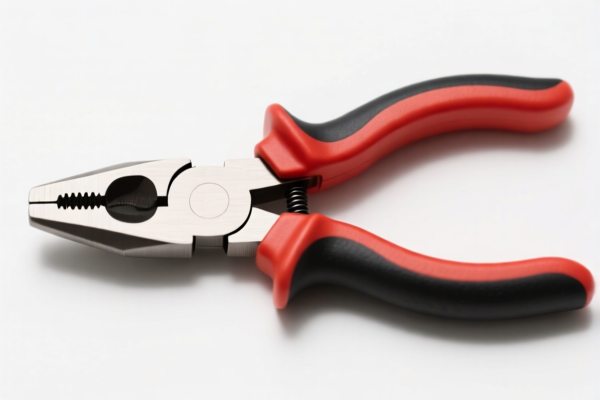
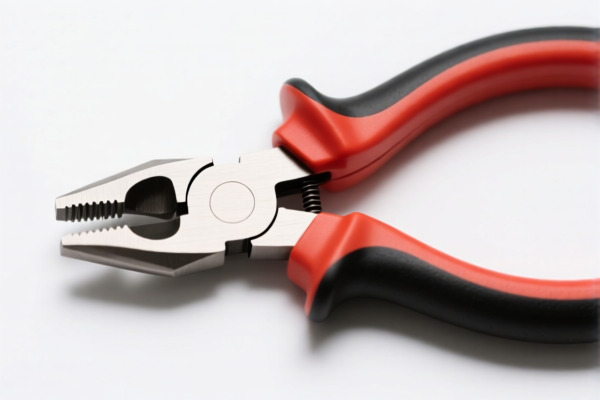
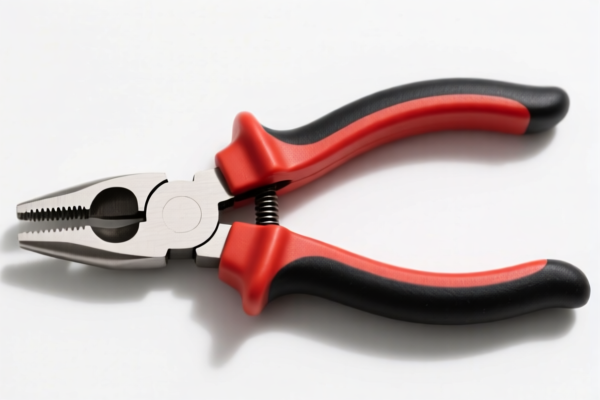
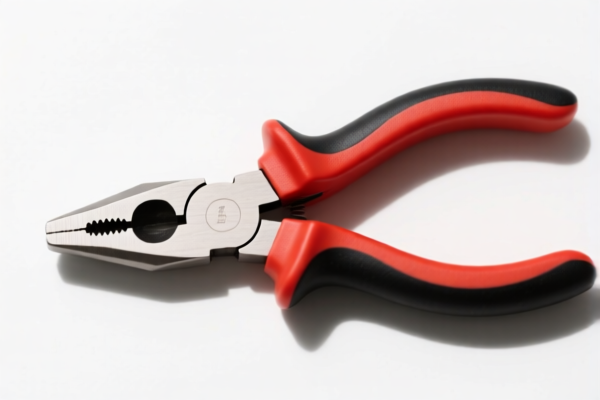
AI Analysis
✂️ Wire Cutters & Hand Tools for Metal Cutting
🌐 HS Code Reference & Customs Clearance Guide | 2026 Latest Tariff Analysis | Professional Clearance Strategy
📌 I. Product Definition & Classification: Do You Really Know "Wire Cutters"?
Wire cutters are indispensable hand tools used for shearing metal wires, cables, and small metal sections. In international trade, they are generally categorized under Chapter 82 (Base Metal Tools) or Chapter 84 (Power Tools), depending on whether they are manual or powered.
Manual Wire Cutters/Shears: Hand-held pliers with cutting edges, often referred to as "cutting pliers" or "bolt cutters" depending on size and mechanism.
Power Tools: Pneumatic or electric tools designed for cutting metal, including wire.
⚠️ Key Distinction Point:
- If the tool is hand-operated (manual pliers/shears) → Classified under HS 8203.
- If the tool is pneumatic or electric (powered) → Classified under HS 8467.
- Misclassification Risk: Declaring a powered cutter as a manual tool to avoid higher tariffs is a major compliance violation.
📦 II. HS Code Classification Details (2026 Latest Tariff Authority Comparison)
Based on the provided data, here are the relevant HS Codes and their specific applications:
| HS Code | Product Description | Application Scenario | Type of Tool |
|---|---|---|---|
8203.20.60.30 |
Pliers (including cutting pliers), pincers, tweezers, and similar tools, and parts thereof: Other: Other (except parts) Pliers | Manual wire cutters, side-cutting pliers, diagonal cutters, needle-nose pliers with cutting edges | ✅ Manual |
8203.40.60.00 |
Pipe cutters, bolt cutters, perforating punches and similar tools, and parts thereof: Other (including parts) | Large manual bolt cutters, heavy-duty pipe cutters, manual perforating tools | ✅ Manual |
8467.19.50.90 |
Tools for working in the hand, pneumatic, hydraulic or with self-contained electric or nonelectric motor: Pneumatic: Other: Other Other | Pneumatic wire cutting shears, air-powered nippers, pneumatic metal cutting tools | ✅ Powered (Pneumatic) |
8467.89.10.00 |
Tools for working in the hand, pneumatic, hydraulic or with self-contained electric or nonelectric motor: Other tools: Other: Suitable for metal working | Electric wire strippers/cutters, battery-powered cable cutters, other powered metal-working hand tools | ✅ Powered (Electric/Other) |
🔍 Key Reminder:
- Manual Wire Cutters: Must fall under 8203. Specifically, standard cutting pliers go to8203.20.60.30, while large bolt cutters go to8203.40.60.00.
- Powered Wire Cutters: Fall under 8467. Pneumatic tools go to8467.19.50.90, and other powered metal-working tools go to8467.89.10.00.
- Parts: Parts of these tools are generally included in their respective main categories or declared separately if specified.
💰 III. 2026 Latest Tariff Rate Breakdown (Including Additional Taxes, Policy Surcharges)
✅ Applicable Country: United States (US)
✅ Country of Origin: China (CN)
✅ Effective Date: As per current 301 Tariff and IEEPA regulations (2025/2026)
🎯 1. 8203.20.60.30 — Manual Pliers (Including Cutting Pliers/Wire Cutters)
| Item | Detail |
|---|---|
| Base Tariff | 0.0% |
| Additional Tariff (Section 301) | 0.0% |
| Total Tariff | 0.0% |
| Tax Calculation | CIF Value × 0.0% = $0 |
| De Minimis Exemption | ❌ Not Applicable (Standard for this HS) |
| Legal Basis | USHTS 8203.20.60.30 |
📌 Explanation:
- Manual wire cutters and pliers classified under8203.20.60.30are currently subject to 0% total tariff under the provided data.
- This is a low-risk category for duties, provided the tool is strictly manual and not classified as a power tool.
🎯 2. 8203.40.60.00 — Pipe Cutters, Bolt Cutters, Perforating Punches
| Item | Detail |
|---|---|
| Base Tariff | 0.0% |
| Additional Tariff (Section 301) | 0.0% |
| Total Tariff | 0.0% |
| Tax Calculation | CIF Value × 0.0% = $0 |
| De Minimis Exemption | ❌ Not Applicable |
| Legal Basis | USHTS 8203.40.60.00 |
📌 Explanation:
- Large manual cutting tools like bolt cutters also enjoy 0% total tariff.
- Ensure the tool is not automated or powered; if it has a motor, it cannot be classified here.
🎯 3. 8467.19.50.90 — Pneumatic Tools for Metal Working (Other)
| Item | Detail |
|---|---|
| Base Tariff | 0.0% |
| Additional Tariff (Section 301) | 25.0% |
| Total Tariff | 25.0% |
| Tax Calculation | CIF Value × 25.0% |
| De Minimis Exemption | ❌ Not Applicable |
| Legal Basis | USHTS 8467.19.50.90, 301 List 3/4 |
📌 Critical Warning:
- Pneumatic wire cutters or shears are subject to a 25% additional tariff.
- This is a high-cost category. Importers must budget for this 25% surcharge.
- Misdeclaring pneumatic tools as manual pliers to avoid this tariff is a serious fraud risk.
🎯 4. 8467.89.10.00 — Other Power Tools Suitable for Metal Working
| Item | Detail |
|---|---|
| Base Tariff | 0.0% |
| Additional Tariff (Section 301) | 7.5% |
| Total Tariff | 7.5% |
| Tax Calculation | CIF Value × 7.5% |
| De Minimis Exemption | ❌ Not Applicable |
| Legal Basis | USHTS 8467.89.10.00 |
📌 Note:
- Electric or battery-powered wire cutters fall here.
- The total tariff is 7.5%, which is moderate but still significant compared to manual tools (0%).
- Ensure proper labeling as "Powered Tool" to avoid misclassification penalties.
🛠️ IV. Customs Clearance Practical Advice (Battle-Tested Pitfall Avoidance Guide)
✅ 1. Preparation Checklist (All Documents Required)
| Document | Mandatory | Description |
|---|---|---|
| ✅ Product Specification Sheet | ✔️ | Must specify: Manual vs. Powered, Voltage/Air Pressure, Cutting Capacity |
| ✅ Product Photos | ✔️ | Clear images showing handle type, cutting jaws, power source (cord, battery, air inlet) |
| ✅ Commercial Invoice | ✔️ | Must accurately describe the item as "Hand Pliers" or "Pneumatic Cutter" matching HS Code |
| ✅ Packing List | ✔️ | List quantities, weights, and dimensions |
| ✅ Origin Certificate | ✔️ | If claiming preferential treatment (if applicable) |
✅ 2. Declaration Tips (Key Mantra)
🔥 “Manual is 0%, Pneumatic is 25%, Electric is 7.5% – Declare True, Avoid Trouble!”
| Scenario | Correct Declaration | Wrong Declaration |
|---|---|---|
| Standard Wire Cutters (Pliers) | 8203.20.60.30 |
Misdeclared as pneumatic → 25% penalty |
| Bolt Cutters | 8203.40.60.00 |
Misdeclared as pneumatic → 25% penalty |
| Air-Powered Nippers | 8467.19.50.90 |
Misdeclared as manual pliers → Smuggling Risk |
| Electric Wire Strippers/Cutters | 8467.89.10.00 |
Misdeclared as manual → 7.5% underpayment + Fines |
✅ 3. Special Circumstances Handling
| Scenario | Handling Advice |
|---|---|
| Set of Tools (Pliers + Wrenches) | If sold as a set, declare each item separately with its own HS Code if possible, or declare the principal component. |
| OEM Custom Cutters | Provide design specs to prove manual operation. Avoid claiming power features if none exist. |
| Replacement Blades/Jaws | If sold separately, ensure they are declared as "Parts" under the same HS Code prefix if possible, to maintain tariff consistency. |
| Dual-Function Tools (e.g., Pliers + Screwdriver) | Still classified under 8203.20.60.30 as pliers. The cutting function is key. |
🌍 V. Global Market Clearance Comparison (2026 Latest)
| Country/Region | Recommended HS Code | Tariff (China Origin) | Certification Required | Notes |
|---|---|---|---|---|
| 🇺🇸 USA | 8203.20.60.30 |
0% | No specific cert required | Low tariff, but strict on power tool misdeclaration |
| 🇪🇺 EU | 8203.10/8203.20 | ~2.7% | CE Mark | Standard EU duty |
| 🇨🇳 China | 8203.20.60.30 | 5-8% | N/A | Import duty for foreign tools |
| 🇦🇺 Australia | 8203.20.60.30 | 5% | N/A | Low duty |
| 🇯🇵 Japan | 8203.20.60.30 | 3.9% | PSE (if electric) | Low duty |
📌 Conclusion:
- The USA offers the lowest tariff (0%) for manual wire cutters (8203.20.60.30).
- Power tools face significant tariffs in the US (7.5% - 25%).
- Manual tools are the most cost-effective for US import, provided they are genuinely manual.
📌 VI. Common Errors & Pitfall Avoidance (Lessons Learned)
❌ Error 1: Declaring pneumatic cutters as manual pliers
👉 Consequence: Customs audit, penalty, and payment of 25% duty + back taxes.
❌ Error 2: Misidentifying "Wire Cutters" as general hardware
👉 Consequence: Wrong HS Code, leading to incorrect tariff assessment and delays.
❌ Error 3: Ignoring the "Power Source" in description
👉 Consequence: If the description says "Cordless" or "Air-Driven" but HS Code is manual, red flag for customs.
✅ Correct Practice:
"Manual Diagonal Cutting Pliers, 6-inch, Chrome Vanadium Steel, No Power Source, Model XYZ"
"Pneumatic Wire Cutting Shears, 1/4-inch Air Inlet, 90 PSI Operating Pressure, Model ABC"
🎯 VII. Conclusion: Precision in Classification, Savings in Clearance!
🎯 Remember the Mantra:
🔹 "Manual = 0%, Pneumatic = 25%, Electric = 7.5% – Declare True!"
🔹 "HS Code Determines Cost, Misclassification Costs Double!"
📌 Pro Tip:
If your wire cutters are originating from Vietnam, Mexico, or Thailand, you may be eligible for zero tariffs under various FTAs (USMCA, ASEAN, etc.). Always verify the Country of Origin before declaring!
📣 Immediate Action:
📞 Contact a licensed customs broker + Provide product specs + Request Advance Ruling if unsure
🚀 Ensure smooth clearance, minimize duties, maximize profit!
✨ Professional Clearance Starts with Accurate Classification!
💼 Every Dollar Saved on Tariffs is Pure Profit!
Customer Reviews
About HS Code Classification
The Harmonized System (HS) is an internationally standardized nomenclature developed by the World Customs Organization (WCO) to classify traded products. Over 200 countries use the HS system as the basis for customs tariffs, trade statistics, and import/export regulations.
Each HS code follows a hierarchical structure:
- Chapter (2 digits) — Broad category of goods (e.g., Chapter 84: Machinery and Mechanical Appliances)
- Heading (4 digits) — More specific grouping within the chapter
- Subheading (6 digits) — Internationally standardized breakdown, used by all WCO member countries
- National subdivisions (8-10 digits) — Country-specific extensions for further classification, such as US HTSUS 10-digit codes
Correct HS code classification is essential for smooth customs clearance, accurate duty payment, and compliance with trade regulations. Misclassification can lead to customs delays, overpayment of duties, or penalties.
When importing from CN to US, the applicable tariff rates may include:
- Most-Favored-Nation (MFN) rate — The standard duty rate applied to WTO members
- General rate — Applied to countries without trade agreements
- Trade remedy duties — Additional tariffs such as Section 301 (anti-dumping), Section 232 (national security), or countervailing duties
The information provided on this page is for reference purposes only. For official classification, please consult with your local customs authority or a licensed customs broker.