Wire Decorative Basket
CN → US| HS Code | Tariff Rate | Origin | Destination | Doc |
|---|---|---|---|---|
| 7323999080 | 88.4% | CN | US | Official Doc |
| 7418100055 | 70.5% | CN | US | Official Doc |
| 7615107180 | 63.1% | CN | US | Official Doc |
| 7323999030 | 88.4% | CN | US | Official Doc |
| 7418100004 | 70.5% | CN | US | Official Doc |
Product Images
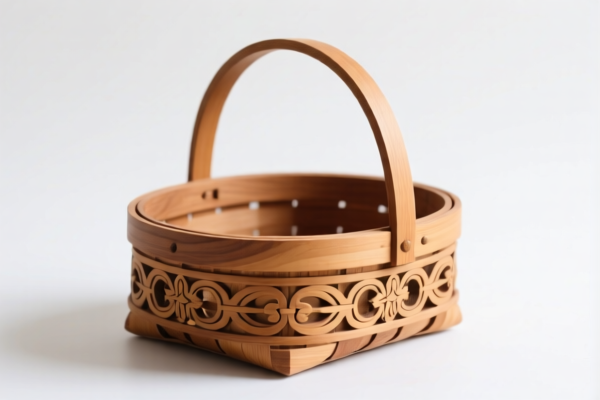
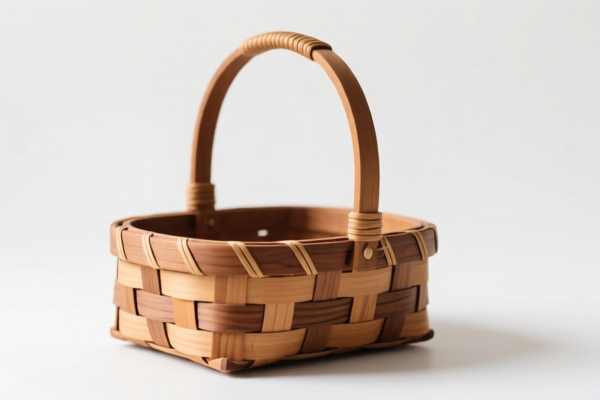
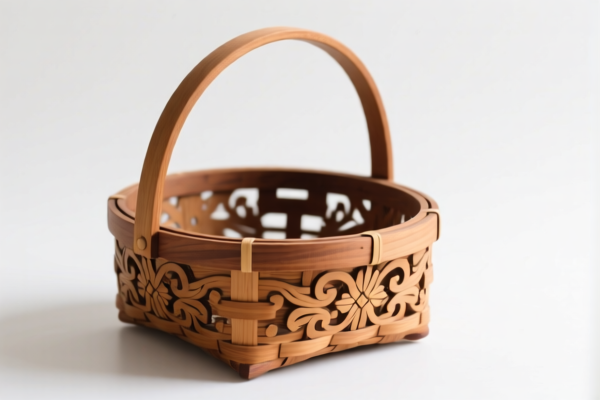
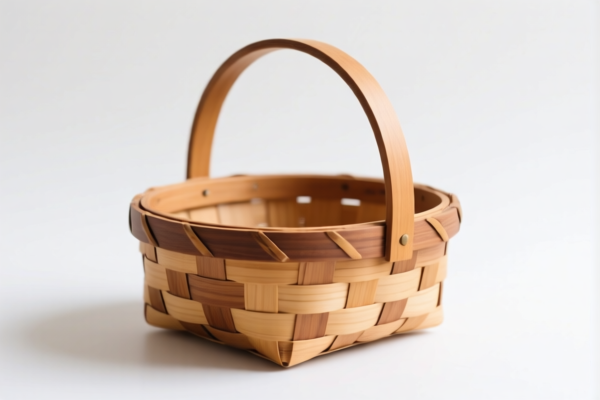
AI Analysis
🧺 Wire Decorative Basket (Metal Home Accessories)
🌐 HS Code Reference & Clearance Guide | 2026 Latest Tariff Analysis | Professional Customs Strategy
📌 I. Product Definition & Classification: What Exactly is a "Wire Decorative Basket"?
A "Wire Decorative Basket" is a versatile household item used for storage, decoration, or kitchen organization. In international trade, its HS Code classification strictly depends on the raw material (Iron/Steel vs. Copper vs. Aluminum) and its specific intended use (Kitchen vs. General Decor).
Misclassification is the #1 cause of high tariffs for these goods. Below is the precise breakdown based on the 2026 tariff data provided.
⚠️ Key Distinction Point:
- Iron/Steel Baskets: Heavily targeted by US Section 301 & Section 232 tariffs → Total Tax: ~88.4%
- Copper/Aluminum Baskets: Subject to Section 232 ("122 Clause") tariffs on base metals → Total Tax: ~70.5% - 70.6%
📦 II. HS Code Classification Details (2026 Authoritative对照)
| HS Code | Material Composition | Primary Use Case | Total Tax Rate | Key Tariff Components |
|---|---|---|---|---|
7323.99.90.30 |
Iron / Steel | Kitchen or Tableware Supplies | 88.4% | Base 3.4% + Sec 301 25.0% + Sec 232 10.0% + Sec 232 50.0% |
7323.99.90.80 |
Iron / Steel | Kitchen, Dining, or Home Items | 88.4% | Base 3.4% + Sec 301 25.0% + Sec 232 10.0% + Sec 232 50.0% |
7418.10.00.04 |
Copper / Metal | Household / Decorative Items | 70.5% | Base 3.0% + Sec 301 7.5% + Sec 232 50.0% |
7418.10.00.55 |
Copper | Household / Kitchen Items | 70.5% | Base 3.0% + Sec 301 7.5% + Sec 232 50.0% |
7615.10.91.00 |
Aluminum | Decorative / Home Items | 70.6% | Base 3.1% + Sec 301 7.5% + Sec 232 50.0% |
🔍 Critical Reminder:
- All Iron/Steel baskets fall under Heading 73 and attract the highest combined tariff due to the interplay of Section 301 (China-specific) and Section 232 (National Security).
- Copper and Aluminum baskets fall under Headings 74 and 76. They are generally exempt from the 25% Section 301 tariff but subject to the 50% Section 232 tariff on aluminum, copper, and steel articles.
- The difference between7323.99.90.30and.80is negligible in tax rate but may affect specific statistical reporting in some US ports.
💰 III. 2026 Detailed Tariff Breakdown (US Imports from China)
✅ Applicable Country: United States (US)
✅ Origin: China (CN)
✅ Effective Date: Current (Including 122 Clause / Section 232)
🎯 1. Iron/Steel Baskets (7323.99.90.30 & .80)
Total Tax: 88.4%
| Component | Rate | Legal Basis |
|---|---|---|
| Base Tariff | 3.4% | HTSUS General Rate |
| Section 301 Tariff | 25.0% | USTR List 3/4 (China-specific) |
| Section 232 Tariff | 10.0% | Steel Articles (National Security) |
| "122 Clause" / Sec 232 Surcharge | 50.0% | Aluminum, Copper, Steel Products Surcharge |
| TOTAL | 88.4% |
📌 Explanation:
- This is an extremely high tariff bracket. The 50% surcharge is applied under the "122 Clause" provisions often associated with additional Section 232 enforcement or specific bilateral trade measures targeting base metal imports.
- De Minimis Exemption: ❌ NOT ELIGIBLE. Shipments under $800 cannot bypass these duties.
- Strategy: If you are importing iron baskets, the landed cost will nearly double. Consider pricing strategies or alternative materials.
🎯 2. Copper Baskets (7418.10.00.04 & .55)
Total Tax: 70.5%
| Component | Rate | Legal Basis |
|---|---|---|
| Base Tariff | 3.0% | HTSUS General Rate |
| Section 301 Tariff | 7.5% | USTR List (Reduced from 25% for some copper items) |
| "122 Clause" / Sec 232 Surcharge | 50.0% | Copper Products Surcharge |
| TOTAL | 70.5% |
📌 Note:
- Copper baskets benefit from a lower Section 301 rate (7.5% vs 25%) but still bear the heavy 50% base metal surcharge.
- Suitable for high-end decorative markets where cost sensitivity is lower than volume markets.
🎯 3. Aluminum Baskets (7615.10.91.00)
Total Tax: 70.6%
| Component | Rate | Legal Basis |
|---|---|---|
| Base Tariff | 3.1% | HTSUS General Rate |
| Section 301 Tariff | 7.5% | USTR List |
| "122 Clause" / Sec 232 Surcharge | 50.0% | Aluminum Products Surcharge |
| TOTAL | 70.6% |
📌 Note:
- Aluminum is heavily regulated under Section 232. The 50% surcharge is mandatory for most aluminum imports from China.
- Common in lightweight home decor and kitchen organizers.
🛠️ IV. Clearance Operational Advice (Practical Pitfall Guide)
✅ 1. Mandatory Documentation Checklist
| Document | Required? | Purpose |
|---|---|---|
| Product Specification Sheet | ✔️ | Must explicitly state Material (e.g., "100% Galvanized Steel" vs. "Copper Alloy"). Vague terms like "Metal" will lead to classification errors. |
| Composition Certificate | ✔️ | For copper/aluminum, a mill test report or supplier declaration proving alloy content is crucial to justify HS 74/76 over HS 73. |
| Commercial Invoice | ✔️ | Must clearly describe the item as "Wire Decorative Basket" and list the correct HS Code. |
| Packing List | ✔️ | Detail weight and dimensions. |
| Proof of Origin | ✔️ | To confirm Country of Origin is China (triggering these specific tariffs). |
✅ 2. Classification Strategy (Key Mnemonics)
🔥 "Material is King, Tariff is Queen!"
| Scenario | Correct HS Code | Avoid This Error |
|---|---|---|
| Iron/Steel Wire Basket | 7323.99.90.30 or .80 |
Do NOT classify as plastic or wood to avoid tax → Customs Fraud |
| Copper Decorative Basket | 7418.10.00.04 or .55 |
Do NOT mix with steel shipments → Misdeclaration Penalty |
| Aluminum Basket | 7615.10.91.00 |
Do NOT classify under general "Home Goods" (e.g., 9403) → Audit Risk |
| Mixed Metal Basket | Check Primary Material | If coated steel, it's still HS 73. If solid copper, it's HS 74. |
💡 Pro Tip:
- If the basket is primarily iron but has a copper finish/plating, it is still classified as Iron/Steel (HS 73) because the base material determines the chapter. This results in the 88.4% rate.
- Only baskets made entirely or predominantly of copper/aluminum qualify for the lower ~70.5% rate.
✅ 3. Special Situation Handling
| Situation | Handling Advice |
|---|---|
| OEM Custom Designs | Provide design drawings showing material composition. If the basket is welded steel wire, it is HS 73. |
| Gift Sets (Basket + Wood Liner) | If the basket is the essential character, it determines the classification. The wood liner does not change the HS Code to wood (Chapter 46). |
| Small Quantity Samples | Remember: De Minimis ($800) does NOT apply to Section 232/301 goods. Even 1 unit is subject to full duty. |
🌍 V. Global Market Comparison (2026 Outlook)
| Market | Recommended HS Code | Est. Total Duty | Notes |
|---|---|---|---|
| 🇺🇸 USA | 7323.99.90.30 (Steel) |
88.4% | Highest barrier. Requires precise material declaration. |
| 🇺🇸 USA | 7615.10.91.00 (Alum) |
70.6% | Still very high, but slightly better than steel. |
| 🇨🇳 China | 7323.99.90 |
3.4% - 10% | Low import duty. Export-friendly. |
| 🇪🇺 EU | 7323.99.90 |
4.0% - 6.0% | No Section 232 equivalent. Much easier clearance. |
| 🇬🇧 UK | 7323.99.90 |
4.0% | Post-Brexit tariff. No US-style punitive tariffs. |
📌 Conclusion:
- The US market is exceptionally difficult for metal wire baskets due to the叠加 (stacking) of Section 301 and Section 232 tariffs.
- European and UK markets offer a much more favorable tax environment (~4-6%). Consider diversifying supply chains to non-China origins (e.g., Vietnam, Mexico) if targeting the US, though Section 232 can sometimes apply to transshipped goods.
📌 VI. Common Mistakes & Pitfalls (Blood & Tears Lessons)
❌ Mistake 1: Declaring "Wire Basket" without specifying material.
👉 Consequence: Customs will assign the default highest-duty rate (often Steel) → Unexpected 88.4% Bill.
❌ Mistake 2: Claiming a copper-coated steel basket is "Copper" to get 70.5% tax.
👉 Consequence: Customs exam will peel off the coating, find steel underneath, and reclassify as Steel → Penalty + Back Taxes.
❌ Mistake 3: Ignoring the "122 Clause" surcharge.
👉 Consequence: Brokers may quote only Base + 301, forgetting the 50% surcharge. You will face a 50% surprise invoice upon arrival.
✅ Correct Declaration Example:
"WIRE DECORATIVE BASKET, MATERIAL: 100% GALVANIZED STEEL WIRE, USE: KITCHEN STORAGE, MODEL: WB-2024"
(Ensures clear HS 73 classification, avoiding ambiguity.)
🎯 VII. Conclusion: Professional Classification Saves Money!
🎯 Remember the Golden Rule:
🔹 "Steel is 88%, Copper/Alum is 70%."
🔹 "Material defines the Chapter, Not the Shape!"
🔹 "No De Minimis for Metal from China to US!"
📌 Pro Tip:
For high-volume imports, consider:
1. Pre-Ruling: Apply for a Binding Tariff Ruling from CBP to confirm the 50% surcharge applies as expected.
2. Supply Chain Shift: Source aluminum baskets from Mexico or Turkey (if FTA/USMCA allows) to potentially avoid the 50% surcharge if they qualify as originating.
3. Product Redesign: If possible, design baskets using non-metal materials (e.g., plastic-coated wire classified as plastic, or rattan) to drop into different chapters with lower tariffs.
📣 Immediate Action:
📞 Consult a Customs Broker: Verify the exact "122 Clause" application for your specific supplier.
📄 Audit Your Bill of Lading: Ensure material composition is explicitly stated.
🚀 Plan for Duty Costs: Factor in ~70-88% duty into your FOB pricing model.
✨ Professional Clearance Starts with Accurate Classification!
💼 Every percent of tax matters—don't let hidden surcharges eat your margin!
Customer Reviews
About HS Code Classification
The Harmonized System (HS) is an internationally standardized nomenclature developed by the World Customs Organization (WCO) to classify traded products. Over 200 countries use the HS system as the basis for customs tariffs, trade statistics, and import/export regulations.
Each HS code follows a hierarchical structure:
- Chapter (2 digits) — Broad category of goods (e.g., Chapter 84: Machinery and Mechanical Appliances)
- Heading (4 digits) — More specific grouping within the chapter
- Subheading (6 digits) — Internationally standardized breakdown, used by all WCO member countries
- National subdivisions (8-10 digits) — Country-specific extensions for further classification, such as US HTSUS 10-digit codes
Correct HS code classification is essential for smooth customs clearance, accurate duty payment, and compliance with trade regulations. Misclassification can lead to customs delays, overpayment of duties, or penalties.
When importing from CN to US, the applicable tariff rates may include:
- Most-Favored-Nation (MFN) rate — The standard duty rate applied to WTO members
- General rate — Applied to countries without trade agreements
- Trade remedy duties — Additional tariffs such as Section 301 (anti-dumping), Section 232 (national security), or countervailing duties
The information provided on this page is for reference purposes only. For official classification, please consult with your local customs authority or a licensed customs broker.