Wire Insulation Tape
CN → US| HS Code | Tariff Rate | Origin | Destination | Doc |
|---|---|---|---|---|
| 3919102020 | 40.8% | CN | US | Official Doc |
| 3919905030 | 40.8% | CN | US | Official Doc |
| 3926909989 | 22.8% | CN | US | Official Doc |
| 3926904590 | 38.5% | CN | US | Official Doc |
| 3919102020 | 40.8% | CN | US | Official Doc |
Product Images
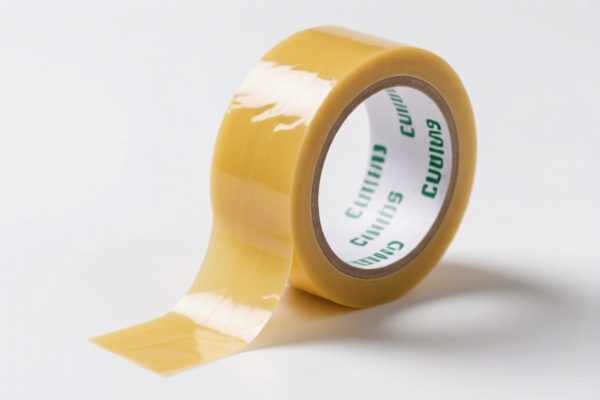
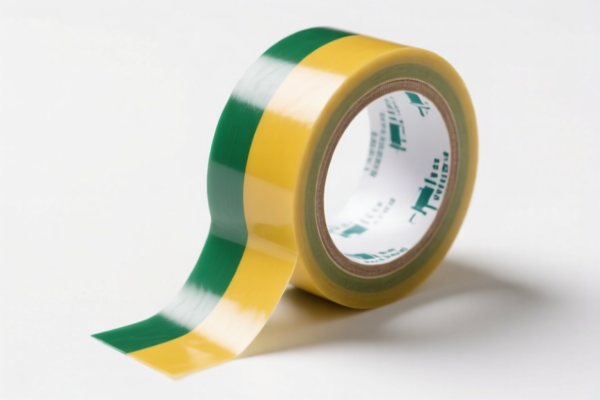
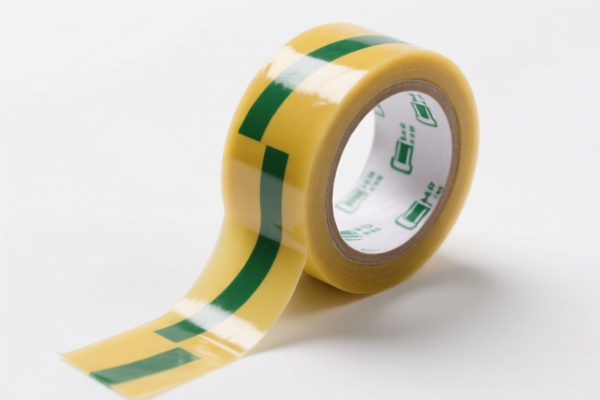
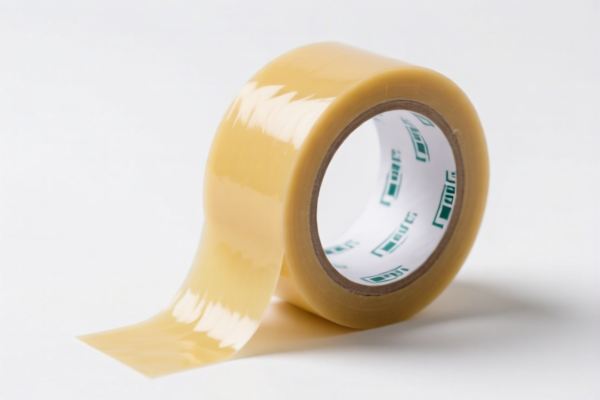
AI Analysis
🛡️ Wire Insulation Tape (Electrical Insulating Tape)
🌐 HS Code Reference & Customs Clearance Guide | 2026 Latest Tariff Analysis | Professional Clearance Strategy
📌 I. Product Definition: What is "Wire Insulation Tape"?
Wire Insulation Tape, commonly known as Electrical Tape, is a flexible plastic tape used to insulate electrical wires. In international trade, it is primarily classified under Chapter 39 (Plastics and Articles Thereof) due to its material composition.
⚠️ Key Classification Point:
- If the tape is self-adhesive and made of plastic (PVC, etc.) for electrical insulation → It falls under 3919.10 (Self-adhesive plates, sheets, film, foil, tape, strip and other flat shapes, of plastics). - If classified broadly as a plastic article not specifically elsewhere specified → It may fall under 3926.90 (Other articles of plastics).
📦 II. HS Code Classification Details (2026 Latest Tariff Authority Comparison)
Based on the provided data, here are the four potential HS Codes and their corresponding tax implications. Note that 3919.10.20.20 appears twice with identical tax data but potentially different internal tracking or slight descriptor nuances; we list them distinctly as provided.
| HS Code | Product Description & Matching Logic | Total Tax Rate | Key Tax Components |
|---|---|---|---|
3919.10.20.20 (Option 1) |
Self-adhesive Electrical Tape ✅ Match Logic: Name "Wire Insulation Tape" matches "Insulating Tape". Use: Electrical insulation. Material: Inferred as Plastic (PVC). Fits definition of plastic self-adhesive electrical tape. |
40.8% | Base: 5.8% Section 301: 25.0% Section 122: 10% |
3919.10.20.20 (Option 2) |
Self-adhesive Electrical Tape ✅ Match Logic: Name "Wire Insulation Tape" matches "Insulating Tape". Use: Electrical insulation. Material: Inferred as plastic self-adhesive strip. Fits material attributes of this subheading. |
40.8% | Base: 5.8% Section 301: 25.0% Section 122: 10% |
3926.90.99.89 |
Other Plastic Articles (General) ✅ Match Logic: Name implies plastic/polymer material. Fits "Other articles of plastics" not specifically listed elsewhere. Less specific than 3919. |
22.8% | Base: 5.3% Section 301: 7.5% Section 122: 10% |
3926.90.45.90 |
Other Plastic Articles (Gaskets/Seals related) ✅ Match Logic: Inferred as plastic/polymer. Classified as gaskets, seals, or other plastic articles. Fits range of "other plastic articles" and "gaskets/seals". |
38.5% | Base: 3.5% Section 301: 25.0% Section 122: 10% |
3919.10.20.20 (Option 3) |
Automotive Insulating Tape ✅ Match Logic: "Automotive Insulating Tape" falls under electrical tape category. Material inferred as Plastic (PVC). Fits "plastic self-adhesive" characteristic. |
40.8% | Base: 5.8% Section 301: 25.0% Section 122: 10% |
🔍 Critical Insight:
- The most accurate classification for standard wire insulation tape is3919.10.20.20because it specifically addresses self-adhesive plastic strips/tapes. -3926.90.99.89offers a significantly lower total tax rate (22.8%) but is considered a "catch-all" for plastics. Customs may scrutinize this if the product is clearly an adhesive tape, potentially leading to reclassification and penalties. -3926.90.45.90is generally not recommended unless the tape is specifically marketed as a sealing/gasket component, as it attracts a high 25% Section 301 tariff.
💰 III. 2026 Latest Tariff Rate Breakdown (Including Surtaxes)
✅ Applicable Country: United States (US)
✅ Origin: China (CN)
✅ Effective Date: Current applicable rates (including Section 301 and Section 122)
🎯 1. 3919.10.20.20 —— Self-Adhesive Electrical Tape (Recommended)
| Item | Content |
|---|---|
| Base Tariff Rate | 5.8% (Ad Valorem) |
| Section 301 Surcharge | +25.0% (USITC Footnote) |
| Section 122 Surcharge | +10.0% (IEEPA/China-specific) |
| Total Tax Rate | 40.8% |
| Calculation Method | CIF Value × 40.8% |
| De Minimis Exemption | ❌ Not Eligible (Denied for these HTSUs) |
| Legal Basis Path | USITC:3919.10.20.20 → Footnote:301 → IEEPA:122 |
📌 Explanation:
- Base (5.8%): Standard MFN rate for self-adhesive plastic tapes. - Section 301 (25%): Additional tariff on Chinese goods under Trade Act Section 301. - Section 122 (10%): Specific additional tariff on certain Chinese products. - Total (40.8%): This is the standard, safe, and compliant rate for electrical tape.
🎯 2. 3926.90.99.89 —— Other Plastic Articles (Lowest Tax Option)
| Item | Content |
|---|---|
| Base Tariff Rate | 5.3% (Ad Valorem) |
| Section 301 Surcharge | +7.5% (Reduced surcharge for this category) |
| Section 122 Surcharge | +10.0% |
| Total Tax Rate | 22.8% |
| Calculation Method | CIF Value × 22.8% |
| De Minimis Exemption | ❌ Not Eligible |
📌 Warning:
- While the tax is lower (22.8% vs 40.8%), this code is for "Other articles of plastics." Using it for adhesive tape may trigger an audit because 3919 is more specific. - Risk: If Customs disagrees with the classification, you may face back taxes + penalties.
🎯 3. 3926.90.45.90 —— Plastic Gaskets/Seals (High Risk)
| Item | Content |
|---|---|
| Base Tariff Rate | 3.5% (Ad Valorem) |
| Section 301 Surcharge | +25.0% |
| Section 122 Surcharge | +10.0% |
| Total Tax Rate | 38.5% |
| Calculation Method | CIF Value × 38.5% |
📌 Note:
- Despite a low base rate, the 25% Section 301 surcharge brings the total close to the 3919 rate. - Not recommended for standard wire insulation tape unless specifically designed as a sealing gasket.
🛠️ IV. Customs Clearance Practical Advice (Avoid Pitfalls)
✅ 1. Required Documentation Checklist
| Document | Required? | Description |
|---|---|---|
| ✅ Product Specification Sheet | ✔️ | Must state: Material (PVC/Plastic), Width, Length, Adhesive Type, Voltage Rating. |
| ✅ Product Photos | ✔️ | Clear images showing the roll, label, and application (e.g., wrapped around a wire). |
| ✅ Commercial Invoice | ✔️ | Must clearly describe as "Plastic Self-Adhesive Insulating Tape" or "Electrical Wire Insulation Tape". Avoid vague terms like "Plastic Tape". |
| ✅ Packing List | ✔️ | Detail net/gross weight and carton dimensions. |
| ✅ Certificate of Origin (CO) | ✔️ | Required to confirm Chinese origin for surtax application. |
✅ 2. Declaration Tips (Golden Rules)
🔥 "Be Specific, Avoid 'Other', Cite Use!"
| Scenario | Correct Declaration | Wrong Declaration |
|---|---|---|
| Standard Electrical Tape | 3919.10.20.20 - Plastic self-adhesive insulating tape |
"Plastic Tape" or "Adhesive Tape" (Too vague) |
| Automotive Grade Tape | 3919.10.20.20 - Plastic self-adhesive tape, automotive use |
"Auto Part" (Incorrect chapter) |
| Attempted Low-Tax Strategy | 3926.90.99.89 - Plastic article, insulation purpose |
Risky! Only if no other code fits, but 3919 is more accurate. |
| Misclassification Risk | Never declare as 3926.90.45.90 unless it is a gasket. |
High risk of penalty if audited. |
✅ 3. Special Handling Cases
| Case | Recommendation |
|---|---|
| Multi-layer Tape | If it has fiberglass or fabric backing, still generally falls under 3919 if primarily plastic. Provide material breakdown. |
| OEM/Private Label | Ensure the invoice matches the actual product description. Do not use generic names that don't reflect the electrical insulation purpose. |
| Sample Shipment | Even for samples, declare correctly. The 40.8% tax applies regardless of value if not under de minimis. |
🌍 V. Global Market Comparison (2026 Snapshot)
| Country/Region | Recommended HS Code | Approx. Tariff (China Origin) | Key Certification |
|---|---|---|---|
| 🇺🇸 USA | 3919.10.20.20 |
40.8% (High due to surtaxes) | None specific, but UL/CSA recommended |
| 🇨🇳 China | 3919.10.90.00 |
~5-6% (Import duty) | CCC (if applicable) |
| 🇪🇺 EU | 3919.10.00 |
0% (Most cases) | REACH Compliance |
| 🇬🇧 UK | 3919.10.00 |
0% | UKCA Mark (if regulated) |
| 🇯🇵 Japan | 3919.10.00 |
0% | JIS Standard |
📌 Conclusion:
- The US market is the most expensive due to Section 301 (25%) + Section 122 (10%) surcharges. - European and Asian markets are far more competitive with 0-6% tariffs.
📌 VI. Common Mistakes & Pitfalls (Lessons Learned)
❌ Mistake 1: Declaring as "Adhesive Tape" under 3919.90 (General Self-Adhesive).
👉 Consequence: May be misclassified if it doesn't meet the "electrical insulation" specificity, or lead to higher scrutiny. Always specify "Insulating".
❌ Mistake 2: Using 3926.90.99.89 to avoid the 25% Section 301 tax.
👉 Consequence: Customs may audit and reclassify to 3919.10.20.20, charging back taxes + interest + penalties. The 25% surcharge applies to both in many cases, or the risk outweighs the 7.5% savings.
❌ Mistake 3: Vague Invoice Description ("Tape").
👉 Consequence: Delays in clearance, requests for additional info, potential detention.
✅ Best Practice:
"Plastic Self-Adhesive Electrical Insulating Tape, PVC, Color: Black, Width: 19mm, Length: 20m, for Wire Insulation"
🎯 VII. Conclusion: Precise Classification, Cost Control, Smooth Clearance!
🎯 Remember:
🔹 "Self-adhesive Electrical Tape = 3919.10.20.20"
🔹 "Total Tax in US = 40.8% (5.8% Base + 25% S301 + 10% S122)"
🔹 "Do not under-declare purpose; accuracy prevents penalties!"
📌 Pro Tip:
- If you are importing large volumes, consider HS Code Pre-Ruling from US Customs and Border Protection (CBP) to lock in the classification.
- Explore Supply Chain Diversification: If possible, source from Vietnam or Mexico to potentially avoid China-specific surcharges (Subject to current trade policies).
📣 Immediate Action:
📞 Contact your customs broker with the full product description.
🚀 Ensure your invoice explicitly states "Electrical Insulation" to justify HS Code3919.10.20.20.
💼 Plan for 40.8% landed cost in your US pricing strategy!
✨ Professional clearance starts with accurate classification!
💼 Your every cent counts; calculate it precisely!
Customer Reviews
About HS Code Classification
The Harmonized System (HS) is an internationally standardized nomenclature developed by the World Customs Organization (WCO) to classify traded products. Over 200 countries use the HS system as the basis for customs tariffs, trade statistics, and import/export regulations.
Each HS code follows a hierarchical structure:
- Chapter (2 digits) — Broad category of goods (e.g., Chapter 84: Machinery and Mechanical Appliances)
- Heading (4 digits) — More specific grouping within the chapter
- Subheading (6 digits) — Internationally standardized breakdown, used by all WCO member countries
- National subdivisions (8-10 digits) — Country-specific extensions for further classification, such as US HTSUS 10-digit codes
Correct HS code classification is essential for smooth customs clearance, accurate duty payment, and compliance with trade regulations. Misclassification can lead to customs delays, overpayment of duties, or penalties.
When importing from CN to US, the applicable tariff rates may include:
- Most-Favored-Nation (MFN) rate — The standard duty rate applied to WTO members
- General rate — Applied to countries without trade agreements
- Trade remedy duties — Additional tariffs such as Section 301 (anti-dumping), Section 232 (national security), or countervailing duties
The information provided on this page is for reference purposes only. For official classification, please consult with your local customs authority or a licensed customs broker.