Wire Reel Box
CN → US| HS Code | Tariff Rate | Origin | Destination | Doc |
|---|---|---|---|---|
| 4421999880 | 38.3% | CN | US | Official Doc |
| 4421919880 | 38.3% | CN | US | Official Doc |
| 7326908688 | 87.9% | CN | US | Official Doc |
| 3926305000 | 22.8% | CN | US | Official Doc |
| 7326903500 | 92.8% | CN | US | Official Doc |
Product Images
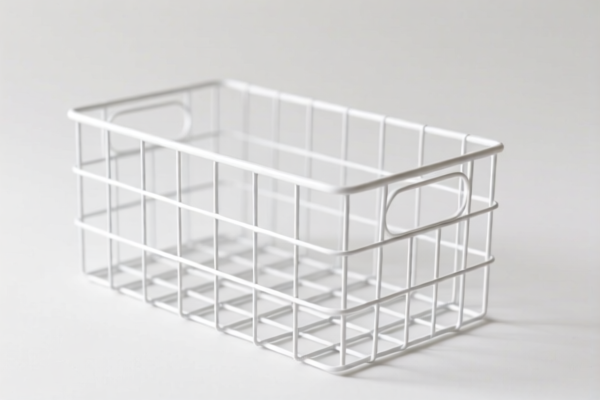
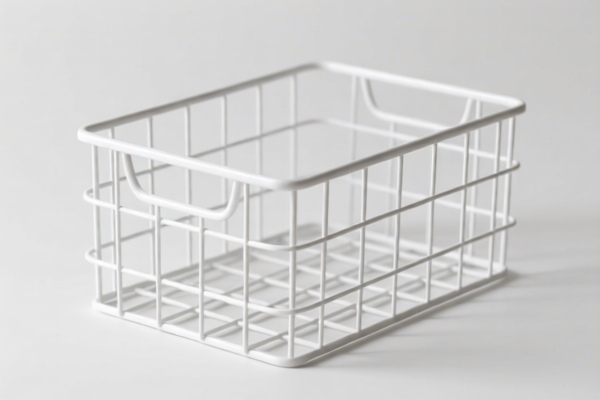


AI Analysis
🧶 Wire Reel Box (Storage Containers for Cables/Reels)
🌐 HS Code Reference & Customs Clearance Guide | 2026 Latest Tariff Analysis | Professional Entry Strategy
📌 I. Product Definition & Classification: What Exactly is a "Wire Reel Box"?
A Wire Reel Box is a storage unit designed to hold, organize, and protect wire spools, cable reels, or coiled cables. In international trade, its classification depends heavily on material and specific use. Since the name is generic, it falls into multiple potential categories based on the underlying material (Wood, Bamboo, Metal, Plastic).
⚠️ Critical Distinction:
- If made of Wood/Bamboo → Chapter 44 (Wood Products)
- If made of Metal (Iron/Steel) → Chapter 73 (Articles of Iron/Steel)
- If made of Plastic → Chapter 39 (Articles of Plastic)
- Note: The following analysis is based on US Customs imports from China, subject to Section 301 and IEEPA tariffs.
📦 II. HS Code Classification Details (2026 Latest Tariff Mapping)
Based on the provided data, here are the four possible HS codes depending on the material.
| HS Code | Product Description | Material Assumption | Key Characteristics |
|---|---|---|---|
4421.99.98.80 |
Other wooden articles | Wood (Unspecified, inferred) | General wooden container; "Other" category fallback. |
4421.91.98.80 |
Other bamboo articles | Bamboo (Eco-friendly inference) | Bamboo-based storage; fits "Other bamboo articles". |
7326.90.86.88 |
Other articles of iron/steel | Iron/Steel (Metal) | Metal storage container; non-specific listed item. |
3926.30.50.00 |
Other plastic articles (furniture/body parts) | Plastic (Common material) | Plastic container/accessory; "Other" category. |
7326.90.35.00 |
Other iron/steel articles (portable) | Iron/Steel (Metal/Packaging) | Small metal container for portable/bag use. |
🔍 Key Insight:
- Wood/Bamboo: Generally have lower base tariffs but are subject to the same US China surcharges.
- Plastic: Often has the lowest total tax burden due to lower base rates.
- Metal: Highest tax burden due to additional steel/aluminum tariffs.
💰 III. 2026 Latest Tariff Rate Breakdown (Detailed Tax Clauses)
✅ Applicable Country: United States (US)
✅ Origin: China (CN)
✅ Effective Date: Post-November 2025
📌 Note: All rates below include Base Tariff, Section 301 Tariff (25%), Section 122 Tariff (10%), and Steel/Aluminum Tariff (50% where applicable).
🎯 1. 4421.99.98.80 – Wooden Storage Box
Assumption: Generic wooden storage container.
| Item | Content |
|---|---|
| Base Tariff | 3.3% |
| Section 301 Tariff | +25.0% |
| Section 122 Tariff | +10.0% |
| Total Tax Rate | 38.3% |
| Tax Calculation | CIF Value × 38.3% |
| Legal Basis | HTSUS 4421.99.98.80 + USITC Footnotes + IEEPA Provisions |
📌 Explanation:
- 3.3%: Standard MFN duty for "Other wooden articles".
- 25%: Section 301 tariffs on Chinese goods.
- 10%: Section 122 tariffs (national security/emergency powers).
- Result: Moderate-high tax rate. No steel/aluminum penalty.
🎯 2. 4421.91.98.80 – Bamboo Storage Box
Assumption: Eco-friendly bamboo container.
| Item | Content |
|---|---|
| Base Tariff | 3.3% |
| Section 301 Tariff | +25.0% |
| Section 122 Tariff | +10.0% |
| Total Tax Rate | 38.3% |
| Tax Calculation | CIF Value × 38.3% |
| Legal Basis | HTSUS 4421.91.98.80 + USITC Footnotes + IEEPA Provisions |
📌 Explanation:
- Tax rate is identical to wood (4421.99.98.80).
- No penalty for being bamboo; it falls under the same "Other" umbrella in Chapter 44.
🎯 3. 7326.90.86.88 – Metal (Iron/Steel) Storage Box
Assumption: Heavy-duty metal reel holder.
| Item | Content |
|---|---|
| Base Tariff | 2.9% |
| Section 301 Tariff | +25.0% |
| Section 122 Tariff | +10.0% |
| Steel/Aluminum Tariff | +50% |
| Total Tax Rate | 87.9% |
| Tax Calculation | CIF Value × 87.9% |
| Legal Basis | HTSUS 7326.90.86.88 + Section 232 (Steel) + Section 301 + Section 122 |
⚠️ CRITICAL WARNING:
- 87.9% is an EXTREMELY HIGH tax rate.
- The 50% Steel/Aluminum tariff (Section 232) is the primary driver.
- Avoid this HS Code unless absolutely necessary. Consider plastic or wood alternatives to save nearly 50% in taxes.
🎯 4. 3926.30.50.00 – Plastic Storage Box
Assumption: Plastic container for reels/furniture parts.
| Item | Content |
|---|---|
| Base Tariff | 5.3% |
| Section 301 Tariff | +7.5% |
| Section 122 Tariff | +10.0% |
| Total Tax Rate | 22.8% |
| Tax Calculation | CIF Value × 22.8% |
| Legal Basis | HTSUS 3926.30.50.00 + USITC Footnotes + IEEPA Provisions |
✅ BEST OPTION:
- Lowest Total Tax Rate: 22.8%.
- Why?: Plastic articles often have higher base tariffs (5.3%) but lower Section 301 surcharges (7.5%) compared to wood/metal (25%).
- No Steel/Aluminum penalty.
- Recommendation: If the product is plastic, ensure it is classified here to save ~15-65% compared to other materials.
🎯 5. 7326.90.35.00 – Portable Metal (Iron/Steel) Box
Assumption: Small metal container for portable/bag use.
| Item | Content |
|---|---|
| Base Tariff | 7.8% |
| Section 301 Tariff | +25.0% |
| Section 122 Tariff | +10.0% |
| Steel/Aluminum Tariff | +50% |
| Total Tax Rate | 92.8% |
| Tax Calculation | CIF Value × 92.8% |
| Legal Basis | HTSUS 7326.90.35.00 + Section 232 (Steel) + Section 301 + Section 122 |
📌 Note:
- Even higher than the general metal box (7326.90.86.88) due to a higher base tariff (7.8% vs 2.9%).
- Strongly Avoid this classification for commercial imports.
🛠️ IV. Customs Clearance Practical Advice (Real-World Pitfalls)
✅ 1. Material Declaration is Key
| Material | Recommended HS Code | Total Tax | Action |
|---|---|---|---|
| Plastic | 3926.30.50.00 |
22.8% | ✅ Best Choice |
| Wood | 4421.99.98.80 |
38.3% | ⚠️ Acceptable |
| Bamboo | 4421.91.98.80 |
38.3% | ⚠️ Acceptable |
| Metal | 7326.90.86.88 |
87.9% | ❌ Avoid |
🔥 Pro Tip:
- If your "Wire Reel Box" is plastic, NEVER declare it as metal or wood to avoid scrutiny.
- If it is wood/bamboo, ensure the commercial invoice clearly states "Wooden Storage Container" or "Bamboo Storage Box".
- If it is metal, consider switching to plastic or wood to save ~60% in taxes.
✅ 2. Documentation Requirements
| Document | Required? | Notes |
|---|---|---|
| Commercial Invoice | ✅ | Must clearly state Material (e.g., "Plastic," "Wood," "Steel"). |
| Product Photos | ✅ | Show the box and its contents (reels/wires) to prove it is a container, not the wire itself. |
| Material Certification | ✅ | For wood: Fumigation Certificate (ISPM 15). For plastic/metal: Mill Certificates if requested. |
| HS Code Pre-Ruling | ✅ | Highly recommended for Section 301 and Section 232 compliance. |
✅ 3. Declaration Tips
🔥 Golden Rule:
"Declare Material, Not Just Function!"
| Incorrect Declaration | Correct Declaration | Tax Impact |
|---|---|---|
| "Wire Reel Box" (Vague) | "Plastic Storage Container for Wire Reels" | 22.8% (if plastic) |
| "Wire Reel Box" (Vague) | "Wooden Storage Box" | 38.3% (if wood) |
| "Wire Reel Box" (Vague) | "Steel Wire Spool Holder" | 87.9% (if metal) |
❌ Error: Declaring a metal box as plastic to avoid the 50% steel tariff.
👉 Consequence: Customs will inspect, find it’s metal, apply 87.9% + penalties + seizure risk.
🌍 V. Global Market Comparison (2026)
| Country | Best HS Code (Plastic) | Tax Rate | Notes |
|---|---|---|---|
| 🇺🇸 USA | 3926.30.50.00 |
22.8% | Includes Section 301 (7.5%) + Section 122 (10%). |
| 🇨🇳 China | 3926.30.50.00 |
~3-5% | Low base tariff, no major surcharges. |
| 🇪🇺 EU | 3926.90.97 |
~4.5% | No Section 301/122 equivalents. |
| 🇬🇧 UK | 3926.90.97 |
~4.5% | Post-Brexit tariffs are moderate. |
📌 Conclusion:
- The US market is the most expensive due to additional tariffs.
- Plastic is the most tax-efficient material for exports to the US.
📌 VI. Common Errors & Pitfalls (Lessons Learned)
❌ Error 1: Declaring a Metal box as Plastic to save taxes.
👉 Result: Customs audit → 87.9% duty + fines + legal liability.
❌ Error 2: Not providing Wood Fumigation Certificate (ISPM 15) for wooden boxes.
👉 Result: Shipment held at port → Demurrage charges + re-export.
❌ Error 3: Vague description "Wire Reel Box" without material specification.
👉 Result: Customs assigns highest duty rate by default → Up to 87.9%.
✅ Correct Action:
"Plastic Storage Box for Wire Reels, Model XYZ, Made in China"
+ Material Declaration: 100% Plastic
+ HS Code:3926.30.50.00
+ Tax: 22.8%
🎯 VII. Conclusion: Save Money, Clear Fast!
🎯 Remember This:
🔹 Plastic Wins:
3926.30.50.00= 22.8%
🔹 Wood/Bamboo:4421.xxxx= 38.3%
🔹 Metal Loses:7326.xxxx= 87.9%
📌 Strategic Advice:
1. Choose Plastic: If possible, manufacture or source plastic wire reel boxes to minimize US import duties.
2. Clear Materials: Always specify material in the commercial invoice.
3. Pre-Rule: Apply for an HS Code Pre-Ruling from US CBP to confirm the 22.8% rate for plastic boxes.
4. Avoid Metal: Unless it’s a high-value industrial item, do not import metal storage boxes from China to the US due to the 87.9% tax burden.
📣 Immediate Action:
📞 Contact your freight forwarder to confirm the material declaration.
📄 Update your commercial invoice to include "Made of Plastic/Wood" explicitly.
🚀 Optimize your supply chain: Switch to plastic to save ~15-65% in taxes!
✨ Professional Customs Clearance Starts with Accurate Classification!
💼 Every Dollar Saved in Tariffs is Pure Profit!
Customer Reviews
About HS Code Classification
The Harmonized System (HS) is an internationally standardized nomenclature developed by the World Customs Organization (WCO) to classify traded products. Over 200 countries use the HS system as the basis for customs tariffs, trade statistics, and import/export regulations.
Each HS code follows a hierarchical structure:
- Chapter (2 digits) — Broad category of goods (e.g., Chapter 84: Machinery and Mechanical Appliances)
- Heading (4 digits) — More specific grouping within the chapter
- Subheading (6 digits) — Internationally standardized breakdown, used by all WCO member countries
- National subdivisions (8-10 digits) — Country-specific extensions for further classification, such as US HTSUS 10-digit codes
Correct HS code classification is essential for smooth customs clearance, accurate duty payment, and compliance with trade regulations. Misclassification can lead to customs delays, overpayment of duties, or penalties.
When importing from CN to US, the applicable tariff rates may include:
- Most-Favored-Nation (MFN) rate — The standard duty rate applied to WTO members
- General rate — Applied to countries without trade agreements
- Trade remedy duties — Additional tariffs such as Section 301 (anti-dumping), Section 232 (national security), or countervailing duties
The information provided on this page is for reference purposes only. For official classification, please consult with your local customs authority or a licensed customs broker.