Wire Spool Box with Cord
CN → US| HS Code | Tariff Rate | Origin | Destination | Doc |
|---|---|---|---|---|
| 4421999880 | 38.3% | CN | US | Official Doc |
| 4421919880 | 38.3% | CN | US | Official Doc |
| 7326908688 | 87.9% | CN | US | Official Doc |
| 3926305000 | 22.8% | CN | US | Official Doc |
| 7326903500 | 92.8% | CN | US | Official Doc |
Product Images
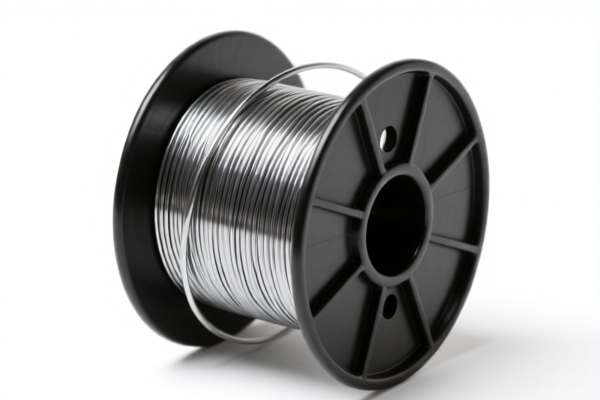
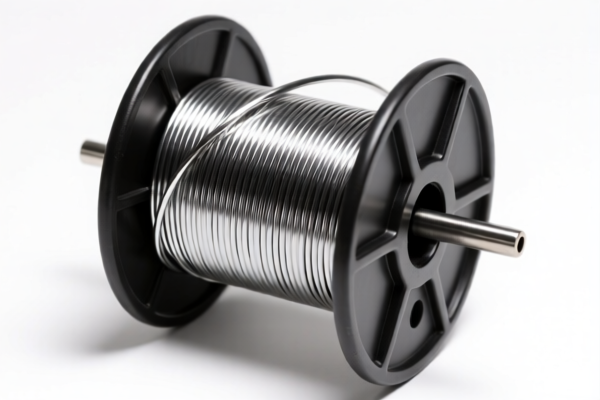
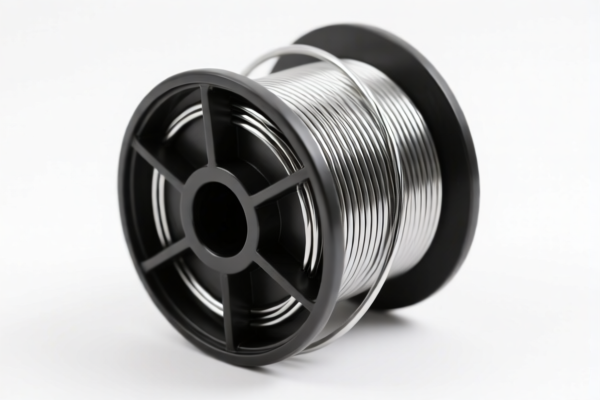

AI Analysis
🧵 Wire Spool Box with Cord (Cable Management Solutions)
🌐 HS Code Reference & Customs Clearance Guide | 2024/2025 Latest Tariff Analysis | Professional Compliance Strategy 📌 I. Product Definition & Classification: What Exactly Is a "Wire Spool Box"?
A "Wire Spool Box with Cord" refers to a storage or organizational container designed to hold, protect, and manage electrical power cords, cables, or wiring. In international trade, the classification depends entirely on the primary material of the container itself. The presence of a cord inside or attached does not change the classification to an electrical article; rather, the container is viewed as an accessory or receptacle.
These products are categorized into three main material groups: * Wood/Bamboo Products: Natural, renewable materials used for aesthetic or rustic storage. * Metal Products (Iron/Steel): Durable, industrial-grade containers often used for heavy-duty coiling. * Plastic Products: Common, lightweight, and cost-effective storage solutions.
⚠️ Critical Distinction:
- If the box is a standalone storage item (empty or holding cords loosely) → It is classified as a Container/Box based on material (Chapter 39, 44, or 73).
- If the item is a specialized portable carrying case for personal use (e.g., a briefcase-like pouch specifically designed to fit inside a bag or be carried personally) → It may fall under Iron/Steel carrying cases (Chapter 73, Heading 7326/7321 logic applied to small containers).
- Note: The "Cord" itself is incidental. Do not classify the whole unit as an electrical component unless it contains a switch, plug, or active circuitry (which "spool boxes" typically do not).
📦 II. HS Code Classification Details (Based on Provided Data)
| HS Code | Product Description | Material | Key Classification Logic |
|---|---|---|---|
4421.99.98.80 |
Wooden Power Cord Storage Box | Wood | Wood products not specified elsewhere (e.g., furniture, frames). "Spool box" falls under general wood articles. |
4421.91.98.80 |
Bamboo Power Cord Storage Box | Bamboo | Bamboo is treated similarly to wood in HS codes under Chapter 44. |
3926.30.50.00 |
Plastic Power Cord Storage Box | Plastic | Plastic articles for office/school supplies or household organizers. |
7326.90.86.88 |
Iron/Steel Power Cord Storage Box | Iron/Steel | Other articles of iron or steel. General industrial/household metal containers. |
7326.90.35.00 |
Iron/Steel Portable Cord Storage Box (for personal/bag use) | Iron/Steel | Specific subheading for small, portable metal containers intended for personal carry or bag insertion. |
🔍 Key Insight:
- Wood/Bamboo (4421.9x) and Plastic (3926.30) have moderate tax impacts.
- Iron/Steel (7326.90) faces significant penalties due to specific trade remedies (Section 301 + Section 232/122) targeting steel/aluminum/copper products.
- Do not confuse7326.90.86.88(General Steel) with7326.90.35.00(Portable Steel)—both are heavily taxed, but the descriptions differ slightly in customs intent (general vs. personal carry).
💰 III. 2024/2025 Latest Tariff Rate Breakdown (Including Additional Duties)
✅ Applicable Market: USA
✅ Origin: China (CN)
✅ Effective Dates: Ongoing (Section 301 & Section 232/122 tariffs)
🎯 1. 4421.99.98.80 — Wooden Power Cord Storage Box
| Item | Details |
|---|---|
| Base Tariff | 3.3% |
| Section 301 Tariff | +25.0% |
| Section 122 Tariff | +10.0% |
| Total Effective Rate | 38.3% |
| Tax Calculation | CIF Value × 38.3% |
| De Minimis Exemption | ❌ Not Applicable (Value > $800 threshold is not exempt from these specific add-on duties if declared properly, though some low-value shipments may slip through, high-volume commercial imports are strictly enforced). |
| Legal Basis | HTSUS 4421.99 + USITC Footnotes for China (Sec 301) + Sec 122 (if applicable to specific wooden goods) |
📌 Explanation:
- Wood products from China face a 38.3% total duty.
- The 25% is from the Trump-era Section 301 tariffs (maintained by Biden).
- The 10% is an additional levy under Section 122 (or similar emergency provisions depending on current executive orders).
🎯 2. 4421.91.98.80 — Bamboo Power Cord Storage Box
| Item | Details |
|---|---|
| Base Tariff | 3.3% |
| Section 301 Tariff | +25.0% |
| Section 122 Tariff | +10.0% |
| Total Effective Rate | 38.3% |
| Tax Calculation | CIF Value × 38.3% |
| De Minimis Exemption | ❌ Not Applicable |
| Legal Basis | HTSUS 4421.91 + China-specific add-ons |
📌 Note:
- Bamboo is legally classified under the same tariff schedule as wood for many duties.
- Same 38.3% rate as wooden boxes.
- No material-based exemption exists for bamboo from China.
🎯 3. 7326.90.86.88 — Iron/Steel Power Cord Storage Box
| Item | Details |
|---|---|
| Base Tariff | 2.9% |
| Section 301 Tariff | +25.0% |
| Section 122 Tariff | +10.0% |
| Steel/Aluminum/Copper Surcharge | +50.0% |
| Total Effective Rate | 87.9% |
| Tax Calculation | CIF Value × 87.9% |
| De Minimis Exemption | ❌ Strictly Denied |
| Legal Basis | HTSUS 7326.90 + USITC Footnotes (Sec 301) + Sec 232/122 Steel Surcharge |
📌 Warning:
- This is a HIGH-RISK classification.
- Steel products from China face a massive 50% surcharge under Section 232/122 for national security reasons.
- Combined with Section 301 (25%) and Section 122 (10%), the total hits 87.9%.
- Cost Impact: For every $100 of product, you pay $87.90 in duties.
🎯 4. 7326.90.35.00 — Iron/Steel Portable Cord Storage Box (Personal/Bag Use)
| Item | Details |
|---|---|
| Base Tariff | 7.8% |
| Section 301 Tariff | +25.0% |
| Section 122 Tariff | +10.0% |
| Steel/Aluminum/Copper Surcharge | +50.0% |
| Total Effective Rate | 92.8% |
| Tax Calculation | CIF Value × 92.8% |
| De Minimis Exemption | ❌ Strictly Denied |
| Legal Basis | HTSUS 7326.90 + China-specific add-ons + Steel Surcharge |
📌 Critical Alert:
- Even though this is for "personal or bag use," the material is Steel.
- The 50% Steel Surcharge applies regardless of the item's size or intended portability.
- Total tax rate is the highest at 92.8%.
- Do not attempt to classify steel wire boxes as "accessories" to avoid the 50% surcharge; Customs will reclassify and penalize.
🎯 5. 3926.30.50.00 — Plastic Power Cord Storage Box
| Item | Details |
|---|---|
| Base Tariff | 5.3% |
| Section 301 Tariff | +7.5% |
| Section 122 Tariff | +10.0% |
| Total Effective Rate | 22.8% |
| Tax Calculation | CIF Value × 22.8% |
| De Minimis Exemption | ⚠️ Check Eligibility (Usually, de minimis ($800) may apply if declared correctly, but add-on duties still apply to some categories; consult broker). |
| Legal Basis | HTSUS 3926.30 + China-specific add-ons |
📌 Best Option:
- Plastic has the lowest total tax rate (22.8%).
- Section 301 tariff for plastics is lower (7.5% vs. 25% for wood/steel in some categories, though here it's listed as 7.5% for this specific plastic subheading).
- Recommendation: If possible, switch material from Steel/Wood to Plastic to save 15–70% in duties.
🛠️ IV. Customs Clearance Operational Advice (Practical Pitfall Avoidance)
✅ 1. Material Declaration Strategy
| Material | HS Code | Tax Rate | Recommendation |
|---|---|---|---|
| Plastic | 3926.30.50.00 |
22.8% | ✅ Best Choice. Lowest tax, easy to classify, widely available. |
| Wood/Bamboo | 4421.99.98.80 / 4421.91.98.80 |
38.3% | ⚠️ Moderate Risk. Ensure no soil/pest issues (ISPM 15 compliance if raw wood). |
| Steel/Iron | 7326.90.86.88 / 7326.90.35.00 |
87.9% - 92.8% | ❌ Avoid. Extremely high cost. Only use if product requires metal durability. |
💡 Pro Tip:
- If your product is marketed as "Eco-Friendly," consider Bamboo (4421.91.98.80) for branding, but accept the 38.3% tax.
- If cost is the primary driver, switch to Plastic (3926.30.50.00) to save 15.5% vs. Wood and ~65% vs. Steel.
✅ 2. Documentation Checklist
| Document | Required? | Notes |
|---|---|---|
| Commercial Invoice | ✅ | Must clearly state "Wire Spool Box" and Material Composition (e.g., "100% Plastic," "Solid Wood"). |
| Product Photos | ✅ | Show interior, exterior, and any labels. Customs may inspect for steel content. |
| Material Certificate | ✅ | For wood/bamboo: Proof of non-raw wood (processed) to avoid phytosanitary issues. |
| Packing List | ✅ | Item weight, dimensions, and package count. |
| FCC/CE Certification | ❌ | Usually not required for passive storage boxes unless they include active electronics (e.g., heated spools). |
✅ 3. Common Mistakes & Penalties
❌ Mistake 1: Classifying a Steel Box as a "Plastic Box" to avoid the 50% surcharge.
👉 Consequence: Customs seizure, penalties, and back taxes. Steel has a distinct density and manufacturing process. Misdeclaration is fraud.
❌ Mistake 2: Omitting "Section 122" or "Section 301" in the declaration.
👉 Consequence: Automatic rejection or post-entry audit with penalties. These add-on duties are mandatory for Chinese-origin goods.
❌ Mistake 3: Using "Wire Holder" as a generic term without specifying material.
👉 Consequence: Customs may assign the highest default tariff or request reclassification, causing delays.
✅ Correct Declaration Example:
"Plastic Power Cord Storage Box, Model XYZ, 100% Virgin Plastic, No Active Electronics, Made in China"
HS Code:3926.30.50.00
Tariff: 22.8%
🌍 V. Global Market Comparison (2024/2025)
| Market | Recommended HS Code | Total Tariff (China Origin) | Notes |
|---|---|---|---|
| 🇺🇸 USA | 3926.30.50.00 (Plastic) |
22.8% | Lowest among options. Steel/Wood face high penalties. |
| 🇨🇳 China | 3926.30.90.90 (Domestic) |
5-10% | Export from China to China is not applicable; this is for reference. |
| 🇪🇺 EU | 3926.30.90 (Plastic) |
0-3.7% | No Section 301/122 equivalents. Much lower tariffs. |
| 🇬🇧 UK | 3926.30.90 (Plastic) |
0-3.7% | Post-Brexit tariffs similar to EU for plastics. |
| 🇨🇦 Canada | 3926.30.90 (Plastic) |
0-5% | No major anti-dumping on plastic storage boxes. |
📌 Strategic Takeaway:
- The US market is uniquely punitive for Chinese steel and wood/plastic goods due to trade wars.
- If targeting the US, Plastic is the only viable material for cost-efficiency.
- For EU/UK/Canada, material choice is less critical tax-wise, so brand aesthetic (Wood/Bamboo) can be prioritized.
📌 VI. Final Recommendations & Action Items
- Switch to Plastic if Possible:
-
Change supplier material from Steel/Wood to Plastic (
3926.30.50.00) to reduce tax burden from 38.3%-92.8% down to 22.8%. -
Accurate Material Declaration:
-
Clearly state "100% Plastic," "Solid Wood," or "Iron/Steel" on the commercial invoice. Do not use vague terms like "Mixed Material" without breakdown.
-
Avoid Steel for Low-Value Items:
-
The 50% Steel Surcharge makes steel wire boxes economically unviable for low-margin products. Only use steel for high-end, heavy-duty industrial applications where customers are willing to pay the premium.
-
Pre-Submit Binding Ruling (Optional):
- If unsure about classification, file a HTSUS Binding Ruling with US CBP. Cost: ~$500-$1000. Saves thousands in potential penalties.
🎯 Summary Quote:
"Material is King in Tariffs: Plastic wins (22.8%), Wood bleeds (38.3%), Steel bankrupts (92.8%)!"
📣 Immediate Action:
🔹 Review your BOM (Bill of Materials): Is the box truly steel? Can it be molded plastic?
🔹 Update Product Listings: Ensure material is explicit.
🔹 Consult Customs Broker: Verify current Section 122 applicability (as policies shift).
✨ Smart Classification, Smarter Profits!
💼 Don't let tariffs eat your margin—optimize your HS Code today!
Customer Reviews
About HS Code Classification
The Harmonized System (HS) is an internationally standardized nomenclature developed by the World Customs Organization (WCO) to classify traded products. Over 200 countries use the HS system as the basis for customs tariffs, trade statistics, and import/export regulations.
Each HS code follows a hierarchical structure:
- Chapter (2 digits) — Broad category of goods (e.g., Chapter 84: Machinery and Mechanical Appliances)
- Heading (4 digits) — More specific grouping within the chapter
- Subheading (6 digits) — Internationally standardized breakdown, used by all WCO member countries
- National subdivisions (8-10 digits) — Country-specific extensions for further classification, such as US HTSUS 10-digit codes
Correct HS code classification is essential for smooth customs clearance, accurate duty payment, and compliance with trade regulations. Misclassification can lead to customs delays, overpayment of duties, or penalties.
When importing from CN to US, the applicable tariff rates may include:
- Most-Favored-Nation (MFN) rate — The standard duty rate applied to WTO members
- General rate — Applied to countries without trade agreements
- Trade remedy duties — Additional tariffs such as Section 301 (anti-dumping), Section 232 (national security), or countervailing duties
The information provided on this page is for reference purposes only. For official classification, please consult with your local customs authority or a licensed customs broker.