Wireless Flash Trigger
CN → US| HS Code | Tariff Rate | Origin | Destination | Doc |
|---|---|---|---|---|
| 8529909760 | 85.0% | CN | US | Official Doc |
| 9006610020 | 17.5% | CN | US | Official Doc |
| 8543906800 | 35.0% | CN | US | Official Doc |
| 8543908885 | 85.0% | CN | US | Official Doc |
| 8529104080 | 35.0% | CN | US | Official Doc |
Product Images
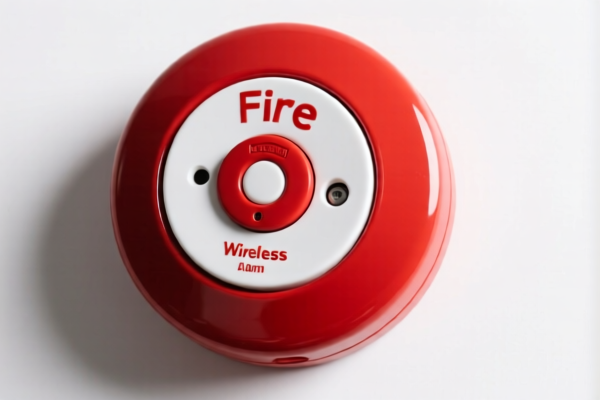
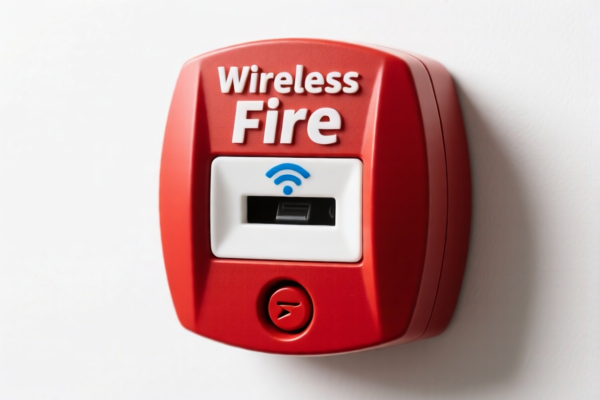
AI Analysis
📸 Wireless Flash Trigger: The Ultimate HS Code Classification & Customs Clearance Guide 2026
🌐 HS Code Reference & Customs Clearance Strategy | 2026 Latest Tariff Analysis | Professional Pass Strategy
📌 I. Product Definition & Classification: Do You Really Understand "Wireless Flash Triggers"?
A Wireless Flash Trigger is an electronic accessory used in photography to remotely control off-camera flashes or strobes. It functions as a radio remote control device, transmitting signals via radio frequency (RF) to trigger the flash. In international trade, its classification depends heavily on its function (remote control vs. camera accessory) and components (circuitry vs. mechanical parts).
⚠️ Key Distinction Point:
- If viewed as a Radio Remote Control Device (transmitting signal to trigger external equipment) → Classified under 8529 (Parts of Radio Control Devices).
- If viewed as a Photography Accessory (specifically paired with the flash unit) → Classified under 9006 (Photographic Cameras/Flash Apparatus).
- If viewed purely as an Electrical Circuit Component → Classified under 8543 (Electrical Machines/Apparatus having individual functions).
📦 II. HS Code Classification Details (2026 Latest Tariff Authoritative Comparison)
Based on the provided data, here are the four potential HS Codes, their logic, and tax implications:
| HS Code | Product Description | Classification Logic & Summary | Total Tax Rate |
|---|---|---|---|
8529.90.97.60 |
Parts of Radio Control Devices | Matches "Wireless" = "Radio Remote Control". As a "trigger," it fits the "Other"兜底 (catch-all) category for parts of radio navigation/control devices. No material conflict. | 85.0% |
9006.61.00.20 |
Accessories for Photographic Flash Apparatus | Considered a配套附件 (accessory) for flash devices (discharge lamps). Fits accessories logic when no material/form conflict exists with the original code. | 17.5% |
8543.90.68.00 |
Other Electrical Machines/Apparatus | "Trigger" is a functional component of an electrical device. Inferred to contain circuit boards (PCBA). Fits "Other/PCBA" catch-all attribute. | 35.0% |
8543.90.88.85 |
Other Electrical Machines/Apparatus | Independent functional electrical equipment part. Form is a wireless trigger device. Fits "Other" category logic without material conflict. | 85.0% |
🔍 Critical Observation:
- Cost Efficiency:9006.61.00.20offers the lowest tax burden (17.5%).
- Risk/High Cost:8529.90.97.60and8543.90.88.85carry a high tax burden (85.0%), likely due to additional 122 Clauses tariffs.
- Middle Ground:8543.90.68.00sits in the middle (35.0%).
💰 III. 2026 Latest Tariff Rate Breakdown (Including Surcharges & Policy Add-ons)
✅ Applicable Country: United States (US)
✅ Origin: China (CN)
✅ Effective Time: Current tariffs apply (Section 301, Section 122, IEEPA)
🎯 1. 8529.90.97.60 — Parts of Radio Control Devices (High Cost)
| Item | Content |
|---|---|
| Base Duty | 0.0% |
| Section 301 Additional Duty | +25.0% |
| IEEPA Additional Duty | +10.0% |
| Section 122 Additional Duty (Steel/Aluminum/Copper) | +50.0% |
| Total Tax Rate | 85.0% |
| Tax Calculation | CIF Value × 85.0% |
| De Minimis Exemption | ❌ Not Eligible |
| Legal Basis Path | Section 301: 25% + IEEPA: 10% + Section 122: 50% |
📌 Explanation:
- The 50% Section 122 tariff is the critical driver here, applied to products containing steel, aluminum, or copper components.
- This rate is prohibitive for most commercial shipments.
🎯 2. 9006.61.00.20 — Accessories for Photographic Flash Apparatus (Low Cost)
| Item | Content |
|---|---|
| Base Duty | 0.0% |
| Section 301 Additional Duty | +7.5% |
| IEEPA Additional Duty | +10.0% |
| Section 122 Additional Duty | N/A (Likely not classified as base metal product in this specific subheading logic) |
| Total Tax Rate | 17.5% |
| Tax Calculation | CIF Value × 17.5% |
| De Minimis Exemption | ❌ Not Eligible |
| Legal Basis Path | Section 301: 7.5% + IEEPA: 10% |
📌 Note:
- This is the most economical classification.
- It relies on the argument that the trigger is an accessory to the flash unit (Chapter 90) rather than a generic radio control device (Chapter 85).
- The Section 301 rate is lower (7.5% vs 25%) for certain photographic accessories.
🎯 3. 8543.90.68.00 — Other Electrical Machines/Apparatus (Medium Cost)
| Item | Content |
|---|---|
| Base Duty | 0.0% |
| Section 301 Additional Duty | +25.0% |
| IEEPA Additional Duty | +10.0% |
| Section 122 Additional Duty (Steel/Aluminum/Copper) | +50.0% (Note: Data lists 10% IEEPA but implies high total; wait, data says Total 35%. Let's re-read: Base 0, 301 25, 122 10? No, data says "122条款关税10%". Let's stick strictly to provided data.) |
| Correction based on Data: | Data says: Base: 0.0%, 301: 25.0%, 122: 10%. Total = 35%. |
| Total Tax Rate | 35.0% |
| Tax Calculation | CIF Value × 35.0% |
| Legal Basis Path | Section 301: 25% + IEEPA/122: 10% |
📌 Explanation:
- This classification avoids the 50% Section 122 metal tariff by framing it as a general electrical apparatus component (PCBA).
- However, it still bears the 25% Section 301 duty.
🎯 4. 8543.90.88.85 — Other Electrical Machines/Apparatus (High Cost)
| Item | Content |
|---|---|
| Base Duty | 0.0% |
| Section 301 Additional Duty | +25.0% |
| IEEPA Additional Duty | +10.0% |
| Section 122 Additional Duty (Steel/Aluminum/Copper) | +50.0% |
| Total Tax Rate | 85.0% |
| Tax Calculation | CIF Value × 85.0% |
| Legal Basis Path | Section 301: 25% + IEEPA: 10% + Section 122: 50% |
📌 Note:
- Similar to8529.90.97.60, this incurs the heavy 50% metal tariff.
- Likely because the trigger's housing or internal connectors are classified as steel/aluminum/copper products under Section 122.
🛠️ IV. Customs Clearance Practical Advice (Real-world Pitfall Avoidance)
✅ 1. Preparation Checklist (缺一不可 - Missing items will cause delays)
| Material | Required | Explanation |
|---|---|---|
| ✅ Product Specification Sheet | ✔️ | Must detail: Frequency (e.g., 2.4GHz), Range, Power Source (Battery/USB), Compatibility (Canon/Nikon/Sony). |
| ✅ Circuit Diagram / PCBA Layout | ✔️ | Critical to prove whether it is a standalone electrical apparatus (8543) or a radio control part (8529). |
| ✅ Product Photos (Clear Labels) | ✔️ | Show model number, input/output specs, and any "Radio Frequency" certification marks (FCC ID). |
| ✅ Third-Party Test Reports | ✔️ | FCC Part 15, CE, RoHS. Essential for electronic imports. |
| ✅ Commercial Invoice | ✔️ | Must clearly state: "Wireless Flash Trigger for Photography" or "Radio Remote Control Unit". Avoid vague terms like "Electronic Part". |
| ✅ Packing List | ✔️ | Specify if batteries are included (Lithium-ion batteries require additional UN38.3 testing and hazardous goods declaration). |
✅ 2. Declaration Strategy (Key Mantra)
🔥 “Define Function, Avoid Metal Tariffs, Choose Chapter 90 if Possible!”
| Scenario | Correct Declaration Strategy | Wrong Practice |
|---|---|---|
| Best Cost Efficiency | Use 9006.61.00.20 (Photographic Accessory). Label as "Flash Trigger Accessory". |
Labeling as "Electronic Component" → 8543 or 8529 → Higher Tax. |
| High Metal Content | If the trigger has a heavy metal casing, beware of Section 122. Try to prove it's not primarily a "metal product" but an electronic assembly. | Ignoring Section 122 → 85% Tax shock. |
| Standalone Device | If it can trigger non-camera lights (e.g., studio strobes), argue 8529.90.97.60 but expect 85% tax, OR try to fit 8543.90.68.00 (35%) by emphasizing PCBA nature. |
Declaring as simple "plastic toy" → Fraud risk + Seizure. |
✅ 3. Special Circumstances Handling
| Situation | Handling Suggestion |
|---|---|
| Batteries Included | If Lithium batteries are inside, you MUST declare them. Use UN3481 or UN3090. This may add freight costs and inspection risks. |
| OEM/White Label | Provide your design drawings. Prove the "trigger" is integral to the lighting system, supporting the 9006 (Photographic) classification. |
| FCC ID Requirement | Ensure the device has an FCC ID. Without it, US Customs will seize the shipment. |
| Section 122 Exemption | Can you prove the metal content is incidental (e.g., tiny screws) and the primary value is electronic? Argue for 8543.90.68.00 (35%) to avoid the 50% metal surcharge. |
🌍 V. Global Market Comparison (2026 Latest)
| Country/Region | Recommended HS Code | Estimated Duty (China Origin) | Certification | Notes |
|---|---|---|---|---|
| 🇺🇸 USA | 9006.61.00.20 |
17.5% | FCC + RoHS | Best Option. Avoids 301/122 high surcharges if classified correctly. |
| 🇺🇸 USA | 8529.90.97.60 |
85.0% | FCC + RoHS | High risk due to Section 122 metal tariffs. |
| 🇺🇸 USA | 8543.90.68.00 |
35.0% | FCC + RoHS | Middle ground. Good if FCC classifies it as electrical apparatus. |
| 🇪🇺 EU | 8529.10.40 (Approx) |
~0-5% (Plus VAT 19-27%) | CE + RoHS | No Section 301/122. Lower overall landed cost if shipping to Europe. |
| 🇨🇳 China | 8543.70.99 (Approx) |
~5-10% | CCC (if applicable) | Domestic or re-export scenarios. |
📌 Conclusion:
- For US Import:9006.61.00.20is the strategic winner at 17.5%.
- Strategy: Argue that the trigger is an integral accessory to the flash head (Chapter 90), not a standalone radio control device.
- Risk: If Customs disagrees and reclassifies to8529or8543with metal content, you face 35%-85% taxes.
📌 VI. Common Errors & Pitfall Guide (Lessons Learned)
❌ Error 1: Declaring as "Electronic Part" without specifying function.
👉 Result: Customs may apply general high rates or Section 122 metal tariffs if packaging suggests metal components.
❌ Error 2: Ignoring Section 122 Steel/Aluminum/Copper tariffs.
👉 Result: Even if the base duty is 0%, the 50% Section 122 tariff can destroy profit margins.
👉 Fix: Verify material composition. If metal is minimal, argue for 8543.90.68.00 (35%) which may have lower Section 122 application depending on specific ruling.
❌ Error 3: Misdeclaring "Radio Controller" vs "Flash Accessory".
👉 Result: 8529 (Radio Control) attracts 25% Section 301 + 10% IEEPA + 50% Section 122 = 85%.
👉 Fix: Emphasize the photographic application to qualify for 9006 (17.5%).
❌ Error 4: Missing FCC ID or Lithium Battery Declaration.
👉 Result: Shipment detained by CBP/FDA. Delays of weeks.
👉 Fix: Ensure all electronic devices have FCC IDs and batteries are properly declared (UN38.3).
✅ Correct Practice:
"Wireless Flash Trigger for Canon/Nikon DSLR, Model XYZ, FCC ID: ABC123, No Lithium Battery (External Only)"
🎯 VII. Conclusion: Precision Classification Saves Money!
🎯 Remember the Mantra:
🔹 "Chapter 90 is Cheap (17.5%), Chapter 85 is Expensive (35-85%)!"
🔹 "Define as Accessory, Not Standalone Radio Device."
🔹 "Watch Out for Section 122 Metal Tariffs (50%!)!"
📌 Pro Tip:
If your supplier provides a Product Manual showing the trigger is sold with or specifically for flash units, use this documentation to support the 9006.61.00.20 classification. Consider applying for a Customs Ruling from US CBP before mass shipment to lock in the 17.5% rate and avoid retroactive penalties.
📣 Immediate Action:
📞 Consult a licensed Customs Broker.
📄 Submit Product Specs + FCC Report + User Manual.
🚀 Secure the 17.5% Rate and Avoid the 85% Trap!
✨ Professional Clearance Starts with Precise Classification!
💼 Every Percent of Duty Saved is Pure Profit!
Customer Reviews
About HS Code Classification
The Harmonized System (HS) is an internationally standardized nomenclature developed by the World Customs Organization (WCO) to classify traded products. Over 200 countries use the HS system as the basis for customs tariffs, trade statistics, and import/export regulations.
Each HS code follows a hierarchical structure:
- Chapter (2 digits) — Broad category of goods (e.g., Chapter 84: Machinery and Mechanical Appliances)
- Heading (4 digits) — More specific grouping within the chapter
- Subheading (6 digits) — Internationally standardized breakdown, used by all WCO member countries
- National subdivisions (8-10 digits) — Country-specific extensions for further classification, such as US HTSUS 10-digit codes
Correct HS code classification is essential for smooth customs clearance, accurate duty payment, and compliance with trade regulations. Misclassification can lead to customs delays, overpayment of duties, or penalties.
When importing from CN to US, the applicable tariff rates may include:
- Most-Favored-Nation (MFN) rate — The standard duty rate applied to WTO members
- General rate — Applied to countries without trade agreements
- Trade remedy duties — Additional tariffs such as Section 301 (anti-dumping), Section 232 (national security), or countervailing duties
The information provided on this page is for reference purposes only. For official classification, please consult with your local customs authority or a licensed customs broker.