Wok
CN → US| HS Code | Tariff Rate | Origin | Destination | Doc |
|---|---|---|---|---|
| 7418100051 | 70.5% | CN | US | Official Doc |
| 6912003550 | 19.8% | CN | US | Official Doc |
| 6912004810 | 19.8% | CN | US | Official Doc |
| 7418100053 | 70.5% | CN | US | Official Doc |
| 7615107155 | 63.1% | CN | US | Official Doc |
| 7615107125 | 63.1% | CN | US | Official Doc |
Product Images
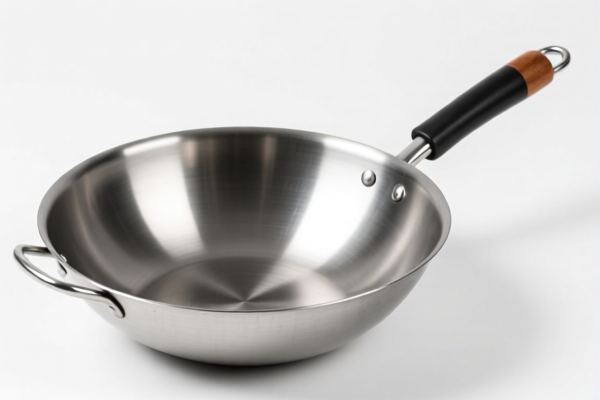
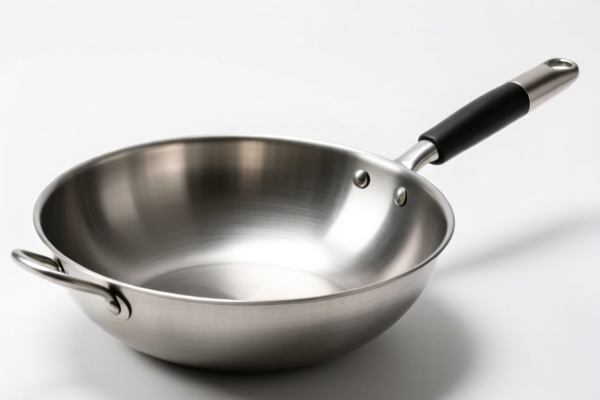
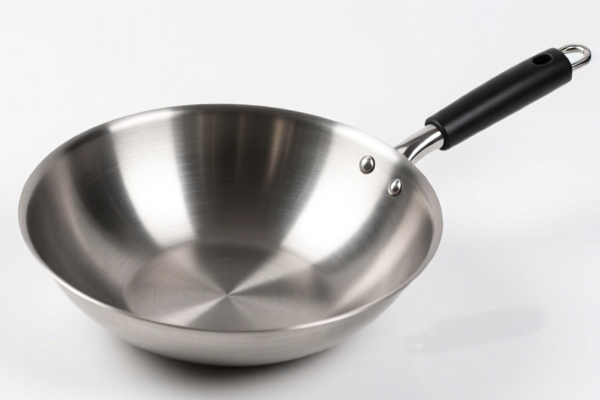
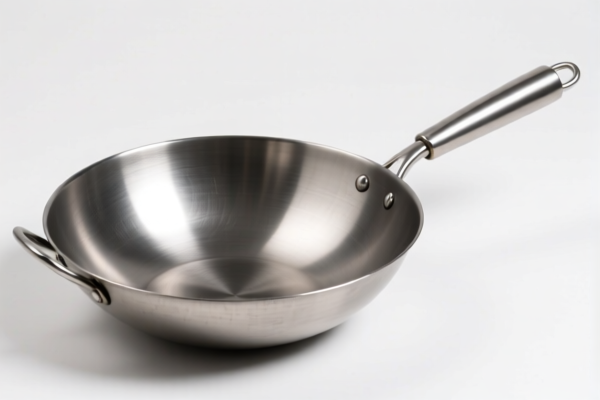
AI Analysis
🍳 Wok (Stir-Fry Pans & Kitchen Cookware)
🌐 HS Code Reference & Customs Clearance Guide | 2026 Latest Tariff Analysis | Professional Transit Strategy
📌 One, Product Definition & Classification: What Exactly is a "Wok"?
In international trade, a "Wok" is not a single unified commodity. It is categorized primarily by Material and Usage. The critical distinction lies in whether the material falls under ceramics (Section VI) or base metals like copper or aluminum (Section XV).
Base Metal Woks (Copper/Aluminum): * Copper/Copper Alloy: Usually classified under Heading 7418. * Aluminum: Usually classified under Heading 7615. * Key Feature: Conductive, metallic, often used for high-heat stir-frying.
Ceramic/Non-Metal Woks: * Ceramic/Enameled: Classified under Heading 6912. * Key Feature: Insulating, non-conductive base, often used for serving or low-heat cooking.
⚠️ Critical Distinction:
- If the wok is made of Copper/Copper Alloy → It triggers Section XV, Chapter 74 tariffs (High Impact).
- If the wok is made of Aluminum → It triggers Section XV, Chapter 76 tariffs (Moderate Impact).
- If the wok is Ceramic → It triggers Section VI, Chapter 69 tariffs (Lowest Impact).
📦 Two, HS Code Classification Details (Based on Provided Data)
Based on the provided <DATA> context, here are the exact HS Codes, their logical mapping, and tax implications for Woks.
| HS Code | Product Description | Material/Usage Logic | Total Tax Rate | Key Tariff Components |
|---|---|---|---|---|
7418.10.00.51 |
Household Cooking Appliance | Copper/Copper Alloy Wok | 70.5% | Base 3.0% + Section 301 7.5% + Section 122 10% + Section 232 (Cu) 50% |
7418.10.00.53 |
Cooking Utensil | Copper/Copper Alloy Wok | 70.5% | Base 3.0% + Section 301 7.5% + Section 122 10% + Section 232 (Cu) 50% |
6912.00.35.50 |
Kitchen Tableware | Non-Ceramic Metal/Composite Wok* | 19.8% | Base 9.8% + Section 301 0.0% + Section 122 10% |
6912.00.48.10 |
Kitchen Tableware | Ceramic Wok | 19.8% | Base 9.8% + Section 301 0.0% + Section 122 10% |
7615.10.71.55 |
Other Cookware | Aluminum Stir-Fry Pan | 63.1% | Base 3.1% + Section 301 0.0% + Section 122 10% + Section 232 (Al) 50% |
7615.10.71.25 |
Cookware for Food Prep | Aluminum Wok/Pan | 63.1% | Base 3.1% + Section 301 0.0% + Section 122 10% + Section 232 (Al) 50% |
🔍 Detailed Logic Analysis: - Copper Woks (
7418...): The data infers "Copper" based on the 50% Section 232 tariff line. These are the highest taxed items due to the cumulative burden of Base, Section 301, Section 122, and Section 232 duties. - Aluminum Woks (7615...): The data infers "Aluminum" (e.g., "stir-fry pan," "cooking utensils"). These incur the 50% Section 232 tariff on Aluminum, resulting in a high total rate of 63.1%. - Ceramic/Mixed Woks (6912...): The data infers "Ceramic" or "Non-porcelain metal/composite." These do not carry the Section 232 (232) steel/aluminum/copper tariffs. The total tax is significantly lower at 19.8%. Note:6912.00.35.50mentions "non-porcelain metal," which might be a data quirk, but the tax rate suggests it avoids the heavy metal surcharges found in the 74xx/76xx headings.
💰 Three, 2026 Latest Tariff Rate Breakdown
✅ Applicable Region: United States (US)
✅ Origin: China (CN) [Implied by Section 301/122/232 context]
✅ Key Tariff Clauses Involved: - Base Rate: Standard MFN rate. - Section 301 (122 Clause): 10% or 7.5% additional duty on Chinese goods. - Section 232 (7418/7615): 50% additional duty on Steel, Aluminum, and Copper products. - Total Calculation: Base + Sec 301 + Sec 122 + Sec 232 (if applicable).
🎯 1. Copper Woks (7418.10.00.51 / .53) — The Most Expensive Category
| Item | Detail |
|---|---|
| Base Duty | 3.0% |
| Section 301 / Clause 122 | 7.5% - 10% (Combined impact in data) |
| Section 232 (Copper) | 50% |
| Total Effective Rate | 70.5% |
| Why So High? | Copper is classified under "Steel, Aluminum, Copper" products subject to Section 232. The 50% penalty dominates the cost structure. |
| Legal Path | Section 232 (Cu) 50% → Section 122 (10%) → Section 301 (7.5%) → Base (3.0%) |
📌 Implication: Importing copper woks is extremely costly. Profit margins are likely destroyed unless the retail price is significantly marked up.
🎯 2. Aluminum Woks/Pans (7615.10.71.55 / .25) — High Cost Due to Aluminum Tariff
| Item | Detail |
|---|---|
| Base Duty | 3.1% |
| Section 301 / Clause 122 | 10% |
| Section 232 (Aluminum) | 50% |
| Total Effective Rate | 63.1% |
| Why So High? | Aluminum cookware falls under Section 232. Even though Section 301 might be lower, the 50% Section 232 tariff makes it prohibitive. |
| Legal Path | Section 232 (Al) 50% → Section 122 (10%) → Base (3.1%) |
📌 Implication: Standard aluminum woks face a 63.1% tariff. This is the highest barrier for mass-market aluminum cookware.
🎯 3. Ceramic/Composite Woks (6912.00.35.50 / .48.10) — The Cost-Effective Option
| Item | Detail |
|---|---|
| Base Duty | 9.8% |
| Section 301 / Clause 122 | 10% |
| Section 232 | 0% (Not steel, aluminum, or copper) |
| Total Effective Rate | 19.8% |
| Why So Low? | Ceramic (Heading 6912) is exempt from Section 232 tariffs. The total tax is the sum of Base and Section 122/301 duties. |
| Legal Path | Section 122 (10%) → Base (9.8%) |
📌 Implication: Ceramic or non-metal composite woks offer the best tariff efficiency. This is a strategic alternative for importers seeking to reduce landed costs.
🛠️ Four, Customs Clearance Practical Advice
✅ 1. Material Declaration is Key
| Scenario | Correct Declaration | Avoid |
|---|---|---|
| Copper Wok | "Copper Wok, Household Cooking Utensil, Material: Copper Alloy" | "Cookware" (Too vague) |
| Aluminum Wok | "Aluminum Stir-Fry Pan, Household Cookware, Material: Aluminum" | "Metal Pot" (Ambiguous) |
| Ceramic Wok | "Ceramic Wok, Tableware, Food-Grade Ceramic" | "Pot" (Could be misclassified as metal) |
🔥 Golden Rule:
"Specify Material, Specify Usage, Avoid Ambiguity!"
Misdeclaring an Aluminum Wok as "Ceramic" to avoid the 50% tariff will result in severe penalties, retroactive taxes, and potential fraud charges.
✅ 2. Documentation Checklist
| Document | Requirement | Note |
|---|---|---|
| Product Specification | ✔️ Must list exact material (e.g., "99% Copper," "Food-Grade Aluminum") | Vague descriptions like "Metal Wok" lead to customs detention. |
| Usage Statement | ✔️ "For Household Cooking" | Confirms heading 7418/7615/6912. |
| Material Certificate | ✔️ Mill test certificate or supplier declaration | Proves material composition to justify HS Code. |
| Commercial Invoice | ✔️ Clear description matching the HS Code | Match the summary in <DATA> (e.g., "Household Cooking Appliance"). |
✅ 3. Strategic Sourcing & Classification Tips
| Strategy | Action | Benefit |
|---|---|---|
| Avoid Copper/Aluminum | Switch to Ceramic, Stainless Steel (if not subject to 232 in this specific context), or Cast Iron (if classified differently) | Reduce tariff from ~63-70% to ~10-20%. |
| Verify Section 232 Applicability | Check if your specific alloy or form is exempt. | Some processed alloys may have different classifications, but raw cooking vessels are heavily targeted. |
| Use Pre-Ruling | Apply for an HTSUS Binding Ruling with CBP. | Legal certainty. Prevents future disputes over "Copper vs. Brass" or "Aluminum vs. Steel." |
🌍 Five, Global Market Comparison (Contextual Insight)
| Region | Typical Treatment for Metal Cookware | Note |
|---|---|---|
| 🇺🇸 USA | High Tariffs (63-70%) | Due to Section 232 (Al/Cu) and Section 301/122. |
| 🇪🇺 EU | Lower Tariffs (often 0-4%) | No Section 232 equivalent for these goods. |
| 🇨🇳 China | Export Duties May Apply | Depends on raw material export policies. |
📌 Conclusion:
The US market is exceptionally hostile to Copper and Aluminum cookware due to geopolitical trade measures. Importers should consider: 1. Product Pivot: Switch to ceramic or non-tariffed materials. 2. Supply Chain Shift: Manufacture in countries not subject to Section 301 (though Section 232 applies to global imports, origin may affect duty rates if exemptions apply). 3. Cost Absorption: Price in the high tariffs if the product is premium/luxury (e.g., high-end copper woks).
📌 Six, Common Mistakes & Pitfalls (Blood Lessons)
❌ Mistake 1: Declaring an Aluminum Wok as "Ceramic Pot" to save 50%.
👉 Result: Customs inspection reveals aluminum content. Confiscation + Fines + Back Taxes.
❌ Mistake 2: Ignoring the "Household Use" distinction.
👉 Result: If declared as "Industrial" or "Commercial," it might fall under different headings, but the Section 232 tariffs still apply to the base material. Misclassification leads to delays.
❌ Mistake 3: Assuming "Wok" is a single HS Code.
👉 Result: Woks are split by material. Using the wrong code leads to incorrect duty calculation and underpayment penalties.
✅ Correct Approach:
"Aluminum Wok, Household Use, Material: Aluminum Alloy" →
7615.10.71.25(63.1%)
"Ceramic Wok, Household Use, Material: Ceramic" →6912.00.48.10(19.8%)
🎯 Seven, Conclusion: Professional Classification for Cost Savings
🎯 Key Takeaway:
Material is Destiny.
In the US market, the difference between a Copper/Aluminum Wok and a Ceramic Wok is a 50%+ tariff gap.
63.1% vs 19.8%. This is not just a tax difference; it is a business model differentiator.
📌 Pro Tip:
If you are importing Copper or Aluminum Woks, consider:
1. Pre-Ruling: Get a binding decision from CBP.
2. Alternative Materials: Switch to stainless steel (check specific 7321 codes) or ceramic to avoid Section 232.
3. Duty Drawback: If you re-export, explore duty drawback programs.
📣 Immediate Action:
📞 Contact a Customs Broker to verify the exact material composition.
🚀 Review your BOM (Bill of Materials) to confirm base metal content.
💡 Re-evaluate your product mix to minimize Section 232 exposure.
✨ Professional clearance starts with precise classification!
💼 Every percent of tariff is a percent of profit lost!
Customer Reviews
About HS Code Classification
The Harmonized System (HS) is an internationally standardized nomenclature developed by the World Customs Organization (WCO) to classify traded products. Over 200 countries use the HS system as the basis for customs tariffs, trade statistics, and import/export regulations.
Each HS code follows a hierarchical structure:
- Chapter (2 digits) — Broad category of goods (e.g., Chapter 84: Machinery and Mechanical Appliances)
- Heading (4 digits) — More specific grouping within the chapter
- Subheading (6 digits) — Internationally standardized breakdown, used by all WCO member countries
- National subdivisions (8-10 digits) — Country-specific extensions for further classification, such as US HTSUS 10-digit codes
Correct HS code classification is essential for smooth customs clearance, accurate duty payment, and compliance with trade regulations. Misclassification can lead to customs delays, overpayment of duties, or penalties.
When importing from CN to US, the applicable tariff rates may include:
- Most-Favored-Nation (MFN) rate — The standard duty rate applied to WTO members
- General rate — Applied to countries without trade agreements
- Trade remedy duties — Additional tariffs such as Section 301 (anti-dumping), Section 232 (national security), or countervailing duties
The information provided on this page is for reference purposes only. For official classification, please consult with your local customs authority or a licensed customs broker.