Womens Cotton Briefs
CN → US| HS Code | Tariff Rate | Origin | Destination | Doc |
|---|---|---|---|---|
| 6117909060 | 32.1% | CN | US | Official Doc |
| 6117909080 | 32.1% | CN | US | Official Doc |
| 6108210010 | 25.1% | CN | US | Official Doc |
| 6108910005 | 26.0% | CN | US | Official Doc |
| 5208114020 | 44.0% | CN | US | Official Doc |
| 5208212040 | 43.4% | CN | US | Official Doc |
Product Images
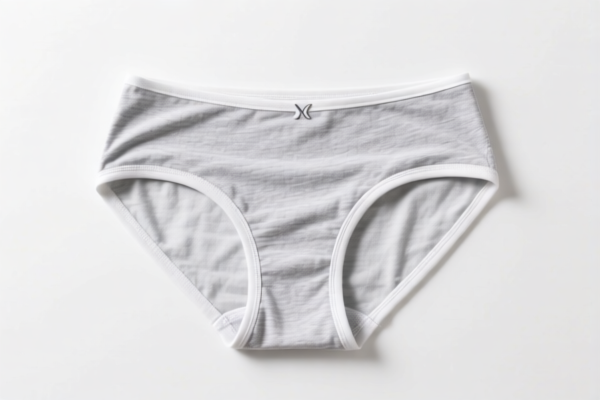
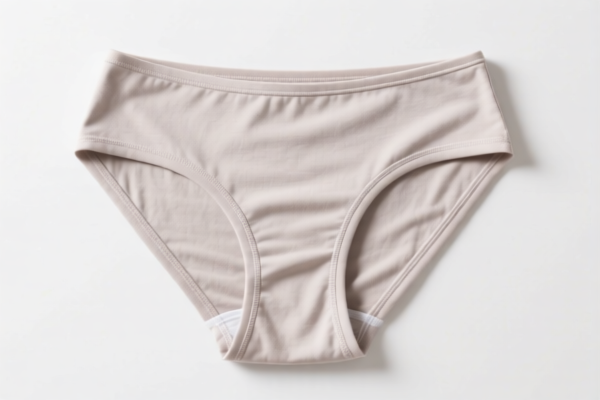
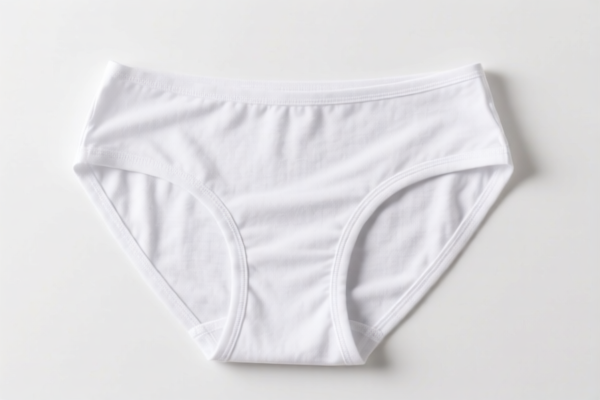
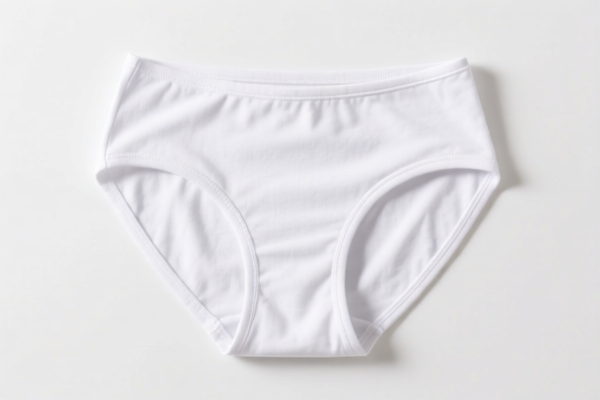
AI Analysis
👙 Women’s Cotton Briefs: The Ultimate HS Code & Tariff Breakdown (US Customs 2026)
🌐 HS Code Reference & Customs Clearance Guide | 2026 Latest Tariff Analysis | Professional Clearance Strategy
📌 I. Product Definition & Classification: Do You Really Know "Women's Cotton Briefs"?
Women's cotton briefs are a fundamental category in the apparel industry. However, under the Harmonized Tariff Schedule (HTS), they are not a single entity. The classification depends heavily on the exact material composition, construction method, and specific design attributes. Misclassification can lead to significant duty discrepancies, ranging from 25.1% to 44.0%.
In international trade, these items are typically classified into two main groups: 1. Knitted/ Crocheted Underwear (Chapter 61): Most common for stretchy, form-fitting briefs. 2. Woven Cotton Fabrics/Parts (Chapters 52 or 61 Accessories): Less common for standard underwear but possible for specific non-stretch woven styles or parts.
⚠️ Key Distinction Point:
- If the item is a finished garment (sewn, with waistband, leg openings) made of knit cotton → It usually falls under 6108.21.00.10 or 6108.91.00.05.
- If the item is classified as a "part or accessory" rather than the underwear itself (e.g., specific elastic bands or non-integrated components) → It may fall under 6117.90.
- If the item is incorrectly classified as raw woven fabric rather than a garment → It falls under 5208.xx, resulting in higher duties due to tariff engineering penalties or misclassification of value.
📦 II. HS Code Classification Details (2026 Latest Tariff Authority Cross-Reference)
| HS Code | Product Description | Application Scenario | Duty Rate |
|---|---|---|---|
6108.21.00.10 |
Women's cotton briefs, underwear/panties, for adult women | Standard knit cotton panties. This is the most accurate code for typical, form-fitting cotton underwear. | 25.1% |
6108.91.00.05 |
Women's cotton briefs, classified as underwear/panties, meets classification requirements | Alternative knit cotton panties. Often used if the specific cut or style doesn't fit the "21" subheading perfectly but is still clearly underwear. | 26.0% |
6117.90.90.60 |
Women's cotton briefs, material cotton, categorized as pants/shorts category | Misclassification Risk: Some customs brokers might incorrectly group tight cotton briefs as "shorts" or "pants" if they are looser styles. Use with caution. | 32.1% |
6117.90.90.80 |
Women's cotton briefs, material cotton, classified as garment parts/accessories | High Risk: Classifying finished underwear as a "part/accessory" is often challenged. Only apply if these are non-integrated accessories (e.g., separate waistbands) or if the product is technically a "part of a garment" in specific legal contexts. | 32.1% |
5208.11.40.20 |
Women's cotton briefs, material cotton, finished consumer good, meets woven cotton fabric requirements | Extreme Risk: Classifying a finished garment as woven fabric (5208) is a major error. This usually happens when the distinction between knit and weave is ignored. Cotton briefs are rarely woven. |
44.0% |
5208.21.20.40 |
Women's cotton briefs, material cotton, finished product, logic of cotton fabric made into garments/underwear | Extreme Risk: Similar to above. This code is for woven cotton fabric or items mistakenly viewed as such. Applying this to finished underwear will likely trigger an audit for undervaluation/misclassification. | 43.4% |
🔍 Key Reminder:
- Knit vs. Woven: 99% of women's cotton briefs are Knitted (Chapter 61). If you classify them as Woven (Chapter 52, HS Codes 5208...), you are likely misclassifying the product, leading to the highest duties (~44%) and potential penalties.
- Underwear vs. Parts: Finished underwear should be classified under 6108 (Women's underpants, nighties, pyjamas, etc.). Using 6117 (Parts/Accessories) or 5208 (Fabric) is often a compliance error.
💰 III. 2026 Latest Tariff Rate Breakdown (Including Additional Duties, Policy Add-ons)
✅ Applicable Country: United States (US)
✅ Origin: China (CN)
✅ Effective Time: November 10, 2025 (including subsequent imports)
🎯 1. 6108.21.00.10 — Women's Cotton Briefs (Standard Underwear)
| Item | Content |
|---|---|
| Base Rate | 7.6% (Most Favored Nation) |
| Section 301 Surcharge | +7.5% |
| Section 301 Tariff 122 | +10% (Specific provision for certain textile/apparel items) |
| Total Rate | 25.1% |
| Tax Calculation | CIF Value × 25.1% |
| De Minimis Exemption | ❌ Not Eligible (Deny De Minimis) |
| Legal Basis Path | USITC:6108.21.00.10 → SECTION301:7.5% → SECTION122:10% |
📌 Explanation:
- The 7.6% is the standard MFN rate for knit women's underwear.
- The 7.5% is the Section 301 surcharge applicable to most Chinese textiles.
- The 10% is the additional "122 Clause" tariff specifically targeting certain apparel items.
- Total 25.1% is the lowest among the provided codes, making6108.21.00.10the most cost-effective and accurate code for standard cotton briefs.
🎯 2. 6108.91.00.05 — Women's Cotton Briefs (Alternative Underwear)
| Item | Content |
|---|---|
| Base Rate | 8.5% |
| Section 301 Surcharge | +7.5% |
| Section 301 Tariff 122 | +10% |
| Total Rate | 26.0% |
| Tax Calculation | CIF Value × 26.0% |
| De Minimis Exemption | ❌ Not Eligible |
| Legal Basis Path | USITC:6108.91.00.05 → SECTION301:7.5% → SECTION122:10% |
📌 Note:
- Slightly higher base rate (8.5% vs 7.6%) compared to6108.21.00.10.
- Use this code if the specific style does not meet the criteria for6108.21(e.g., specific fabric weight or cut definitions).
🎯 3. 6117.90.90.60 / 6117.90.90.80 — Parts/Accessories or Pants Category
| Item | Content |
|---|---|
| Base Rate | 14.6% |
| Section 301 Surcharge | +7.5% |
| Section 301 Tariff 122 | +10% |
| Total Rate | 32.1% |
| Tax Calculation | CIF Value × 32.1% |
| De Minimis Exemption | ❌ Not Eligible |
| Legal Basis Path | USITC:6117.90.90.xx → SECTION301:7.5% → SECTION122:10% |
📌 Warning:
- Base rate is double that of actual underwear (14.6%).
- Classifying finished briefs as "parts" or "pants" is a common mistake that increases costs by 7% (32.1% - 25.1%).
- Only use if the product is genuinely a part (e.g., elastic waistband sold separately) or if the specific garment is legally defined as "shorts" rather than "underwear."
🎯 4. 5208.11.40.20 / 5208.21.20.40 — Woven Cotton Fabric (Misclassification)
| Item | Content |
|---|---|
| Base Rate | 9.0% (for 5208.11) / 8.4% (for 5208.21) |
| Section 301 Surcharge | +25% |
| Section 301 Tariff 122 | +10% |
| Total Rate | 44.0% (for 5208.11) / 43.4% (for 5208.21) |
| Tax Calculation | CIF Value × 44.0% |
| De Minimis Exemption | ❌ Not Eligible |
| Legal Basis Path | USITC:5208.xx.xx.xx → SECTION301:25% → SECTION122:10% |
📌 Critical Alert:
- HIGHEST DUTY TIER.
- The Section 301 surcharge is 25% (not 7.5%) for these woven fabric codes.
- Applying these codes to finished underwear is a severe compliance error. Customs may reclassify, apply penalties, and demand back payments.
- These codes are for raw woven cotton fabric, not garments.
🛠️ IV. Customs Clearance Practical Advice (Battle-Tested Pitfall Avoidance)
✅ 1. Required Documentation Checklist (Essential)
| Document | Mandatory | Notes |
|---|---|---|
| ✅ Product Specification Sheet | ✔️ | Must specify: Material (100% Cotton or % blend), Knit vs. Woven, Age Group (Adult), Item Type (Briefs/Underwear). |
| ✅ Product Photos | ✔️ | Clear images of front, back, inside label, and waistband. Label must show fiber content. |
| ✅ Commercial Invoice | ✔️ | Description must be precise: "Women's Knit Cotton Underwear, Briefs Style, 100% Cotton." Avoid vague terms like "Garment Parts" unless accurate. |
| ✅ Packing List | ✔️ | Confirm dimensions and weights. |
| ✅ Origin Certificate (CO) | ✔️ | If applicable, though US tariffs on China apply regardless. |
| ✅ Third-Party Lab Test Report | ✔️ | Recommended to prove Knit structure vs. Woven. Proves it is NOT fabric. |
✅ 2. Declaration Tips (Key Mantra)
🔥 “Be Precise: Knit Underwear is 6108, Not 5208 or 6117! Accuracy Saves 19%!”
| Scenario | Correct Declaration | Incorrect Declaration |
|---|---|---|
| Standard Cotton Briefs | 6108.21.00.10 |
6117.90.90.80 (Parts) → +7% cost |
| Tight Cotton Panties | 6108.21.00.10 |
5208.11.40.20 (Fabric) → +18.9% cost |
| Cotton Underwear Shorts (Loose) | Check 6108 first, then 6117 |
Assume 5208 → Audit Risk |
| Woven Cotton Underwear (Rare) | 6109 or 6117 (if not underwear) |
5208 → Still Risky |
✅ 3. Special Case Handling
| Scenario | Handling Advice |
|---|---|
| OEM Private Label | Provide brand authorization and design specs. Ensure label matches HTS description. |
| Mixed Material (Cotton + Spandex) | Still classified under 6108 if cotton is the principal material. Ensure label states % composition. |
| "Shapewear" or "Control Top" Briefs | Still generally 6108.21.00.10 if marketed as underwear. If marketed as "shapewear," it might still be underwear but require stronger justification. |
| Children's Briefs | Different Code! (6109 or 6111). The data provided is for Adult Women. Do not use this data for kids' items. |
🌍 V. Global Market Comparison (2026 Latest)
| Country/Region | Recommended HS Code | Duty Rate (China Origin) | Certification | Notes |
|---|---|---|---|---|
| 🇺🇸 USA | 6108.21.00.10 |
25.1% | None specific | Highest duty risk due to Section 301 & 122. |
| 🇨🇳 China | 6108.21.00.00 |
~8-10% (Import) | CCC (if applicable) | Lower duties, but data is for US export. |
| 🇪🇺 EU | 6108.21.00 |
8% | CE (if marked) | No Section 301. Much cheaper than US. |
| 🇨🇦 Canada | 6108.21.00.00 |
0-16% | None | Check CUSMA eligibility if applicable. |
| 🇬🇧 UK | 6108.21.00 |
12% | UKCA | Post-Brexit tariffs. |
📌 Conclusion:
- The US is the most expensive market for Chinese cotton underwear due to Section 301 (7.5%) and Section 122 (10%) surcharges.
- EU and other markets have significantly lower duties (~8-12%).
- Consider supply chain diversification (e.g., Vietnam, Bangladesh) if targeting the US market to avoid these high tariffs.
📌 VI. Common Errors & Pitfall Guide (Blood & Tears Lessons)
❌ Error 1: Classifying finished underwear as "Woven Fabric" (5208)
👉 Consequence: 44% Duty + Potential Fraud Investigation.
✅ Fix: Verify if the item is Knit (stretchy, looped structure) or Woven. Most briefs are knit.
❌ Error 2: Classifying finished underwear as "Parts/Accessories" (6117)
👉 Consequence: 32.1% Duty.
✅ Fix: If it is a complete, ready-to-wear garment, it is Underwear (6108), not a part.
❌ Error 3: Vague Description on Invoice ("Cotton Briefs")
👉 Consequence: Customs may assign a default higher rate or request additional info.
✅ Fix: Use specific HTS description: "Women's Knit Cotton Underwear, Briefs Style."
❌ Error 4: Ignoring "Section 122" Tariff
👉 Consequence: Underestimating total duty by 10%.
✅ Fix: Always add the 10% Section 122 tariff to textile items from China to the US.
🎯 VII. Conclusion: Precision Classification for Maximum Profit
🎯 Remember the Mantra:
🔹 "Knit Underwear = 6108.21 = 25.1%"
🔹 "Fabric Codes = 5208 = 44% (Avoid!)"
🔹 "Parts Codes = 6117 = 32.1% (Avoid!)"
🔹 "Section 301 + 122 = High Cost, Plan Ahead!"
📌 Pro Tip:
If your cotton briefs are made in Vietnam, Bangladesh, or Indonesia, you may qualify for lower or zero Section 301/122 tariffs in the US.
Recommend pre-classification ruling from CBP if the product is on the borderline (e.g., "Shapewear" vs. "Underwear").
📣 Immediate Action:
📞 Contact a licensed customs broker + Provide product photos + Confirm Knit vs. Woven
🚀 Ensure your invoice reads "Women's Knit Cotton Underwear" to secure the 25.1% rate.
💼 Your profit margin depends on accurate HS codes!
✨ Professional Clearance Starts with Precise Classification!
💼 Every 1% difference in duty is pure profit!
Customer Reviews
About HS Code Classification
The Harmonized System (HS) is an internationally standardized nomenclature developed by the World Customs Organization (WCO) to classify traded products. Over 200 countries use the HS system as the basis for customs tariffs, trade statistics, and import/export regulations.
Each HS code follows a hierarchical structure:
- Chapter (2 digits) — Broad category of goods (e.g., Chapter 84: Machinery and Mechanical Appliances)
- Heading (4 digits) — More specific grouping within the chapter
- Subheading (6 digits) — Internationally standardized breakdown, used by all WCO member countries
- National subdivisions (8-10 digits) — Country-specific extensions for further classification, such as US HTSUS 10-digit codes
Correct HS code classification is essential for smooth customs clearance, accurate duty payment, and compliance with trade regulations. Misclassification can lead to customs delays, overpayment of duties, or penalties.
When importing from CN to US, the applicable tariff rates may include:
- Most-Favored-Nation (MFN) rate — The standard duty rate applied to WTO members
- General rate — Applied to countries without trade agreements
- Trade remedy duties — Additional tariffs such as Section 301 (anti-dumping), Section 232 (national security), or countervailing duties
The information provided on this page is for reference purposes only. For official classification, please consult with your local customs authority or a licensed customs broker.