Womens Swimming Bikini Sets
CN → US| HS Code | Tariff Rate | Origin | Destination | Doc |
|---|---|---|---|---|
| 6112410010 | 42.4% | CN | US | Official Doc |
| 6112410030 | 42.4% | CN | US | Official Doc |
| 6104220090 | 0.0% | CN | US | Official Doc |
| 6104292069 | 0.0% | CN | US | Official Doc |
| 6112410010 | 42.4% | CN | US | Official Doc |
Product Images
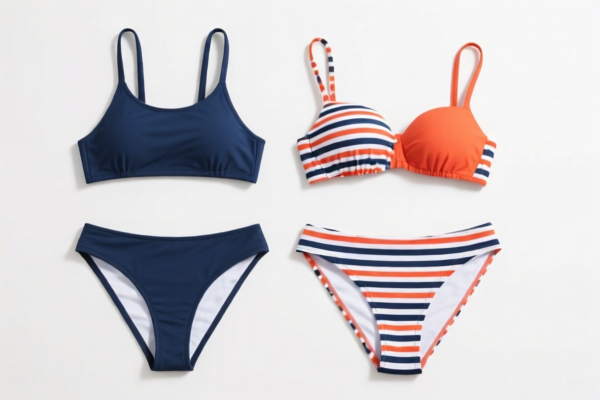
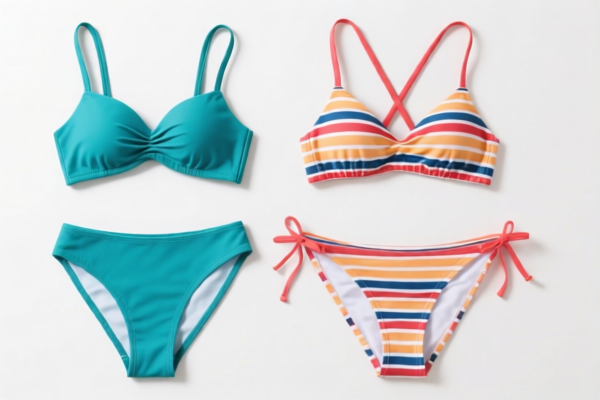
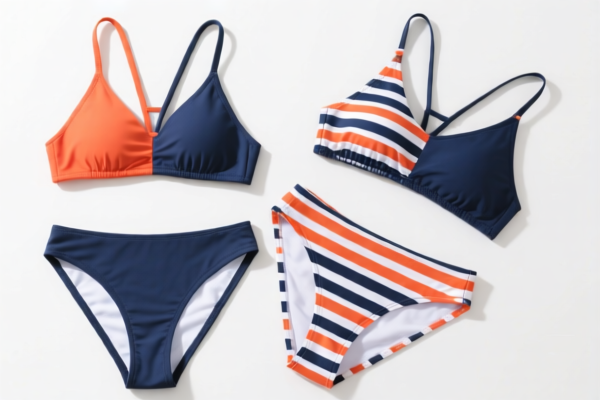
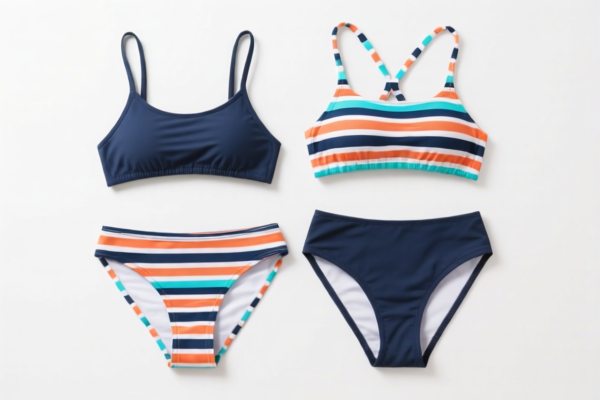
AI Analysis
👙 Women's Swimming Bikini Sets (Knitted/Crocheted)
🌐 HS Code Reference & Customs Clearance Guide | 2026 Latest Tariff Analysis | Professional Clearance Strategy
📌 I. Product Definition & Classification: Do You Really Know "Bikini Sets"?
Women's swimming bikini sets are essential swimwear items designed for female use. In international trade, they are classified based on material composition (Synthetic Fibers vs. Cotton/Other Textiles) and manufacturing method (Knitted vs. Crocheted). The classification significantly impacts the tariff burden, especially under current US trade policies.
⚠️ Key Distinction Points:
- Synthetic Fiber Knitted/Crocheted: Highly regulated under Section 301 and IEEPA. High tariff burden.
- Cotton/Crocheted Ensembles: Calculated based on the rate applicable to each garment if classified separately. Variable tariff burden.
📦 II. HS Code Classification Details (2026 Latest Tariff Authority Comparison)
| HS Code | Product Description | Material/Method | Total Tax Rate |
|---|---|---|---|
6112.41.00.10 |
Women's Bikini Swimwear Sets | Knitted/Crocheted, Synthetic Fiber | 42.4% |
6112.41.00.30 |
Women's Bikini Swimwear Sets | Knitted/Crocheted, Synthetic Fiber | 42.4% |
6104.22.00.90 |
Women's Crochet Bikini Sets | Cotton/Other Textile | Base Rate + 17.5% |
6104.29.20.69 |
Women's Crochet Bikini Sets | Other Textile Materials | Base Rate + 10.0% |
🔍 Important Note:
- Codes6112.41.00.10and6112.41.00.30apply specifically to synthetic fiber swimwear (e.g., Nylon, Polyester).
- Codes6104.22.00.90and6104.29.20.69apply to cotton or other textile crochet sets, where tariffs are calculated per garment component.
💰 III. 2026 Latest Tariff Rate Details (Including Surcharges & Policy Add-ons)
✅ Applicable Country: United States (US)
✅ Origin: China (CN)
✅ Effective Time: Current trade policy enforcement (Section 301 & IEEPA)
🎯 1. 6112.41.00.10 & 6112.41.00.30 —— Synthetic Fiber Bikini Sets (Knitted/Crocheted)
| Item | Detail |
|---|---|
| Base Tariff | 24.9% |
| Section 301 Surcharge | 7.5% |
| Section 122 Tariff | 10% |
| Total Tax Rate | 42.4% |
| Tax Calculation | CIF Value × 42.4% |
| Legal Basis Path | HTSUS 6112.41 → Section 301 Footnotes → Section 122 Provisions |
📌 Explanation:
- "Base Tariff 24.9%": Standard MFN (Most Favored Nation) rate for knitted synthetic swimwear.
- "Section 301 Surcharge 7.5%": Additional tariff imposed on Chinese goods under the Trade Act of 1974.
- "Section 122 Tariff 10%": Additional tariff under Section 122 of the Trade Act of 1974 (often applied to specific categories to protect domestic industry).
- Combined Total: 42.4%. This is a high tariff category. Importers must factor this into their cost structure.
🎯 2. 6104.22.00.90 —— Crochet Bikini Sets (Cotton/Other Textile)
| Item | Detail |
|---|---|
| Base Tariff | Applicable rate per garment (if classified separately) |
| Section 301 Surcharge | 7.5% |
| Section 122 Tariff | 10% |
| Total Tax Rate | Base Rate + 17.5% |
| Tax Calculation | Sum of (Base Rate of Top + Base Rate of Bottom) × 1.175 |
📌 Note:
- For crochet sets made of cotton or other textiles, the tariff is calculated on each component (top and bottom) if they were classified separately.
- The 17.5% is the sum of Section 301 (7.5%) and Section 122 (10%) applied to the base rate.
🎯 3. 6104.29.20.69 —— Crochet Bikini Sets (Other Textile Materials)
| Item | Detail |
|---|---|
| Base Tariff | Applicable rate per garment (if classified separately) |
| Section 301 Surcharge | 0.0% |
| Section 122 Tariff | 10% |
| Total Tax Rate | Base Rate + 10.0% |
| Tax Calculation | Sum of (Base Rate of Top + Base Rate of Bottom) × 1.10 |
📌 Note:
- For this specific subheading, the Section 301 surcharge is 0%, but Section 122 applies at 10%.
- This may offer a slightly lower tariff burden compared to synthetic fibers, depending on the base rate.
🛠️ IV. Customs Clearance Practical Advice (Real-World Pitfall Guide)
✅ 1. Required Documents Checklist (No Exceptions)
| Document | Mandatory | Description |
|---|---|---|
| ✅ Product Specification Sheet | ✔️ | Must include material composition (e.g., 80% Nylon, 20% Spandex), knitting/crochet method, and intended use (swimwear). |
| ✅ Composition Certificate | ✔️ | Critical for distinguishing between Synthetic Fiber (6112) and Cotton/Other (6104). |
| ✅ Product Photos (Clear) | ✔️ | Show labels, tags, and construction details (knitted vs. woven vs. crochet). |
| ✅ Commercial Invoice | ✔️ | Must clearly state "Women's Bikini Swimwear Set" and correct HS Code. |
| ✅ Packing List | ✔️ | Detail items included (e.g., top + bottom) to justify ensemble classification. |
| ✅ Origin Certificate | ✔️ | If claiming duty-free or reduced rates under FTAs (though limited for US-China). |
✅ 2. Declaration Tips (Key Mnemonics)
🔥 "Material Matters, Knit vs. Crochet, Tariff Varies!"
| Scenario | Correct Declaration | Incorrect Practice |
|---|---|---|
| Synthetic Fiber Knitted/Crocheted | 6112.41.00.10 or 6112.41.00.30 |
Misclassifying as cotton → Penalty + Back Taxes |
| Cotton Crochet Sets | 6104.22.00.90 |
Misclassifying as synthetic → 42.4% instead of Base + 17.5% |
| Other Textile Crochet Sets | 6104.29.20.69 |
Misclassifying as synthetic → 42.4% instead of Base + 10% |
| Woven Swimwear | Not in Dataset (Likely 6104.43/44) | Assuming all swimwear is 6112 |
✅ 3. Special Case Handling
| Case | Handling Advice |
|---|---|
| Mixed Material Sets | If a set has synthetic tops and cotton bottoms, customs may classify based on the principal material or apply component-wise valuation. |
| OEM/Private Label | Provide design drawings and material specs to prove "knitted/crocheted" status. |
| Section 122 Applicability | Verify if Section 122 tariffs are currently active for your specific entry date. Policies may change. |
| De Minimis Exemption | ❌ Not Applicable. These goods are subject to high tariffs and do not qualify for $800 de minimis exemption. |
🌍 V. Global Market Comparison (2026 Latest)
| Country/Region | Recommended HS Code | Tariff (China Origin) | Certification Required | Notes |
|---|---|---|---|---|
| 🇺🇸 USA | 6112.41.00.10 |
42.4% (Synthetic) | None Specific | High tariff due to Section 301 & 122 |
| 🇨🇳 China | 6112.41.00.10 |
12-20% (Approx.) | CCC (if applicable) | Lower base tariff |
| 🇪🇺 EU | 6104.43.90 |
12% | CE (if labeled as PPE) | Different HS structure |
| 🇬🇧 UK | 6104.43.90 |
12% | UKCA | Post-Brexit alignment |
| 🇦🇺 Australia | 6104.43.90 |
5% | None | Competitive market |
📌 Conclusion:
- USA has the highest tariff burden for Chinese-origin swimwear due to Section 301 and 122.
- Material classification is critical: Synthetic fiber faces the highest combined rate (42.4%).
- Crochet/Cotton options may offer lower total rates (Base + 17.5% or Base + 10%), but require precise component valuation.
📌 VI. Common Mistakes & Pitfall Guide (Blood Lessons)
❌ Mistake 1: Classifying synthetic bikinis as "Cotton" to avoid 42.4%
👉 Consequence: Customs audit, penalty, back taxes, and potential seizure.
❌ Mistake 2: Ignoring Section 122 tariffs
👉 Consequence: Underpayment of duties by 10%. Customs will demand payment with interest.
❌ Mistake 3: Incorrectly applying "Ensemble" rules to synthetic knitwear
👉 Consequence: Synthetic knitwear (6112) is treated as a single unit, not component-wise. Misapplication leads to over/under payment.
❌ Mistake 4: Using generic terms like "Swimwear" without specifying "Bikini Set" or material
👉 Consequence: Customs may assign a default higher rate or request additional documentation, delaying clearance.
✅ Correct Practice:
"Women's Bikini Swimwear Set, Knitted, 80% Nylon/20% Spandex, Synthetic Fiber, US Origin? No. China Origin."
🎯 VII. Conclusion: Professional Declaration, Save Time & Money!
🎯 Remember the Mnemonic:
🔹 "Synthetic 42%, Cotton 17.5%, Other 10% Extra!"
🔹 "Material is Key, Section 122 Adds 10%, Don't Let It Cost You!"
📌 Pro Tip:
- If possible, consider crochet sets made of cotton or other textiles (
6104.22.00.90or6104.29.20.69) if the base rate is low, as they may have a lower total tariff than synthetic fiber (42.4%).- Always verify the current status of Section 122 tariffs with a licensed customs broker.
- Apply for Advance Ruling if unsure about classification to avoid post-clearance adjustments.
📣 Take Action Now:
📞 Consult a Licensed Customs Broker
📄 Provide Detailed Material Composition
🚀 Ensure Accurate HS Code Classification to Avoid Penalties!
✨ Professional Clearance Starts with Precise Classification!
💼 Every Percent of Duty Saved is Pure Profit!
Customer Reviews
About HS Code Classification
The Harmonized System (HS) is an internationally standardized nomenclature developed by the World Customs Organization (WCO) to classify traded products. Over 200 countries use the HS system as the basis for customs tariffs, trade statistics, and import/export regulations.
Each HS code follows a hierarchical structure:
- Chapter (2 digits) — Broad category of goods (e.g., Chapter 84: Machinery and Mechanical Appliances)
- Heading (4 digits) — More specific grouping within the chapter
- Subheading (6 digits) — Internationally standardized breakdown, used by all WCO member countries
- National subdivisions (8-10 digits) — Country-specific extensions for further classification, such as US HTSUS 10-digit codes
Correct HS code classification is essential for smooth customs clearance, accurate duty payment, and compliance with trade regulations. Misclassification can lead to customs delays, overpayment of duties, or penalties.
When importing from CN to US, the applicable tariff rates may include:
- Most-Favored-Nation (MFN) rate — The standard duty rate applied to WTO members
- General rate — Applied to countries without trade agreements
- Trade remedy duties — Additional tariffs such as Section 301 (anti-dumping), Section 232 (national security), or countervailing duties
The information provided on this page is for reference purposes only. For official classification, please consult with your local customs authority or a licensed customs broker.