Wood Charcoal
CN → US| HS Code | Tariff Rate | Origin | Destination | Doc |
|---|---|---|---|---|
| 4402200000 | 35.0% | CN | US | Official Doc |
| 4402900100 | 35.0% | CN | US | Official Doc |
| 4402100000 | 35.0% | CN | US | Official Doc |
| 2704000025 | 10.0% | CN | US | Official Doc |
| 2704000011 | 10.0% | CN | US | Official Doc |
Product Images
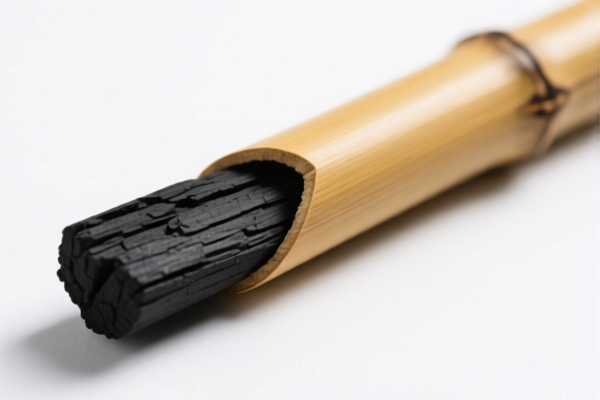
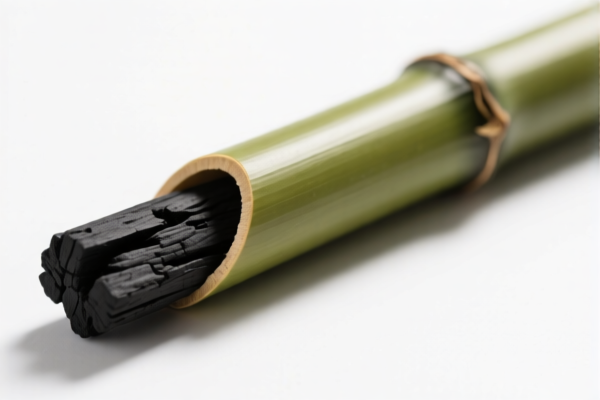
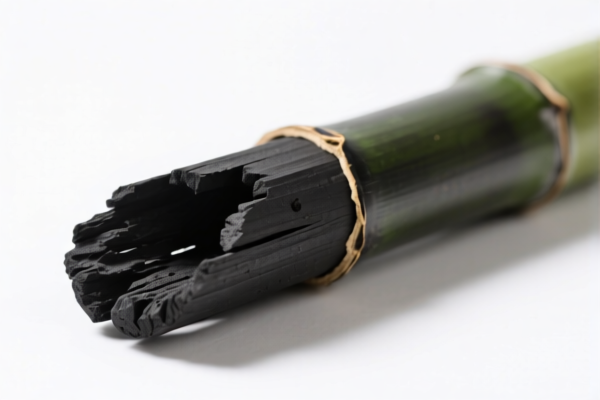
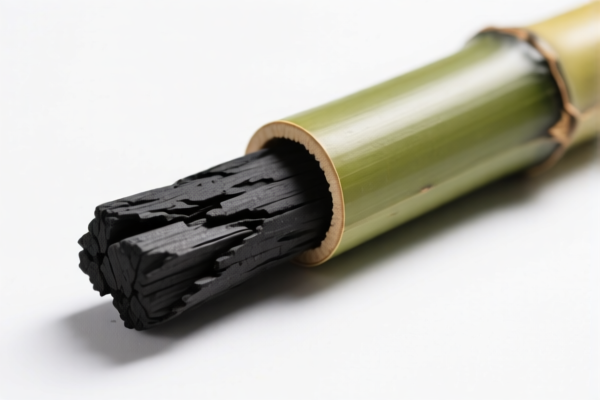
AI Analysis
🔥 Wood Charcoal & Biomass Charcoal (Biomass Fuels)
🌐 HS Code Reference & Customs Clearance Guide | 2026 Latest Tariff Analysis | Professional Level Clearance Strategy
📌 I. Product Definition & Classification: Do You Really Understand "Charcoal"?
Wood charcoal, in international trade, is categorized based on its raw material source (wood vs. bamboo) and physical form. It is primarily used as a fuel source, metallurgical reducing agent, or in filtration applications.
Biomass Charcoal (Shell/Nut Charcoal): Charcoal produced from coconut shells, olive stones, or other nuts; classified under specific subheadings based on origin.
General Wood/Bamboo Charcoal: Charcoal derived from general timber or bamboo, falling under residual categories if not specified.
Metallurgical Coke: A distinct product derived from coal, often confused with charcoal but chemically and physically different, falling under Chapter 27.
⚠️ Key Distinction Point:
- If made from Wood, Bamboo, Coconut Shells, or Nut Shells → Belongs to Chapter 44 (4402)
- If made from Coal (Coke/Semi-coke) → Belongs to Chapter 27 (2704)
- Bamboo Charcoal is explicitly classified under 4402.10, not mixed with general wood charcoal.
📦 II. HS Code Classification Details (2026 Latest Tariff Authority Comparison)
| HS Code | Product Description | Applicable Scenario | Material Basis |
|---|---|---|---|
4402.20.00.00 |
Charcoal (including shell or nut charcoal), whether or not agglomerated; specifically from shells or nuts | Coconut shell charcoal, olive pit charcoal, agglomerated biomass briquettes | ✅ Shell/Nut |
4402.90.01.00 |
Other charcoal, including shell or nut charcoal, from wood or bamboo (general category) | General wood charcoal, bamboo charcoal (if not specified as 4402.10), agglomerated wood charcoal | ✅ Wood/Bamboo |
4402.10.00.00 |
Charcoal from bamboo | Specific bamboo charcoal products, widely used in Asian markets | ✅ Bamboo |
4402.90.01.00 |
Other charcoal, used as a fallback category | Any wood/bamboo charcoal not fitting specific shell/nut or bamboo-only subheads | ✅ Wood/Bamboo |
2704.00.00.25 |
Coke and semi-coke of coal, whether or not agglomerated | Metallurgical coke, industrial fuel coke from coal | ❌ Coal (Not Biomass) |
🔍 Key Reminder:
- Bamboo Charcoal has its own specific code (4402.10.00.00). Do not default to "Other" (4402.90) if it is explicitly bamboo. - Shell/Nut Charcoal (e.g., Coconut) goes to 4402.20. - Coal Coke is NOT charcoal in the biological sense; it is a mineral fuel product under Chapter 27. Misclassification here can lead to severe penalties.
💰 III. 2026 Latest Tariff Rate Details (Including Surtaxes & Policy Add-ons)
✅ Applicable Country: United States (US)
✅ Country of Origin: China (CN)
✅ Effective Date: From November 10, 2025 (including subsequent imports)
🎯 1. 4402.20.00.00 – Shell/Nut Charcoal (e.g., Coconut Shell Charcoal)
| Item | Content |
|---|---|
| Base Tariff Rate | 0% (ad valorem) |
| USITC Surcharge | +25% (From USITC Footnote, Section 301 Tariffs) |
| IEEPA Surcharge | +10% (Targeting China/HK products, effective Nov 10, 2025) |
| Total Tariff Rate | 35.0% |
| Tax Calculation | CIF Value × 35% |
| De Minimis Eligibility | ❌ Not Eligible (deny_de_minimis) |
| Legal Basis Path | IEEPA:9903.01.25 → USITC:4402.20.00.00 → FOOTNOTE:301 |
📌 Explanation:
- The 25% USITC surcharge is a standard Section 301 tariff on many Chinese goods. - The 10% IEEPA surcharge is a new addition under the International Emergency Economic Powers Act for specific Chinese imports. - Total 35%: This is a high tariff burden. Profit margins must account for this significant cost increase.
🎯 2. 4402.90.01.00 – Other Charcoal (Wood/Bamboo General Category)
| Item | Content |
|---|---|
| Base Tariff Rate | 0% |
| USITC Surcharge | +25% |
| IEEPA Surcharge | +10% |
| Total Tariff Rate | 35.0% |
| Tax Calculation | CIF Value × 35% |
| De Minimis Eligibility | ❌ Not Eligible |
| Legal Basis Path | IEEPA:9901.25 → IEEPA:9903.01.24 → USITC:4402.90.01.00 → FOOTNOTE:301 |
📌 Note:
- Same as Shell Charcoal; both fall under the same high-surtax bracket for Chinese origin. - Applies to general Wood Charcoal and Bamboo Charcoal (if not specifically declared as bamboo-only under 4402.10, though rates are identical here). - Agglomerated charcoal briquettes also fall here if made from wood dust/powder.
🎯 3. 4402.10.00.00 – Charcoal from Bamboo
| Item | Content |
|---|---|
| Base Tariff Rate | 0% |
| USITC Surcharge | +25% |
| IEEPA Surcharge | +10% |
| Total Tariff Rate | 35.0% |
| Tax Calculation | CIF Value × 35% |
| De Minimis Eligibility | ❌ Not Eligible |
| Legal Basis Path | IEEPA:9903.01.25 → USITC:4402.10.00.00 → FOOTNOTE:301 |
📌 Note:
- Even though Bamboo is a distinct material, it shares the 35% total tax rate with wood and shell charcoal when imported from China to the US. - Crucial: Ensure the product description explicitly states "Bamboo" to avoid confusion with "Wood" (4402.90), although the tax rate is the same, the classification accuracy is vital for compliance.
🎯 4. 2704.00.00.25 – Coke & Semi-Coke of Coal
| Item | Content |
|---|---|
| Base Tariff Rate | 0% |
| USITC Surcharge | +0% (Exempt/Not Applied in this dataset) |
| IEEPA Surcharge | +10% |
| Total Tariff Rate | 10.0% |
| Tax Calculation | CIF Value × 10% |
| De Minimis Eligibility | ❌ Not Eligible |
| Legal Basis Path | IEEPA:9903.01.25 → USITC:2704.00.00.25 |
📌 Critical Distinction:
- Coal Coke is significantly cheaper in tariffs (10% vs 35%) but is a completely different product. - If you are shipping biomass charcoal (wood/bamboo/shell) but declare it as Coal Coke, this is fraud. - Why?: Coke is black, shiny, and made from coal. Charcoal is black, matte, and made from biomass. Customs can easily distinguish them via physical inspection.
🛠️ IV. Customs Clearance Practical Advice (Battlefield Pitfall Avoidance Guide)
✅ 1. Documentation Checklist (Missing Any Will Delay Clearance)
| Document | Required | Explanation |
|---|---|---|
| ✅ Product Specification Sheet | ✔️ | Must specify: Raw Material (Wood/Bamboo/Shells), Ash Content, Moisture Content, Fixed Carbon. |
| ✅ HS Code Justification Letter | ✔️ | Explain why it is NOT "Coke" (Chapter 27) if it is Charcoal (Chapter 44). |
| ✅ Commercial Invoice | ✔️ | Clearly state: "Wood Charcoal, Made from [Specific Wood], Not Coal Coke." |
| ✅ Certificate of Origin | ✔️ | If from China, subject to 35% tariff. If from Vietnam/Thailand, may qualify for lower tariffs (check FTA). |
| ✅ Packaging List | ✔️ | Show net weight vs. gross weight. Charcoal is lightweight but bulky; ensure packaging is suitable for ocean freight. |
| ✅ Photo of Product & Label | ✔️ | Must show the product is granular/blocky biomass, not shiny metallic coke. |
✅ 2. Declaration Tips (Key Mantras)
🔥 "Material First, Not Form; Don't Mix Coke with Charcoal!"
| Scenario | Correct Declaration | Wrong Practice |
|---|---|---|
| Coconut Shell Charcoal | 4402.20.00.00 - "Coconut Shell Charcoal" |
Calling it "Vegetable Charcoal" vaguely → Risk of misclassification |
| Bamboo Charcoal | 4402.10.00.00 - "Bamboo Charcoal" |
Calling it "Wood Charcoal" → Acceptable but less precise |
| General Wood Charcoal | 4402.90.01.00 - "Wood Charcoal" |
Calling it "Fuel Briquettes" without specifying material |
| Coal Coke | 2704.00.00.25 - "Metallurgical Coke" |
Calling it "Charcoal" → 10% Tax, but wrong HS code leads to fines |
⚠️ Warning:
- If you declare Coal Coke (2704) to save tax (10% vs 35%), but Customs finds Wood Charcoal (4402), you will face: 1. Back Payment of 25% difference. 2. Penalties for fraud/misdeclaration. 3. Detention of goods.
✅ 3. Special Circumstances Handling
| Scenario | Handling Advice |
|---|---|
| Agglomerated Charcoal Briquettes | If made from wood/bamboo dust, still 4402. If made from coal, 2704. Must declare raw material! |
| OEM Custom Charcoal | Provide client specs. If client requests "Bamboo," use 4402.10. |
| Origin Non-China (e.g., Vietnam) | If charcoal is processed in Vietnam, it may not be subject to USITC 301 tariffs. Get a Vietnamese Certificate of Origin. |
| Sample Shipments | No De Minimis Exemption. Even small samples are subject to full 35% tariff. Do not try to split shipments. |
🌍 V. Global Market Clearance Comparison (2026 Latest)
| Country/Region | Recommended HS Code | Tariff (CN Origin) | Certification Requirements | Notes |
|---|---|---|---|---|
| 🇺🇸 USA | 4402.20.00.00 / 4402.10.00.00 / 4402.90.01.00 |
35% | None specific, but accurate material declaration is key | High tariff due to 301 + IEEPA |
| 🇨🇳 China | 4402.10.00.00 / 4402.20.00.00 |
Low/Zero (Import Duty) | N/A | China is a major exporter of bamboo/shell charcoal |
| 🇪🇺 EU | 4402.00.00.00 |
Varies (often 0-5%) | FSC (Forest Stewardship Council) recommended | EU is strict on deforestation regulations; ensure sustainable sourcing |
| 🇬🇧 UK | 4402.00.00.00 |
Varies | Similar to EU | Post-Brexit rules apply |
📌 Conclusion:
- USA is the most expensive market for Chinese charcoal due to layered surcharges (35%). - Sustainable Sourcing: In EU/UK, providing FSC certification can facilitate smoother clearance and avoid environmental disputes. - Diversification: Consider sourcing from Vietnam, Thailand, or Indonesia to avoid US 301 tariffs if possible.
📌 VI. Common Mistakes & Pitfall Guide (Lessons Learned)
❌ Mistake 1: Declaring Coal Coke (2704) to get 10% tax, but shipping Wood Charcoal.
👉 Consequence: Customs inspection reveals biomass. Fines + 25% back payment + Fraud charge.
❌ Mistake 2: Using vague terms like "Biofuel" or "Grill Fuel" without specifying HS Code.
👉 Consequence: Customs assigns highest possible rate or delays for classification review.
❌ Mistake 3: Not distinguishing Bamboo from Wood.
👉 Consequence: Minor error, but if the product is 100% bamboo, using 4402.90 (Other) is technically incorrect. Should use 4402.10. Tax rate is same, but compliance matters.
❌ Mistake 4: Ignoring Agglomeration.
👉 Consequence: Briquettes are often confused with "Fuel Blocks." Must declare as "Charcoal, Agglomerated" under 4402, not "Mineral Fuel."
✅ Correct Practice:
"Wood Charcoal, Made from Acacia Wood, Granular, Moisture <10%, Ash <5%, for Grilling, HS Code 4402.90.01.00, Origin China"
🎯 VII. Conclusion: Precise Classification Saves Money!
🎯 Remember the Mantra:
🔹 "Bamboo 4402.10, Shell 4402.20, Wood 4402.90, Coke 2704.00!"
🔹 "US Tax 35%, Don't Mix Coke, Fines are High!"
🔹 "Material is King, Form is Queen, Declare Both Clearly!"
📌 Pro Tip:
If your charcoal is originally from China but packaged/re-exported from Vietnam, you MUST provide a Vietnamese Certificate of Origin to avoid the 35% US tariff.
However, simple repacking does not change origin. Substantial Transformation is required. Consult a customs broker for Substantial Transformation rules.
📣 Take Action Now:
📞 Contact a Licensed Customs Broker
📄 Provide Product Photos + Material Specs
🚀 Apply for Advance Ruling if Shipment Value is High
💼 Your Profit Margin Depends on Accurate HS Code!
✨ Professional Clearance Starts with Accurate Classification!
💼 Every Percent of Tariff Saved is Pure Profit!
Customer Reviews
About HS Code Classification
The Harmonized System (HS) is an internationally standardized nomenclature developed by the World Customs Organization (WCO) to classify traded products. Over 200 countries use the HS system as the basis for customs tariffs, trade statistics, and import/export regulations.
Each HS code follows a hierarchical structure:
- Chapter (2 digits) — Broad category of goods (e.g., Chapter 84: Machinery and Mechanical Appliances)
- Heading (4 digits) — More specific grouping within the chapter
- Subheading (6 digits) — Internationally standardized breakdown, used by all WCO member countries
- National subdivisions (8-10 digits) — Country-specific extensions for further classification, such as US HTSUS 10-digit codes
Correct HS code classification is essential for smooth customs clearance, accurate duty payment, and compliance with trade regulations. Misclassification can lead to customs delays, overpayment of duties, or penalties.
When importing from CN to US, the applicable tariff rates may include:
- Most-Favored-Nation (MFN) rate — The standard duty rate applied to WTO members
- General rate — Applied to countries without trade agreements
- Trade remedy duties — Additional tariffs such as Section 301 (anti-dumping), Section 232 (national security), or countervailing duties
The information provided on this page is for reference purposes only. For official classification, please consult with your local customs authority or a licensed customs broker.