Wood Fence Components
CN → US| HS Code | Tariff Rate | Origin | Destination | Doc |
|---|---|---|---|---|
| 4407110001 | 35.0% | CN | US | Official Doc |
| 4407190055 | 35.0% | CN | US | Official Doc |
| 4418300100 | 38.2% | CN | US | Official Doc |
| 4418999140 | 38.2% | CN | US | Official Doc |
| 9403910080 | 35.0% | CN | US | Official Doc |
| 9403999040 | 85.0% | CN | US | Official Doc |
Product Images
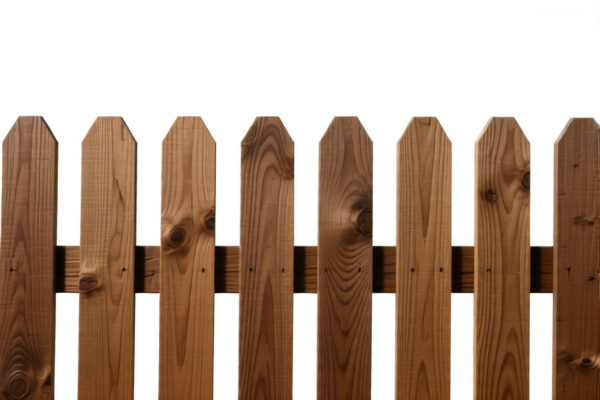
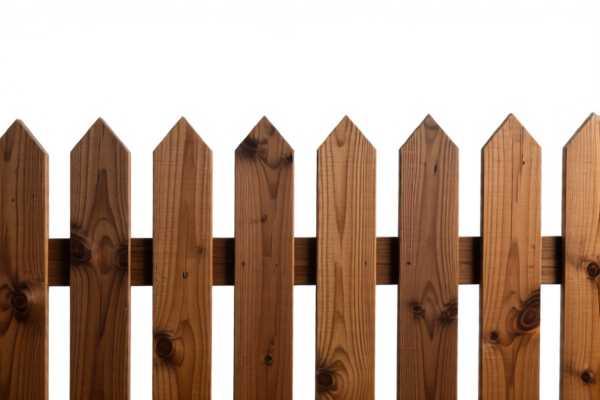
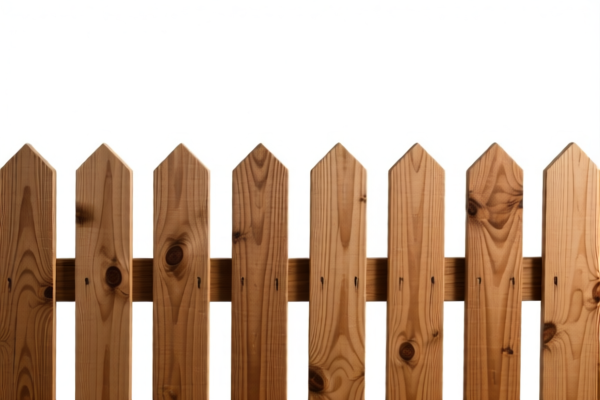
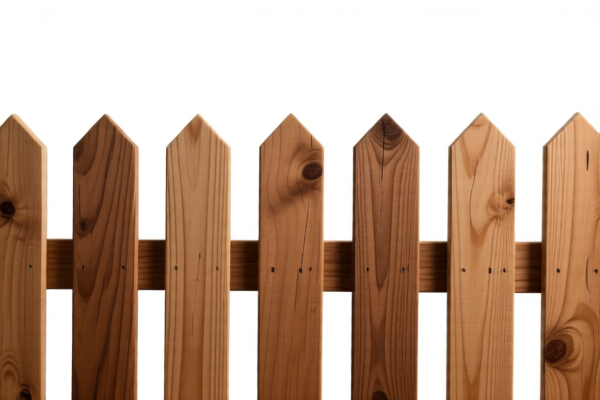
AI Analysis
🌲 Wood Fence Components (Builder’s Joinery & Furniture Parts)
🌐 HS Code Reference & Customs Clearance Guide | 2026 Latest Tariff Analysis | Professional Customs Strategy
📌 I. Product Definition & Classification: Do You Really Understand "Wood Fence Components"?
Wood fence components are structural or semi-structural elements made of wood, used in the construction of fences, gates, barriers, or as parts of wooden furniture and building joinery. In international trade, they are NOT a single category. The correct HS Code depends entirely on:
- The End-Use: Is it part of a fence/building structure (
Chapter 44) or part of furniture (Chapter 94)? - The Material: Solid wood vs. processed wood products.
- The Form: Posts/Beams, fabricated members, or generic parts.
⚠️ Key Distinction Point:
- If the component is a post, beam, or structural member for buildings/fences →归入 Chapter 44 (Wood and Articles of Wood)
- If the component is a part of furniture (e.g., decorative wood slats for a garden bench) →归入 Chapter 94 (Furniture)
- Do NOT misclassify a fence post as a "furniture part" to avoid higher tariffs. The destination and function dictate the code.
📦 II. HS Code Classification Details (2026 Latest Tariff Authority Comparison)
| HS Code | Product Description | Applicable Scenario | Key Differentiator |
|---|---|---|---|
4418.30.01.00 |
Builders' joinery and carpentry of wood... Posts and beams other than products of 4418.81-4418.89 | Fence posts, gate frames, structural wooden beams for outdoor structures | ✅ Structural/Form: Must be "posts and beams" for building/fence use |
4418.99.91.40 |
Builders' joinery and carpentry of wood... Other fabricated structural wood members | Custom-cut fence panels, non-standard structural wood components for buildings/fences | ✅ Fabricated: Non-post/beam structural members |
4407.11.00.01 |
Wood sawn... Coniferous: Of pine (Pinus spp.) Finger-jointed | Pine wood pieces joined end-to-end for fences (fingers are pre-joined) | ✅ Material/Process: Specifically Pinus + Finger-jointed |
4407.19.00.55 |
Wood sawn... Coniferous: Other... Douglas-fir (Pseudotsuga menziesii): Rough, dimension 5.1–12.7 cm | Rough-sawn Douglas-fir lumber for fences (not finger-jointed, not processed further) | ✅ Species/Condition: Douglas-fir, Rough, specific size |
9403.91.00.80 |
Other furniture and parts thereof: Parts: Of wood | Generic wood parts for furniture (e.g., slats for a deck chair, decorative trim) | ❌ Wrong for Fences: Only if used for furniture, not structural fences |
9403.99.90.40 |
Parts of other furniture... Of metal... Parts for steel racks | ❌ Wrong Material: This is for METAL parts, NOT wood. Included for contrast only. | ❌ Exclude: Not applicable to wood fence components |
🔍 Important Note:
-9403.99.90.40is explicitly for metal parts (specifically for steel racks). Do NOT use this for wood components. -9403.91.00.80is for furniture parts. If your "fence component" is actually a decorative part for a garden bench, this may apply. But for structural fences, use Chapter 44.
💰 III. 2026 Latest Tariff Rate Breakdown (Including Additional Duties & Policy Surcharges)
✅ Applicable Country: United States (US)
✅ Country of Origin: China (CN)
✅ Effective Date: 2025/2026 (Current US Import Regime)
🎯 1. 4418.30.01.00 —— Fence Posts and Beams (Wood)
| Item | Content |
|---|---|
| Base Tariff | 3.2% (ad valorem) |
| Section 301 Surcharge | +25.0% (USITC Footnote 9903.44.18) |
| Total Tariff | 28.2% |
| Tax Calculation | CIF Value × 28.2% |
| De Minimis Eligibility | ❌ No (deny_de_minimis for Section 301 goods) |
| Legal Basis Path | USITC:4418.30.01.00 → FOOTNOTE:9903.44.18 |
📌 Explanation:
- Base rate is 3.2% for general wood joinery. - Section 301 Additional Tariff: +25% applies to most Chinese wood products. - Total: 28.2%. This is a high tariff. Requires precise classification as "posts/beams" to avoid being misclassified as general lumber or furniture.
🎯 2. 4418.99.91.40 —— Other Fabricated Structural Wood Members
| Item | Content |
|---|---|
| Base Tariff | 3.2% (ad valorem) |
| Section 301 Surcharge | +25.0% |
| Total Tariff | 28.2% |
| Tax Calculation | CIF Value × 28.2% |
| De Minimis Eligibility | ❌ No |
| Legal Basis Path | USITC:4418.99.91.40 → FOOTNOTE:9903.44.18 |
📌 Note:
- Same tax rate as posts/beams. - Applies to custom-cut or fabricated structural wood members not classified as posts/beams. - Ensure documentation specifies "structural member for fence/building" to justify Chapter 44.
🎯 3. 4407.11.00.01 —— Pine Wood, Finger-Jointed
| Item | Content |
|---|---|
| Base Tariff | 0.0% (ad valorem) |
| Section 301 Surcharge | +25.0% |
| Total Tariff | 25.0% |
| Tax Calculation | CIF Value × 25.0% |
| De Minimis Eligibility | ❌ No |
| Legal Basis Path | USITC:4407.11.00.01 → FOOTNOTE:9903.44.07 |
📌 Explanation:
- Base rate is 0% for certain coniferous sawn wood. - Section 301 Additional Tariff: +25% applies. - Total: 25.0%. - Critical: Must be Pinus (Pine) AND Finger-Jointed. If not finger-jointed, it may fall under4407.19.
🎯 4. 4407.19.00.55 —— Douglas-Fir, Rough, 5.1–12.7 cm
| Item | Content |
|---|---|
| Base Tariff | 0.0% (ad valorem) |
| Section 301 Surcharge | +25.0% |
| Total Tariff | 25.0% |
| Tax Calculation | CIF Value × 25.0% |
| De Minimis Eligibility | ❌ No |
| Legal Basis Path | USITC:4407.19.00.55 → FOOTNOTE:9903.44.07 |
📌 Note:
- Base rate 0%. - Section 301: +25%. - Total: 25.0%. - Critical: Must be Douglas-fir (Pseudotsuga menziesii), Rough (not planed/sanded), and dimension 5.1 cm ≤ thickness < 12.7 cm.
🎯 5. 9403.91.00.80 —— Wooden Parts of Furniture (Misclassification Risk)
| Item | Content |
|---|---|
| Base Tariff | 0.0% (ad valorem) |
| Section 301 Surcharge | +25.0% |
| Total Tariff | 25.0% |
| Tax Calculation | CIF Value × 25.0% |
| De Minimis Eligibility | ❌ No |
| Legal Basis Path | USITC:9403.91.00.80 → FOOTNOTE:9903.94.03 |
📌 Warning:
- This code is for FURNITURE PARTS, not fence posts. - Using this for fence components is incorrect and may lead to customs penalties. - Tax rate is 25.0%, same as wood lumber, but the classification error risk is high.
🎯 6. 9403.99.90.40 —— Metal Parts (Excluded for Wood)
| Item | Content |
|---|---|
| Base Tariff | 0.0% |
| Section 301 Surcharge | +25.0% |
| Steel/Aluminum/Copper Additional Surcharge | +50.0% |
| Total Tariff | 75.0% |
| Tax Calculation | CIF Value × 75.0% |
| De Minimis Eligibility | ❌ No |
| Legal Basis Path | USITC:9403.99.90.40 → FOOTNOTE:9903.94.03 + 9903.02.03 |
📌 CRITICAL EXCLUSION:
- This code is for METAL PARTS (specifically for steel racks). - DO NOT USE FOR WOOD. - If mistakenly used for wood, the tariff is 75%, and you face classification fraud risks.
🛠️ IV. Customs Clearance Practical Advice (Battle-Tested Pitfall Avoidance Guide)
✅ 1. Documentation Checklist (Non-Negotiable)
| Document | Mandatory | Explanation |
|---|---|---|
| ✅ Product Specifications | ✔️ | Material species (Pinus/Douglas-fir), dimensions, treatment (rough/planed), finger-jointed status |
| ✅ Photos of Product | ✔️ | Clear shots showing end-grain (to verify finger-joint), surface roughness, and overall form |
| ✅ Commercial Invoice | ✔️ | Must specify "Wood Fence Posts", "Douglas-Fir Lumber", etc. Avoid vague terms like "Wood Parts" |
| ✅ Packing List | ✔️ | Detail quantities, weights, and dimensions. Match invoice exactly |
| ✅ Certificate of Origin (CO) | ✔️ | To prove Chinese origin (if applicable) for Section 301 calculations |
| ✅ Third-Party Test Report | ✔️ | If wood is treated with preservatives, provide treatment certificates |
✅ 2. Declaration Tips (Key Mnemonic)
🔥 “Species Matters, Form Defines, Chapter 44 for Fences, Chapter 94 for Furniture, Metal Code is a Trap!”
| Scenario | Correct HS Code | Wrong Code | Consequence |
|---|---|---|---|
| Pine Fence Posts, Finger-Jointed | 4407.11.00.01 (25%) |
9403.91.00.80 (25%) |
Same tax, but classification error risk |
| Douglas-Fir Rough Sawn Lumber | 4407.19.00.55 (25%) |
4407.19.00.00 (Generic) |
May face additional scrutiny |
| Custom Fence Panels (Wood) | 4418.99.91.40 (28.2%) |
4407.19.00.55 (25%) |
Under-declaration → Penalty + Back Duty |
| Wooden Part of Garden Bench | 9403.91.00.80 (25%) |
4418.30.01.00 (28.2%) |
Over-declaration → Overpayment (but safer) |
| Metal Bracket for Fence | 9403.99.90.40 (75%) |
4418.30.01.00 (28.2%) |
Massive Under-declaration → Severe Penalty |
✅ 3. Special Circumstances Handling
| Scenario | Handling Advice |
|---|---|
| Mixed Shipments (Wood + Metal Brackets) | Separate Lines: Declare wood parts under Chapter 44 and metal parts under 9403.99.90.40. Do NOT combine. |
| Pressure-Treated Wood | Must declare treatment type (e.g., ACQ, CCA). May require additional EPA/USDA documentation. |
| Unfinished vs. Finished | "Rough" vs. "Planed" changes HS Code. Ensure photos match description. |
| Finger-Jointed Verification | Provide close-up photos of the finger joints. Customs may reject generic "sawn wood" if finger-joints are visible. |
🌍 V. Global Market Clearance Comparison (2026 Latest)
| Country/Region | Recommended HS Code | Tariff (China Origin) | Certification | Remarks |
|---|---|---|---|---|
| 🇺🇸 USA | 4418.30.01.00 / 4407.11.00.01 |
25%–28.2% (Section 301) | N/A | High tariff due to Section 301 |
| 🇨🇳 China | 4418.30.01.00 |
5%–8% | N/A | Lower base rate |
| 🇪🇺 EU | 4407.11.00 |
0%–10% (Varies) | CE (if treated) | No Section 301 |
| 🇬🇧 UK | 4407.11.00 |
0%–10% | N/A | Post-Brexit rules apply |
| 🇦🇺 Australia | 4407.11.00 |
5% | N/A | Moderate tariff |
📌 Conclusion:
- USA is the only market with punitive Section 301 tariffs (25%–75%). - Correct classification is critical to avoid 75% metal tariffs or 28.2% structural wood tariffs when lower rates might apply (though most wood from China faces 25%+). - China origin products face high barriers in the US market for wood products.
📌 VI. Common Mistakes & Pitfall Avoidance (Lessons Learned)
❌ Mistake 1: Declaring "Wood Fence Parts" as "Furniture Parts" (9403.91.00.80)
👉 Consequence: While tax is same (25%), customs may audit for misclassification. If found, penalties + interest.
❌ Mistake 2: Using Metal HS Code (9403.99.90.40) for Wood Components
👉 Consequence: 75% Tariff + Fraud Investigation. NEVER DO THIS.
❌ Mistake 3: Vague Description: "Wooden Parts"
👉 Consequence: Customs cannot determine correct code → Delay, Inspection, Penalty.
❌ Mistake 4: Ignoring Species and Processing (Rough vs. Planed)
👉 Consequence: Misclassification between 4407.11 (Pine) and 4407.19 (Other). May lead to under/over-payment.
✅ Correct Declaration Example:
"Douglas-Fir Wood Fence Posts, Rough Sawn, 5.1-12.7cm Thickness, for Outdoor Structural Use, Model XYZ, Chinese Origin"
🎯 VII. Conclusion: Professional Declaration, Save Time, Money, and Stress!
🎯 Remember Mnemonic:
🔹 "Chapter 44 for Fences, Chapter 94 for Furniture, Metal Code is a Trap, Species Matters!"
🔹 "HS Code Determines Tax, 25% is Common, 75% is Metal, Misclassification is Fatal!"
📌 Pro Tip:
If your wood components are treated with preservatives, ensure you have EPA/USDA compliance documents. For fingerprint-jointed wood, provide photos of the joints. For Douglas-fir, specify Pseudotsuga menziesii.
📣 Take Action Now:
📞 Contact Professional Customs Broker + Provide Product Photos + Apply for HS Code Advance Ruling
🚀 Ensure your wood fence components clear US Customs smoothly, avoid 75% traps, and optimize costs!
✨ Professional Clearance Starts with Precise Classification!
💼 Every Dollar of Tariff Should Be Calculated Precisely!
Customer Reviews
About HS Code Classification
The Harmonized System (HS) is an internationally standardized nomenclature developed by the World Customs Organization (WCO) to classify traded products. Over 200 countries use the HS system as the basis for customs tariffs, trade statistics, and import/export regulations.
Each HS code follows a hierarchical structure:
- Chapter (2 digits) — Broad category of goods (e.g., Chapter 84: Machinery and Mechanical Appliances)
- Heading (4 digits) — More specific grouping within the chapter
- Subheading (6 digits) — Internationally standardized breakdown, used by all WCO member countries
- National subdivisions (8-10 digits) — Country-specific extensions for further classification, such as US HTSUS 10-digit codes
Correct HS code classification is essential for smooth customs clearance, accurate duty payment, and compliance with trade regulations. Misclassification can lead to customs delays, overpayment of duties, or penalties.
When importing from CN to US, the applicable tariff rates may include:
- Most-Favored-Nation (MFN) rate — The standard duty rate applied to WTO members
- General rate — Applied to countries without trade agreements
- Trade remedy duties — Additional tariffs such as Section 301 (anti-dumping), Section 232 (national security), or countervailing duties
The information provided on this page is for reference purposes only. For official classification, please consult with your local customs authority or a licensed customs broker.