Wood Fence Panel
CN → US| HS Code | Tariff Rate | Origin | Destination | Doc |
|---|---|---|---|---|
| 4418999195 | 38.2% | CN | US | Official Doc |
| 4409101080 | 35.0% | CN | US | Official Doc |
| 4418999150 | 38.2% | CN | US | Official Doc |
| 4407110053 | 35.0% | CN | US | Official Doc |
| 4407190093 | 35.0% | CN | US | Official Doc |
Product Images
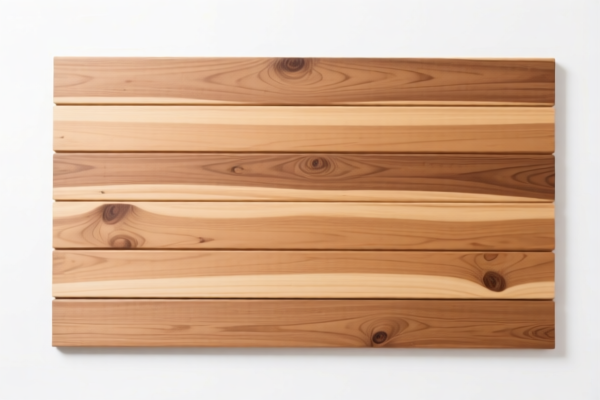
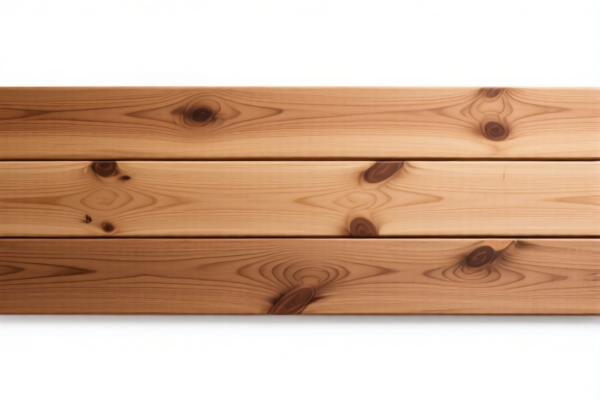
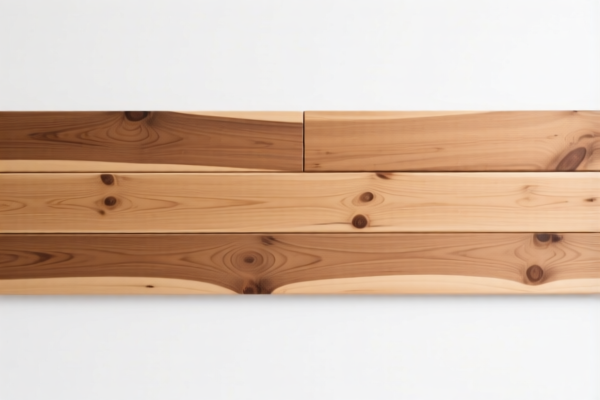
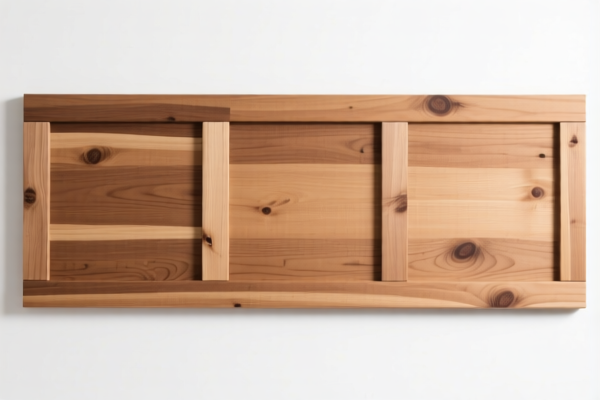
AI Analysis
🌳 Wood Fence Panels (Wooden Fencing Boards)
🌐 HS Code Reference & Clearance Guide | 2026 Latest Tariff Analysis | Professional Entry Strategy
📌 I. Product Definition & Classification: Do You Really Understand "Wood Fence Panels"?
Wood fence panels are essential components for residential, commercial, and agricultural boundary structures. In international trade, these products are primarily classified as wooden building materials or processed wood products. The specific HS Code depends on the processing method, wood species, and structural form (e.g., whether it is a finished panel, a plain plank, or a specialized cladding).
⚠️ Key Classification Distinctions:
- Finished Construction Panels (assembled, framed, or ready-to-install): Generally fall under Chapter 44.18 (Builders' joinery and carpentry).
- Processed Wood Planks/Cladding (plain, sawn, or shaped for wall/fence use): May fall under Chapter 44.09 (Wood continuously shaped along all edges) or Chapter 44.07 (Wood sawn/chipped, of a thickness > 6mm).
- Coniferous vs. Non-Coniferous: The wood species (e.g., Pine, Spruce, Oak) significantly impacts the subheading and duty rate.
📦 II. HS Code Classification Details (2026 Latest Tariff Authority Comparison)
Based on the provided data, here are the five most relevant HS Codes for Wood Fence Panels, categorized by their physical form and processing status:
| HS Code | Product Description | Application Scenario | Classification Logic |
|---|---|---|---|
4418.99.91.95 |
Wooden Fence Panel (Construction Type) | Prefabricated wooden fencing, structural fence boards | Classified as "Other builders' joinery/carpentry" under Chapter 44.18. Represents a more finished "building product." |
4418.99.91.50 |
Wooden Fence Panel (Panel/Partition Type) | Architectural wood panels, dividers, or fence sections | Classified as "Other builders' joinery/carpentry". Similar to above, emphasizes the "panel/partition" nature in construction. |
4409.10.10.80 |
Wooden Fence Panel (Cladding/Wallboard Form) | Tongue-and-groove, shaped edges, resembling wall cladding | Classified as "Other wood wallboards" under Chapter 44.09. If the fence panel is shaped (e.g., V-groove, tongue/groove) for easy interlocking, it may be classified here. |
4407.11.00.53 |
Wooden Fence Panel (Processed Coniferous Pine) | Sawed or worked pine/spruce wood for fences | Classified as "Sawed/worked wood of coniferous species (Pine)". Applies if the panel is made of coniferous wood and is sawed/processed but not yet assembled into a joinery item. |
4407.19.00.93 |
Wooden Fence Panel (Processed Wood >6mm) | Worked wood, thickness > 6mm, non-pine coniferous or other | Classified as "Other worked wood" (thickness > 6mm). A catch-all for processed wood planks/board that don't fit specific pine categories but are ready for installation. |
🔍 Critical Reminder:
- Chapter 44.18 Codes (4418.99.91.xx) generally carry a slightly higher base tariff (3.2%) because they are considered "Builders' Joinery" (more finished goods).
- Chapter 44.09/44.07 Codes (4409.xx,4407.xx) often have 0% base tariffs because they are classified as "Worked Wood" or "Wallsboards" (rawer processing stage).
- However, all these codes are subject to significant Additional Duties for Chinese-origin goods, neutralizing the base tariff difference.
💰 III. 2026 Latest Tariff Rate Breakdown (Including Additional Taxes & Policies)
✅ Applicable Country: United States (US)
✅ Origin: China (CN)
✅ Effective Date: Post-November 2025 (Including subsequent imports)
All HS Codes listed below are subject to the same additional tax structure for Chinese-origin wood products.
🎯 1. & 2. Chapter 44.18 Codes: 4418.99.91.95 & 4418.99.91.50
(Classification: Other Builders' Joinery/Carpentry / Panels)
| Item | Details |
|---|---|
| Base Tariff | 3.2% (Ad Valorem) |
| Section 301 Additional Duty | +25.0% (Applied to many wood products under USITC rules) |
| IEEPA Additional Duty (Section 122) | +10.0% (Targeted at specific Chinese imports, often applied to construction materials) |
| Total Effective Tax Rate | 38.2% |
| Tax Calculation | CIF Value × 38.2% |
| De Minimis Exemption | ❌ NOT Eligible (deny_de_minimis). All additional duties apply. |
| Legal Basis Path | USITC:4418.99.91.xx → Section 301: Footnote → IEEPA:122 Clause |
📌 Explanation:
- These codes are classified as "Builders' Joinery," which historically carries a small base duty.
- The 25% Section 301 duty is standard for many wooden construction products.
- The 10% IEEPA duty is an additional layer specific to certain Chinese manufacturing sectors.
- Total: 38.2%. This is a high tariff, requiring careful cost calculation.
🎯 3. Chapter 44.09 Code: 4409.10.10.80
(Classification: Other Wood Wallboards / Shaped Wood)
| Item | Details |
|---|---|
| Base Tariff | 0.0% |
| Section 301 Additional Duty | +25.0% |
| IEEPA Additional Duty (Section 122) | +10.0% |
| Total Effective Tax Rate | 35.0% |
| Tax Calculation | CIF Value × 35.0% |
| De Minimis Exemption | ❌ NOT Eligible (deny_de_minimis). |
| Legal Basis Path | USITC:4409.10.10.80 → Section 301 → IEEPA:122 |
📌 Explanation:
- Although the base rate is 0%, the additional duties (35%) still apply.
- This code is useful if the fence panel is shaped (e.g., tongue-and-groove) and can be argued as "wallboard" rather than "joinery."
- Savings: 3.2% lower than Chapter 44.18 codes, but still substantial.
🎯 4. & 5. Chapter 44.07 Codes: 4407.11.00.53 & 4407.19.00.93
(Classification: Sawed/Worked Coniferous Wood / Other Worked Wood)
| Item | Details |
|---|---|
| Base Tariff | 0.0% |
| Section 301 Additional Duty | +25.0% |
| IEEPA Additional Duty (Section 122) | +10.0% |
| Total Effective Tax Rate | 35.0% |
| Tax Calculation | CIF Value × 35.0% |
| De Minimis Exemption | ❌ NOT Eligible (deny_de_minimis). |
| Legal Basis Path | USITC:4407.xx.xx.xx → Section 301 → IEEPA:122 |
📌 Explanation:
- If the fence panels are sold as processed planks (not yet assembled into framed panels) and are made of coniferous wood (like Pine), they may qualify for this category.
- Key Condition: The wood must be "sawed or worked" and typically >6mm thick.
- Savings: Same 35% total rate as4409. Lower than4418codes.
🛠️ IV. Customs Clearance Practical Advice (Battle-Tested Pitfall Guide)
✅ 1. Required Documentation Checklist (Non-Negotiable)
| Document | Mandatory? | Purpose |
|---|---|---|
| ✅ Product Specifications Sheet | ✔️ | Detail wood species, dimensions, thickness, moisture content, and treatment (e.g., pressure-treated, raw). |
| ✅ Processing Diagram/Photo | ✔️ | Show if the wood is sawn (4407), shaped/cladding (4409), or assembled joinery (4418). |
| ✅ Commercial Invoice | ✔️ | Must clearly state "Wood Fence Panel" or "Processed Wood for Fencing." Avoid vague terms like "Wood Product." |
| ✅ Certificate of Origin (CO) | ✔️ | Essential for proving China origin to apply correct Section 301 & IEEPA duties. |
| ✅ Fumigation Certificate (ISPM 15) | ✔️ | Critical for wood! Proves pest treatment to avoid USDA/APHIS rejection. |
| ✅ Packaging List | ✔️ | List dimensions and weight per pallet/container. |
✅ 2. Declaration Strategy (Key Mnemonic)
🔥 “Shape Defines Code, Species Matters, Treat for Pests!”
| Scenario | Correct HS Code Strategy | Wrong Approach |
|---|---|---|
| Assembled Fence Panel (Framed, ready to hang) | 4418.99.91.95 or 4418.99.91.50 |
Declare as "Plank" → Risk of misclassification penalty. |
| Tongue & Groove Board (Interlocking, for cladding/fence) | 4409.10.10.80 |
Declare as "Joinery" → Higher base tariff (3.2%). |
| Plain Sawed Pine Board (>6mm, raw) | 4407.11.00.53 |
Declare as "Finished Panel" → Incorrect function. |
| Other Wood Board (>6mm, non-pine) | 4407.19.00.93 |
Use Pine code → Species mismatch. |
| Untreated Wood | STOP! | Must provide ISPM 15 Fumigation Certificate or be rejected by CBP/USDA. |
✅ 3. Special Situation Handling
| Situation | Handling Advice |
|---|---|
| Pressure-Treated Wood | Declare as "Chemically Treated Wood." Provide MSDS (Material Safety Data Sheet) for chemicals used. May require additional environmental compliance checks. |
| OEM Custom Sizes | Provide custom drawings. Ensure dimensions are consistent with "Processed Wood" definitions. |
| Mixed Packaging (Fence + Posts + Hardware) | Declare Fence Panels separately. Hardware (metal) and Posts (if raw logs) may have different codes. Do not lump them under one HS Code unless they are a single "fence kit" sold as one unit. |
| Re-export from 3rd Country | If shipped from Canada/Mexico but made in China, China Origin still applies for tariffs. Provide Chinese CO. |
🌍 V. Global Market Clearance Comparison (2026 Latest)
| Country/Region | Recommended HS Code | Total Tariff (China Origin) | Key Certification/Requirement | Notes |
|---|---|---|---|---|
| 🇺🇸 USA | 4409.10.10.80 or 4407.11.00.53 |
35.0% - 38.2% | ISPM 15 (Fumigation) + CBP Entry | Highest barrier due to 301/IEEPA duties. |
| 🇨🇳 China | 4409.10.10.80 |
Varies (Export Duty) | Fumigation (for import into China) | N/A for export from China. |
| 🇪🇺 EU | 4409.10 or 4407.11 |
Varies (0-15%) | ISPM 15 + Timber Regulation (EUTR) | Stricter environmental checks than US. |
| 🇬🇧 UK | 4409.10 |
Varies | UK Timber Regulation | Post-Brexit rules apply. |
| 🇨🇦 Canada | 4409.10 |
Varies | NHRP (North American Harmonized System) | Generally lower duties if RCEP/USMCA rules met (but China origin still taxed). |
📌 Conclusion:
- USA is the most complex market for wood products due to Section 301 and IEEPA additional duties.
- ISPM 15 Fumigation is the #1 reason for customs delays in all major markets. Ensure your supplier provides valid certificates.
- Duty Savings: Choosing4409or4407over4418saves 3.2% in base tariff, but the 35% vs 38.2% difference is minimal in the grand scheme. Focus on accurate classification to avoid penalties.
📌 VI. Common Errors & Pitfalls (Lessons Learned)
❌ Error 1: Declaring "Wooden Fence" as "Furniture"
👉 Consequence: HS Code misclassification → Penalties + Potential duty evasion charges.
❌ Error 2: Missing ISPM 15 Fumigation Certificate
👉 Consequence: Cargo detained at port by USDA/APHIS. Treatment costs $500-$2000+ per container + storage fees.
❌ Error 3: Ignoring "Thickness" for Chapter 44.07
👉 Consequence: If wood is <6mm, it falls under Chapter 44.08 (Veneer), not 44.07. Misdeclaration leads to audits.
❌ Error 4: Using Generic Name "Wood Panel"
👉 Consequence: CBP requests additional info → Delay in release.
✅ Correct Description:
"Wood Fence Panel, Pressure-Treated Pine, 1200x600mm, Tongue-and-Groove, ISPM 15 Certified, HS Code 4409.10.10.80"
🎯 VII. Conclusion: Professional Declaration for Cost Efficiency!
🎯 Remember Mnemonic:
🔹 "Shape = Code, Species = Detail, Fumigation = Mandatory."
🔹 "301/122 Duties Apply to All Chinese Wood – No De Minimis."
🔹 "Save 3.2% by Choosing 4409/4407, but Accuracy Saves Millions in Penalties."
📌 Pro Tip:
If your wood fence panels are made from non-coniferous wood (e.g., Oak, Maple), ensure you use
4407.19or4407.09codes, not the Pine-specific4407.11.
Always request the ISPM 15 Certificate before shipment.
📣 Immediate Action:
📞 Contact your freight forwarder to confirm ISPM 15 status.
🚀 Provide precise dimensions and wood species to your customs broker for final HS Code verification.
💡 Get an Advance Ruling if you are shipping large volumes, to lock in the HS Code and duty rate.
✨ Professional Clearance Starts with Precise Classification!
💼 Every Percent in Duty Counts!
Customer Reviews
About HS Code Classification
The Harmonized System (HS) is an internationally standardized nomenclature developed by the World Customs Organization (WCO) to classify traded products. Over 200 countries use the HS system as the basis for customs tariffs, trade statistics, and import/export regulations.
Each HS code follows a hierarchical structure:
- Chapter (2 digits) — Broad category of goods (e.g., Chapter 84: Machinery and Mechanical Appliances)
- Heading (4 digits) — More specific grouping within the chapter
- Subheading (6 digits) — Internationally standardized breakdown, used by all WCO member countries
- National subdivisions (8-10 digits) — Country-specific extensions for further classification, such as US HTSUS 10-digit codes
Correct HS code classification is essential for smooth customs clearance, accurate duty payment, and compliance with trade regulations. Misclassification can lead to customs delays, overpayment of duties, or penalties.
When importing from CN to US, the applicable tariff rates may include:
- Most-Favored-Nation (MFN) rate — The standard duty rate applied to WTO members
- General rate — Applied to countries without trade agreements
- Trade remedy duties — Additional tariffs such as Section 301 (anti-dumping), Section 232 (national security), or countervailing duties
The information provided on this page is for reference purposes only. For official classification, please consult with your local customs authority or a licensed customs broker.