Wood Flooring
CN → US| HS Code | Tariff Rate | Origin | Destination | Doc |
|---|---|---|---|---|
| 4409290655 | 38.2% | CN | US | Official Doc |
| 4409292660 | 35.0% | CN | US | Official Doc |
| 4407110053 | 35.0% | CN | US | Official Doc |
| 4408900151 | 35.0% | CN | US | Official Doc |
| 4409109040 | 35.0% | CN | US | Official Doc |
Product Images

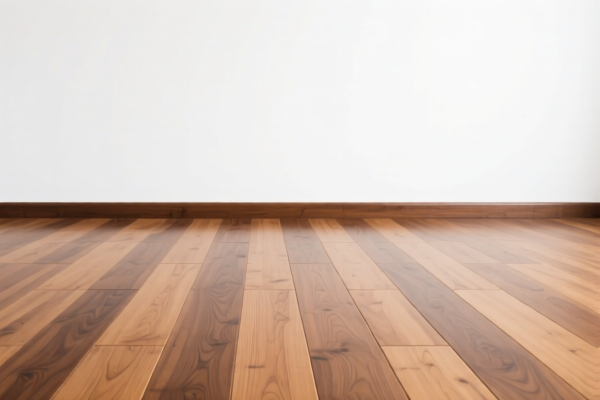

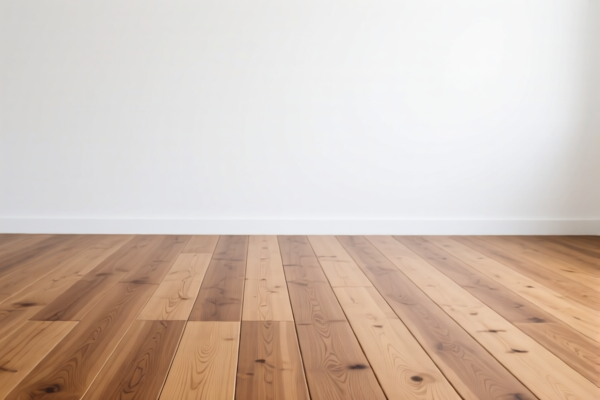
AI Analysis
🪵 Wood Flooring (Solid & Engineered)
🌐 HS Code Reference & Customs Clearance Guide | 2026 Latest Tariff Analysis | Professional Entry Strategy
📌 I. Product Definition & Classification: Do You Really Understand "Wood Flooring"?
Wood flooring is a critical building material in residential and commercial construction. In international trade, it is strictly categorized based on material species, processing method, and physical form (specifically whether it meets the "profiled/tongue-and-groove" requirement for flooring).
Key Distinctions: * Profiled Flooring (4409 Series): Planks with matching ends/sides (tongue-and-groove), specifically intended for flooring. This is the most common category for finished wood floors. * Sawn/Planed Boards (4407/4408 Series): General wood planks that may be used as flooring but lack the specific profiled edge requirements or are classified by raw material type (e.g., pine vs. non-coniferous).
⚠️ Critical Classification Point:
- If the wood has matching ends/profiles specifically for flooring → Go to 4409
- If it is solid wood but not profiled (just cut/sliced) → Go to 4407 or 4408
- Material Type Matters: Pine (Coniferous) vs. Non-Pine (e.g., Cottonwood, Oak, Maple) triggers different HS codes under 4409.
📦 II. HS Code Classification Details (2026 Tariff Authority Match)
Based on the provided data, here are the precise HS Codes and their corresponding tax implications.
| HS Code | Product Description | Application Scenario | Key Attributes |
|---|---|---|---|
4409.29.06.55 |
Cottonwood Solid Wood Flooring | Finished flooring with tongue-and-groove profiles | Material: Wood (Cottonwood); Form: Profiled Flooring |
4409.29.26.60 |
Cottonwood Solid Wood Flooring | General solid wood flooring classification | Material: Non-Coniferous Wood; Form: Profiled Flooring |
4407.11.00.53 |
Pine Solid Wood Boards | Rough sawn/planned boards, >6mm thick | Material: Coniferous (Pine); Form: Sliced/Cut Board (>6mm) |
4408.90.01.51 |
Wood Veneer/Boards | Thin wood sheets for veneering or decorative use | Material: Wood; Form: Sawn/Sliced for Veneer |
4409.10.90.40 |
Non-Coniferous Profiled Boards | Profiled boards not specifically for pine | Material: Non-Coniferous; Form: Profiled/Planed |
🔍 Important Reminder:
- 4409.29 codes are for Solid Wood Flooring specifically.
- 4407/4408 are for General Wood Boards/Veneers. Misclassifying plain planks as "Flooring" (4409) can lead to disputes if they lack the required profile.
- Cottonwood is explicitly mentioned in the first two codes. Ensure material declaration matches exactly.
💰 III. 2026 Latest Tariff Rate Breakdown (Including Additional Duties)
✅ Applicable Country: United States (US)
✅ Origin: China (CN)
✅ Effective Time: Post-2025 Regulations (Section 301 & 122)
🎯 1. 4409.29.06.55 & 4409.29.26.60 —— Cottonwood Solid Wood Flooring
| Item | Content |
|---|---|
| Base Tariff | 3.2% (for 4409.29.06.55) / 0.0% (for 4409.29.26.60) |
| Section 301 Additional Duty | +25.0% (USITC Footnote 9903.88.01) |
| Section 122 Duty | +10.0% (Specific to certain wood products) |
| Total Tax Rate | 38.2% (Code .55) / 35.0% (Code .60) |
| Calculation Basis | CIF Value × Total Rate |
| De Minimis Exemption | ❌ NOT Eligible (Denied) |
| Legal Authority Path | USITC:4409.29 → FOOTNOTE:9903.88.01 → Section 122 |
📌 Explanation:
- Base Tariff: Varies slightly by sub-heading. Code.55has a 3.2% base, while.60has 0%.
- Section 301: The 25% tariff is mandatory for Chinese-origin wood products.
- Section 122: An additional 10% applies to these specific wood flooring items.
- Total Cost Impact: With a total rate of 35%-38.2%, this is a high-cost import category. Profit margins must account for this.
🎯 2. 4407.11.00.53 —— Pine Solid Wood Boards
| Item | Content |
|---|---|
| Base Tariff | 0.0% |
| Section 301 Additional Duty | +25.0% |
| Section 122 Duty | +10.0% |
| Total Tax Rate | 35.0% |
| Calculation Basis | CIF Value × 35.0% |
| De Minimis Exemption | ❌ NOT Eligible (Denied) |
| Legal Authority Path | USITC:4407.11 → FOOTNOTE:9903.88.01 → Section 122 |
📌 Note:
- Although the base tariff is 0%, the 25% + 10% additional duties make the effective rate 35%.
- Pine is a "Coniferous" wood (针叶木), which falls under heading 4407.11.
- Warning: If you declare Pine boards as "Flooring" (4409) incorrectly, you may still face 35-38% but risk penalties for misclassification.
🎯 3. 4408.90.01.51 & 4409.10.90.40 —— General Wood Boards/Profiled Boards
| Item | Content |
|---|---|
| Base Tariff | 0.0% |
| Section 301 Additional Duty | +25.0% |
| Section 122 Duty | +10.0% |
| Total Tax Rate | 35.0% |
| Calculation Basis | CIF Value × 35.0% |
| De Minimis Exemption | ❌ NOT Eligible (Denied) |
📌 Note:
- Similar to Pine, these general wood products carry a 35% total duty.
- Ensure the physical form (sliced vs. profiled) matches the HS Code description precisely to avoid customs audits.
🛠️ IV. Customs Clearance Practical Advice (Anti-Pitfall Guide)
✅ 1. Required Documentation Checklist (Non-Negotiable)
| Document | Mandatory? | Description |
|---|---|---|
| ✅ Commercial Invoice | ✔️ | Must clearly state "Wood Flooring" or "Wood Boards", material (Cottonwood/Pine), and HS Code. |
| ✅ Packing List | ✔️ | Detail weight, dimensions, and quantity per box. |
| ✅ Product Specification Sheet | ✔️ | Must include: Species Name (Scientific name preferred), Processing Type (Sawn/Profiled), Thickness, Dimensions. |
| ✅ Bill of Lading / Air Waybill | ✔️ | Standard shipping docs. |
| ✅ Certificate of Origin | ✔️ | Crucial for proving Chinese origin (triggers duties). |
| ✅ Fumigation Certificate | ✔️ | MANDATORY for wood products entering the US. Must be done by an approved agency. |
| ✅ Phytosanitary Certificate | ✔️ | Required for solid wood to prove no pests. |
🚨 CRITICAL: Wood products without a Phytosanitary Certificate and Fumigation Label will be rejected or destroyed at US ports.
✅ 2. Declaration Tips (Key Mantra)
🔥 "Material Precise, Form Specific, Fumigation Attached, Duty Predicted!"
| Scenario | Correct Declaration | Common Mistake |
|---|---|---|
| Solid Cottonwood Flooring | HS 4409.29.06.55 or .60; Desc: "Cottonwood Solid Wood Flooring, Profiled" |
Declaring as "Pine Flooring" → Misclassification Penalty |
| Raw Pine Boards (>6mm) | HS 4407.11.00.53; Desc: "Pine Solid Wood Board, Sliced" |
Declaring as "Flooring" if not profiled → Audit Risk |
| Veneer Sheets | HS 4408.90.01.51; Desc: "Wood Veneer, Sliced" |
Declaring as "Flooring" → Wrong Duty Base |
| Mixed Orders | Split invoices by HS Code | Bundling all wood products under one generic code → Customs Hold |
✅ 3. Special Situation Handling
| Situation | Handling Advice |
|---|---|
| OEM/Custom Sizes | Provide custom drawings. Ensure "profiled" description matches the physical item. |
| Engineered Wood | The provided data refers to Solid Wood (实木). If your product is Engineered (multi-layer), it may fall under different HS codes (e.g., 4412). Check if your product is truly solid. |
| Partially Finished | If the wood is not yet profiled (no tongue/groove), do NOT use 4409. Use 4407. |
| Packaging | Ensure wooden pallets/ crates used for shipping are also ISPM 15 compliant (heat-treated/fumigated). |
🌍 V. Global Market Customs Comparison (2026 Latest)
| Country/Region | Recommended HS Code | Estimated Duty (China Origin) | Certification Requirements | Notes |
|---|---|---|---|---|
| 🇺🇸 USA | 4409.29.06.55 / 4409.29.26.60 |
35.0% - 38.2% | Phytosanitary, Fumigation | High duty due to Sec 301 & 122. De Minimis exempt. |
| 🇨🇳 China | 4409.29 |
~5% | None (Export) | Low export tax, but focus is on import duties. |
| 🇪🇺 EU | 4409.29 |
~0% - 4.5% | FSC/PEFC (Optional but recommended) | No Section 301. Lower overall cost. |
| 🇬🇧 UK | 4409.29 |
~0% - 4.5% | FSC/PEFC | Post-Brexit rules apply. |
| 🇨🇦 Canada | 4409.29 |
~0% (if FTA eligible) | Phytosanitary | CUSMA may apply if manufactured in US/Mexico. |
📌 Conclusion:
- USA is the highest-cost market for Chinese wood flooring due to additional 35-38% duties.
- EU/UK offer significantly lower duty rates but require strict phytosanitary compliance.
- Cost Optimization: Consider sourcing raw materials from non-China origins if possible, or explore duty drawbacks if re-exporting.
📌 VI. Common Errors & Pitfalls (Lessons Learned)
❌ Error 1: Ignoring Fumigation/Phytosanitary requirements
👉 Consequence: Goods rejected at port, storage fees, or destruction. Cost: 100% loss + fines.
❌ Error 2: Misclassifying Unprofiled Boards as Flooring
👉 Consequence: Customs disputes, retroactive duty adjustments, and delays.
❌ Error 3: Failing to declare Section 122 Duty
👉 Consequence: Underpayment of 10%. Customs will assess back taxes + penalties upon audit.
❌ Error 4: Using vague descriptions like "Wood Board"
👉 Consequence: Customs may apply the highest possible duty rate or hold shipment for further classification.
✅ Correct Practice:
"Solid Cottonwood Wood Flooring, Tongue-and-Groove, 18mm Thickness, Heat-Treated Pallets, HS Code 4409.29.06.55"
🎯 VII. Conclusion: Professional Declaration, Cost Control, Efficiency!
🎯 Remember the Mantra:
🔹 "Profiled is 4409, Sawn is 4407/8;
🔹 "Pine vs Cottonwood matters, Section 122 adds 10%.
🔹 "Fumigation is key, De Minimis is dead.
🔹 "Declare accurate, avoid delays instead!"**
📌 Pro Tip:
If you are importing Solid Wood Flooring from China to the US, budget at least 35-38% for duties alone.
Consider Advance Ruling from US Customs (CBP) if your product has complex features.
For Engineered Wood, check if it falls under 4412 (sometimes different duty treatments apply).
📣 Immediate Action:
📞 Contact your freight forwarder for Fumigation services in origin country.
📄 Verify HS Code with CBP if unsure about "Profiled" status.
📊 Calculate Landed Cost including 35-38% duty + freight + insurance.
✨ Professional Customs Clearance Starts with Accurate Classification!
💼 Your Profit Margin Depends on Precise Tariff Management!
Customer Reviews
About HS Code Classification
The Harmonized System (HS) is an internationally standardized nomenclature developed by the World Customs Organization (WCO) to classify traded products. Over 200 countries use the HS system as the basis for customs tariffs, trade statistics, and import/export regulations.
Each HS code follows a hierarchical structure:
- Chapter (2 digits) — Broad category of goods (e.g., Chapter 84: Machinery and Mechanical Appliances)
- Heading (4 digits) — More specific grouping within the chapter
- Subheading (6 digits) — Internationally standardized breakdown, used by all WCO member countries
- National subdivisions (8-10 digits) — Country-specific extensions for further classification, such as US HTSUS 10-digit codes
Correct HS code classification is essential for smooth customs clearance, accurate duty payment, and compliance with trade regulations. Misclassification can lead to customs delays, overpayment of duties, or penalties.
When importing from CN to US, the applicable tariff rates may include:
- Most-Favored-Nation (MFN) rate — The standard duty rate applied to WTO members
- General rate — Applied to countries without trade agreements
- Trade remedy duties — Additional tariffs such as Section 301 (anti-dumping), Section 232 (national security), or countervailing duties
The information provided on this page is for reference purposes only. For official classification, please consult with your local customs authority or a licensed customs broker.