Wood Fuel, Wood Chips, Sawdust
CN → US| HS Code | Tariff Rate | Origin | Destination | Doc |
|---|---|---|---|---|
| 4401220000 | 35.0% | CN | US | Official Doc |
| 4401210000 | 35.0% | CN | US | Official Doc |
| 4401310000 | 35.0% | CN | US | Official Doc |
| 4401220000 | 35.0% | CN | US | Official Doc |
| 4401210000 | 35.0% | CN | US | Official Doc |
Product Images
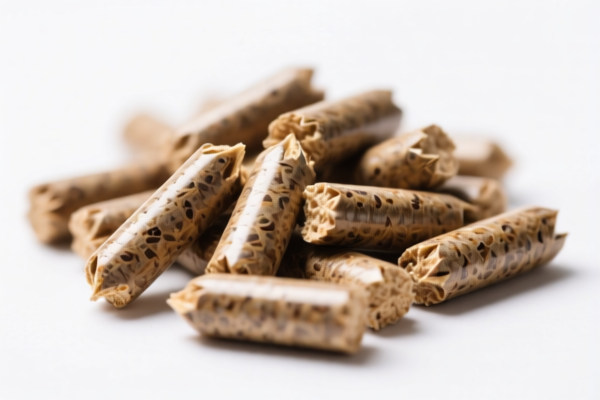
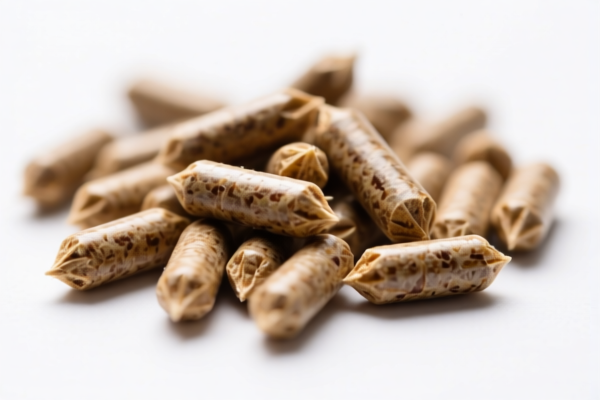
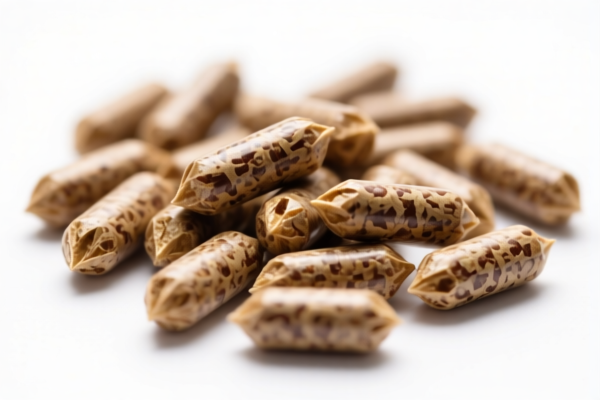
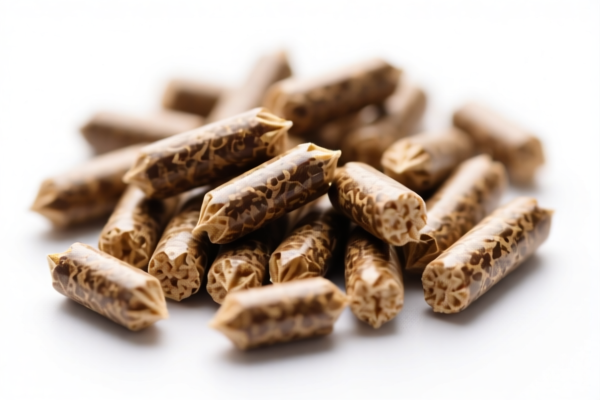
AI Analysis
🔥 Wood Fuel, Wood Chips & Sawdust (Wood Fuels)
🪵 HS Code Reference & Customs Clearance Guide | 2026 Latest Tariff Analysis | Professional Clearance Strategy
📌 I. Product Definition & Classification: Do You Know What "Wood Fuel" Really Is?
Wood fuels are biomass energy sources derived from wood. In international trade, they are primarily classified based on tree species (Coniferous vs. Non-Coniferous) and physical form (Chips, Particles, Pellets, Sawdust).
- Non-Coniferous Wood (Broadleaf): Wood from deciduous trees (e.g., oak, beech, maple). Classed under
4401.22or4401.31(depending on form). - Coniferous Wood (Softwood): Wood from evergreen trees (e.g., pine, spruce, fir). Classed under
4401.21or4401.31. - Physical Forms:
- Chips/Particles: Roughly ground wood.
- Pellets/Pressed Blocks: Compressed, uniform fuel sources.
- Sawdust/Waste: Fine particles resulting from machining.
⚠️ Key Distinction Point: - If the wood is Non-Coniferous (Broadleaf) → Look at
4401.22.00.00or4401.31.00.00. - If the wood is Coniferous (Softwood) → Look at4401.21.00.00or4401.31.00.00. - Note on4401.31.00.00: This code covers "Wood in the form of pellets, briquettes, etc." and "Sawdust and wood waste." It is a broader category for processed forms or waste.
📦 II. HS Code Classification Details (2026 Latest Tariff Authority Comparison)
The provided data indicates that all listed HS codes for these wood fuels carry the same total tax rate of 35.0% due to US trade policies (Section 301 + Section 122/EIEPA).
| HS Code | Product Description | Application Scenario | Wood Type / Form |
|--------|--------------------------|--------------------------|
| 4401.22.00.00 | Wood chips, particles, sawdust | Non-Coniferous wood fuel in chip/particle form | Broadleaf (e.g., Oak, Beech) |
| 4401.21.00.00 | Wood chips, particles, sawdust | Coniferous wood fuel in chip/particle form | Softwood (e.g., Pine, Spruce) |
| 4401.31.00.00 | Wood pellets, briquettes, sawdust waste | Any wood in pellet, block, or waste form | Pellets, Briquettes, Fine Sawdust |
| 4401.22.00.00 | Wood pellets & related forms | Non-Coniferous wood classification | Broadleaf chips/pellets |
| 4401.21.00.00 | Wood fuel (chips, sawdust) | Coniferous wood fuel category | Softwood chips/sawdust |
🔍 Important Reminder: -
4401.21is exclusively for Coniferous (Softwood). -4401.22is exclusively for Non-Coniferous (Broadleaf). -4401.31is often used for Pellets, Briquettes, or Sawdust/Waste regardless of species, but the provided data links it to "pellets, fuel, chips, sawdust, wood waste pressed blocks." Ensure your physical product matches the description: if it's compressed pellets,4401.31is common; if it's loose chips,4401.21/22is more precise. - Do not split shipments: Chips and pellets must be declared accurately. Misdeclaring pellets as chips can lead to inspection delays.
💰 III. 2026 Latest Tariff Rate Breakdown (Including Additional Duties & Policy Surcharges)
✅ Applicable Country: United States (US)
✅ Country of Origin: China (CN) (Implied by "Section 122" and 10% surcharge context)
✅ Effective Date: Current (2025/2026 Tariff Cycle)
🎯 All Listed HS Codes (4401.21.00.00, 4401.22.00.00, 4401.31.00.00)
| Item | Content |
|---|---|
| Base Tariff | 0.0% (Ad valorem for standard wood fuel under normal MFN) |
| Section 301 Additional Duty | +25.0% (USITC Footnote: "Section 301 Tariff") |
| Section 122 / IEEPA Surcharge | +10.0% (Specific Chinese-origin surcharge, often cited as Section 122 or IEEPA-based) |
| Total Tax Rate | 35.0% |
| Tax Calculation | CIF Value × 35% |
| De Minimis Eligibility | ❌ No (High-value industrial biomass shipments are not eligible for Section 321 de minimis exemption if classified under these codes) |
| Legal Basis Path | HTSUS: 4401.21/22/31 → USITC: 301 Tariff List → IEEPA/Section 122 Directives |
📌 Explanation: - "Base 0%": Wood fuel generally has a low base duty. - "25% Section 301": This is the standard retaliatory tariff on Chinese goods, including wood products. - "10% Section 122/IEEPA": An additional surcharge specifically targeting certain Chinese imports, bringing the total to 35%. - Total 35%: This is a significant cost factor. Importers must account for this in their landed cost calculations.
🛠️ IV. Customs Clearance Practical Advice (Battle-Tested Pitfall Avoidance)
✅ 1. Required Documentation Checklist
| Document | Must Provide | Explanation |
|---|---|---|
| ✅ Species Declaration | ✔️ | Must specify Coniferous (e.g., Pine) or Non-Coniferous (e.g., Oak). Mislabeling leads to wrong HS Code. |
| ✅ Form Description | ✔️ | Clearly state: Chips, Pellets, Sawdust, or Waste. |
| ✅ Phytosanitary Certificate | ✔️ | Critical! Wood fuel is regulated for pests (e.g., bark beetles). Without this, shipment will be rejected or fumigated at US port. |
| ✅ Moisture Content Statement | ✔️ | US customs may verify if it's "dry" vs. "wet" for duty and transport safety. |
| ✅ Commercial Invoice | ✔️ | Must include "HS Code 4401.xx.xx", "Value", "Origin: China", and "Section 301/122 Duty Applicability". |
| ✅ Bill of Lading | ✔️ | Ensure weight and volume match the invoice. |
| ✅ ISPM 15 Compliance (if applicable) | ✔️ | While chips/pellets are processed, loose wood might require proof of treatment. |
✅ 2. Declaration Tips (Key Mantras)
🔥 "Species First, Form Second, Phytosanitary Must Have!"
| Scenario | Correct Declaration | Wrong Practice |
|---|---|---|
| Pine Chips | HS: 4401.21.00.00Description: "Coniferous Wood Chips for Fuel" |
Declaring as "General Wood Chips" → Ambiguity → Inspection |
| Oak Pellets | HS: 4401.31.00.00 or 4401.22.00.00Description: "Non-Coniferous Wood Pellets for Fuel" |
Declaring as "Sawdust" → Wrong form → 35% risk + penalty |
| Mixed Wood Waste | HS: 4401.31.00.00Description: "Wood Sawdust and Waste, Non-Coniferous" |
Mixing codes in one BL without clear breakdown → Delays |
| Loose vs. Compressed | Clearly state "Pellets" (compressed) vs. "Chips" (loose) | Calling pellets "Chips" →海关质疑 (Customs Suspicion) |
✅ 3. Special Situations Handling
| Situation | Handling Advice |
|---|---|
| High Moisture Content | Declare actual moisture %; if too high, it may be considered "waste" rather than "fuel," affecting inspection priority. |
| Mixed Species | If wood is mixed, declare the dominant species or use 4401.31.00.00 (if allowed) for mixed waste/chips, but specify "Mixed Wood." |
| Bark Content | High bark content may trigger stricter phytosanitary checks. Ensure certificates cover bark. |
| Destination Port Inspection | Ports like Los Angeles, Savannah, or Charleston have strict biomass inspections. Pre-clearance with a licensed customs broker is highly recommended. |
🌍 V. Global Main Market Clearance Comparison (2026 Latest)
| Country/Region | Recommended HS Code | Tariff Rate | Certification Requirements | Notes |
|---|---|---|---|---|
| 🇺🇸 USA | 4401.21/22/31 |
35% (China Origin) | Phytosanitary Cert + ISPM 15 | High duty due to Sec 301 + Sec 122 |
| 🇨🇳 China | 4401.21/22/31 |
Varies (0-5%) | Phytosanitary Cert (Import) | Low duty, focus on biosecurity |
| 🇪🇺 EU | 4401.21/22/31 |
0-6.5% (depending on type) | FSC/PEFC Chain of Custody | Stricter sustainability regulations |
| 🇬🇧 UK | 4401.21/22/31 |
0-5% | UK Approved Standards | Post-Brexit rules apply |
| 🇯🇵 Japan | 4401.21/22/31 |
0-6.2% | Phytosanitary Cert | Strict on invasive species |
📌 Conclusion: - USA is the most expensive market for Chinese wood fuel due to 35% total duty. - Phytosanitary certificates are non-negotiable in all major markets. - For the US market, consider supply chain diversification (e.g., sourcing from Vietnam, Thailand, or Mexico) if possible, to mitigate Section 301/122 tariffs.
📌 VI. Common Mistakes & Pitfall Guide (Lessons Learned)
❌ Mistake 1: Forgetting to specify Wood Species (Coniferous vs. Non-Coniferous)
👉 Consequence: Customs assigns default code, may apply higher duty or hold shipment for classification review.
❌ Mistake 2: Lack of Phytosanitary Certificate
👉 Consequence: Shipment Rejected/Fumigated at US port. Cost: $5,000+ for fumigation + storage + delay.
❌ Mistake 3: Misdeclaring Pellets as Chips (or vice versa)
👉 Consequence: Inspection reveals discrepancy → Penalty for misdeclaration + 35% duty reassessment.
❌ Mistake 4: Not accounting for Section 122 (10%) in cost calculations
👉 Consequence: Profit margin eroded unexpectedly. Always budget for 35% total duty on Chinese-origin wood fuel.
✅ Correct Practice:
"Coniferous Wood Chips (Pine), For Fuel, Moisture <20%, Phytosanitary Cert #XYZ, HS Code 4401.21.00.00, Origin: China, Subject to Sec 301 & Sec 122 Duties."
🎯 VII. Conclusion: Professional Declaration, Save Time & Money!
🎯 Remember the Mantra:
🔹 "Species & Form Must Match, Phytosanitary is King!"
🔹 "35% Total Duty for China Origin, Budget Accordingly!"
🔹 "Pellets ≠ Chips, Don't Mix Them Up!"
📌 Pro Tip:
If you are importing large volumes, consider applying for a Customs Ruling (Pre-Submission) to confirm the exact HS code (4401.21 vs. 4401.31) based on your specific product specifications. This avoids post-import audits.
📣 Immediate Action:
📞 Contact a licensed US Customs Broker + Provide Product Samples/Photos + Obtain Phytosanitary Certificate from origin.
🚀 Ensure your Wood Fuel shipment clears smoothly, avoids 35% surprise costs, and meets biosecurity standards.
✨ Professional Clearance Starts with Accurate Classification!
💼 Every percentage point of duty matters in the biomass trade!
Customer Reviews
About HS Code Classification
The Harmonized System (HS) is an internationally standardized nomenclature developed by the World Customs Organization (WCO) to classify traded products. Over 200 countries use the HS system as the basis for customs tariffs, trade statistics, and import/export regulations.
Each HS code follows a hierarchical structure:
- Chapter (2 digits) — Broad category of goods (e.g., Chapter 84: Machinery and Mechanical Appliances)
- Heading (4 digits) — More specific grouping within the chapter
- Subheading (6 digits) — Internationally standardized breakdown, used by all WCO member countries
- National subdivisions (8-10 digits) — Country-specific extensions for further classification, such as US HTSUS 10-digit codes
Correct HS code classification is essential for smooth customs clearance, accurate duty payment, and compliance with trade regulations. Misclassification can lead to customs delays, overpayment of duties, or penalties.
When importing from CN to US, the applicable tariff rates may include:
- Most-Favored-Nation (MFN) rate — The standard duty rate applied to WTO members
- General rate — Applied to countries without trade agreements
- Trade remedy duties — Additional tariffs such as Section 301 (anti-dumping), Section 232 (national security), or countervailing duties
The information provided on this page is for reference purposes only. For official classification, please consult with your local customs authority or a licensed customs broker.