Wood Grain Plastic Floor Tile
CN → US| HS Code | Tariff Rate | Origin | Destination | Doc |
|---|---|---|---|---|
| 5904901000 | 35.0% | CN | US | Official Doc |
| 5904909000 | 35.0% | CN | US | Official Doc |
| 3918101040 | 40.3% | CN | US | Official Doc |
| 3926909989 | 22.8% | CN | US | Official Doc |
| 3926906090 | 39.2% | CN | US | Official Doc |
| 3925900000 | 40.3% | CN | US | Official Doc |
Product Images
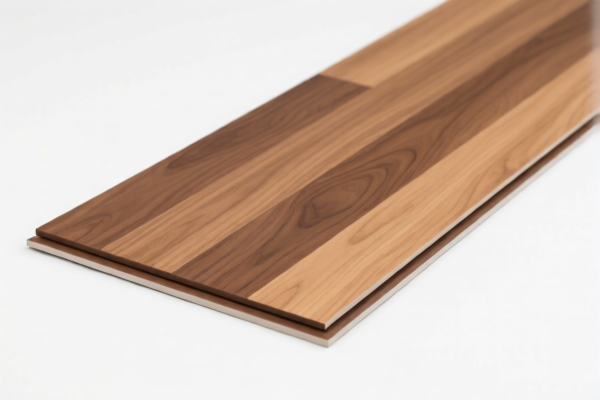
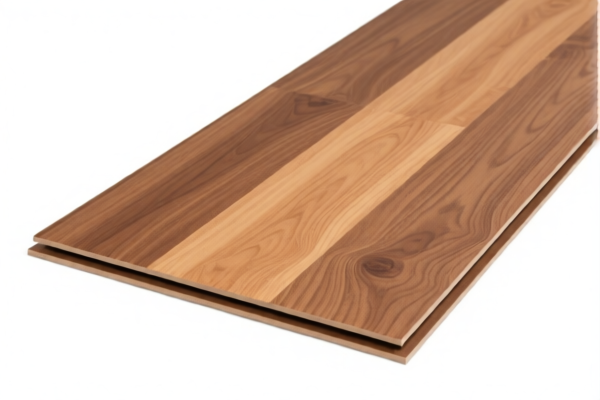
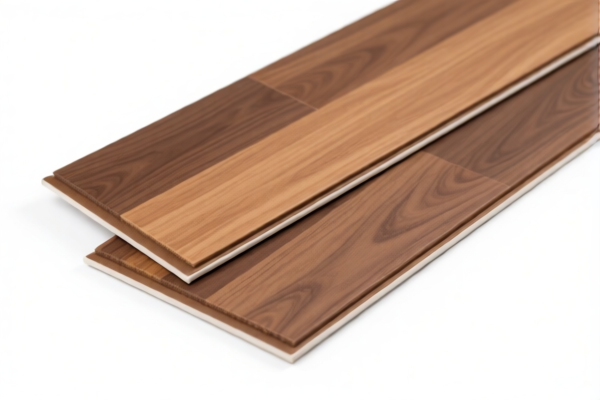
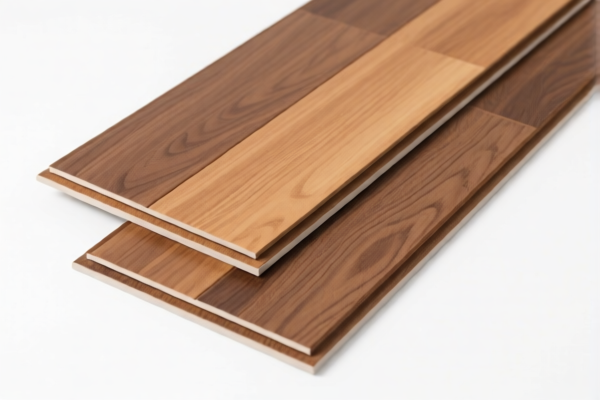
AI Analysis
🏠 Wood Grain Plastic Floor Tile (Vinyl Flooring/LVT)
🌐 HS Code Reference & Customs Clearance Guide | 2026 Latest Tariff Analysis | Professional Clearance Strategy 📌 I. Product Definition & Classification: What is "Wood Grain Plastic Floor Tile"?
"Wood Grain Plastic Floor Tile" is a type of flooring material that mimics the appearance of natural wood but is made primarily from synthetic polymers (such as PVC, SPC, or WPC). In international trade, the classification hinges on two critical factors: 1. Material Composition: Is it primarily plastic (Chapter 39) or does it have a textile backing (Chapter 59)? 2. Structure & Function: Is it a rigid building component or a flexible covering?
⚠️ Key Distinction: - If the product has a textile backing (e.g., felt or woven fabric layer) with a plastic coating, it falls under Chapter 59 (Impregnated Textile Products). - If the product is 100% plastic (rigid plank, tile, or sheet) without a textile base, it falls under Chapter 39 (Plastics and Articles Thereof).
📦 II. HS Code Classification Details (2026 Latest Tariff Authority Cross-Reference)
Based on the provided data, here are the possible HS codes depending on the specific material structure:
| HS Code | Product Description | Applicability Scenario | Material Conflict? |
|---|---|---|---|
5904.90.10.00 |
Plastic Floor Coverings (Textile Base) | Plastic coating/covering applied to a textile substrate. Used as floor covering. | ❌ No. Plastic attributes do not conflict with the textile base. |
5904.90.90.00 |
Other Floor Coverings | Plastic material classified as "carpets/covers." Fits the "Other" residual category logic. | ❌ No. No material conflict; fits residual "Other" category. |
3918.10.10.40 |
Plastic Floor Coverings (PVC) | Product name includes "Plastic" and usage is "Floor." Fits PVC plastic floor covering logic. | ❌ No. Matches PVC/plastic floor covering classification. |
3926.90.60.90 |
Other Plastic Articles | Plastic material fits Chapter 39 "Articles of plastics." Form is "Other Articles." | ❌ No. Fits "Other articles of plastics" category. |
3926.90.99.89 |
Other Plastic Articles | Material is "Plastic." Form is a finished product with no material conflict. | ❌ No. Fits "Plastics" requirement and finished product form. |
3925.90.00.00 |
Other Plastic Building Components | Material is "Plastic." Form is a building component (floor), fits "Other plastic building components." | ❌ No. No material conflict for building components. |
🔍 Critical Reminder: - Textile-Based vs. Pure Plastic: If your "wood grain tile" has a woven backing, you MUST classify under
5904. If it is solid PVC/SPC/WPC, it falls under3918or3926. - "Floor Tile" Misconception: Do not assume all floor tiles are3918. If it's flexible vinyl with a fabric back, it is5904.
💰 III. 2026 Latest Tariff Rate Breakdown (Including Surcharges & Policy Add-ons)
✅ Applicable Country: United States (US) ✅ Country of Origin: China (CN) ✅ Effective Date: From November 10, 2025 (for subsequent imports)
🎯 1. 5904.90.10.00 & 5904.90.90.00 —— Floor Coverings (Textile-Based)
| Item | Content |
|---|---|
| Basic Tariff | 0.0% |
| Section 301 Surcharge | +25.0% |
| Section 122 Tariff | +10.0% |
| Total Tariff Rate | 35.0% |
| Tax Calculation | CIF Value × 35% |
| De Minimis Exemption | ❌ Not Applicable (deny_de_minimis) |
| Legal Basis Path | USITC:5904.90.10.00 → Section 301: 25% → Section 122: 10% |
📌 Explanation: - The 25% is the standard Section 301 tariff on Chinese goods. - The 10% is the specific Section 122 tariff applicable to this category. - Total 35%: High burden. Ensure the textile backing is clearly documented.
🎯 2. 3918.10.10.40 —— Plastic Floor Coverings (PVC/Plastic Base)
| Item | Content |
|---|---|
| Basic Tariff | 5.3% |
| Section 301 Surcharge | +25.0% |
| Section 122 Tariff | +10.0% |
| Total Tariff Rate | 40.3% |
| Tax Calculation | CIF Value × 40.3% |
| De Minimis Exemption | ❌ Not Applicable |
| Legal Basis Path | USITC:3918.10.10.40 → Section 301: 25% → Section 122: 10% |
📌 Note: - This is the most common code for rigid SPC/WPC or soft PVC vinyl flooring without textile backing. - The base duty is higher (5.3%), but the total remains very high due to surcharges.
🎯 3. 3926.90.99.89 —— Other Plastic Articles (Residual Category)
| Item | Content |
|---|---|
| Basic Tariff | 5.3% |
| Section 301 Surcharge | +7.5% |
| Section 122 Tariff | +10.0% |
| Total Tariff Rate | 22.8% |
| Tax Calculation | CIF Value × 22.8% |
| De Minimis Exemption | ❌ Not Applicable |
| Legal Basis Path | USITC:3926.90.99.89 → Section 301: 7.5% → Section 122: 10% |
📌 Strategic Insight: - Lowest Tariff Option! If your product can legally be classified as a general "plastic article" rather than a specific "floor covering" (e.g., if it's a modular tile sold as a plastic component), this code offers significant savings (22.8% vs 40.3%). - Risk: Customs may challenge this if the primary use is clearly "flooring." Requires strong justification.
🎯 4. 3926.90.60.90 & 3925.90.00.00 —— Other Plastic Building Components
| Item | Content |
|---|---|
| Basic Tariff | 4.2% (3926) / 5.3% (3925) |
| Section 301 Surcharge | +25.0% |
| Section 122 Tariff | +10.0% |
| Total Tariff Rate | 39.2% (3926) / 40.3% (3925) |
| Tax Calculation | CIF Value × Rate |
| De Minimis Exemption | ❌ Not Applicable |
| Legal Basis Path | USITC:3926.90.60.90 → Section 301: 25% → Section 122: 10% |
📌 Note: - These codes are for "other" plastic articles or building components. - Rates are high (39.2% - 40.3%). Generally,
3918(specific floor covering) is preferred over3926(general) if the product is clearly flooring, to avoid classification disputes.
🛠️ IV. Customs Clearance Practical Advice (Battle-Tested Pitfall Guide)
✅ 1. Required Documentation Checklist (Non-Negotiable)
| Document | Mandatory? | Description |
|---|---|---|
| ✅ Product Specification Sheet | ✔️ | Must detail: Material % (PVC/SPC/Fiber), Thickness, Backing Type (Textile vs. None). |
| ✅ Product Photos | ✔️ | Clear images of the cross-section (to show backing) and surface (wood grain pattern). |
| ✅ Commercial Invoice | ✔️ | Must specify "Wood Grain Plastic Floor Tile" or "Vinyl Flooring." Avoid vague terms like "Floor Mat." |
| ✅ Packing List | ✔️ | Details of palletization. Ensure weight matches declaration. |
| ✅ Certificate of Origin (CO) | ✔️ | Required to verify CN origin for surcharge calculation. |
| ✅ Third-Party Test Report | ✔️ | VOC, Flammability, or Phthalate tests (especially for US/EU markets). |
✅ 2. Declaration Tips (Key Mantra)
🔥 "Backing Defines Code, Material Defines Chapter, Usage Defines Subheading!"
| Scenario | Correct Declaration | Wrong Practice | Consequence |
|---|---|---|---|
| Vinyl Tile with Felt Back | 5904.90.10.00 |
Declare as 3918 |
Penalty: Misclassification, potential audit. |
| Rigid SPC/WPC Plank (No Back) | 3918.10.10.40 |
Declare as 3926 |
Risk: Higher tax (40.3% vs 22.8% if eligible, but 3926 might be rejected as non-flooring). |
| Modular Plastic Floor Piece | 3926.90.99.89 |
Declare as 5904 |
Risk: Customs rejects if no textile is present. |
| Vague Name "Floor Tile" | SPECIFY MATERIAL | "Floor Tile" | Delay: CBP requests clarification, causing storage fees. |
✅ 3. Special Handling
| Situation | Recommendation |
|---|---|
| Hybrid Products (e.g., PVC top + Fabric Back) | Must use 5904. The textile backing is the defining characteristic. |
| SPC/WPC (Rigid Core) | Use 3918.10.10.40 as primary. Consider 3926.90.99.89 only if you can argue it's a "plastic component" and not a finished "floor covering," but this is risky. |
| OEM Customization | Provide design files to prove specific use, helping justify the HS code. |
| Sample Shipments | Even samples are subject to tariffs. Do not use "Sample" to avoid Section 122/301 duties; they are still taxable. |
🌍 V. Global Market Comparison (2026 Latest)
| Country/Region | Recommended HS Code | Tariff (China Origin) | Certification | Notes |
|---|---|---|---|---|
| 🇺🇸 USA | 3918.10.10.40 or 5904.90.10.00 |
35% - 40.3% | FCC (if smart), CPC (if for kids' room) | High Tariff Zone. Section 122 and 301 apply. |
| 🇨🇳 China | 3918.10.10.40 |
5.3% | CCC (if applicable) | Low basic duty, no surcharges. |
| 🇪🇺 EU | 3918.10.90 |
6.5% | CE + REACH | No Section 301/122. Standard MFN rate. |
| 🇬🇧 UK | 3918.10.90 |
6.5% | UKCA + REACH | Post-Brexit rules. Standard rate. |
| 🇦🇺 Australia | 3918.10.90 |
5.0% | RCM | Low tariff. |
📌 Conclusion: - The US is the most expensive market for wood grain plastic flooring due to Section 301 (25%) and Section 122 (10%). - Total tariffs range from 22.8% (if using
3926residual code successfully) to 40.3% (standard flooring codes). - Strategy: If using3926.90.99.89, ensure the product description emphasizes "plastic component" or "modular unit" rather than "floor covering" to leverage the 7.5% Section 301 rate instead of 25%.
📌 VI. Common Mistakes & Pitfall Guide (Lessons Learned)
❌ Mistake 1: Declaring "Fabric-Backed Vinyl" as 3918 (Pure Plastic)
👉 Consequence: Customs will flag the textile content. Retrospective duty assessment + penalties.
✅ Fix: Always declare 5904.90.10.00 if there is a textile backing.
❌ Mistake 2: Using 3926.90.99.89 for Standard Flooring Without Justification
👉 Consequence: Customs may reject the "residual" code because a specific "floor covering" code (3918) exists.
✅ Fix: Use 3918 unless you have a strong technical argument for why it is not a "floor covering" (e.g., sold as raw plastic material for further fabrication).
❌ Mistake 3: Ignoring Section 122 Tariff 👉 Consequence: Underpayment by 10%. ✅ Fix: Ensure the tariff calculator includes the 10% Section 122 surcharge for all China-origin plastics/textiles.
❌ Mistake 4: Vague Product Name "Floor Tile" 👉 Consequence: CBP "Request for Information" (RFI) leading to delays. ✅ Fix: Use precise terms: "Rigid Core SPC Floor Tile, Wood Grain, 100% PVC/Calcium Carbonate" or "Luxury Vinyl Tile (LVT) with Felt Backing."
🎯 VII. Conclusion: Professional Declaration for Cost Savings!
🎯 Remember the Mantra:
🔹 "Textile Back? Use 5904. Pure Plastic? Check 3918 vs 3926." 🔹 "3926 Saves Money (22.8%) but Risks Audit. 3918 is Safe but Costly (40.3%)." 🔹 "Section 122 is 10% Everywhere. Don't Forget It!"
📌 Pro Tip: If your supply chain allows, consider shifting sourcing to non-China origins (e.g., Vietnam, Malaysia) to potentially avoid the Section 122 (10%) and Section 301 (25%) surcharges, lowering total costs to 0-6%. For US imports, Apply for a Pre-裁定 (Advance Ruling) from CBP to lock in the HS code and tariff rate, preventing post-entry audits.
📣 Immediate Action:
📞 Contact a licensed customs broker. 📄 Provide cross-section photos of your flooring. 📝 Request a binding ruling for your specific product type. 🚀 Minimize duty, maximize profit, ensure smooth clearance!
✨ Professional clearance starts with precise classification! 💼 Every percentage point of tariff is part of your product cost!
Customer Reviews
About HS Code Classification
The Harmonized System (HS) is an internationally standardized nomenclature developed by the World Customs Organization (WCO) to classify traded products. Over 200 countries use the HS system as the basis for customs tariffs, trade statistics, and import/export regulations.
Each HS code follows a hierarchical structure:
- Chapter (2 digits) — Broad category of goods (e.g., Chapter 84: Machinery and Mechanical Appliances)
- Heading (4 digits) — More specific grouping within the chapter
- Subheading (6 digits) — Internationally standardized breakdown, used by all WCO member countries
- National subdivisions (8-10 digits) — Country-specific extensions for further classification, such as US HTSUS 10-digit codes
Correct HS code classification is essential for smooth customs clearance, accurate duty payment, and compliance with trade regulations. Misclassification can lead to customs delays, overpayment of duties, or penalties.
When importing from CN to US, the applicable tariff rates may include:
- Most-Favored-Nation (MFN) rate — The standard duty rate applied to WTO members
- General rate — Applied to countries without trade agreements
- Trade remedy duties — Additional tariffs such as Section 301 (anti-dumping), Section 232 (national security), or countervailing duties
The information provided on this page is for reference purposes only. For official classification, please consult with your local customs authority or a licensed customs broker.