Wood Pellets Fuel
CN → US| HS Code | Tariff Rate | Origin | Destination | Doc |
|---|---|---|---|---|
| 4401210000 | 35.0% | CN | US | Official Doc |
| 4401220000 | 35.0% | CN | US | Official Doc |
| 4403220108 | 35.0% | CN | US | Official Doc |
| 4403240104 | 35.0% | CN | US | Official Doc |
| 4401310000 | 35.0% | CN | US | Official Doc |
Product Images
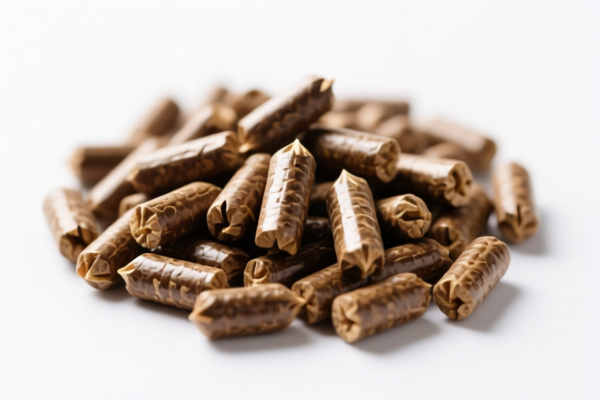
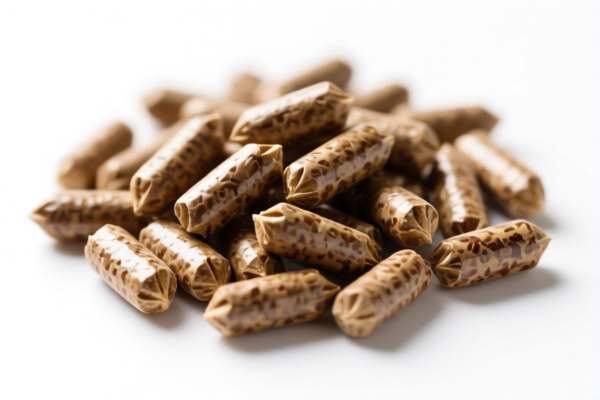
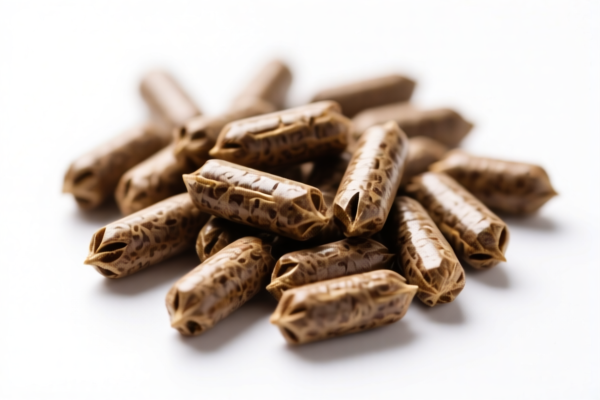

AI Analysis
🔥 Wood Pellets & Fuel (Biomass Energy Source)
🌐 HS Code Reference & Customs Clearance Guide | 2026 Latest Tariff Analysis | Professional Clearance Strategy
📌 I. Product Definition & Classification: Do You Really Understand "Wood Pellets"?
Wood pellets and wood chips are primary forms of biomass fuel, derived from processed wood residues (sawdust, wood chips, or whole logs). In international trade, the classification depends heavily on the physical form (pellets, chips, or raw logs) and the intended purpose (fuel vs. industrial raw material).
For Wood Pellets/Chips used as Fuel, the key distinction lies between: - Processed Fuel Products: Pellets (4401.31) or Chips (4401.21/4401.22). - Raw/Primary Wood Material: Log chunks or rough sawn wood (4403 series), often used interchangeably for fuel if not processed into refined pellets.
⚠️ Critical Distinction:
- If it is compressed pellets → It falls under 4401.31.00.00.
- If it is wood chips/cylinders (not pellets) → It falls under 4401.21.00.00 (coniferous) or 4401.22.00.00 (non-coniferous).
- If it is rough wood chunks/logs (not refined chips) → It may fall under 4403.22/4403.24 (treated or untreated wood for fuel).
📦 II. HS Code Classification Details (2026 Latest Tariff Authority Comparison)
| HS Code | Product Description | Application Scenario | Physical Form |
|---|---|---|---|
4401.31.00.00 |
Wood pellets and briquettes, whether or not agglomerated | Refined biomass fuel, standardized pellets | ✅ Pellets/Briquettes |
4401.21.00.00 |
Wood chips and particles (coniferous) | Fuel wood chips, sawdust blocks | ✅ Chips/Particles |
4401.22.00.00 |
Wood chips and particles (non-coniferous) | Fuel wood chips (hardwood) | ✅ Chips/Particles |
4403.22.01.08 |
Wood, roughly hewn or merely squarred (coniferous) | Raw wood chunks, logs for fuel | ✅ Rough Wood/Logs |
4403.24.01.04 |
Other wood, roughly hewn (coniferous) | Other coniferous wood for fuel/pulp | ✅ Rough Wood |
🔍 Key Reminder:
- Pellets (4401.31) are distinct from Chips (4401.2x) due to density and processing.
- If the wood is not processed into chips/pellets but is cut into small logs for burning, it may be classified under 4403 series.
- Misclassification Risk: Declaring pellets as "chips" or "raw wood" can lead to customs audits because the tax treatment and regulatory requirements (e.g., ISPM 15 for wood packaging vs. fuel standards) differ.
💰 III. 2026 Latest Tariff Rate Details (Including Surtaxes & Policy Add-ons)
✅ Applicable Country: United States (US)
✅ Country of Origin: China (CN)
✅ Effective Date: From November 10, 2025 (including subsequent imports)
🎯 1. 4401.31.00.00 —— Wood Pellets (Coniferous/General)
| Item | Content |
|---|---|
| Base Duty Rate | 0.0% (ad valorem) |
| Section 301 Surtax | +25.0% |
| Section 122 IEEPA Surtax | +10.0% |
| Total Effective Rate | 35.0% |
| Tax Calculation | CIF Value × 35% |
| De Minimis Exemption Eligible? | ❌ NO (deny_de_minimis) |
| Legal Basis Path | IEEPA:9903.01.25 → IEEPA:9903.01.24 → USITC:4401.31.00.00 → FOOTNOTE:9903.88.01 |
📌 Explanation:
- "Section 301 Surtax 25%": Imposed under US Trade Act Section 301 on Chinese wood products.
- "IEEPA 10%": Additional tariff under the International Emergency Economic Powers Act for Chinese-origin goods.
- Total 35%: This is a high tariff rate. Cost must be factored into FOB/CIF pricing.
🎯 2. 4401.21.00.00 & 4401.22.00.00 —— Wood Chips (Coniferous/Non-Coniferous)
| Item | Content |
|---|---|
| Base Duty Rate | 0.0% |
| Section 301 Surtax | +25.0% |
| Section 122 IEEPA Surtax | +10.0% |
| Total Effective Rate | 35.0% |
| Tax Calculation | CIF Value × 35% |
| De Minimis Exemption Eligible? | ❌ NO |
| Legal Basis Path | IEEPA:9903.01.25 → IEEPA:9903.01.24 → USITC:4401.21.00.00 / 4401.22.00.00 → FOOTNOTE:9903.88.01 |
📌 Note:
- Same tax structure as pellets.
- Whether coniferous (pine/spruce) or non-coniferous (oak/maple), both face the 35% total duty.
🎯 3. 4403.22.01.08 & 4403.24.01.04 —— Rough Wood/Logs for Fuel
| Item | Content |
|---|---|
| Base Duty Rate | 0.0% |
| Section 301 Surtax | +25.0% |
| Section 122 IEEPA Surtax | +10.0% |
| Total Effective Rate | 35.0% |
| Tax Calculation | CIF Value × 35% |
| De Minimis Exemption Eligible? | ❌ NO |
| Legal Basis Path | IEEPA:9903.01.25 → IEEPA:9903.01.24 → USITC:4403.22/24 → FOOTNOTE:9903.88.01 |
📌 Note:
- Even if classified as "rough wood," the 35% surtax applies because these are still wood products of Chinese origin targeted by current US trade policies.
🛠️ IV. Customs Clearance Practical Advice (Battle-Tested Pitfall Avoidance)
✅ 1. Required Documentation Checklist (Non-Negotiable)
| Document | Mandatory | Description |
|---|---|---|
| ✅ Product Specification Sheet | ✔️ | Must specify: Moisture content (<10% for pellets), density, ash content, biomass source. |
| ✅ Commercial Invoice | ✔️ | Clearly state "Wood Pellets/Fuel" and HS Code. Avoid vague terms like "Bio-materials." |
| ✅ Packing List | ✔️ | Detail net/gross weight, palletization, and packaging material (wood pallets require ISPM 15 marking). |
| ✅ Phytosanitary Certificate | ✔️ | Critical for wood products. Must confirm pest-free treatment (heat treatment or fumigation). |
| ✅ Certificate of Origin (CO) | ✔️ | Proves origin. If not CN, may reduce tariffs. |
| ✅ Safety Data Sheet (SDS) | ✔️ | Required for hazardous material classification (though wood pellets are usually non-hazardous, fire risk exists). |
✅ 2. Declaration Tips (Key Mnemonics)
🔥 "Form Defines Code, Origin Defines Tax, Pests Block Entry!"
| Scenario | Correct Declaration | Incorrect Practice |
|---|---|---|
| Compressed Pellets | 4401.31.00.00 "Wood Pellets" |
Declaring as "Wood Chips" → Risk of misclassification penalty. |
| Loose Wood Chips | 4401.21/22.00.00 "Wood Chips" |
Declaring as "Pellets" → Density mismatch, customs rejection. |
| Raw Wood Chunks | 4403.22/24.01.08/04 "Rough Wood" |
Declaring as "Fuel Pellets" → Wrong HS, 35% applies anyway, but delays clearance. |
| Wood Pallets Used | Separate line item or noted | Ignore → If wood pallets are not ISPM 15 compliant, whole shipment held. |
✅ 3. Special Situations Handling
| Situation | Handling Advice |
|---|---|
| High Moisture Content | Ensure moisture <10% for pellets. High moisture = fungal risk = phytosanitary failure. |
| Mixed Wood Sources | Declare accurately. If mixed coniferous/non-coniferous, use the most specific code or consult broker. |
| Biomass Certification | Provide sustainability certificates (e.g., FSC, PEFC) if required by buyer for ESG compliance. |
| Fire Hazard | Wood pellets are combustible. Ensure proper ventilation in containers. Declare as "Non-Hazardous Goods" if applicable. |
🌍 V. Global Market Comparison (2026 Latest)
| Country/Region | Recommended HS Code | Tariff (China Origin) | Certification Requirements | Notes |
|---|---|---|---|---|
| 🇺🇸 USA | 4401.31.00.00 / 4401.21/22 |
35% | ISPM 15 + Phytosanitary | High tariff due to 301/IEEPA |
| 🇨🇳 China | 4401.31.00.00 |
5% | None specific | No surtaxes |
| 🇪🇺 EU | 4401.31.00.00 |
0% | FSC/PEFC recommended | No 301 tariffs, but strict deforestation rules |
| 🇬🇧 UK | 4401.31.00.00 |
0% | UKCA marking not needed for raw wood | Post-Brexit rules apply, but low duty |
| 🇦🇺 Australia | 4401.31.00.00 |
5% | Biosecurity Permit | Strict quarantine |
📌 Conclusion:
- USA imposes 35% total duty on Chinese wood fuel products.
- EU/UK offer 0% duty but have strict sustainability and deforestation regulations.
- China has low duty (5%) but imports wood pellets less frequently than chips.
📌 VI. Common Errors & Pitfall Avoidance (Lessons Learned)
❌ Error 1: Declaring "Wood Pellets" as "Lumber"
👉 Consequence: Wrong HS code, 35% duty still applies, but delays for reclassification and penalties.
❌ Error 2: Ignoring Phytosanitary Certificate
👉 Consequence: Shipment detained at port, fumigation costs + storage fees + potential destruction.
❌ Error 3: Not Marking Wood Pallets ISPM 15
👉 Consequence: Entire container rejected or fined due to packaging non-compliance.
❌ Error 4: Misstating Wood Type (Coniferous vs. Non-Coniferous)
👉 Consequence: While tariff is same (35%), incorrect declaration flags customs audit.
✅ Correct Practice:
"Wood Pellets, Coniferous, Biomass Fuel, Moisture <10%, Palletized on ISPM 15 Marked Pallets, Origin China"
🎯 VII. Conclusion: Precise Classification, Cost Control, Smooth Clearance!
🎯 Remember the Mantra:
🔹 "Pellets vs. Chips vs. Logs: Form is King!"
🔹 "35% Duty for China Origin: Plan Your Margin!"
🔹 "Phytosanitary & ISPM 15: Non-Negotiable!"
📌 Pro Tip:
- If your wood pellets are sourced from Vietnam, Malaysia, or Thailand, you may avoid the Section 301 25% surtax and reduce the total duty to 10% (IEEPA only) or even 0% depending on specific trade agreements.
- Recommendation: Apply for Advance Ruling from CBP if unsure about the distinction between "chips" and "pellets" for your specific product density and size.
📣 Immediate Action:
📞 Contact a licensed customs broker + Provide Product Photos + Verify ISPM 15 Compliance
🚀 Ensure your wood fuel clears US customs smoothly and profitably!
✨ Professional Customs Clearance Starts with Accurate Classification!
💼 Every Percent of Duty Saved is Pure Profit!
Customer Reviews
About HS Code Classification
The Harmonized System (HS) is an internationally standardized nomenclature developed by the World Customs Organization (WCO) to classify traded products. Over 200 countries use the HS system as the basis for customs tariffs, trade statistics, and import/export regulations.
Each HS code follows a hierarchical structure:
- Chapter (2 digits) — Broad category of goods (e.g., Chapter 84: Machinery and Mechanical Appliances)
- Heading (4 digits) — More specific grouping within the chapter
- Subheading (6 digits) — Internationally standardized breakdown, used by all WCO member countries
- National subdivisions (8-10 digits) — Country-specific extensions for further classification, such as US HTSUS 10-digit codes
Correct HS code classification is essential for smooth customs clearance, accurate duty payment, and compliance with trade regulations. Misclassification can lead to customs delays, overpayment of duties, or penalties.
When importing from CN to US, the applicable tariff rates may include:
- Most-Favored-Nation (MFN) rate — The standard duty rate applied to WTO members
- General rate — Applied to countries without trade agreements
- Trade remedy duties — Additional tariffs such as Section 301 (anti-dumping), Section 232 (national security), or countervailing duties
The information provided on this page is for reference purposes only. For official classification, please consult with your local customs authority or a licensed customs broker.