Wood Pin Manufacturing Machine
CN → US| HS Code | Tariff Rate | Origin | Destination | Doc |
|---|---|---|---|---|
| 8465100005 | 37.4% | CN | US | Official Doc |
| 8479909560 | 35.0% | CN | US | Official Doc |
| 8479810000 | 35.0% | CN | US | Official Doc |
| 8465990230 | 37.4% | CN | US | Official Doc |
Product Images
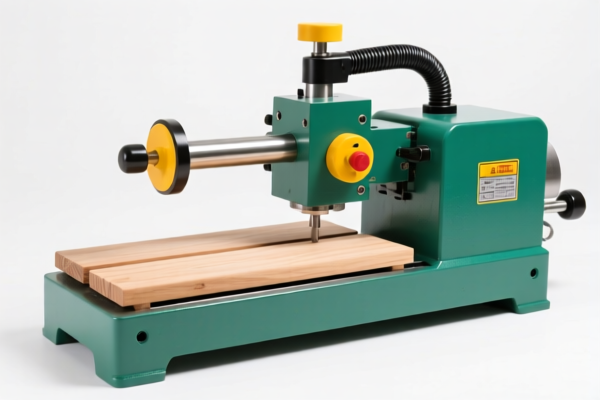
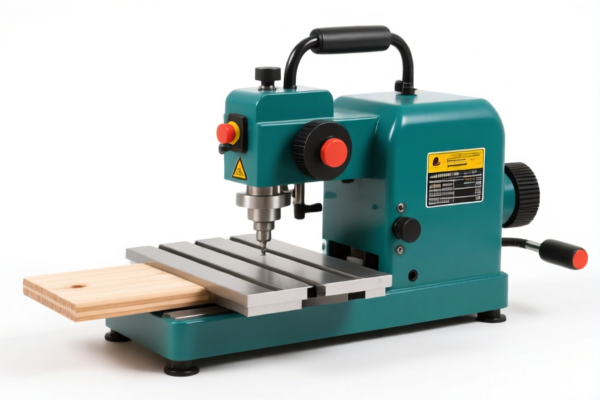
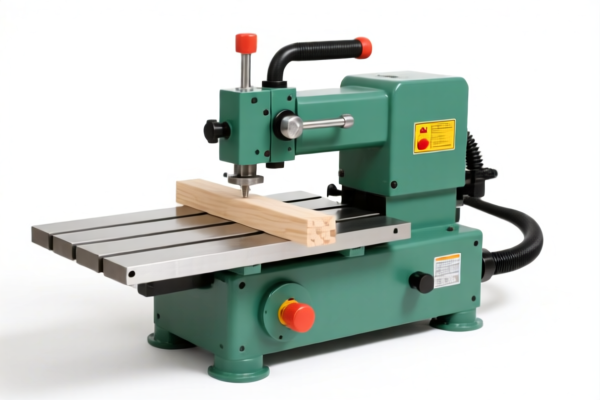
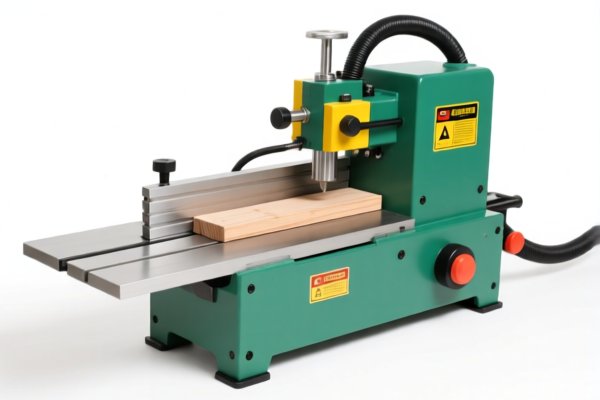
AI Analysis
🪵 Wood Pin Manufacturing Machine (木销制造机)
🌐 HS Code Reference & Customs Clearance Guide | 2026 Latest Tariff Analysis | Professional通关 Strategy
📌 I. Product Definition & Classification: What Exactly is a "Wood Pin Machine"?
A Wood Pin Manufacturing Machine is a specialized industrial apparatus designed specifically for shaping, cutting, and processing wooden dowels, pegs, or pins from raw timber or lumber. In international trade, these machines fall under the broader category of Woodworking Machinery. The classification depends heavily on whether the machine is dedicated solely to this specific function or if it is part of a broader, multi-purpose mechanical system.
Key Distinction: * Dedicated Woodworking Machinery: Machines specifically designed, constructed, and adjusted to perform operations on wood (e.g., cutting, shaping, drilling specific to wood pin geometry). → Chapter 84, Heading 8465. * General Purpose Industrial Machines: Machines that can process wood but are primarily classified by their independent mechanical function rather than their specific interaction with wood material, or those not falling under specific woodworking headings. → Chapter 84, Heading 8479.
⚠️ Critical Classification Point:
- If the machine’s primary function is directly shaping wood (e.g., rotating cutters for dowels, specific molding), it is typically 8465.
- If the machine is a general mechanical processing unit (e.g., a generic mixing, pressing, or assembly machine that can handle wood parts but isn’t exclusively a "woodworking" tool in the traditional sense), it may fall under 8479.
📦 II. HS Code Classification Details (2026 Latest Tariff Authority对照)
| HS Code | Product Description | Application Scenario | Tax Rate (China Origin) |
|---|---|---|---|
8465.10.00.05 |
Wood Pin Manufacturing Machines Machines specifically matched to woodworking objects and machine tools. |
Dedicated machines for producing wooden dowels, pins, or plugs. | 37.4% |
8465.99.02.30 |
Other Woodworking Machinery General woodworking equipment not elsewhere specified. |
General-purpose wood shaping tools, multi-function wood processors. | 37.4% |
8479.90.95.60 |
Machines for Handling Wood Other machinery for processing wood, classified under "Other" headings. |
Mechanical devices for wood processing that don't fit specific woodworking headings. | 35.0% |
8479.81.00.00 |
Machines with Independent Function Non-metal processing machinery (includes wood). |
General mechanical processing units capable of handling wood but not exclusively woodworking machines. | 35.0% |
🔍 Key Insight:
-8465codes are for dedicated woodworking tools. They carry a higher total tariff (37.4%) because they are explicitly targeted as "woodworking."
-8479codes are for general mechanical machinery that happens to process wood. They carry a slightly lower total tariff (35.0%) but require careful justification that the machine is not a dedicated woodworking tool.
- Misclassification Risk: Classifying a dedicated wood pin machine as8479to save 2.4% in base tariff is risky if Customs determines it is primarily for woodworking.
💰 III. 2026 Latest Tariff Rate Breakdown (Including Surcharges & Policy Add-ons)
✅ Applicable Country: United States (US)
✅ Origin: China (CN)
✅ Effective Date: November 10, 2025 onwards (for subsequent imports)
🎯 1. 8465.10.00.05 — Wood Pin Manufacturing Machine
| Item | Detail |
|---|---|
| Base Tariff | 2.4% (Ad valorem) |
| Section 301 Surcharge | +25.0% (USITC Footnote 9903.88.01) |
| Section 122 Tariff | +10.0% (Under IEEPA, targeting Chinese goods) |
| Total Tariff | 37.4% |
| Tax Calculation | CIF Value × 37.4% |
| De Minimis Exemption | ❌ Not Eligible (deny_de_minimis) |
| Legal Path | IEEPA:9903.01.25 → IEEPA:9903.01.24 → USITC:8465.10.00.05 → FOOTNOTE:9903.88.01 |
📌 Explanation:
- The 25% Section 301 tariff applies to most Chinese-origin machinery.
- The 10% Section 122 tariff is an additional surcharge under the International Emergency Economic Powers Act (IEEPA) for specific Chinese goods.
- Total 37.4% is a high tariff burden. This rate applies to all dedicated woodworking machines, including wood pin makers.
🎯 2. 8465.99.02.30 — Other Woodworking Machinery
| Item | Detail |
|---|---|
| Base Tariff | 2.4% |
| Section 301 Surcharge | +25.0% |
| Section 122 Tariff | +10.0% |
| Total Tariff | 37.4% |
| Tax Calculation | CIF × 37.4% |
| De Minimis Exemption | ❌ Not Eligible |
| Legal Path | Same as above, different HS subheading |
📌 Note:
- Same tariff structure as dedicated wood pin machines.
- Even if the machine is not exclusively for pins but falls under "other woodworking machinery," the tariff remains 37.4%.
🎯 3. 8479.90.95.60 — Machines for Handling Wood (Other)
| Item | Detail |
|---|---|
| Base Tariff | 0.0% |
| Section 301 Surcharge | +25.0% |
| Section 122 Tariff | +10.0% |
| Total Tariff | 35.0% |
| Tax Calculation | CIF × 35.0% |
| De Minimis Exemption | ❌ Not Eligible |
| Legal Path | IEEPA:9901.25 → IEEPA:9903.01.24 → USITC:8479.90.95.60 → FOOTNOTE:9903.88.01 |
📌 Note:
- Saves 2.4% compared to8465codes.
- Risk: Must prove the machine is not a dedicated woodworking tool. If Customs argues it is, they will reclassify to8465and charge 37.4% + penalties.
🎯 4. 8479.81.00.00 — Machines with Independent Function
| Item | Detail |
|---|---|
| Base Tariff | 0.0% |
| Section 301 Surcharge | +25.0% |
| Section 122 Tariff | +10.0% |
| Total Tariff | 35.0% |
| Tax Calculation | CIF × 35.0% |
| De Minimis Exemption | ❌ Not Eligible |
| Legal Path | IEEPA:9901.25 → IEEPA:9903.01.24 → USITC:8479.81.00.00 → FOOTNOTE:9903.88.01 |
📌 Note:
- This code is for general-purpose mechanical machines (e.g., mixers, presses, conveyors) that can process wood but are not primarily woodworking tools.
- Best for: Machines that process wood as one of many materials (e.g., a press that handles wood, plastic, and metal).
- Caution: Do not use for machines primarily designed for wood.
🛠️ IV. Customs Clearance Practical Advice (Avoid Pitfalls)
✅ 1. Required Documentation Checklist
| Document | Mandatory? | Description |
|---|---|---|
| ✅ Product Specification Sheet | ✔️ | Must detail: Function, power, dimensions, materials processed, motor type. |
| ✅ Technical Diagrams | ✔️ | Schematics showing if the machine is dedicated to wood or multi-purpose. |
| ✅ Product Photos | ✔️ | Clear images of control panel, processing head, and any wood-specific attachments. |
| ✅ Commercial Invoice | ✔️ | Must state: "Wood Pin Manufacturing Machine" or "Industrial Mechanical Processing Unit." Avoid vague terms like "Factory Equipment." |
| ✅ Certificate of Origin (CO) | ✔️ | To confirm Chinese origin (triggering tariffs). |
| ✅ Packing List | ✔️ | Detail all accessories. Do not split shipment to avoid "component classification." |
✅ 2. Declaration Tips (Key Mantras)
🔥 “Dedicated Wood = 8465 (37.4%) | General Mech = 8479 (35.0%) | Be Honest or Pay More!”
| Scenario | Correct Declaration | Wrong Practice |
|---|---|---|
| Machine made specifically for wood pins | 8465.10.00.05 |
Misdeclare as 8479 → Risk of audit + back taxes |
| Multi-function machine (wood/plastic/metal) | 8479.81.00.00 |
Declare as 8465 → Overpay 2.4% unnecessarily |
| Wood pin machine with extra non-wood functions | Evaluate primary use. If >50% wood use → 8465 |
Split declaration → High risk of rejection |
| Accessory (e.g., drill bit for wood pins) | Classify separately if significant value | Bundle into machine → Incorrect valuation |
✅ 3. Special Cases
| Scenario | Recommendation |
|---|---|
| OEM Wood Pin Machine | Provide customer design specs. Proving it’s a custom woodworking tool may still lead to 8465. |
| Machine Used for Non-Wood Materials | If it can process plastics/metals equally, argue for 8479. Provide test reports showing multi-material use. |
| Used Machinery | Tariffs remain the same. Provide proof of prior use to avoid new goods inspection delays. |
| Shipments from Vietnam/Mexico | If substantially transformed, may avoid Section 301/122. Requires Certificate of Origin proving non-Chinese origin. |
🌍 V. Global Market Comparison (2026 Latest)
| Country/Region | Recommended HS Code | Tariff (CN Origin) | Certification | Notes |
|---|---|---|---|---|
| 🇺🇸 USA | 8465.10.00.05 |
37.4% | None specific | High tariff due to Section 301 + 122. |
| 🇨🇳 China | 8465.10.00.05 |
5-13% | CCC (if applicable) | Lower domestic tariff. |
| 🇪🇺 EU | 8465.10.00 |
0-2.7% | CE | No Section 301/122. |
| 🇬🇧 UK | 8465.10.00 |
0-4.5% | UKCA | No Section 301/122. |
| 🇨🇦 Canada | 8465.10.00 |
0% (if USMCA) | N/A | Zero tariff if Canadian/Mexican origin. |
📌 Conclusion:
- USA is the most expensive market for wood pin machines due to 37.4% total tariff.
- EU, UK, and Canada offer significantly lower tariffs. Consider supply chain diversification if exporting to the US.
📌 VI. Common Mistakes & Pitfalls (Lessons Learned)
❌ Mistake 1: Classifying a dedicated wood pin machine as 8479 to save 2.4%
👉 Consequence: Customs audit → Reclassification to 8465 → Back taxes + 10% penalty.
❌ Mistake 2: Using vague descriptions like "Industrial Machine"
👉 Consequence: Customs delays → Request for technical specs → Shipment held for weeks.
❌ Mistake 3: Ignoring Section 122 (10%)
👉 Consequence: Underpayment → Additional 10% tariff + interest.
✅ Correct Approach:
“Wood Pin Manufacturing Machine, Model XYZ, Specifically Designed for Wooden Dowel Production, 220V, 5HP, CNC Controlled”
🎯 VII. Conclusion: Precise Classification, Cost Savings
🎯 Remember the Mantra:
🔹 “Dedicated Wood = 8465 (37.4%) | General Mech = 8479 (35.0%) | Be Specific or Pay the Price!”
🔹 “Tariffs are the same (35-37%), but Misclassification Costs More!”
📌 Pro Tip:
If your machine can process plastics or metals equally, argue for 8479 to save 2.4%. If it is only for wood, accept 8465 and focus on supply chain optimization.
For US shipments, consider third-country assembly (e.g., Vietnam) to avoid Section 301/122 tariffs.
📣 Immediate Action:
📞 Contact a licensed US Customs Broker.
📄 Provide technical specs for Advance Ruling.
🚀 Optimize your HS Code strategy to protect your margins!
✨ Professional Customs Clearance Starts with Accurate Classification!
💼 Every Percentage Point Counts!
Customer Reviews
About HS Code Classification
The Harmonized System (HS) is an internationally standardized nomenclature developed by the World Customs Organization (WCO) to classify traded products. Over 200 countries use the HS system as the basis for customs tariffs, trade statistics, and import/export regulations.
Each HS code follows a hierarchical structure:
- Chapter (2 digits) — Broad category of goods (e.g., Chapter 84: Machinery and Mechanical Appliances)
- Heading (4 digits) — More specific grouping within the chapter
- Subheading (6 digits) — Internationally standardized breakdown, used by all WCO member countries
- National subdivisions (8-10 digits) — Country-specific extensions for further classification, such as US HTSUS 10-digit codes
Correct HS code classification is essential for smooth customs clearance, accurate duty payment, and compliance with trade regulations. Misclassification can lead to customs delays, overpayment of duties, or penalties.
When importing from CN to US, the applicable tariff rates may include:
- Most-Favored-Nation (MFN) rate — The standard duty rate applied to WTO members
- General rate — Applied to countries without trade agreements
- Trade remedy duties — Additional tariffs such as Section 301 (anti-dumping), Section 232 (national security), or countervailing duties
The information provided on this page is for reference purposes only. For official classification, please consult with your local customs authority or a licensed customs broker.