Wood Pulp Cotton Paper Sculpture
CN → US| HS Code | Tariff Rate | Origin | Destination | Doc |
|---|---|---|---|---|
| 4802100000 | 12.0% | CN | US | Official Doc |
| 4801000120 | 35.0% | CN | US | Official Doc |
| 4801000140 | 35.0% | CN | US | Official Doc |
| 4802586020 | 35.0% | CN | US | Official Doc |
Product Images


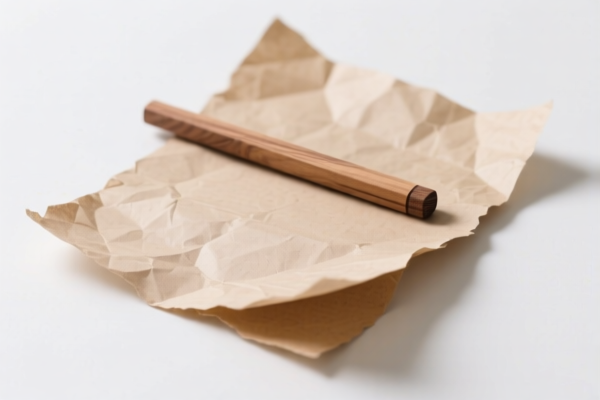

AI Analysis
🎨 Wood Pulp Cotton Paper Sculpture
🌐 HS Code Reference & Customs Clearance Guide | 2026 Latest Tariff Analysis | Professional Strategy for Artistic Paper Products
📌 一、Product Definition & Classification: What is "Wood Pulp Cotton Paper Sculpture"?
Wood Pulp Cotton Paper is a premium artisanal material, often categorized under "Handmade Paper" or "Paper Articles" depending on its final form and processing. When used for sculpture, it implies a three-dimensional artistic application, yet customs classification primarily looks at the material composition and standard paper categories rather than the artistic intent, unless it falls under specific works of art (Chapter 97) or prepared materials.
In international trade, this product is typically classified based on: 1. Material: Wood pulp and cotton fibers. 2. Form: Handmade paper sheets or formed articles. 3. End Use: Artistic creation, writing, or graphic purposes.
⚠️ Key Distinction Point:
- If the product is raw handmade paper sheets intended for further crafting → Classified under Chapter 48 (Paper); - If it is a finished sculpture with no commercial value as paper → Potentially Chapter 97 (Works of Art), but DATA restricts us to Chapter 48 codes provided. - Crucially, the provided<DATA>lists four specific HS Codes under Chapter 48, indicating that for customs purposes, this is treated as a paper product with specific fiber and manufacturing attributes.
📦 二、HS Code Classification Details (Based on Provided Data)
The following HS Codes are derived strictly from the <DATA> provided. Each code reflects a different nuance of the "Wood Pulp Cotton Paper" classification, primarily differing in specific paper type and tariff treatment.
| HS Code | Summary Description from Data | Key Classification Logic |
|---|---|---|
4802.10.00.00 |
Wood Pulp Cotton Handmade Paper | Classified as Handmade Paper. Falls under the specific category for handmade paper and paperboard. |
4801.00.01.20 |
Wood Pulp Cotton Paper | Classified as Standard Paper Category. Matches basic attributes of standard paper, no material conflict. |
4801.00.01.40 |
Wood Pulp Cotton as Raw Material | Classified under "Other" compatible with newspaper-style attributes. Wood pulp cotton is seen as compatible with "Other" paper types. |
4802.58.60.20 |
Wood Pulp Cotton for Writing/Graphics | Classified by Weight & Fiber Composition. Contains cotton fibers, used for writing/graphic purposes, meets weight logic. |
🔍 Note:
- All four codes fall under Chapter 48 (Paper and Paperboard). - The primary difference lies in the subheading definition (Handmade vs. Standard vs. Newspaper-compatible vs. Writing/Graphic specific). - Crucially, the tariff rates differ significantly between4802.10and the4801.xxxx/4802.58codes.
💰 三、2026 Latest Tariff Rate Breakdown (Including Surtaxes & Policy Surcharges)
✅ Applicable Country: USA (US)
✅ Origin: China (CN)
✅ Effective Date: 2025/2026 Import Cycle
🎯 1. 4802.10.00.00 —— Handmade Paper (Wood Pulp Cotton)
| Item | Content |
|---|---|
| Basic Tariff | 0.0% |
| Additional Surtax | 2.0% |
| Section 301 Tariff (122 Clause) | 10.0% |
| Total Tariff Rate | 12.0% |
| Tax Calculation | CIF Value × 12.0% |
| De Minimis Exemption | ❌ Not Applicable (Deny de minimis for Section 301 goods) |
| Legal Basis Path | USITC:4802.10.00.00 → Section 301: Clause 122 |
📌 Explanation:
- This code benefits from a significantly lower total tariff (12%) compared to the others. - The key is the classification as "Handmade Paper". If you can prove the product is strictly handmade, this is the most cost-effective classification. - The 10% is a specific Section 301 surcharge, and 2% is a general additional surtax.
🎯 2. 4801.00.01.20 —— Standard Paper Category
| Item | Content |
|---|---|
| Basic Tariff | 0.0% |
| Additional Surtax | 25.0% |
| Section 301 Tariff (122 Clause) | 10.0% |
| Total Tariff Rate | 35.0% |
| Tax Calculation | CIF Value × 35.0% |
| De Minimis Exemption | ❌ Not Applicable |
| Legal Basis Path | USITC:4801.00.01.20 → Section 301: Clause 122 |
📌 Explanation:
- Classified as "Standard Paper". - The 25% additional surtax is the standard USITC penalty for many paper products from China. - 35% total rate is high. This classification assumes the paper is not "handmade" in the specific customs sense, or falls into a generic paper bucket.
🎯 3. 4801.00.01.40 —— Newspaper-Compatible Paper
| Item | Content |
|---|---|
| Basic Tariff | 0.0% |
| Additional Surtax | 25.0% |
| Section 301 Tariff (122 Clause) | 10.0% |
| Total Tariff Rate | 35.0% |
| Tax Calculation | CIF Value × 35.0% |
| De Minimis Exemption | ❌ Not Applicable |
| Legal Basis Path | USITC:4801.00.01.40 → Section 301: Clause 122 |
📌 Explanation:
- Similar to4801.00.01.20, this falls under the high-tariff bracket (35%). - Even if described as compatible with "newsprint" or "other" paper types, the surtax remains 25%.
🎯 4. 4802.58.60.20 —— Writing/Graphic Paper with Cotton Fibers
| Item | Content |
|---|---|
| Basic Tariff | 0.0% |
| Additional Surtax | 25.0% |
| Section 301 Tariff (122 Clause) | 10.0% |
| Total Tariff Rate | 35.0% |
| Tax Calculation | CIF Value × 35.0% |
| De Minimis Exemption | ❌ Not Applicable |
| Legal Basis Path | USITC:4802.58.60.20 → Section 301: Clause 122 |
📌 Explanation:
- Despite being under 4802 (Paper for Writing/Graphic), this specific subheading attracts the 25% surtax. - The presence of cotton fibers does not exempt it from the high tariff. - 35% total rate applies.
🛠️ 四、Customs Clearance Practical Advice (Pitfall Avoidance Guide)
✅ 1. Critical Strategy: Fight for 4802.10.00.00
| Scenario | Recommendation | Reason |
|---|---|---|
| Product is Handmade | Declare as 4802.10.00.00 |
Total Tax 12% vs. 35%. Huge cost savings. |
| Product is Machine-made | Use 4801.00.01.20 or 4802.58.60.20 |
No choice; high tariff applies. |
| Mixed Shipment | Separate Handmade vs. Machine-made | Do not mix declarations. Risk of audit and back-payment. |
🔥 Key Insight:
The difference between 12% and 35% is 23 percentage points. For a $10,000 shipment, this is a $2,300 difference. Always ensure your product meets the customs definition of "Handmade Paper" to qualify for the lower rate.
✅ 2. Required Documentation
| Document | Must Provide | Purpose |
|---|---|---|
| ✅ Product Description | ✔️ | Specify "Handmade Paper", "Wood Pulp", "Cotton Fiber". Avoid "Artwork" if claiming Chapter 48. |
| ✅ Manufacturing Process | ✔️ | Proof of handmade process (photos, video, factory audit). Crucial for 4802.10.00.00. |
| ✅ Composition Certificate | ✔️ | Confirm wood pulp and cotton content. Needed for 4802.58.60.20 if high cotton. |
| ✅ Commercial Invoice | ✔️ | Clearly state "Handmade Paper" or specific HS Code. |
| ✅ Bill of Lading | ✔️ | Ensure weight and quantity match invoice. |
✅ 3. Declaration Tips
💡 Golden Rule:
"If it’s handmade, claim handmade. If it’s not, don’t risk it."
| Mistake | Consequence |
|---|---|
| Declaring machine-made paper as "Handmade" | Audit Risk. High penalty. Back taxes + interest. |
| Using vague terms like "Paper Sculpture Material" | Delay. Customs may reclassify to highest duty bracket (35%). |
| Ignoring Section 301 Clause 122 | Underpayment. You will owe the 10% + 25% if not pre-calculated. |
✅ Correct Declaration Example:
"Handmade Paper Sheets, Wood Pulp and Cotton Fiber Blend, for Artistic Use, Uncoated, Weight: 200gsm. HS Code: 4802.10.00.00."
🌍 五、Global Market Comparison (2026)
| Country/Region | Recommended HS Code | Total Tariff (China Origin) | Notes |
|---|---|---|---|
| 🇺🇸 USA | 4802.10.00.00 (Handmade) |
12% | Best option if handmade. |
| 🇺🇸 USA | 4801.00.01.20 |
35% | Standard paper. High tax. |
| 🇪🇺 EU | 4802.10 | ~0-6.5% | No Section 301. Favorable for handmade. |
| 🇬🇧 UK | 4802.10 | ~0-6.5% | Post-Brexit rules apply. Check FTA. |
| 🇨🇳 China | 4802.10 | ~5-10% | Import duty for raw materials. |
📌 Conclusion:
- USA is the most challenging market due to Section 301 tariffs. - Handmade classification is your best defense against high tariffs. - Consider transshipment or third-country processing if handmade status cannot be proven, but beware of "Substantial Transformation" rules.
📌 六、Common Errors & Pitfalls (Blood & Tears Lessons)
❌ Mistake 1: Calling it "Sculpture" or "Art" to avoid Chapter 48
👉 Result: Customs will classify it as paper (Chapter 48) anyway. No benefit.
❌ Mistake 2: Claiming 4802.10.00.00 for machine-made paper
👉 Result: 35% vs 12% difference. If audited, you pay back taxes + penalties.
❌ Mistake 3: Ignoring the 10% Section 301 Clause 122
👉 Result: Unexpected tax bill at customs. Plan for the full 12% or 35% in pricing.
❌ Mistake 4: Vague description "Wood Pulp Paper"
👉 Result: Customs officer has discretion. Likely choose the 35% code. Be specific!
✅ Correct Approach:
"Handmade Paper, 100% Cotton/Wood Pulp Blend, Artistic Grade, Uncoated. HS Code: 4802.10.00.00. Total Tax: 12%."
🎯 七、Conclusion: Precision Saves Money!
🎯 Remember the Mantra:
🔹 "Handmade is King: 12% vs 35%."
🔹 "Be Specific: Wood Pulp + Cotton = High Value."
🔹 "Prepare Proof: Process > Product."
📌 Pro Tip:
If your product is partially handmade or hybrid, consult a customs broker to see if you can justify 4802.10.00.00. The savings are massive.
📣 Immediate Action:
📞 Contact a Customs Broker + Provide Manufacturing Process Details + Apply for Advance Ruling (if possible)
🚀 Secure the 12% Rate and Maximize Profit!
✨ Professional Clearance Starts with Accurate Classification!
💼 Every Percentage Point Saved is Pure Profit!
Customer Reviews
About HS Code Classification
The Harmonized System (HS) is an internationally standardized nomenclature developed by the World Customs Organization (WCO) to classify traded products. Over 200 countries use the HS system as the basis for customs tariffs, trade statistics, and import/export regulations.
Each HS code follows a hierarchical structure:
- Chapter (2 digits) — Broad category of goods (e.g., Chapter 84: Machinery and Mechanical Appliances)
- Heading (4 digits) — More specific grouping within the chapter
- Subheading (6 digits) — Internationally standardized breakdown, used by all WCO member countries
- National subdivisions (8-10 digits) — Country-specific extensions for further classification, such as US HTSUS 10-digit codes
Correct HS code classification is essential for smooth customs clearance, accurate duty payment, and compliance with trade regulations. Misclassification can lead to customs delays, overpayment of duties, or penalties.
When importing from CN to US, the applicable tariff rates may include:
- Most-Favored-Nation (MFN) rate — The standard duty rate applied to WTO members
- General rate — Applied to countries without trade agreements
- Trade remedy duties — Additional tariffs such as Section 301 (anti-dumping), Section 232 (national security), or countervailing duties
The information provided on this page is for reference purposes only. For official classification, please consult with your local customs authority or a licensed customs broker.