Wood Pulp Cotton Paper Storage Box
CN → US| HS Code | Tariff Rate | Origin | Destination | Doc |
|---|---|---|---|---|
| 4802586020 | 35.0% | CN | US | Official Doc |
| 4801000120 | 35.0% | CN | US | Official Doc |
| 4801000140 | 35.0% | CN | US | Official Doc |
| 4802100000 | 12.0% | CN | US | Official Doc |
| 4202929336 | 52.6% | CN | US | Official Doc |
Product Images
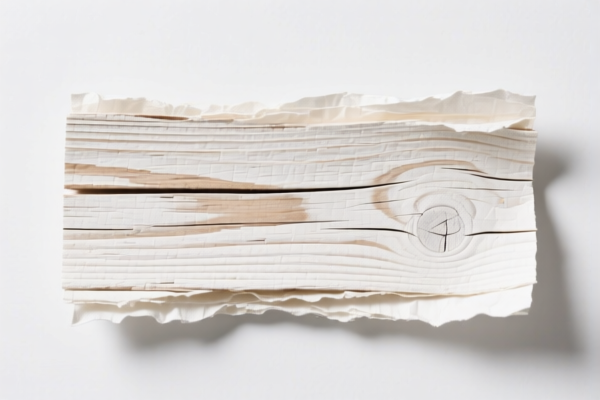


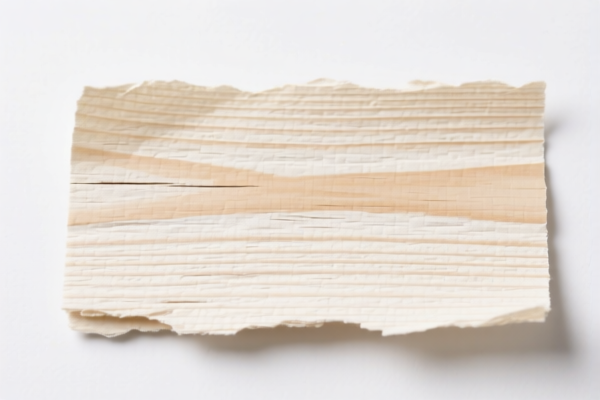
AI Analysis
📄 Wood Pulp Cotton Paper & Storage Box: The Ultimate Classification & Tax Guide (2026 Update)
🌐 HS Code Reference & Customs Clearance Guide | 2026 Latest Tariff Analysis | Professional Entry Strategy
📌 I. Product Definition & Classification: Are You Misidentifying Your Goods?
The input "Wood Pulp Cotton Paper Storage Box" describes two distinct types of goods that are often confused or incorrectly bundled during shipping. In international trade, precise classification is critical because the tax rates vary drastically (from 12% to 52.6%).
1. Wood Pulp Cotton Paper (木浆棉手工纸)
Nature: A porous, absorbent paper-like material made from wood pulp and cotton fibers.
Usage: Craft paper, packaging liner, filter paper, or art materials.
Key Distinction: Is it a finished paper product (rolls/sheets) or a structural material*?
2. Storage Box (收纳盒)
Nature: A container for holding items.
Material Inference: If the box is made of plastic, textile, or woven material, it falls under Chapter 42.
Key Distinction:* Is it a rigid box, a basket, or a soft pouch?
⚠️ Critical Warning:
- If you declare "Wood Pulp Cotton Paper" but it is actually a finished container, you risk severe penalties.
- If you declare "Storage Box" but it is just raw paper material, you may underpay taxes, leading to audits.
- Do not mix these two categories in one HS Code!
📦 II. HS Code Classification Details (2026 Authoritative对照)
Based on the provided data, here are the specific HS Codes and their rationales:
| HS Code | Product Description | Applicable Scenario | Tax Implication |
|---|---|---|---|
4802.58.60.20 |
Wood Pulp Cotton Paper (Cotton Fiber Specific) | Paper containing cotton fibers, handmade form, specific craft usage. | 35.0% |
4801.00.01.20 |
Wood Pulp Cotton Paper (Basic Paper Attribute) | General paper classification, basic wood pulp properties. | 35.0% |
4801.00.01.40 |
Wood Pulp Cotton Paper (Newsprint Attribute) | Paper matching newsprint material attributes and form. | 35.0% |
4802.10.00.00 |
Wood Pulp Cotton Paper (General Handmade Paper) | General classification for handmade paper/paperboard. | 12.0% |
4202.92.93.36 |
Storage Box (Container Type) | Container made of plastic or textile materials, inferred form. | 52.6% |
🔍 Key Insight:
- Paper Products: All "Wood Pulp Cotton Paper" variants are classified under Chapter 48 (Paper). The main difference is in the specific sub-heading based on fiber content (cotton) and form (handmade/newsprint).
- Storage Box: Falls under Chapter 42 (Articles of Leather; Travel Goods; Handbags), specifically4202(Trunks, suitcases, vanity cases, etc.).
💰 III. 2026 Latest Tariff Rate Breakdown (Including Surtaxes)
✅ Applicable Country: United States (US)
✅ Origin: China (CN)
✅ Effective Date: 2025/2026 (Current Trade War Context)
🎯 1. Wood Pulp Cotton Paper Classification
There are four potential HS Codes for the paper product, but they fall into two tax tiers.
📌 Tier A: High Tax Tier (35%)
HS Codes: 4802.58.60.20, 4801.00.01.20, 4801.00.01.40
| Item | Content |
|---|---|
| Base Tariff | 0.0% |
| Section 301 Surcharge | +25.0% |
| Section 122 Tariff | +10.0% |
| Total Tax Rate | 35.0% |
| Tax Calculation | CIF Value × 35% |
| De Minimis Exemption | ❌ Not Eligible (Deny De Minimis) |
| Legal Basis | 301:Footnote 9903.88.01 → 122:IEEPA:9903.01.24 |
📌 Explanation:
- Why 35%? The "Base Tariff" for these specific paper grades is 0%, but the Section 301 tariff (25%) and Section 122 tariff (10%) are applied.
- Note: Even though the base is 0%, the surcharges make the total effective rate 35%.
📌 Tier B: Low Tax Tier (12%)
HS Code: 4802.10.00.00
| Item | Content |
|---|---|
| Base Tariff | 0.0% |
| Section 301 Surcharge | +2.0% |
| Section 122 Tariff | +10.0% |
| Total Tax Rate | 12.0% |
| Tax Calculation | CIF Value × 12% |
| De Minimis Exemption | ❌ Not Eligible |
| Legal Basis | 301:Footnote 9903.88.01 → 122:IEEPA:9903.01.24 |
📌 Explanation:
- Why 12%? This code has a lower Section 301 surcharge (2%) compared to Tier A (25%).
- Strategy: If your "Wood Pulp Cotton Paper" qualifies for4802.10.00.00, you save 23% on taxes!
🎯 2. Storage Box Classification
HS Code: 4202.92.93.36
| Item | Content |
|---|---|
| Base Tariff | 17.6% |
| Section 301 Surcharge | +25.0% |
| Section 122 Tariff | +10.0% |
| Total Tax Rate | 52.6% |
| Tax Calculation | CIF Value × 52.6% |
| De Minimis Exemption | ❌ Not Eligible |
| Legal Basis | 301:Footnote 9903.88.01 → 122:IEEPA:9903.01.24 |
📌 Explanation:
- Why 52.6%? This is the highest tax bracket in the data.
- Base Tariff: Unlike paper, the base tariff for plastic/textile containers is 17.6%.
- Surcharges: Add 25% (301) and 10% (122).
- Impact: Over half of the product value goes to taxes. This is a high-risk classification for cost control.
🛠️ IV. Customs Clearance Practical Advice (Battle-Tested Tips)
✅ 1. Document Checklist (Must-Have)
| Document | Required? | Description |
|---|---|---|
| ✅ Product Specification Sheet | ✔️ | Details material composition (e.g., "80% Wood Pulp, 20% Cotton"). |
| ✅ Product Photos | ✔️ | Clear images of the paper texture and the storage box structure. |
| ✅ Commercial Invoice | ✔️ | Must clearly separate "Paper" and "Box" if shipped together. |
| ✅ Packing List | ✔️ | Weight and dimensions per item. |
| ✅ Third-Party Lab Report | ✔️ | Confirming material composition (e.g., "Cotton Content > 10%"). |
🔍 Critical Tip:
If you are shipping Paper and Boxes together, DO NOT combine them into one HS Code. Ship them separately or declare them with two different HS Codes to avoid confusion and potential audits.
✅ 2. Declaration Strategy (Key Mantra)
🔥 "Paper vs. Box: Don't Mix! Paper is 12-35%, Box is 52.6%! Be Precise!"
| Scenario | Correct Declaration | Wrong Action | Consequence |
|---|---|---|---|
| Wood Pulp Cotton Paper | 4802.10.00.00 (if qualified) |
Declare as 4802.58.60.20 |
Pay 35% instead of 12% → Loss of 23% profit |
| Wood Pulp Cotton Paper | 4802.58.60.20 (if high cotton) |
Declare as 4802.10.00.00 |
Customs may audit material content → Delay/Seizure |
| Storage Box (Plastic/Textile) | 4202.92.93.36 |
Declare as "Paper Product" | Tax underpayment (35% vs 52.6%) → Penalties + Back Taxes |
| Storage Box (Wooden) | Not in Data | Use 4202.92.93.36 |
Wrong HS Code → Wooden boxes fall under Chapter 44 → Different Tax Rate |
📌 Note on "Wood Pulp Cotton Paper Storage Box":
If the storage box is made of the same wood pulp cotton paper, it cannot be declared as4202.92.93.36. It should likely be classified under Chapter 48 as a "Made-up paper article" (e.g.,4823.90.00.00or similar), which may have a different tax rate.
Action: Verify if the box is paper-based or plastic/textile-based. The data provided only covers plastic/textile boxes (4202...).
✅ 3. Special Case Handling
| Case | Handling Suggestion |
|---|---|
| Box Made of Paper | If the box is made of "Wood Pulp Cotton Paper," do NOT use 4202.92.93.36. Seek a Paper Product HS Code (e.g., 4823 or 4802 depending on form). |
| Mixed Shipment | Declare separately: 1. Paper Rolls (4802...) 2. Paper Boxes (4823...) 3. Plastic Boxes (4202...). |
| De Minimis Strategy | ❌ No De Minimis: All items above are subject to duties. Ensure your logistics partner knows not to use "Section 321" (de minimis) for these items. |
🌍 V. Global Market Comparison (2026)
| Country/Region | Recommended HS Code (Paper) | Tax Rate (Paper) | Recommended HS Code (Box) | Tax Rate (Box) | Notes |
|---|---|---|---|---|---|
| 🇺🇸 USA | 4802.10.00.00 (Best) |
12.0% | 4202.92.93.36 |
52.6% | High tariffs on Chinese goods. Paper box needs separate classification. |
| 🇨🇳 China | 4802.10.00.00 |
~6-8% | 4202.92.93.36 |
~10% | No Section 301/122 tariffs. |
| 🇪🇺 EU | 4802.10.00.00 |
6.5% | 4202.92.93.36 |
4.7% | No extra surcharges. |
| 🇯🇵 Japan | 4802.10.00.00 |
6.0% | 4202.92.93.36 |
6.0% | Stable tariffs. |
📌 Conclusion:
- USA is the most challenging market due to Section 301 and 122 tariffs.
- Optimize Paper Classification: Aim for4802.10.00.00to save 23% vs. other paper codes.
- Re-evaluate Box Classification: If the box is paper, do NOT use4202.... Use a paper-based HS code to potentially lower taxes.
📌 VI. Common Errors & Pitfalls (Blood & Tears Lessons)
❌ Error 1: Declaring a Paper Storage Box as 4202.92.93.36 (Plastic/Textile Box)
👉 Consequence: Tax Fraud Risk. Customs will verify material. If found to be paper, you will be fined for misclassification.
✅ Correction: Use a Paper Product HS Code (e.g., 4823.90.00.00 or 4802.58.60.20 if applicable).
❌ Error 2: Declaring High-Cotton Paper as 4802.10.00.00 (Low Tax)
👉 Consequence: Customs audit. If cotton content is high, they may reclassify to 4802.58.60.20 (35% tax) → Back Taxes + Interest.
✅ Correction: Ensure material composition matches 4802.10.00.00 criteria.
❌ Error 3: Combining Paper and Box into one HS Code
👉 Consequence: Customs Rejection. Different materials cannot be mixed under one HS Code.
✅ Correction: Declare separately.
🎯 VII. Conclusion: Precision Saves Money!
🎯 Remember the Mantra:
🔹 "Paper is 12-35%, Box is 52.6%! Paper Box is NOT a Plastic Box!"
🔹 "Check Material: Cotton/Pulp = Paper Code; Plastic/Textile = 4202 Code."
🔹 "USA Tariffs are High: Optimize Paper HS Code to Save 23%!"
📌 Pro Tip:
If your "Storage Box" is made of Wood Pulp Cotton Paper, request a Pre-Ruling (Advance Ruling) from US Customs. Do NOT assume it falls under 4202.92.93.36. It likely falls under Chapter 48 (Paper), which may have a lower tax rate than 52.6%.
📣 Immediate Action:
📞 Verify Material: Is the box paper, plastic, or textile?
📄 Select Correct HS Code:
- Paper →4802.10.00.00(12%) or4802.58.60.20(35%)
- Paper Box → Seek Paper Product Code (Not4202)
- Plastic/Textile Box →4202.92.93.36(52.6%)
🚀 Optimize Your Supply Chain: Save 23% on paper taxes by choosing the right HS Code!
✨ Professional Customs Clearance Starts with Precise Classification!
💼 Every Cent Saved is Pure Profit!
Customer Reviews
About HS Code Classification
The Harmonized System (HS) is an internationally standardized nomenclature developed by the World Customs Organization (WCO) to classify traded products. Over 200 countries use the HS system as the basis for customs tariffs, trade statistics, and import/export regulations.
Each HS code follows a hierarchical structure:
- Chapter (2 digits) — Broad category of goods (e.g., Chapter 84: Machinery and Mechanical Appliances)
- Heading (4 digits) — More specific grouping within the chapter
- Subheading (6 digits) — Internationally standardized breakdown, used by all WCO member countries
- National subdivisions (8-10 digits) — Country-specific extensions for further classification, such as US HTSUS 10-digit codes
Correct HS code classification is essential for smooth customs clearance, accurate duty payment, and compliance with trade regulations. Misclassification can lead to customs delays, overpayment of duties, or penalties.
When importing from CN to US, the applicable tariff rates may include:
- Most-Favored-Nation (MFN) rate — The standard duty rate applied to WTO members
- General rate — Applied to countries without trade agreements
- Trade remedy duties — Additional tariffs such as Section 301 (anti-dumping), Section 232 (national security), or countervailing duties
The information provided on this page is for reference purposes only. For official classification, please consult with your local customs authority or a licensed customs broker.