Wood Sawdust Granular Fuel
CN → US| HS Code | Tariff Rate | Origin | Destination | Doc |
|---|---|---|---|---|
| 4401394210 | 35.0% | CN | US | Official Doc |
| 4401310000 | 35.0% | CN | US | Official Doc |
| 4405000000 | 38.2% | CN | US | Official Doc |
| 4401220000 | 35.0% | CN | US | Official Doc |
| 4401210000 | 35.0% | CN | US | Official Doc |
Product Images
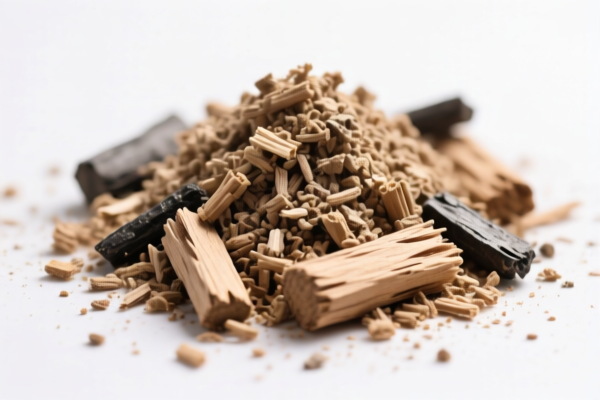
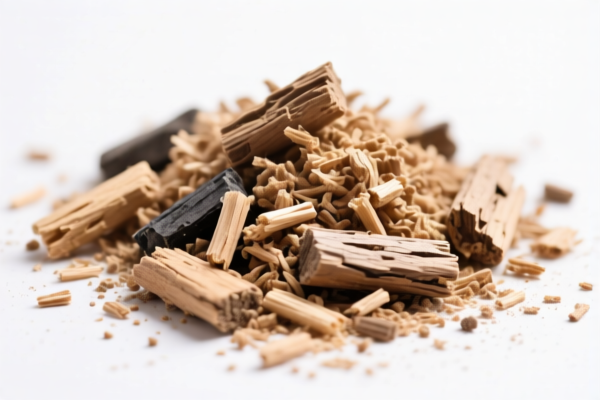
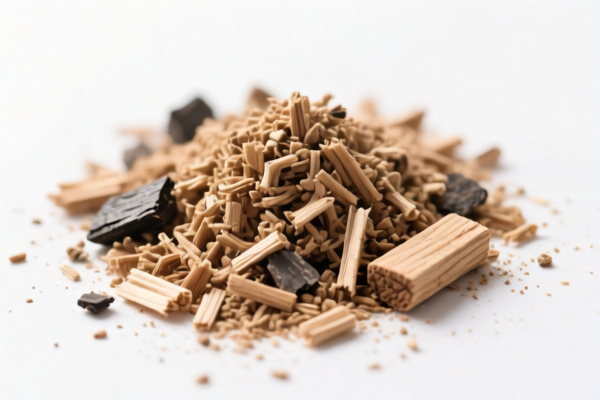
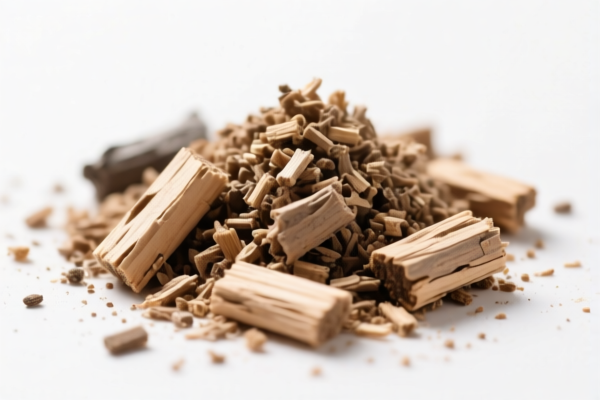
AI Analysis
🌲 Wood Sawdust Granular Fuel (Biomass Pellets)
🌐 HS Code Reference & Customs Clearance Guide | 2026 Latest Tariff Analysis | Professional Clearance Strategy
📌 1. Product Definition & Classification: What Exactly Are "Wood Sawdust Granular Fuels"?
Wood sawdust granular fuel, commonly known as biomass pellets, is a renewable energy source produced by compressing wood residues (such as sawdust, wood chips, or shavings) under high pressure. In international trade, the classification hinges on three critical factors: * Material: Primarily wood (pine, hardwood, etc.). * Form: Sawdust, shavings, pellets, or briquettes. * Purpose: Fuel for combustion (heating, power generation).
⚠️ Key Distinction Point:
- If the product is wooden waste/residue specifically processed for fuel use, it falls under Chapter 44 (Wood and Articles of Wood), Heading 4401.
- If it is considered wood powder not primarily for fuel but for industrial processing, it may fall under 4405.
- Crucial Note for US Imports: Products classified under 4401 and 4405 from China are subject to Section 301 tariffs (25%) and Section 1223 tariffs (10%), resulting in high total tax rates.
📦 2. HS Code Classification Details (2026 Latest Tariff Authority)
| HS Code | Product Description | Application Scenario | Tax Rate Breakdown | Total Tax |
|---|---|---|---|---|
4401.39.42.10 |
Wood sawdust biomass fuel pellets, shape is sawdust-type wood waste, use is fuel wood or pellets. | Sawdust-based biomass fuel; specifically identified as wood waste residue. | Base: 0.0% Additional (Sec 301): 25.0% 1223 Clause: 10% |
35.0% |
4401.31.00.00 |
Wood sawdust biomass fuel pellets, material is wood shavings, shape is pellets, fully complies with classification requirements. | Standard biomass pellets made from wood shavings/sawdust. | Base: 0.0% Additional (Sec 301): 25.0% 1223 Clause: 10% |
35.0% |
4405.00.00.00 |
Wood sawdust biomass fuel pellets, material is wood, shape is pellets, meets requirements for wood powder and pellet forms. | Wood powder/pellets potentially used for industrial fuel or other wood-based products. | Base: 3.2% Additional (Sec 301): 25.0% 1223 Clause: 10% |
38.2% |
4401.22.00.00 |
Irregular wood fuel, shape is sliced or granular, use is fuel, material is wood. | Non-prefabricated wood chips or irregular granules for fuel. | Base: 0.0% Additional (Sec 301): 25.0% 1223 Clause: 10% |
35.0% |
4401.21.00.00 |
Irregular wood fuel, shape conforms to coniferous or non-coniferous fuel characteristics, use is fuel. | Raw wood chips/granules (coniferous or hardwood) for fuel. | Base: 0.0% Additional (Sec 301): 25.0% 1223 Clause: 10% |
35.0% |
🔍 Important Reminder:
- 4401 vs. 4405:4401is for "Fuel wood in logs, in chips or in pellets."4405is for "Wood sawdust and wood waste and scrap." While often overlapping, if the primary intent is fuel,4401is usually preferred. However,4405incurs a 3.2% base tariff, raising the total to 38.2%, compared to 35.0% for most4401codes. - Section 1223: The 10% tariff is a specific levy on Chinese wood products under Section 1223 of the Trade Facilitation and Trade Enforcement Act.
💰 3. 2026 Latest Tariff Rate Details (Including Surtaxes & Policy Additions)
✅ Applicable Country: United States (US)
✅ Country of Origin: China (CN)
✅ Effective Time: 2025/2026 (Current Validity)
🎯 1. 4401.39.42.10, 4401.31.00.00, 4401.22.00.00, 4401.21.00.00 — Biomass Wood Fuel
| Item | Content |
|---|---|
| Base Tariff | 0.0% (ad valorem) |
| Section 301 Surtax | +25.0% (USITC Footnote related to China origin) |
| Section 1223 Tariff | +10.0% (Specific levy on wood products) |
| Total Tax Rate | 35.0% |
| Tax Calculation | CIF Value × 35% |
| De Minimis Eligibility | ❌ No (Deny de minimis for Section 301 goods) |
| Legal Basis Path | USITC:4401.xxxx → Section301:25% → Section1223:10% |
📌 Explanation:
- "25% Surtax": Under Section 301 of the Trade Act, aimed at China-origin goods. - "10% 1223 Tariff": A specific duty on wood articles imported from China. - Total 35%: This is a high-cost burden. Importers must factor this into landed cost calculations.
🎯 2. 4405.00.00.00 — Wood Sawdust / Powder / Pellets
| Item | Content |
|---|---|
| Base Tariff | 3.2% (Standard MFN rate for wood sawdust) |
| Section 301 Surtax | +25.0% |
| Section 1223 Tariff | +10.0% |
| Total Tax Rate | 38.2% |
| Tax Calculation | CIF Value × 38.2% |
| De Minimis Eligibility | ❌ No |
| Legal Basis Path | USITC:4405.00 → Section301:25% → Section1223:10% |
📌 Note:
- Although4401codes have a 0% base,4405has a 3.2% base. If customs misclassifies your "fuel pellets" as "wood sawdust/powder for industrial use" (4405), you pay an extra 3.2%. - Ensure your product description and commercial invoice clearly state "Fuel" and "Biomass Pellets" to support classification under4401.
🛠️ 4. Customs Clearance Practical Advice (Real-World Pitfall Avoidance)
✅ 1. Required Documentation Checklist (Non-negotiable)
| Document | Mandatory? | Description |
|---|---|---|
| ✅ Commercial Invoice | ✔️ | Must explicitly state: "Biomass Pellets," "Fuel Use," "HS Code: 4401.xx.xx.xx" |
| ✅ Packing List | ✔️ | Detailed weight/volume, pallet count |
| ✅ Certificate of Origin (CO) | ✔️ | Essential for proving China origin (and applying tariffs) |
| ✅ Product Specification Sheet | ✔️ | Include moisture content, density, ash content, and binding agent (if any). Natural wood pellets are preferred; artificial binders may change classification. |
| ✅ MSDS (Material Safety Data Sheet) | ✔️ | Required for shipping safety (fire hazard classification) |
| ✅ Phytosanitary Certificate | ✔️ | CRITICAL. Wood fuel requires pest control certification to prevent invasive species. |
| ✅ Bill of Lading / Air Waybill | ✔️ | Standard transport document |
✅ 2. Declaration Tips (Key Mantra)
🔥 "Clear Intent, Precise HS, Phytosanitary Ready!"
| Scenario | Correct Declaration | Wrong Practice |
|---|---|---|
| Biomass Pellets for Heating | HS: 4401.31.00.00Description: "Wood Biomass Pellets, Fuel Grade" |
Describing as "Wood Chips" or "Sawdust" without specifying fuel → Risk of 4405 classification (38.2%) |
| Irregular Wood Chips for Fuel | HS: 4401.21.00.00 or 4401.22.00.00Description: "Wood Chips, Fuel Use, Unprocessed" |
Omitting "Fuel Use" → Customs may question intent |
| High-Moisture Wood Waste | HS: 4401.39.42.10Description: "Sawdust, Wood Waste, Fuel" |
Mislabeling as "Recycled Wood" |
| With Artificial Binders | Re-evaluate Classification | If non-wood binders are used, it may fall under 3926 (Plastics) or 4405 → Higher risk |
✅ 3. Special Handling
| Situation | Handling Advice |
|---|---|
| Phytosanitary Inspection | USDA APHIS will inspect for bark, insects, and soil. Ensure wood is heat-treated or fumigated as per ISPM 15 if applicable. |
| Moisture Content | High moisture (>30%) may trigger mold concerns or be reclassified as "wood waste" rather than "pellets." Provide lab test results. |
| Additives | If additives (e.g., coal, plastic) are mixed, the product may no longer be classified as pure wood fuel. Disclose all ingredients. |
| Section 1223 Exemptions? | None currently available for standard wood fuel from China. Plan for 35-38.2% total duty. |
🌍 5. Global Market Comparison (2026 Latest)
| Country/Region | Recommended HS Code | Tariff (China Origin) | Key Requirement | Notes |
|---|---|---|---|---|
| 🇺🇸 USA | 4401.31.00.00 |
35.0% | Phytosanitary + Sec 301 + 1223 | Highest Cost due to multiple surtaxes. |
| 🇨🇳 China | 4401.31.00.00 |
0% (Export Duty) | Phytosanitary Certificate | Exporting from China is duty-free; import duties apply at destination. |
| 🇪🇺 EU | 4401.31.00.00 |
~1.7% | EUDR (Deforestation Regulation) | New Risk: EUDR requires geo-location data of wood origin. Strict compliance needed. |
| 🇬🇧 UK | 4401.31.00.00 |
~1.7% | FLEGT / Due Diligence | Similar to EU post-Brexit. |
| 🇨🇦 Canada | 4401.31.00.00 |
0% (FTA) | CUSMA Compliance | Zero Duty under CUSMA if rules of origin met (less common for wood fuel). |
📌 Conclusion:
- USA is the most expensive market due to Section 301 and Section 1223 tariffs.
- EU is the most regulated market due to EUDR (Deforestation Regulation).
- Alternative Origins: Consider sourcing from Canada, Europe, or Southeast Asia to avoid Section 301 tariffs (if origin rules are met).
📌 6. Common Errors & Pitfalls (Blood & Tears Lessons)
❌ Error 1: Declaring "Wood Chips" without specifying "Fuel"
👉 Consequence: Customs may classify as 4403 (Chemically treated wood) or 4405 (Sawdust), leading to incorrect duty assessment and delays.
❌ Error 2: Missing Phytosanitary Certificate
👉 Consequence: Shipment rejected or destroyed by USDA APHIS. No exceptions for commercial value.
❌ Error 3: Misclassifying as 4405 (Sawdust) when it is 4401 (Fuel Pellets)
👉 Consequence: Paying 38.2% instead of 35.0%. Small difference, but accuracy is key for audit trails.
❌ Error 4: Ignoring EUDR for EU Markets
👉 Consequence: Ban on sale in EU if geo-location data is not provided.
✅ Correct Practice:
"Wood Biomass Pellets, 100% Natural Wood, Heat-Treated, Fuel Grade, HS 4401.31.00.00, Origin: China"
🎯 7. Conclusion: Professional Declaration, Cost Control, Compliance!
🎯 Remember the Mantra:
🔹 "Fuel Intent, Phytosanitary First, HS 4401 for 35%, 4405 for 38.2%."
🔹 "Section 301 & 1223 add 35% to China Origin. Plan your margin!"
🔹 "EUDR is the new hurdle for EU. Track your wood origin!"
📌 Pro Tip:
If your biomass pellets are sourced from Canada, Europe, or non-Section 301 countries, you can avoid the 35% US tariff (paying only MFN rates, often 0-1.7%).
For US imports from China, apply for an Advance Ruling to confirm HS code and tariff liability before shipping.
📣 Immediate Action:
📞 Contact a licensed customs broker + Provide Product Specs + Verify Phytosanitary Requirements
🚀 Ensure smooth clearance, avoid detention fees, and protect your profit margin!
✨ Professional Customs Clearance Starts with Accurate Classification!
💼 Every cent of duty is a cost saved when declared correctly!
Customer Reviews
About HS Code Classification
The Harmonized System (HS) is an internationally standardized nomenclature developed by the World Customs Organization (WCO) to classify traded products. Over 200 countries use the HS system as the basis for customs tariffs, trade statistics, and import/export regulations.
Each HS code follows a hierarchical structure:
- Chapter (2 digits) — Broad category of goods (e.g., Chapter 84: Machinery and Mechanical Appliances)
- Heading (4 digits) — More specific grouping within the chapter
- Subheading (6 digits) — Internationally standardized breakdown, used by all WCO member countries
- National subdivisions (8-10 digits) — Country-specific extensions for further classification, such as US HTSUS 10-digit codes
Correct HS code classification is essential for smooth customs clearance, accurate duty payment, and compliance with trade regulations. Misclassification can lead to customs delays, overpayment of duties, or penalties.
When importing from CN to US, the applicable tariff rates may include:
- Most-Favored-Nation (MFN) rate — The standard duty rate applied to WTO members
- General rate — Applied to countries without trade agreements
- Trade remedy duties — Additional tariffs such as Section 301 (anti-dumping), Section 232 (national security), or countervailing duties
The information provided on this page is for reference purposes only. For official classification, please consult with your local customs authority or a licensed customs broker.