Wood Shaving Fuel Pellets
CN → US| HS Code | Tariff Rate | Origin | Destination | Doc |
|---|---|---|---|---|
| 4401310000 | 35.0% | CN | US | Official Doc |
| 4401394210 | 35.0% | CN | US | Official Doc |
| 4405000000 | 38.2% | CN | US | Official Doc |
| 3606908000 | 22.5% | CN | US | Official Doc |
Product Images
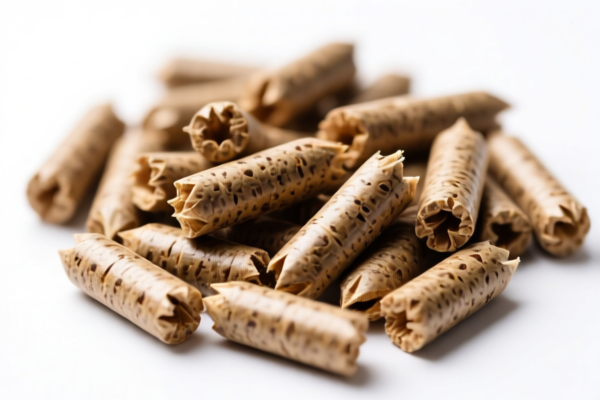
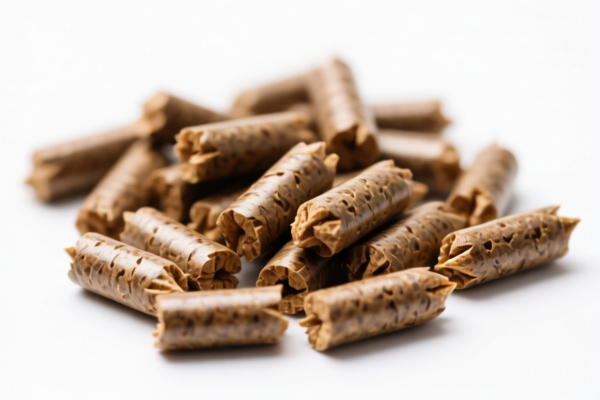
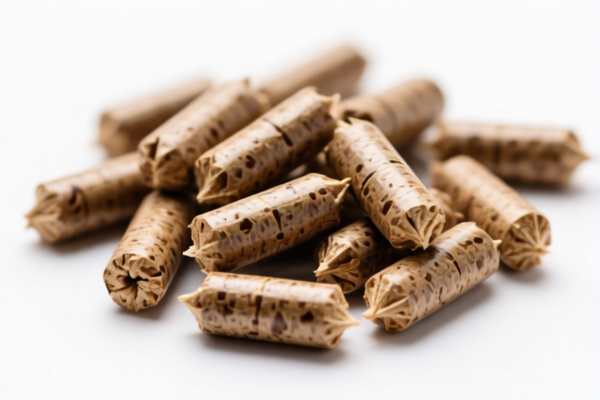

AI Analysis
🔥 Wood Shaving Fuel Pellets: HS Code Classification & US Customs Clearance Guide (2026)
🌐 HS Code Reference & Customs Clearance Strategy | 2026 Tariff Analysis | Critical Compliance for Biomass Fuels
📌 I. Product Definition & Classification: What Exactly Are "Wood Shavings"?
Wood Shaving Fuel Pellets are processed biomass materials derived from timber waste or solid wood. In international trade, they are strictly categorized based on their physical state (shavings, pellets, particles) and composition (raw wood vs. processed/charcoal). Misclassification is the #1 cause of delays for biomass imports due to conflicting interpretations between "Fuel" and "Wood Products."
⚠️ Key Distinction Points:
- If the material is raw wood waste in shavings, sawdust, or pellets form → It falls under Chapter 44 (Wood and Wood Articles).
- If the material is processed into a specific combustible alloy or highly treated item → It might fall under Chapter 36 (Pyrotechnics/Fuels), but this is rare for standard fuel pellets.
- CRITICAL WARNING: Do not confuse "Wood Shavings" with "Charcoal" (Chapter 44) or "Tinder/Firelighters" (Chapter 36). Most standard fuel pellets are Chapter 44.
📦 II. HS Code Classification Details (2026 Latest Tariff Book)
Based on the provided data, here are the four possible HS Codes for Wood Shaving Fuel Pellets, ranked by likelihood and specific attributes:
| HS Code | Product Description | Applicable Scenario | Material/Form State |
|---|---|---|---|
4401.31.00.00 |
Fuel Wood, in chips or particles (Wood Shavings/Particles) | Standard biomass fuel, wood chips, or small wood particles used for heating/energy | ✅ Wood Chips/Particles (Shavings) |
4401.39.42.10 |
Other Fuel Wood, in pellets (Wood Pellets) | Compressed wood pellets, densified biomass fuel, distinct from loose chips | ✅ Wood Pellets (Densified) |
4405.00.00.00 |
Wood Wool and Wood Flour (Wood Powder/Fine Particles) | Fine wood dust or very fine particles, not suitable for standard pelletizing or chip burning | ✅ Wood Flour/Powder |
3606.90.80.00 |
Fulminating Metals and Other Pyrotechnic Articles (Special Combustibles) | Highly treated, chemical-enhanced, or specific "igniting alloys" (Rare for standard fuel) | ❌ Special Combustible Alloy/Item |
🔍 Key Insight:
-4401.31.00.00and4401.39.42.10are the primary codes for standard wood fuel. The difference lies in the form: Chips/Shavings (31) vs. Pellets (39).
-4405.00.00.00is for very fine wood flour/powder, which burns differently and may have different moisture/density regulations.
-3606.90.80.00is a high-risk misclassification if the product is simple wood. It is reserved for specialized pyrotechnic or chemically treated ignition aids. Using this for standard wood fuel can lead to severe penalties for "Wrong HS Code."
💰 III. 2026 US Tariff Rate Breakdown (Detailed Tax Clauses)
✅ Applicable Country: USA (US)
✅ Origin: China (CN)
✅ Effective Date: Post-November 2025 (Subject to ongoing trade policies)
🎯 1. 4401.31.00.00 & 4401.39.42.10 — Fuel Wood (Chips/Pellets)
These two codes share the same tax structure under current US-China trade policies.
| Item | Details |
|---|---|
| Base Duty Rate | 0.0% (General Duty) |
| Section 301 Additional Duty | +25.0% (USITC Footnote 9903.88.01) |
| Section 122 / IEEPA Duty | +10.0% (Targeted Chinese Goods) |
| Total Tax Rate | 35.0% |
| Tax Calculation | CIF Value × 35% |
| De Minimis Eligibility | ❌ No (Section 321 exemption does NOT apply to these HS Codes) |
| Legal Basis Path | Section 301: 9903.88.01 → IEEPA: Section 122 → USITC: 4401.3x.00.00 |
📌 Explanation:
- 0% Base Duty: Wood fuel is generally duty-free under WTO rules.
- +25% Section 301: This is the major cost driver. Wood products from China are heavily targeted.
- +10% Section 122: An additional layer of tariffs on specific Chinese goods.
- Total 35%: This is a significant cost. Importers must budget for this.
- No De Minimis: Unlike small packages (<$800), bulk fuel pellets must be formally entered and taxed.
🎯 2. 4405.00.00.00 — Wood Wool & Wood Flour
| Item | Details |
|---|---|
| Base Duty Rate | 3.2% |
| Section 301 Additional Duty | +25.0% |
| Section 122 / IEEPA Duty | +10.0% |
| Total Tax Rate | 38.2% |
| Tax Calculation | CIF Value × 38.2% |
| De Minimis Eligibility | ❌ No |
| Legal Basis Path | Section 301: 9903.88.01 → IEEPA: Section 122 → USITC: 4405.00.00.00 |
📌 Explanation:
- 3.2% Base Duty: Unlike chips/pellets, wood flour has a small base tariff.
- Total 38.2%: This is the highest tax rate among the wood-related codes. Avoid this code unless the product is strictly "wood flour" and not "pellets" or "shavings," as the 3.2% base adds up over large volumes.
🎯 3. 3606.90.80.00 — Pyrotechnic Articles / Special Combustibles
| Item | Details |
|---|---|
| Base Duty Rate | 5.0% |
| Section 301 Additional Duty | +7.5% (Note: Different footnote applies) |
| Section 122 / IEEPA Duty | +10.0% |
| Total Tax Rate | 22.5% |
| Tax Calculation | CIF Value × 22.5% |
| De Minimis Eligibility | ❌ No |
| Legal Basis Path | Section 301: 9903.88.01 → IEEPA: Section 122 → USITC: 3606.90.80.00 |
📌 Warning:
- 22.5% Total: This is the lowest tax rate.
- BUT: This code is only for "Fulminating metals" or "Other pyrotechnic articles." If you classify standard wood pellets here, US Customs (CBP) may audit you, determine it's "Fuel Wood," and reclassify it to 4401, imposing 35% duty + penalties + back taxes.
- Risk: High. Only use if the product contains special chemical ignition aids or is not standard biomass fuel.
🛠️ IV. Customs Clearance Practical Advice (Avoid Pitfalls)
✅ 1. Required Documentation Checklist
| Document | Required? | Notes |
|---|---|---|
| Commercial Invoice | ✅ | Must state: "Wood Shaving Fuel Pellets," HS Code, Country of Origin (China). |
| Packing List | ✅ | Detail gross/net weight, number of bags/bales. |
| Bill of Lading (B/L) | ✅ | Ensure freight terms (FOB/CIF) are clear. |
| Certificate of Origin (CO) | ✅ | Required for origin verification (China). |
| Fumigation Certificate | ✅ | CRITICAL: ISPM 15 compliance required to prevent pest introduction. |
| MSDS (Material Safety Data Sheet) | ✅ | Proves no hazardous chemicals (if claiming 3606, must prove special composition). |
| Product Photo | ✅ | Show texture (pellet vs. chip vs. powder) to support HS Code choice. |
✅ 2. Classification Strategy (Key Tips)
🔥 “Form Determines Code, Origin Determines Tax!”
| Product Form | Correct HS Code | Total Tax | Why? |
|---|---|---|---|
| Loose Wood Chips/Shavings | 4401.31.00.00 |
35% | Matches "Chips or Particles" definition. |
| Compressed Wood Pellets | 4401.39.42.10 |
35% | Matches "Pellets" definition. |
| Fine Wood Dust/Powder | 4405.00.00.00 |
38.2% | Matches "Wood Flour" definition. |
| Chemical-Enhanced Firelighters | 3606.90.80.00 |
22.5% | Only if not simple wood fuel. High audit risk. |
⚠️ Critical Warning:
- Do NOT use3606.90.80.00for standard wood pellets. CBP frequently audits this. If audited and reclassified, you pay the 35% rate + penalties.
- Do NOT split "Pellets" and "Shavings" in the same shipment if they are mixed. Declare the predominant form or split into separate lines.
✅ 3. Special Handling & Compliance
| Issue | Solution |
|---|---|
| Fumigation | Must have ISPM 15 stamp. Unfumigated wood will be rejected/destroyed. |
| Moisture Content | High moisture can lead to mold claims. Specify moisture % on invoice. |
| De Minimis | Do NOT use Section 321. Fuel pellets are exempt from $800 de minimis. |
| Anti-Dumping | Check if any specific anti-dumping duties apply to Chinese wood products in your state/port. |
🌍 V. Global Market Comparison (2026)
| Country/Region | Recommended HS Code | Est. Total Tax (China Origin) | Key Requirement |
|---|---|---|---|
| 🇺🇸 USA | 4401.31.00.00 / 4401.39.42.10 |
35% | ISPM 15, No De Minimis |
| 🇨🇳 China | 4401.31.00.00 |
0% | Export License (if applicable) |
| 🇪🇺 EU | 4401.31 / 4401.39 |
0% | CBAM (Carbon Border Tax) may apply |
| 🇬🇧 UK | 4401.31 / 4401.39 |
0% | UKCA Mark (if processed) |
📌 Conclusion:
- The US market is the most expensive due to Section 301 and Section 122 tariffs.
- EU/UK are more favorable for wood fuel but have strict environmental (CBAM) and phytosanitary rules.
- China Export: Often duty-free, but watch for Chinese export restrictions on raw biomass.
📌 VI. Common Mistakes & Pitfalls (Lessons Learned)
❌ Mistake 1: Using 3606.90.80.00 for standard wood pellets to save 12.5% tax.
👉 Result: CBP audit, reclassification to 4401, 35% tax + penalties + legal fees.
👉 Lesson: Do not under-declare. The risk outweighs the savings.
❌ Mistake 2: Claiming De Minimis ($800 exemption) for wood pellets.
👉 Result: Shipment seized, heavy fines, blacklisting.
👉 Lesson: Wood products are excluded from Section 321. Formal entry is mandatory.
❌ Mistake 3: No Fumigation Certificate.
👉 Result: Port rejection, cost of re-export or destruction (~$5k+ per container).
👉 Lesson: ISPM 15 is non-negotiable for wood imports to the US.
❌ Mistake 4: Mixing "Chips" and "Pellets" on one invoice.
👉 Result: Confusion at port, potential reclassification to the higher tax rate or inspection delay.
👉 Lesson: Separate lines for different forms of biomass fuel.
🎯 VII. Conclusion: Professional Classification Saves Money!
🎯 Remember the Rule:
🔹 "Chips = 4401.31 | Pellets = 4401.39 | Flour = 4405.00"
🔹 "US Tax = 35% for Wood Fuel | No De Minimis | ISPM 15 Required"
🔹 "Don't guess 3606 unless it's chemical firelighters!"
📌 Pro Tip:
- If you are importing large volumes, consider Advance Rulings from US CBP to lock in the HS Code and tax rate.
- Work with a licensed customs broker to ensure ISPM 15 compliance and accurate HS Code declaration.
📣 Immediate Action:
📞 Contact your customs broker with product photos and specifications.
📄 Request ISPM 15 Fumigation Certificate from your supplier.
🚀 Prepare for 35% Duty in your cost model.
✨ Accurate Classification = Smooth Clearance = Higher Profits!
💼 Every dollar of duty saved starts with the right HS Code!
Customer Reviews
About HS Code Classification
The Harmonized System (HS) is an internationally standardized nomenclature developed by the World Customs Organization (WCO) to classify traded products. Over 200 countries use the HS system as the basis for customs tariffs, trade statistics, and import/export regulations.
Each HS code follows a hierarchical structure:
- Chapter (2 digits) — Broad category of goods (e.g., Chapter 84: Machinery and Mechanical Appliances)
- Heading (4 digits) — More specific grouping within the chapter
- Subheading (6 digits) — Internationally standardized breakdown, used by all WCO member countries
- National subdivisions (8-10 digits) — Country-specific extensions for further classification, such as US HTSUS 10-digit codes
Correct HS code classification is essential for smooth customs clearance, accurate duty payment, and compliance with trade regulations. Misclassification can lead to customs delays, overpayment of duties, or penalties.
When importing from CN to US, the applicable tariff rates may include:
- Most-Favored-Nation (MFN) rate — The standard duty rate applied to WTO members
- General rate — Applied to countries without trade agreements
- Trade remedy duties — Additional tariffs such as Section 301 (anti-dumping), Section 232 (national security), or countervailing duties
The information provided on this page is for reference purposes only. For official classification, please consult with your local customs authority or a licensed customs broker.