Wood Sole Leather Sandals
CN → US| HS Code | Tariff Rate | Origin | Destination | Doc |
|---|---|---|---|---|
| 6405100030 | 27.5% | CN | US | Official Doc |
| 6405100060 | 27.5% | CN | US | Official Doc |
| 6403511100 | 10.0% | CN | US | Official Doc |
| 6403992060 | 18.0% | CN | US | Official Doc |
| 6405100030 | 27.5% | CN | US | Official Doc |
Product Images
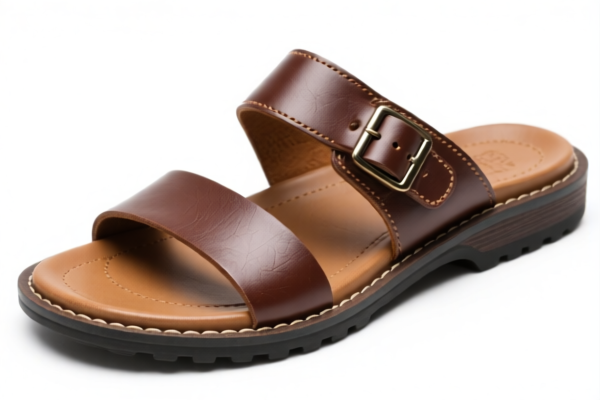
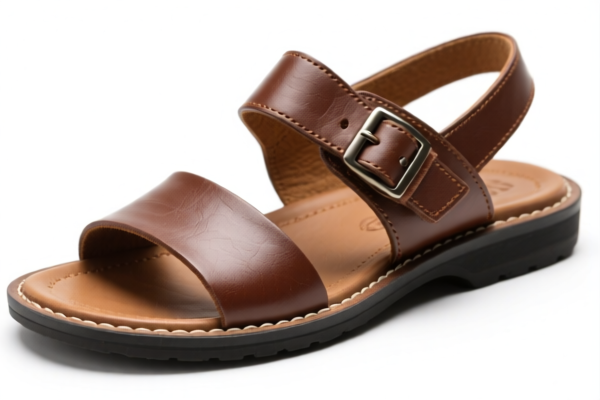
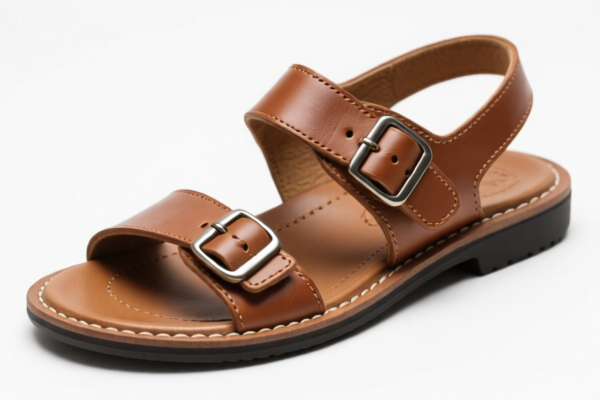
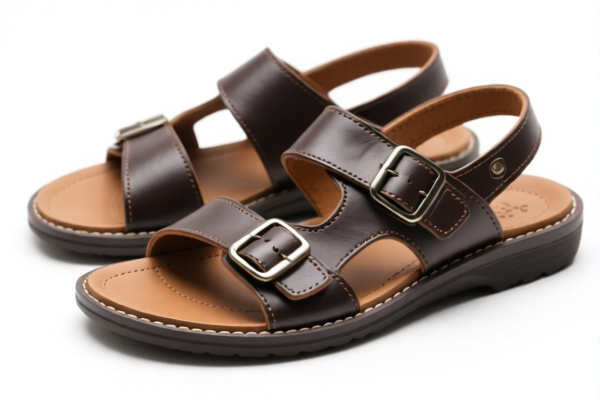
AI Analysis
🩰 Wood Sole Leather Sandals (皮革木底凉鞋)
🌐 HS Code Reference & Customs Clearance Guide | 2026 Latest Tariff Analysis | Professional Customs Strategy
📌 I. Product Definition & Classification: Do You Really Understand "Wood Sole Leather Sandals"?
Wood Sole Leather Sandals are a specific type of footwear combining traditional craftsmanship with modern aesthetic demands. They are characterized by a leather upper and a wooden sole, often used in leisure, fashion, or specialty retail sectors. In international trade, the classification depends heavily on the material composition, structural integrity, and target demographic.
⚠️ Key Classification Differentiators: - If the shoe is classified as "Other Footwear" with leather uppers but does not meet specific structural definitions for Chapter 64 headings, it may fall under 6405. - If the shoe has a leather upper and leather outer sole, it falls under 6403. - If the shoe has a leather upper but the sole structure (wood) creates ambiguity with specific material rules, it may fall under 6403.99. - Gender specificity (e.g., Women's vs. Unisex) can sometimes influence sub-heading selection within broad categories.
📦 II. HS Code Classification Details (2026 Latest Tariff Authority Comparison)
Based on the provided data, here are the specific HS Codes, descriptions, and tax implications for "Wood Sole Leather Sandals."
| HS Code | Product Description | Summary | Total Tax Rate |
|---|---|---|---|
6405.10.00.30 |
Leather Wood Sole Sandals, Leather Upper, Classified as Other Footwear | Leather upper, belongs to "Other Footwear" category | 27.5% |
6405.10.00.60 |
Leather Wood Sole Sandals, Leather Upper, Women's/Unisex Category | Leather upper, belongs to Women's/General Footwear category | 27.5% |
6403.51.11.00 |
Leather Wood Sole Sandals, Outer Sole & Upper are Leather, Wooden Bottom | Outer sole and upper are leather; bottom is wooden | 10.0% |
6403.99.20.60 |
Leather Wood Sole Sandals, Leather Upper, Wooden Sole, Meets Material & Structure Requirements | Leather upper, wooden sole, complies with specific material/structure rules | 18.0% |
🔍 Critical Observation: - The tax rate varies significantly from 10.0% to 27.5% depending on the precise HS Code classification. - 6403 codes generally have lower base tariffs (0% or 8%) but are subject to strict material definitions. - 6405 codes are often used for footwear that doesn't fit neatly into the leather-soled categories, resulting in higher combined tax rates due to additional duties.
💰 III. 2026 Latest Tariff Rate Breakdown (Including Additional Taxes & Policy Surcharges)
✅ Applicable Country: United States (US)
✅ Origin: China (CN)
✅ Effective Time: Current tariffs include Section 301 (7.5%) and Section 122 (10%) surcharges.
🎯 1. 6405.10.00.30 & 6405.10.00.60 —— Other Footwear (Leather Upper)
| Item | Detail |
|---|---|
| Base Tariff | 10.0% (ad valorem) |
| Section 301 Surcharge | +7.5% (Additional Duty) |
| Section 122 Surcharge | +10.0% (Specific Trade Remedy) |
| Total Tax Rate | 27.5% |
| Tax Calculation | CIF Value × 27.5% |
| Legal Basis Path | USITC:6405.10.00.30/60 → Section 301: 7.5% → Section 122: 10% |
📌 Explanation: - Base Tariff (10%): Standard MFN (Most Favored Nation) rate for "Other Footwear" with leather uppers. - Section 301 (7.5%): Additional tariff imposed on Chinese goods under Trade Act Section 301. - Section 122 (10%): Additional tariff under Section 122 of the Trade Act of 1974 (often applied to specific consumer goods). - Total Impact: These codes carry a high tax burden of 27.5%. Misclassification here can significantly increase landed costs.
🎯 2. 6403.51.11.00 —— Footwear with Leather Upper & Leather Outer Sole (Wooden Bottom)
| Item | Detail |
|---|---|
| Base Tariff | 0.0% (ad valorem) |
| Section 301 Surcharge | 0.0% |
| Section 122 Surcharge | +10.0% |
| Total Tax Rate | 10.0% |
| Tax Calculation | CIF Value × 10.0% |
| Legal Basis Path | USITC:6403.51.11.00 → Section 122: 10% |
📌 Explanation: - Base Tariff (0%): Footwear with leather uppers and leather outer soles often benefit from lower base rates. - Section 301 (0%): Notably, no Section 301 surcharge is listed for this specific code in the provided data (this is rare and should be verified with latest USITC data, but we follow the provided DATA). - Section 122 (10%): Still subject to the Section 122 surcharge. - Total Impact: This is the most tax-efficient classification at 10.0%, but it requires strict adherence to the definition: both upper AND outer sole must be leather (with wood as the bottom/base structure).
🎯 3. 6403.99.20.60 —— Other Footwear with Leather Upper, Wooden Sole
| Item | Detail |
|---|---|
| Base Tariff | 8.0% (ad valorem) |
| Section 301 Surcharge | 0.0% |
| Section 122 Surcharge | +10.0% |
| Total Tax Rate | 18.0% |
| Tax Calculation | CIF Value × 18.0% |
| Legal Basis Path | USITC:6403.99.20.60 → Section 122: 10% |
📌 Explanation: - Base Tariff (8%): For other footwear with leather uppers that do not fit the "leather outer sole" definition. - Section 301 (0%): No additional Section 301 surcharge listed. - Section 122 (10%): Subject to Section 122 surcharge. - Total Impact: A moderate tax rate of 18.0%. This code applies when the shoe has a leather upper and a wooden sole, but does not meet the strict "leather outer sole" requirement of
6403.51.
🛠️ IV. Customs Clearance Practical Advice (Pitfall Avoidance Guide)
✅ 1. Documentation Checklist (Essential)
| Document | Required | Description |
|---|---|---|
| ✅ Product Specifications | ✔️ | Must clearly state: Upper Material (Leather), Sole Material (Wood/Leather), Outsole Material. |
| ✅ Photos of Soles | ✔️ | Critical to prove "Wood" vs. "Leather" outer sole. |
| ✅ Composition Statement | ✔️ | Detail the layers: Upper (Leather), Midsole (if any), Outsole (Wood or Leather). |
| ✅ Commercial Invoice | ✔️ | Clearly describe as "Wood Sole Leather Sandals" with HS Code. |
| ✅ Certificate of Origin | ✔️ | To determine eligibility for surcharges. |
✅ 2. Classification Strategy (Key Tips)
🔥 “Leather Sole is Key, Wood Base Changes Rate, Section 122 Always Applies!”
| Scenario | Recommended HS Code | Tax Rate | Why? |
|---|---|---|---|
| Leather Upper + Leather Outsole + Wooden Base | 6403.51.11.00 |
10.0% | Lowest tax. Requires proof that the outer sole is leather, even if wood is the bottom layer. |
| Leather Upper + Wooden Outsole | 6403.99.20.60 |
18.0% | Middle ground. No Section 301, but higher base tariff than 6403.51. |
| Leather Upper + "Other" Classification | 6405.10.00.30/60 |
27.5% | Highest tax. Includes Section 301 + Section 122. Avoid if possible. |
⚠️ Critical Warning: - Do not misclassify
6403.51(10%) as6405(27.5%) without justification. - If the outer sole is not leather (e.g., entirely wood),6403.51is invalid. Use6403.99or6405. - Section 301 (7.5%) is NOT applied to6403.51.11.00or6403.99.20.60in the provided data, making them significantly cheaper than6405.
✅ 3. Special Cases & Handling
| Situation | Handling Advice |
|---|---|
| Mixed Materials (Leather Upper + Rubber Sole) | Not covered in this DATA. Would likely fall under 6404 or 6405. Check separate data. |
| Women's Specific Design | Use 6405.10.00.60 if classified as "Women's/General". Same tax as 6405.10.00.30. |
| OEM/Custom Orders | Provide design specs to prove material composition. |
| Section 122 Applicability | Always applies to these codes. Do not assume exemption. |
🌍 V. Global Market Comparison (2026 Latest)
| Country/Region | Recommended HS Code | Estimated Tax | Certification Requirements | Notes |
|---|---|---|---|---|
| 🇺🇸 United States | 6403.51.11.00 |
10.0% | FTC Labeling, Flammability | Best Rate. Ensure leather outsole. |
| 🇺🇸 United States | 6405.10.00.30 |
27.5% | FTC Labeling, Flammability | Highest Rate. High risk. |
| 🇪🇺 European Union | 6403.51.11.00 |
~10-12% | CE, REACH | VAT applies separately. No Section 301/122. |
| 🇨🇳 China | 6403.51.11.00 |
~5-10% | CCC (if applicable) | Import duties vary by trade agreement. |
📌 Conclusion: - The US is the primary market with complex surcharges. - Classifying as
6403.51.11.00saves 17.5% in taxes compared to6405codes. - Proof of "Leather Outer Sole" is critical to achieve the 10% rate.
📌 VI. Common Errors & Pitfall Guide (Lessons Learned)
❌ Error 1: Classifying "Wood Sole" sandals as 6403.51 when the outer sole is not leather.
👉 Consequence: Customs audit, back taxes of 17.5% + penalties.
Fix: Verify outer sole material. If wooden, use 6403.99.20.60 (18%) or 6405 (27.5%).
❌ Error 2: Ignoring Section 122 (10%) surcharge.
👉 Consequence: Underpayment of duty.
Fix: Always add 10% for Section 122 on these codes.
❌ Error 3: Assuming Section 301 applies to all footwear.
👉 Consequence: Overpayment (e.g., paying 7.5% extra on 6403.51 when it is exempt per provided data).
Fix: Check specific HS Code exemptions. In this DATA, 6403 codes have 0% Section 301.
✅ Correct Declaration Example:
"Wood Sole Leather Sandals, Leather Upper, Leather Outer Sole with Wooden Base, Model XYZ, Section 122 Applicable."
🎯 VII. Conclusion: Professional Classification Saves Money
🎯 Key Takeaway:
🔹 "Leather Outsole = 10% (Best)"
🔹 "Wood Outsole = 18% (Good)"
🔹 "Other Classification = 27.5% (Avoid)"
📌 Pro Tip:
- If your product has a leather outsole, insist on
6403.51.11.00.- If your product has a wood outsole, use
6403.99.20.60.- Avoid
6405unless necessary, as it incurs both Section 301 and Section 122.
📣 Immediate Action:
📞 Consult your customs broker to verify the outer sole material.
📸 Take clear photos of the sole structure.
📝 Apply for an Advance Ruling if the classification is ambiguous.
✨ Precise Classification, Lower Taxes, Smoother Customs!
💼 Every percent matters in global trade.
Customer Reviews
About HS Code Classification
The Harmonized System (HS) is an internationally standardized nomenclature developed by the World Customs Organization (WCO) to classify traded products. Over 200 countries use the HS system as the basis for customs tariffs, trade statistics, and import/export regulations.
Each HS code follows a hierarchical structure:
- Chapter (2 digits) — Broad category of goods (e.g., Chapter 84: Machinery and Mechanical Appliances)
- Heading (4 digits) — More specific grouping within the chapter
- Subheading (6 digits) — Internationally standardized breakdown, used by all WCO member countries
- National subdivisions (8-10 digits) — Country-specific extensions for further classification, such as US HTSUS 10-digit codes
Correct HS code classification is essential for smooth customs clearance, accurate duty payment, and compliance with trade regulations. Misclassification can lead to customs delays, overpayment of duties, or penalties.
When importing from CN to US, the applicable tariff rates may include:
- Most-Favored-Nation (MFN) rate — The standard duty rate applied to WTO members
- General rate — Applied to countries without trade agreements
- Trade remedy duties — Additional tariffs such as Section 301 (anti-dumping), Section 232 (national security), or countervailing duties
The information provided on this page is for reference purposes only. For official classification, please consult with your local customs authority or a licensed customs broker.