Wood Storage Boxes
CN → US| HS Code | Tariff Rate | Origin | Destination | Doc |
|---|---|---|---|---|
| 4415103000 | 35.0% | CN | US | Official Doc |
| 4420908000 | 38.2% | CN | US | Official Doc |
| 4415109000 | 45.7% | CN | US | Official Doc |
| 4202999000 | 55.0% | CN | US | Official Doc |
| 3923102000 | 35.0% | CN | US | Official Doc |
Product Images
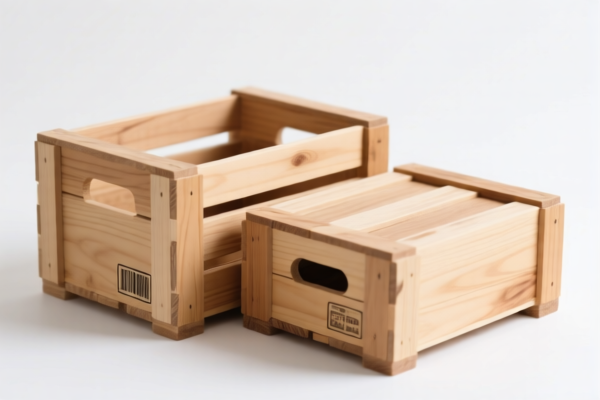
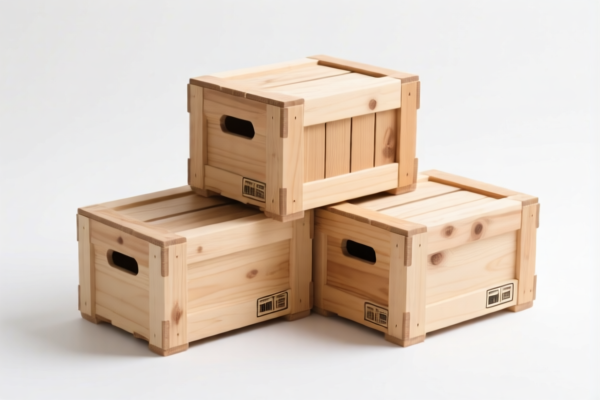
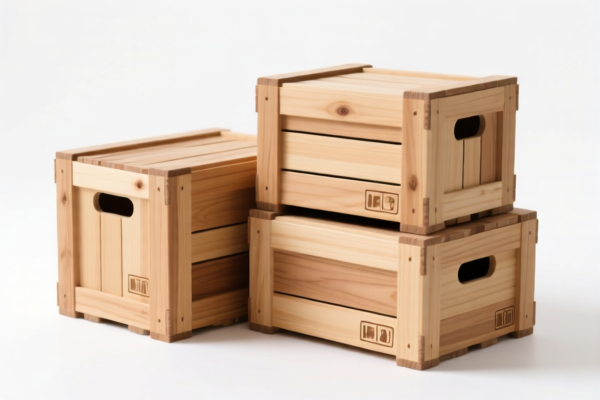
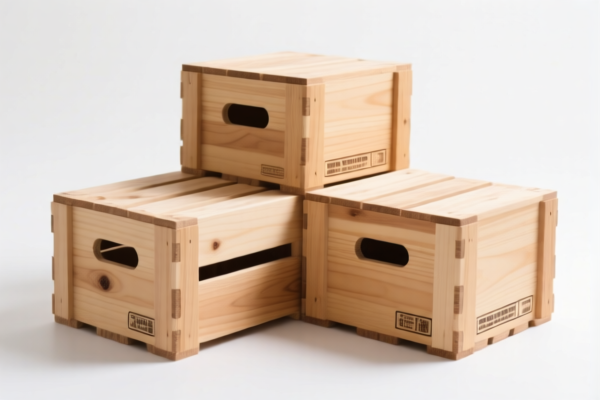
AI Analysis
📦 Wood Storage Boxes (木制储物盒)
🌐 HS Code Reference & Customs Clearance Guide | 2026 Latest Tariff Analysis | Professional Entry Strategy
📌 I. Product Definition & Classification: Do You Really Understand "Wood Storage Boxes"?
Wood storage boxes are versatile containers used for organizing household items, gifts, or industrial components. In international trade, their classification depends heavily on material composition, function (packaging vs. furniture/decor), and structural form. Misclassification can lead to significant duty discrepancies, especially when facing complex US tariff structures.
⚠️ Key Distinction Points:
- Packaging vs. Retail Unit: If the box is primarily a means of transporting goods (packaging), it falls under Chapter 44 (Wood) as packaging material. If it is a finished consumer good meant for storage/use itself, it may fall under Chapter 42 (Articles of Apparel/Accessories) or Chapter 44 (Other Wood Articles).
- Material Specifics: Pure wood vs. Wood with lining/other materials significantly alters the HS Code.
📋 II. HS Code Classification Details (2026 Latest Tariff Authority Comparison)
| HS Code | Product Description | Application Scenario | Key Classification Logic |
|---|---|---|---|
4415.10.30.00 |
Wooden Packaging Cases & Boxes | Crates, pallets, or boxes used primarily for transportation/packaging of other goods. | ✅ Packaging Focus: Defined as "packaging cases and boxes." Base duty 0%. |
4420.90.80.00 |
Other Wooden Articles (Storage/Decorative) | Finished wooden storage boxes, decorative crates, or artisanal organizers intended for consumer use. | ✅ Finished Good Focus: Defined as "boxes and similar articles of wood" not elsewhere specified. Base duty 3.2%. |
4415.10.90.00 |
Other Wooden Packaging | General wooden packaging not specifically classified as standard crates. | ⚠️ Ambiguous Packaging: Often used for non-standard wooden packaging. Base duty 10.7%. |
4202.99.90.00 |
Other Travel, Satchel, or Storage Containers | Containers made of leather, plastic, textile, or paperboard, or mixed materials. | ❌ Non-Pure Wood: If the box has significant plastic/textile/leather components or is lined as a fashion accessory. |
3923.10.20.00 |
Plastic Boxes, Cases, Crates | Plastic storage boxes or packaging. | ❌ Wrong Material: Only for plastic. Included here for contrast if material is misidentified. |
🔍 Critical Reminder:
- Pure Wooden Storage Boxes for Consumer Use: Most commonly classified under4420.90.80.00(Finished Goods) or4415.10.30.00if strictly for packaging.
- Material Matters: If the box is lined with fabric or plastic and intended as a retail container, customs may shift it to4202.99.90.00.
- Do NOT assume "Wood = 4415":4415is specifically for packaging. A decorative wooden jewelry box is not packaging in the trade sense; it’s a consumer product (4420).
💰 III. 2026 Latest Tariff Rate Breakdown (Including Additional Duties & Policy Surcharges)
✅ Applicable Country: United States (US)
✅ Origin: China (CN)
✅ Effective Date: 2025/2026 Import Window
🎯 1. 4415.10.30.00 —— Wooden Packaging Cases & Boxes (Pure Packaging)
| Item | Content |
|---|---|
| Base Tariff | 0% (Ad Valorem) |
| Section 301 Additional Duty | +25% (USITC Footnote 9903.88.01 / HTSUS 4415) |
| IEEPA Additional Duty | +10% (Targeting China/Hong Kong products) |
| Total Rate | 35.0% |
| Tax Calculation | CIF Value × 35% |
| De Minimis Eligibility | ❌ Not Eligible (Deny de minimis for Section 301 goods) |
| Legal Pathway | USITC:4415.10.30.00 → SECTION 301: 9903.88.01 → IEEPA: 9903.01.24 |
📌 Explanation:
- This classification applies if the wooden box is used strictly as packaging for shipping.
- Despite a 0% base duty, the heavy surcharges bring the total to 35%.
- Must be declared clearly as "Wooden Packaging" to avoid misclassification penalties.
🎯 2. 4420.90.80.00 —— Other Wooden Articles (Finished Storage Boxes)
| Item | Content |
|---|---|
| Base Tariff | 3.2% |
| Section 301 Additional Duty | +25% |
| IEEPA Additional Duty | +10% |
| Total Rate | 38.2% |
| Tax Calculation | CIF Value × 38.2% |
| De Minimis Eligibility | ❌ Not Eligible |
| Legal Pathway | USITC:4420.90.80.00 → SECTION 301: 9903.88.01 → IEEPA: 9903.01.24 |
📌 Note:
- This is the most likely code for consumer-facing wooden storage boxes (e.g., gift boxes, jewelry organizers).
- The base duty is higher (3.2%), but the surcharges are identical to packaging.
- Total cost impact is higher than packaging due to the base rate.
🎯 3. 4415.10.90.00 —— Other Wooden Packaging (General)
| Item | Content |
|---|---|
| Base Tariff | 10.7% |
| Section 301 Additional Duty | +25% |
| IEEPA Additional Duty | +10% |
| Total Rate | 45.7% |
| Tax Calculation | CIF Value × 45.7% |
| De Minimis Eligibility | ❌ Not Eligible |
| Legal Pathway | USITC:4415.10.90.00 → SECTION 301: 9903.88.01 → IEEPA: 9903.01.24 |
📌 Warning:
- This is the highest cost option for wooden items.
- Only use if the product is wooden packaging but doesn’t fit the specific "crates/boxes" definition of4415.10.30.
- Avoid this code if4415.10.30is applicable, as it saves 10.7% off the base rate.
🎯 4. 4202.99.90.00 —— Other Containers (Mixed Material/Fashion)
| Item | Content |
|---|---|
| Base Tariff | 20.0% |
| Section 301 Additional Duty | +25% |
| IEEPA Additional Duty | +10% |
| Total Rate | 55.0% |
| Tax Calculation | CIF Value × 55.0% |
| De Minimis Eligibility | ❌ Not Eligible |
| Legal Pathway | USITC:4202.99.90.00 → SECTION 301: 9903.88.01 → IEEPA: 9903.01.24 |
📌 Caution:
- This code is for non-wood-dominant storage containers (e.g., plastic-lined, fabric-wrapped, or fashion accessories).
- Highest risk category for wooden boxes if they have non-wood components.
- Only use if the box is primarily classified as a "travel/storage accessory" rather than woodwork.
🛠️ IV. Customs Clearance Practical Advice (Battle-Tested Pitfall Guide)
✅ 1. Required Documentation Checklist (Non-Negotiable)
| Document | Required? | Explanation |
|---|---|---|
| ✅ Product Specification Sheet | ✔️ | Must clearly state material (e.g., "Solid Pine," "Plywood"), dimensions, and function (Packaging vs. Consumer Good). |
| ✅ Material Composition Breakdown | ✔️ | Crucial for distinguishing between 4420 (Wood) and 4202 (Mixed). If >50% wood by weight/value, argue for Chapter 44. |
| ✅ Product Photos (Internal & External) | ✔️ | Show if the box is empty (packaging) or has decorative features (consumer good). |
| ✅ Commercial Invoice | ✔️ | Description must be precise: "Wooden Storage Box, Model XYZ" or "Wooden Shipping Crate." |
| ✅ Packing List | ✔️ | Clarify if boxes are shipped empty (packaging) or full (product inside). |
✅ 2. Declaration Tips (Key Mantra)
🔥 "Packaging vs. Product: Define Function, Not Just Form!"
| Scenario | Correct Declaration | Wrong Approach |
|---|---|---|
| Empty Wooden Crate for Shipping | 4415.10.30.00 - "Wooden Packaging Box" |
Calling it "Storage Box" → May trigger 4420 audit |
| Decorative Wooden Jewelry Box | 4420.90.80.00 - "Wooden Storage Article" |
Calling it "Packaging" → Misclassification risk |
| Wooden Box with Plastic Lining | 4202.99.90.00 (if dominant) or 4420 (if wood dominant) |
Ignoring lining → Customs may reclassify and fine |
| Full Wooden Crate with Goods Inside | Classify Goods Inside + Packaging Separately | Mixing values → Complex duty calculation errors |
✅ 3. Special Situation Handling
| Situation | Handling Advice |
|---|---|
| OEM Wooden Boxes for Retail | If you make boxes for a brand, ensure the contract specifies "Packaging Material" to use 4415.10.30.00 (35% vs 38.2%). |
| Wooden Boxes with Fabric Handles | If fabric handles are decorative, argue for 4420.90.80.00. If functional/fashion-led, risk 4202.99.90.00. |
| Solid Wood vs. Plywood | Both fall under Chapter 44. Ensure material is declared correctly to avoid "Wood Species" inspections. |
| Gift Sets (Box + Product) | If sold as a set, the principal character determines the HS Code. If the gift is wood, box may be included. If gift is non-wood, box may be packaging. |
🌍 V. Global Market Customs Comparison (2026 Latest)
| Country/Region | Recommended HS Code | Base Tariff | Additional Duties (China) | Notes |
|---|---|---|---|---|
| 🇺🇸 USA | 4415.10.30.00 or 4420.90.80.00 |
0% or 3.2% | +35% (Total 35-38.2%) | High scrutiny on "Packaging" vs "Article". |
| 🇨🇳 China | 4415.10.30.00 or 4420.90.80.00 |
5-10% | None | No Section 301/IEEPA surcharges. |
| 🇪🇺 EU | 4415.10.00 or 4420.90.90 |
0-2.5% | None | Lower base rates. No 301-style surcharges. |
| 🇬🇧 UK | 4415.10.00 or 4420.90.90 |
0-2.5% | None | Post-Brexit tariffs generally favorable for wood. |
📌 Conclusion:
- USA is the most expensive market due to Section 301 and IEEPA surcharges.
- Clear functional definition (Packaging vs. Consumer Good) is the #1 factor in cost optimization.
📌 VI. Common Errors & Pitfall Guide (Lessons from the Frontline)
❌ Error 1: Classifying a decorative wooden box as packaging (4415.10.30.00)
👉 Consequence: Customs may reject it, demand reclassification to 4420.90.80.00, and charge 38.2% instead of 35%, plus delays.
❌ Error 2: Classifying plastic-lined wooden boxes as pure wood (4420.90.80.00)
👉 Consequence: If the lining is significant, customs may move it to 4202.99.90.00 → 55% duty.
❌ Error 3: Ignoring IEEPA 10% Surcharge in cost calculations
👉 Consequence: Profit margins wiped out. All Chinese-origin wood products face this 10% fee on top of 301 tariffs.
❌ Error 4: Vague Description "Wooden Box"
👉 Consequence: Customs officer uses discretion → Likely picks the highest duty code (4415.10.90.00 or 4202.99.90.00).
✅ Correct Approach:
"Solid Pine Wooden Storage Box, Empty, For Retail Packaging, Model A123, No Hardware"
OR
"Finished Wooden Decorative Storage Crate, With Lid, Model B456, Consumer Good"
🎯 VII. Conclusion: Precision Classification Saves Money!
🎯 Remember the Mantra:
🔹 "Packaging is 35%, Consumer Good is 38.2%, Mixed Material is 55%!"
🔹 "Define Function, Declare Material, Avoid the 10% IEEPA Surprise!"
🔹 "HS Code is King, Misclassification is Costly!"
📌 Pro Tip:
If your wooden boxes are shipped empty and you are the manufacturer, contractually define them as "Packaging Material" to utilize
4415.10.30.00(35% total) instead of4420.90.80.00(38.2% total). Every 3.2% counts!
📣 Immediate Action:
📞 Contact Your Customs Broker
🖼️ Provide High-Res Photos & Material Specs
📝 Request Advance Ruling if volume is high🚀 Ensure Your Wooden Boxes Clear Smoother, Faster, and Cheaper!
✨ Professional Customs Clearance Starts with Accurate Classification!
💼 Every Percent of Duty Saved is Pure Profit!
Customer Reviews
About HS Code Classification
The Harmonized System (HS) is an internationally standardized nomenclature developed by the World Customs Organization (WCO) to classify traded products. Over 200 countries use the HS system as the basis for customs tariffs, trade statistics, and import/export regulations.
Each HS code follows a hierarchical structure:
- Chapter (2 digits) — Broad category of goods (e.g., Chapter 84: Machinery and Mechanical Appliances)
- Heading (4 digits) — More specific grouping within the chapter
- Subheading (6 digits) — Internationally standardized breakdown, used by all WCO member countries
- National subdivisions (8-10 digits) — Country-specific extensions for further classification, such as US HTSUS 10-digit codes
Correct HS code classification is essential for smooth customs clearance, accurate duty payment, and compliance with trade regulations. Misclassification can lead to customs delays, overpayment of duties, or penalties.
When importing from CN to US, the applicable tariff rates may include:
- Most-Favored-Nation (MFN) rate — The standard duty rate applied to WTO members
- General rate — Applied to countries without trade agreements
- Trade remedy duties — Additional tariffs such as Section 301 (anti-dumping), Section 232 (national security), or countervailing duties
The information provided on this page is for reference purposes only. For official classification, please consult with your local customs authority or a licensed customs broker.