Wood Strip
CN → US| HS Code | Tariff Rate | Origin | Destination | Doc |
|---|---|---|---|---|
| 9403910080 | 35.0% | CN | US | Official Doc |
| 9403910010 | 35.0% | CN | US | Official Doc |
| 4407110001 | 35.0% | CN | US | Official Doc |
| 4407120001 | 35.0% | CN | US | Official Doc |
| 4415109000 | 45.7% | CN | US | Official Doc |
| 4415208000 | 45.7% | CN | US | Official Doc |
Product Images
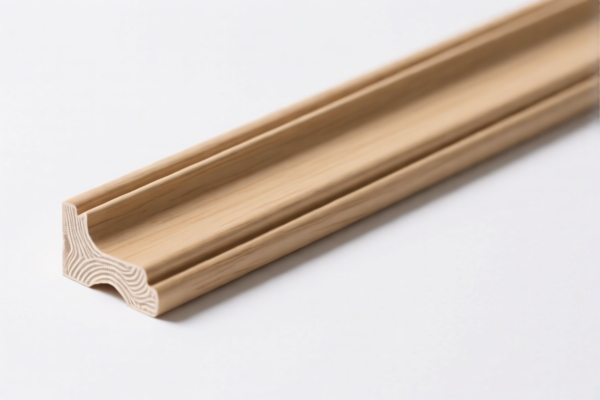
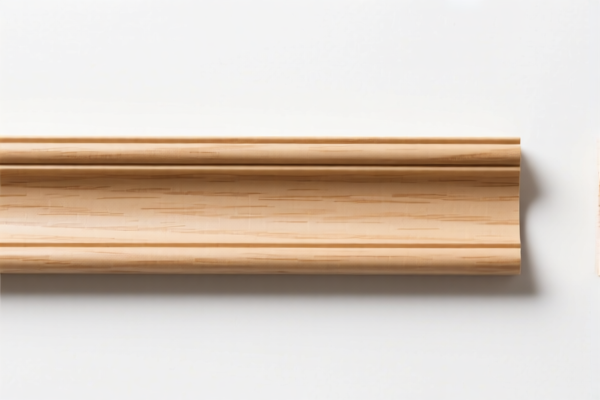
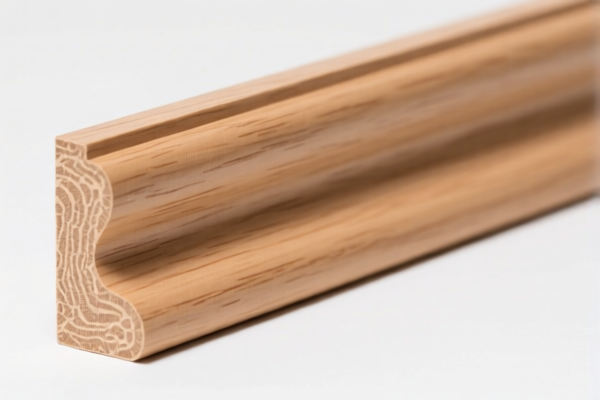
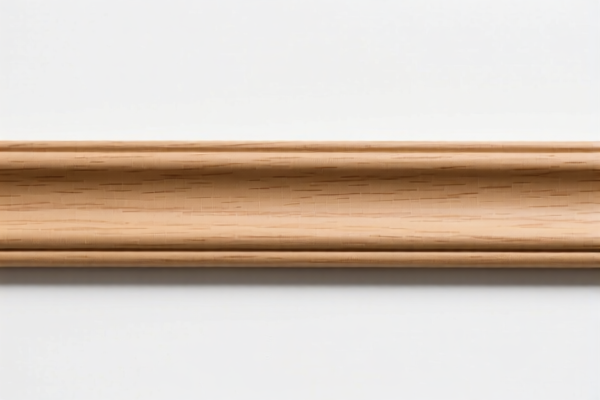
AI Analysis
🪵 Wood Strip (Sawn Wood Products)
🌐 HS Code Reference & Customs Clearance Guide | 2026 Latest Tariff Analysis | Professional Clearance Strategy
📌 One, Product Definition & Classification: Do You Really Understand "Wood Strip"?
"Wood Strip" is a common colloquial term in the timber and woodworking industry. However, in international trade, it is not a precise HS Code description. It generally refers to wood that has been sawn, sliced, or peeled lengthwise, with a thickness exceeding 6mm.
In the context of the provided data, "Wood Strip" falls under two primary categories depending on its specific application and wood species:
- Tongue-and-Groove / Finger-Jointed Lumber (Construction/Joinery): Often referred to as strips for flooring, paneling, or structural joining. These are Coniferous (Pine, Fir, Spruce).
- Wooden Packaging Materials: If the "strip" is part of a crate, pallet, or box, it falls under wooden packing cases.
⚠️ Key Distinction Point:
- If the product is sawn wood with finger joints (end-jointed strips) → It is classified as Sawn Wood (4407); - If the product is part of a packaging structure (crate/box/pallet) → It is classified as Wooden Packing (4415). - Note: The provided data does not include general "furniture parts" (9403) or generic "strip" descriptions for non-packing, non-finger-jointed wood. We must strictly stick to the provided HS codes.
📦 Two, HS Code Classification Details (2026 Latest Tariff Authority Comparison)
Based on the provided data, here are the relevant HS Codes for "Wood Strip" interpretations:
| HS Code | Product Description | Application Scenario | Key Features |
|---|---|---|---|
4407.11.00.01 |
Wood sawn... of a thickness >6mm: Coniferous: Of pine (Pinus spp.) Finger-jointed | Flooring strips, wall paneling strips, construction lumber with end-joints | ✅ Finger-jointed, Pine species, >6mm thickness |
4407.12.00.01 |
Wood sawn... of a thickness >6mm: Coniferous: Of fir (Abies spp.) and spruce (Picea spp.) Finger-jointed | Structural strips, joinery, industrial wood strips | ✅ Finger-jointed, Fir/Spruce species, >6mm thickness |
4415.10.90.00 |
Packing cases, boxes, crates... of wood: Other | Wooden crates, boxes, drums used for packaging goods | ❌ Not for furniture/construction; specifically for packing |
4415.20.80.00 |
Packing cases... of wood: Pallets, box-pallets and other load boards...: Other | Wooden pallets, load boards, pallet collars | ❌ Specifically for pallets/load boards |
9403.91.00.80 |
Other furniture and parts thereof: Parts: Of wood Other | Wooden parts of furniture not for play yards | ✅ Furniture parts (general) |
9403.91.00.10 |
Other furniture and parts thereof: Parts: Of wood For play yards and other enclosures for confining children | Wooden crib sides, playpen frames, baby gates | ✅ Specific for child safety enclosures |
🔍 Critical Reminder:
- If your "wood strip" is finger-jointed pine/fir/spruce and used for construction/decoration, it falls under 4407. - If it is part of a wooden crate or pallet, it falls under 4415. - If it is a furniture component (not for play yards), it falls under 9403.91.00.80. - If it is for a play yard/crib, it falls under 9403.91.00.10. - Do not confuse "wood strip" for flooring (4407) with "wooden pallet" (4415).
💰 Three, 2026 Latest Tariff Rate Detailed Explanation (Including Additional Taxes, Policy Additions)
✅ Applicable Country: United States (US)
✅ Origin: China (CN)
✅ Effective Date: 2025/2026 (Based on provided data)
🎯 1. 4407.11.00.01 & 4407.12.00.01 —— Finger-Jointed Sawn Wood (Pine/Fir/Spruce)
| Item | Content |
|---|---|
| Basic Tariff Rate | 0% (ad valorem) |
| Additional Tariff (Section 301) | +25% |
| Total Tax Rate | 25.0% |
| Tax Calculation | CIF Value × 25% |
| De Minimis Exemption | ❌ Not Applicable (High-risk category for de minimis) |
| Legal Basis | USITC Footnote for Section 301 duties on Chinese wood products |
📌 Explanation:
- Although the basic tariff is 0%, the 25% additional duty under Section 301 applies to most Chinese-origin wood products, including finger-jointed lumber. - This is a significant cost factor. Importers must budget for this 25% extra cost. - No de minimis exemption: Small shipments are not exempt from this tariff.
🎯 2. 4415.10.90.00 —— Wooden Packing Cases, Boxes, Crates (Other)
| Item | Content |
|---|---|
| Basic Tariff Rate | 10.7% (ad valorem) |
| Additional Tariff (Section 301) | +25% |
| Total Tax Rate | 35.7% |
| Tax Calculation | CIF Value × 35.7% |
| De Minimis Exemption | ❌ Not Applicable |
| Legal Basis | USITC Footnote for Section 301 duties on wooden packing materials |
📌 Explanation:
- Wooden packing materials (crates, boxes) are heavily taxed due to both basic tariff (10.7%) and Section 301 (25%). - Total 35.7% is very high. Consider using plastic or metal packaging if possible, or ensure the packaging cost is minimized. - ISPM 15 Compliance: Ensure wood is heat-treated or fumigated to avoid quarantine delays, which adds indirect cost.
🎯 3. 4415.20.80.00 —— Wooden Pallets, Box-Pallets, Load Boards (Other)
| Item | Content |
|---|---|
| Basic Tariff Rate | 0.0% |
| Additional Tariff (Section 301) | 0.0% |
| Total Tax Rate | 0.0% |
| Tax Calculation | No tax |
| De Minimis Exemption | N/A (0% tax) |
| Legal Basis | Exempt from Section 301 additional duties |
📌 Explanation:
- Great News! Wooden pallets and load boards have 0% total tariff. - This is a cost-effective choice for shipping goods if you use pallets instead of crates. - Note: Still subject to ISPM 15 phytosanitary requirements, but no tariff burden.
🎯 4. 9403.91.00.80 & 9403.91.00.10 —— Furniture Parts (Wooden)
| Item | Content |
|---|---|
| Basic Tariff Rate | 0.0% |
| Additional Tariff (Section 301) | +25% |
| Total Tax Rate | 25.0% |
| Tax Calculation | CIF Value × 25% |
| De Minimis Exemption | ❌ Not Applicable |
| Legal Basis | USITC Footnote for Section 301 duties on Chinese furniture parts |
📌 Explanation:
- Both general furniture parts (9403.91.00.80) and play yard parts (9403.91.00.10) face the same 25% total tax. - No difference in rate between general furniture and child enclosures. - Importance: Ensure the description matches the actual use (furniture vs. play yard) to avoid misclassification penalties, even if the rate is the same.
🛠️ Four, Customs Clearance Practical Advice (Battle-Tested Pitfall Avoidance Guide)
✅ 1. Preparation Checklist (Missing Items Not Allowed)
| Document | Required | Description |
|---|---|---|
| ✅ Product Specification Sheet | ✔️ | Material type (Pine/Fir/Spruce), dimensions, finger-joint details, thickness |
| ✅ Photos of Product | ✔️ | Clear images showing end-joints, surface treatment, and packaging |
| ✅ Commercial Invoice | ✔️ | Must specify "Finger-Jointed Sawn Wood" or "Wooden Pallet" as applicable |
| ✅ Packing List | ✔️ | Detail items: Crates, Pallets, Loose Wood |
| ✅ ISPM 15 Certificate | ✔️ | Mandatory for all wooden packaging (pallets/crates). Marking required. |
| ✅ Origin Certificate | ✔️ | Proof of China origin to apply correct tariffs |
✅ 2. Declaration Tips (Key Mnemonics)
🔥 "Wood Strip? Check Finger-Joint! Crate? 35.7%! Pallet? 0%! Furniture? 25%!"
| Scenario | Correct Declaration | Wrong Practice |
|---|---|---|
| Finger-jointed pine strip for flooring | 4407.11.00.01 "Finger-jointed Pine Sawn Wood" |
Declare as "Wooden Strip" → Misclassification risk |
| Wooden crate for packaging | 4415.10.90.00 "Wooden Packing Case" |
Declare as "Pallet" → Wrong rate (35.7% vs 0%) |
| Wooden pallet for shipping | 4415.20.80.00 "Wooden Pallet" |
Declare as "Crate" → Unnecessary 35.7% tax |
| Wooden crib side panel | 9403.91.00.10 "Furniture Part for Play Yard" |
Declare as "General Furniture Part" → Same rate, but compliance risk |
| General wooden furniture leg | 9403.91.00.80 "Wooden Furniture Part" |
Declare as "Wood Strip" → Unclear classification |
✅ 3. Special Circumstances Handling
| Situation | Handling Advice |
|---|---|
| Mixed Shipment | If a shipment contains pallets + crates + loose wood, declare each separately. Pallets at 0%, Crates at 35.7%, Loose Wood (if finger-jointed) at 25%. |
| ISPM 15 Non-Compliance | If wood pallets/crates lack proper heat treatment marks, customs may reject or destroy the goods. Costly delay! |
| Finger-Joint vs. Solid | "Finger-jointed" is key for 4407. If it’s solid wood with no joints, different HS code may apply (not in provided data). Ensure accurate description. |
| Play Yard vs. Furniture | Even though tax rate is same (25%), use correct HS code (9403.91.00.10 for play yards) for accurate regulatory tracking. |
🌍 Five, Global Main Market Customs Clearance Comparison (2026 Latest)
| Country/Region | Recommended HS Code | Tariff (China Origin) | Certification Requirement | Notes |
|---|---|---|---|---|
| 🇺🇸 USA | 4407.11.00.01 / 4415.20.80.00 etc. |
0%–35.7% (See above) | ISPM 15 + Labeling | High tariffs on crates/finger-jointed wood. Pallets are tax-free. |
| 🇨🇳 China | 4407 / 4415 |
5%–10% | N/A | Lower tariffs. Export-friendly. |
| 🇪🇺 EU | 4407 / 4415 |
0%–6% | FSC/PEFC (if applicable) | No Section 301 tariffs. ISPM 15 required. |
| 🇬🇧 UK | 4407 / 4415 |
0%–6% | ISPM 15 | Post-Brexit rules apply. |
| 🇯🇵 Japan | 4407 / 4415 |
3%–5% | ISPM 15 | Low tariffs. Strict phytosanitary checks. |
📌 Conclusion:
- USA has the highest tariff burden due to Section 301 duties, especially on crates (35.7%) and finger-jointed wood (25%). - Pallets are tax-free in the US (0%), making them the most cost-effective wooden packaging option. - EU/UK/Japan have much lower tariffs, but ISPM 15 is universally required for wooden packaging.
📌 Six, Common Errors & Pitfall Avoidance Guide (Blood and Tears Lessons)
❌ Mistake 1: Declaring a wooden crate as a pallet
👉 Consequence: You pay 0% instead of 35.7%, but customs will catch the discrepancy → Penalty + Back Taxes + Delay.
❌ Mistake 2: Declaring finger-jointed lumber as raw wood
👉 Consequence: If the HS code is incorrect, customs may reclassify and apply higher duties or reject the entry.
❌ Mistake 3: Ignoring ISPM 15 for wooden pallets/crates
👉 Consequence: Goods quarantined or destroyed at US port. Loss of entire shipment value.
❌ Mistake 4: Not distinguishing furniture parts from packaging
👉 Consequence: Misclassification leads to audit risk and potential fines.
✅ Correct Approach:
"Finger-Jointed Pine Lumber, 12mm Thick, for Flooring" →
4407.11.00.01
"Heat-Treated Wooden Pallet, ISPM 15 Marked" →4415.20.80.00
"Wooden Crate, No ISPM Mark" → Do Not Ship → Fix or use plastic/metal.
🎯 Seven, Conclusion: Professional Declaration Saves Money!
🎯 Remember Mnemonics:
🔹 "Pallet 0%, Crate 35.7%, Finger-Jointed 25%, Furniture 25%!"
🔹 "ISPM 15 is mandatory for all wood packaging in the US!"
🔹 "Don't call it 'Wood Strip' – Be Specific!"
📌 Pro Tip:
- For large shipments, consider using pallets instead of crates to save 35.7% tariff.
- For finger-jointed wood, ensure the material origin is correctly declared to avoid Section 301 disputes.
- Always attach ISPM 15 certificates for wooden packaging.
📣 Immediate Action:
📞 Consult with a licensed customs broker.
📸 Provide photos of finger-joints and packaging marks.
🚀 Optimize packaging strategy to minimize tariff impact.
✨ Professional Customs Clearance Starts with Accurate Classification!
💼 Every Cent Counts in International Trade!
Customer Reviews
About HS Code Classification
The Harmonized System (HS) is an internationally standardized nomenclature developed by the World Customs Organization (WCO) to classify traded products. Over 200 countries use the HS system as the basis for customs tariffs, trade statistics, and import/export regulations.
Each HS code follows a hierarchical structure:
- Chapter (2 digits) — Broad category of goods (e.g., Chapter 84: Machinery and Mechanical Appliances)
- Heading (4 digits) — More specific grouping within the chapter
- Subheading (6 digits) — Internationally standardized breakdown, used by all WCO member countries
- National subdivisions (8-10 digits) — Country-specific extensions for further classification, such as US HTSUS 10-digit codes
Correct HS code classification is essential for smooth customs clearance, accurate duty payment, and compliance with trade regulations. Misclassification can lead to customs delays, overpayment of duties, or penalties.
When importing from CN to US, the applicable tariff rates may include:
- Most-Favored-Nation (MFN) rate — The standard duty rate applied to WTO members
- General rate — Applied to countries without trade agreements
- Trade remedy duties — Additional tariffs such as Section 301 (anti-dumping), Section 232 (national security), or countervailing duties
The information provided on this page is for reference purposes only. For official classification, please consult with your local customs authority or a licensed customs broker.