Wood chips for paper making
CN → US| HS Code | Tariff Rate | Origin | Destination | Doc |
|---|---|---|---|---|
| 4701000000 | 10.0% | CN | US | Official Doc |
| 4407190066 | 35.0% | CN | US | Official Doc |
| 4407190092 | 35.0% | CN | US | Official Doc |
Product Images
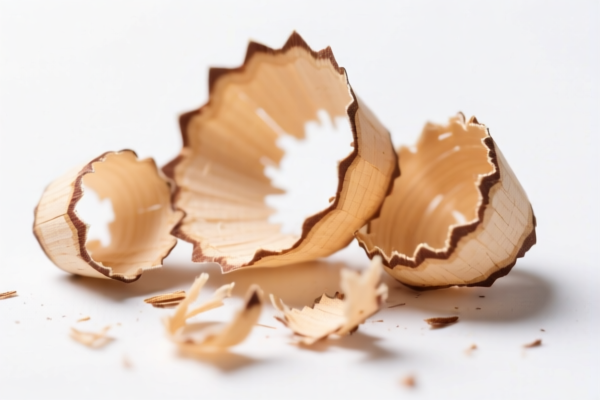
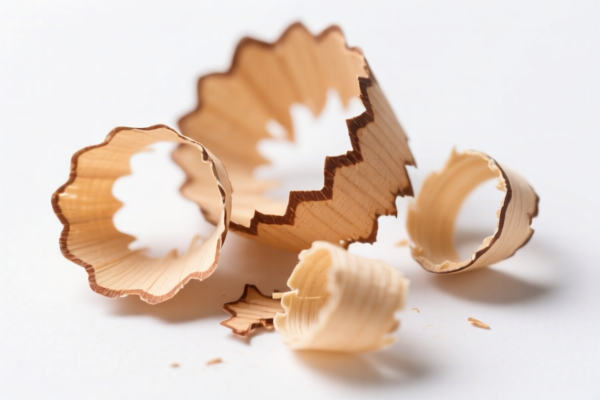
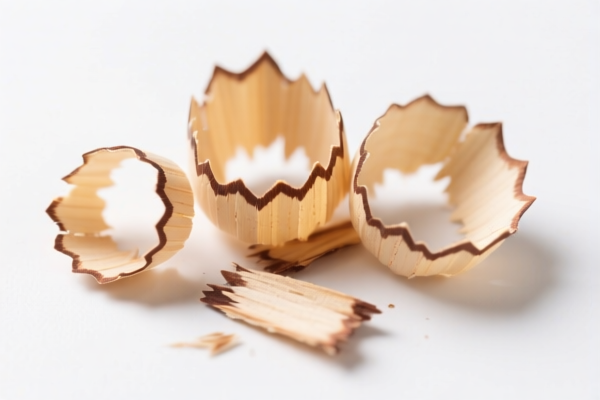
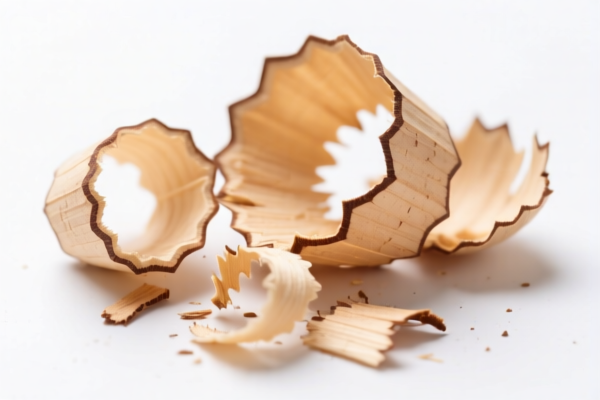
AI Analysis
🪵 Wood Chips for Paper Making & Raw Timber (Wood Chips)
🌐 HS Code Reference & Customs Clearance Guide | 2026 Latest Tariff Full Analysis | Professional Level Clearance Strategy
📌 I. Product Definition & Classification: Do You Really Understand "Wood Chips" vs. "Wood for Paper"?
Wood chips are a critical raw material in the global forestry and paper industries. In international trade, the distinction is not just about size, but about processing state and intended use.
1. Mechanical Wood Pulp for Papermaking (4701.00.00.00)
Processed wood chips specifically prepared for mechanical pulping. These chips have undergone specific processing (such as debarking, chipping, and sometimes pre-soaking or chemical pretreatment) to meet the technical requirements of mechanical pulp production.
2. Primary Wood Chips/Raw Timber (4407.19.00.66 & 4407.19.00.92)
Wood chips in their primary form, serving as basic raw materials.
- 4407.19.00.66: General wood chips, primary form.
- 4407.19.00.92: Coniferous wood chips, longitudinally sliced or chipped, meeting specific dimensional characteristics.
⚠️ Key Distinction Point:
- If the chips are specialized for mechanical pulp production (processed to meet specific pulp yield/quality metrics) → Classify under 4701.00.00.00.
- If the chips are raw timber products (simply chipped from logs, no specific pulp-processing treatment) → Classify under 4407.19 series.
📦 II. HS Code Classification Details (2026 Latest Tariff Authoritative Comparison)
| HS Code | Product Description | Application Scenario | Processing State |
|---|---|---|---|
4701.00.00.00 |
Wood chips for papermaking, conforming to mechanical wood pulp attributes | Mechanical pulp mills, paper production facilities | ✅ Processed for pulp |
4407.19.00.66 |
Wood chips, primary raw material form | General timber trade, basic raw material supply | ❌ Raw/Primary |
4407.19.00.92 |
Wood chips, coniferous material, slice/chip shape conforming to longitudinal cutting characteristics | Coniferous wood trade, specific dimensional requirements | ❌ Raw/Primary |
🔍 Critical Reminder:
- Do not confuse raw wood chips with processed pulp chips. Raw chips imported for papermaking without meeting the specific "mechanical wood pulp" attribute definition may still be classified under 4407, triggering higher tariffs.
- Species matters: Coniferous wood (pine, spruce, etc.) has specific sub-headings (4407.19.00.92). Non-coniferous or general wood may fall under 4407.19.00.66.
💰 III. 2026 Latest Tariff Rate Details (Including Surtax & Policy Surcharges)
✅ Applicable Country: United States (US)
✅ Origin: China (CN)
✅ Effective Time: 2025/2026 (Current Trade Policies)
🎯 1. 4701.00.00.00 —— Wood Chips for Papermaking (Mechanical Pulp Attributes)
| Item | Content |
|---|---|
| Base Tariff | 0.0% (ad valorem) |
| Section 301 Surtax | 0.0% |
| Section 122 Tariff | +10% |
| Total Tariff Rate | 10.0% |
| Tax Calculation | CIF Value × 10% |
| De Minimis Eligibility | ❌ Not Applicable (Standard cargo) |
| Legal Basis Path | USITC:4701.00.00.00 → Section 122: 10% |
📌 Explanation:
- Section 122 Tariff (10%): Imposed under Section 122 of the Trade Act of 1962, applicable to certain wood products to protect domestic timber industry.
- No Section 301 Surcharge: Unlike many manufactured goods, these wood pulp chips are exempt from the 25% Section 301 tariff.
- Total 10%: This is a moderate tariff compared to other wood products.
🎯 2. 4407.19.00.66 —— Wood Chips, Primary Raw Material Form
| Item | Content |
|---|---|
| Base Tariff | 0.0% |
| Section 301 Surtax | +25.0% |
| Section 122 Tariff | +10% |
| Total Tariff Rate | 35.0% |
| Tax Calculation | CIF Value × 35% |
| De Minimis Eligibility | ❌ Not Applicable |
| Legal Basis Path | Section 301: 25% → Section 122: 10% → USITC:4407.19.00.66 |
📌 Explanation:
- Section 301 Surcharge (25%): Applies to most Chinese-origin wood products under trade restrictions.
- Section 122 Tariff (10%): Additional protectionist tariff on timber products.
- Total 35%: High tariff impact. Significant cost increase for raw wood chip imports.
🎯 3. 4407.19.00.92 —— Coniferous Wood Chips (Longitudinal Slice/Chip)
| Item | Content |
|---|---|
| Base Tariff | 0.0% |
| Section 301 Surtax | +25.0% |
| Section 122 Tariff | +10% |
| Total Tariff Rate | 35.0% |
| Tax Calculation | CIF Value × 35% |
| De Minimis Eligibility | ❌ Not Applicable |
| Legal Basis Path | Section 301: 25% → Section 122: 10% → USITC:4407.19.00.92 |
📌 Explanation:
- Same tariff structure as 4407.19.00.66.
- Coniferous wood (pine, fir, spruce) is heavily scrutinized due to agricultural and forestry trade sensitivities.
- Total 35%: High tariff impact.
🛠️ IV. Customs Clearance Practical Advice (Battle-Tested Pitfall Guide)
✅ 1. Documentation Checklist (None Missing)
| Document | Required | Notes |
|---|---|---|
| ✅ Product Specification Sheet | ✔️ | Clearly state: "For Papermaking" vs. "Raw Timber" |
| ✅ Processing Description | ✔️ | Detail if chips are treated for mechanical pulping (for 4701) |
| ✅ Species Declaration | ✔️ | Crucial for 4407.19.00.92 (Coniferous vs. Non-Coniferous) |
| ✅ Commercial Invoice | ✔️ | Must match HS Code description exactly |
| ✅ Packing List | ✔️ | Weight, volume, packaging type |
| ✅ Phytosanitary Certificate | ✔️ | Mandatory for all wood products to prevent pest intrusion |
| ✅ Fumigation Certificate | ✔️ | If required by destination country regulations |
✅ 2. Declaration Tips (Key Mnemonic)
🔥 “Paper Pulp 4701, Low Tax 10%; Raw Wood 4407, High Tax 35%! Species Matters, Docs Must Clear!”
| Scenario | Correct Declaration | Wrong Action |
|---|---|---|
| Chips processed for mechanical pulp | 4701.00.00.00 |
Misdeclare as raw wood → 35% Tax |
| Raw chips for general use | 4407.19.00.66 or .92 |
Misdeclare as pulp → 10% (Risk of Penalty) |
| Coniferous wood chips | 4407.19.00.92 |
Misdeclare as non-coniferous → Classification Error |
| Mixed wood types | Declare as per predominant type or split | Ambiguous declaration → Customs Hold |
✅ 3. Special Case Handling
| Situation | Handling Advice |
|---|---|
| OEM Custom Chips | Provide client specs + processing report to justify 4701 classification |
| Mixed Species | Split shipment or declare as primary species with detailed breakdown |
| Phytosanitary Issues | Ensure fumigation is done before shipment; certificate must be valid |
| Section 122 Eligibility | Verify if product qualifies for any exemptions under Section 122 |
🌍 V. Global Market Comparison (2026 Latest)
| Country/Region | Recommended HS Code | Tariff Rate | Certification Requirements | Notes |
|---|---|---|---|---|
| 🇺🇸 USA | 4701.00.00.00 |
10% (CN Origin) | Phytosanitary + Fumigation | 35% for 4407 codes |
| 🇨🇳 China | 4701.00.00.00 |
5% (Import) | None Specific | Low tariff for pulp chips |
| 🇪🇺 EU | 4701.00.00.00 |
0% (If FSC Certified) | FSC/PEFC, Phytosanitary | No Section 301/122 |
| 🇯🇵 Japan | 4701.00.00.00 |
0% | Phytosanitary | Low tariff for paper pulp |
| 🇬🇧 UK | 4701.00.00.00 |
0% | Post-Brexit Rules | Check UK Tariff Schedule |
📌 Conclusion:
- USA is the only major market with high tariffs (35%) on raw wood chips due to Section 301 and Section 122.
- EU/UK/Japan do not impose Section 301 or 122 tariffs, making them more favorable for raw wood chip imports.
- Optimization: If possible, process chips to meet 4701.00.00.00 criteria to reduce US tariff from 35% to 10%.
📌 VI. Common Errors & Pitfall Guide (Lessons Learned)
❌ Error 1: Declaring raw wood chips as "Papermaking Pulp Chips" to avoid 25% Section 301
👉 Consequence: Customs audit finds no processing evidence → Penalty + Back Taxes + Seizure
❌ Error 2: Ignoring Species Declaration
👉 Consequence: Coniferous wood declared as general wood → Misclassification + Delay
❌ Error 3: Missing Phytosanitary Certificate
👉 Consequence: Shipment rejected or destroyed at port → Total Loss
❌ Error 4: Combining Raw Chips and Processed Chips in One Shipment
👉 Consequence: Customs may apply highest tariff rate (35%) to entire shipment → Cost Overrun
✅ Correct Approach:
"Wood Chips, Mechanically Processed for Mechanical Pulp Production, Decorticated, Chipped to 10-30mm, Model: PulpX, Phytosanitary Certified"
🎯 VII. Conclusion: Precision Classification Saves Costs!
🎯 Remember Mnemonic:
🔹 "Pulp Chips 4701, Tax 10% Off; Raw Chips 4407, Tax 35% Tough!"
🔹 "Species Matters, Docs Clear, Avoid Section 301, Profit Will Grow!"
📌 Pro Tip:
- If your wood chips are not from China, Section 301 (25%) does not apply. Only Section 122 (10%) may apply depending on the code.
- For US imports, pre-classification ruling is highly recommended to confirm 4701 vs. 4407 status.
- Consider supply chain diversification to non-US markets if tariff costs are prohibitive.
📣 Immediate Action:
📞 Contact a licensed customs broker + Provide product specs + Request HS Code Pre-Ruling
🚀 Ensure your wood chips pass customs smoothly, minimize tariffs, and maximize profit!
✨ Professional Customs Clearance Starts with Accurate Classification!
💼 Every cent of tariff cost deserves precise calculation!
Customer Reviews
About HS Code Classification
The Harmonized System (HS) is an internationally standardized nomenclature developed by the World Customs Organization (WCO) to classify traded products. Over 200 countries use the HS system as the basis for customs tariffs, trade statistics, and import/export regulations.
Each HS code follows a hierarchical structure:
- Chapter (2 digits) — Broad category of goods (e.g., Chapter 84: Machinery and Mechanical Appliances)
- Heading (4 digits) — More specific grouping within the chapter
- Subheading (6 digits) — Internationally standardized breakdown, used by all WCO member countries
- National subdivisions (8-10 digits) — Country-specific extensions for further classification, such as US HTSUS 10-digit codes
Correct HS code classification is essential for smooth customs clearance, accurate duty payment, and compliance with trade regulations. Misclassification can lead to customs delays, overpayment of duties, or penalties.
When importing from CN to US, the applicable tariff rates may include:
- Most-Favored-Nation (MFN) rate — The standard duty rate applied to WTO members
- General rate — Applied to countries without trade agreements
- Trade remedy duties — Additional tariffs such as Section 301 (anti-dumping), Section 232 (national security), or countervailing duties
The information provided on this page is for reference purposes only. For official classification, please consult with your local customs authority or a licensed customs broker.