Wood lined Travel Bag
CN → US| HS Code | Tariff Rate | Origin | Destination | Doc |
|---|---|---|---|---|
| 3923900080 | 38.0% | CN | US | Official Doc |
| 3923109000 | 38.0% | CN | US | Official Doc |
| 4202993000 | 35.0% | CN | US | Official Doc |
| 4202992000 | 39.3% | CN | US | Official Doc |
Product Images
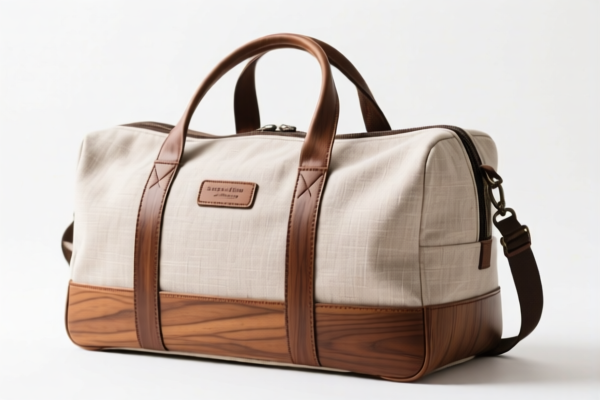
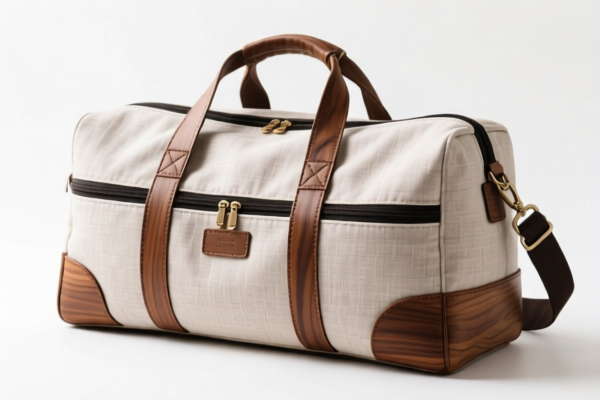
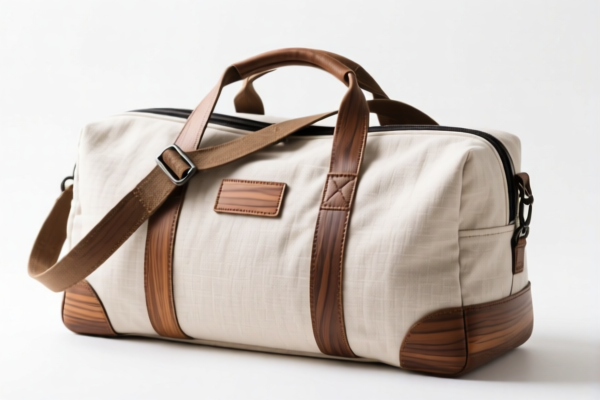
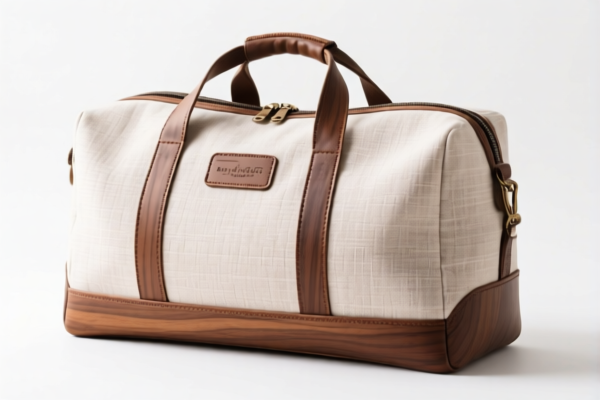
AI Analysis
🧳 Wood-Lined Travel Bag (Articles for Conveyance or Packing of Goods)
🌐 HS Code Reference & Customs Clearance Guide | 2024/2025 Latest Tariff Analysis | Professional Entry Strategy
📌 I. Product Definition & Classification: Do You Truly Understand the "Wood-Lined Travel Bag"?
A "Wood-Lined Travel Bag" is a specialized container. In international trade, this description triggers a critical classification decision based on material composition and function. It is not simply a "bag"; it is a rigid or semi-rigid container where the structural integrity or aesthetic lining involves wood and/or paper.
Key Distinctions: * Rigid Wood Containers: If the bag has a rigid wooden frame/structure and is lined with textile, it falls under Chapter 42 (Articles of Leather; Trunk, Suitcase...). * Plastic Packaging: If the "wood" is merely a visual print on plastic, or if the item is purely a plastic box with a wood-like finish, it falls under Chapter 39 (Articles of Plastic).
⚠️ Critical Classification Point:
- If the container is primarily constructed of wood (even if lined with fabric/textile) and used for travel/carrying → HS 4202 (Specifically 4202.99).
- If the container is made of plastics (even if described as "wood-style") → HS 3923.
- Note: The provided data specifically highlights HS 4202.99 codes for wooden items with textile linings, indicating the user's product likely falls into the Chapter 42 category if it is a genuine leather/textile/plastic-covered container with a wood component, OR HS 3923 if it is purely plastic packaging mimicking wood.
Based on the provided <DATA> which includes specific HS codes for "Of wood: Lined with textile fabrics" (4202.99.30.00) and "Of plastics" (3923.90.00.80, 3923.10.90.00), we must analyze the material truth.
📦 II. HS Code Classification Details (Authoritative Comparison)
| HS Code | Product Description | Applicable Scenario | Material Basis | Tax Rate |
|---|---|---|---|---|
4202.99.30.00 |
Trunks, suitcases, traveling bags... of wood: Lined with textile fabrics | Rigid/semi-rigid travel bags with wooden frames/structure and fabric lining | Wood (with textile lining) | 0.0% |
4202.99.20.00 |
Trunks, suitcases, traveling bags... of wood: Not lined with textile fabrics | Wooden travel bags without internal textile lining | Wood (no textile) | 0.0% |
3923.90.00.80 |
Articles for conveyance or packing of goods, of plastics: Other | Plastic containers/bags (even if visually styled like wood) | Plastics | 28.0% |
3923.10.90.00 |
Boxes, cases, crates and similar articles, of plastics: Other | Plastic boxes/crates for packing | Plastics | 28.0% |
🔍 Key Insight:
- The term "Wood Lined" in the user prompt is ambiguous. It could mean:
1. A bag made of wood (hard shell) lined with textile → HS 4202.99.30.00 (0% Tax).
2. A plastic bag/box that has a "wood line" (visual design) → HS 3923.90.00.80 (28% Tax).
3. A plastic box used for packing goods → HS 3923.10.90.00 (28% Tax).
- Crucial: If the product is truly made of wood (even if covered by other materials like leather or textile), it belongs in Chapter 42. If it is plastic, it belongs in Chapter 39.
💰 III. 2024/2025 Latest Tariff Rate Details (Including Additional Taxes)
✅ Applicable Country: United States (US)
✅ Country of Origin: China (CN)
✅ Validity: Rates apply to imports from China.
🎯 1. 4202.99.30.00 & 4202.99.20.00 —— Wood-Lined Travel Bags (Non-Plastic)
| Item | Content |
|---|---|
| Base Tariff | 0.0% (ad valorem) |
| Additional Tariff | 0.0% |
| Total Tax Rate | 0.0% |
| Tax Calculation | CIF Value × 0.0% = $0 |
| De Minimis Eligibility | ✅ Yes (if value < $800 for Section 321) |
| Legal Basis | USHTS 4202.99 |
📌 Explanation:
- Wooden travel bags (trunks, suitcases, etc.) are classified under Chapter 42.
- The provided data explicitly states "基础关税: 0.0%, 加征关税: 0.0%" for HS 4202.99.
- Result: Zero Tariff! This is a highly favorable classification if the product is genuinely made of wood or primarily of leather/textile/paper covered materials (not plastic).
🎯 2. 3923.90.00.80 & 3923.10.90.00 —— Plastic Packaging/Bags (Misclassified as "Wood")
| Item | Content |
|---|---|
| Base Tariff | 3.0% (ad valorem) |
| Additional Tariff | 25.0% |
| Total Tax Rate | 28.0% |
| Tax Calculation | CIF Value × 28.0% |
| De Minimis Eligibility | ❌ No (if subject to Section 301) |
| Legal Basis | USITC Footnote 9903.88.01 (Section 301 Tariffs) |
📌 Explanation:
- If the "Wood Lined Travel Bag" is actually made of plastics (e.g., a plastic tote with wood grain print, or a plastic box for packing), it falls under Chapter 39.
- Base Rate: 3.0%.
- Additional Tariff: 25.0% (Section 301 Tariff on Chinese goods).
- Total: 28.0%.
- Risk: If you misdeclare a plastic bag as a wooden bag (HS 4202) to avoid the 28% tax, you face severe customs penalties, seizure, and back-taxes.
🛠️ IV. Customs Clearance Practical Advice (Real-World Pitfall Guide)
✅ 1. Required Documentation Checklist
| Document | Must Provide | Explanation |
|---|---|---|
| ✅ Product Photos | ✔️ | Show the material texture. Is it real wood grain or printed plastic? |
| ✅ Material Composition | ✔️ | Clearly state: "Outer: Wood/Plywood, Lining: Cotton Textile" vs. "Outer: PP Plastic, Print: Wood Grain" |
| ✅ Commercial Invoice | ✔️ | Describe accurately: "Wooden Travel Trunk, Lined with Fabric" |
| ✅ Packing List | ✔️ | Weight and dimensions of the wooden/plastic structure |
| ✅ Structure Diagram | ✔️ | Useful for HS 4202 vs. 3923 dispute |
✅ 2. Classification Strategy & Tips
🔥 "True Wood = 0% Tax; Plastic Look = 28% Tax!"
| Scenario | Correct HS Code | Tax Rate | Action |
|---|---|---|---|
| Genuine Wooden Travel Bag (Frame made of wood, lined with fabric) | 4202.99.30.00 |
0.0% | ✅ Declare as "Wooden Travel Bag" |
| Plastic Bag with Wood Print | 3923.90.00.80 |
28.0% | ❌ Do NOT declare as wood. Accept 28% tax. |
| Plastic Box for Packing Goods | 3923.10.90.00 |
28.0% | ❌ Do NOT declare as wood. |
| Mixed Material (Wood + Plastic) | Likely 4202 if wood is primary |
0.0% | Provide proof wood is primary structural material. |
📌 Critical Note:
- The phrase "Wood Lined" in the prompt might mean "Lined with Wood" (wood inner surface) or "Wooden Bag Lined with Fabric".
- If it is a plastic box (for packing goods) with a wood-like appearance, it is HS 3923 (28% tax).
- If it is a travel bag (suitcase/trunk) made of wood with textile lining, it is HS 4202 (0% tax).
✅ 3. Special Cases
| Scenario | Handling Advice |
|---|---|
| OEM Custom Wooden Bag | Provide design specs showing wood construction. |
| "Wood-Gram" Plastic Bag | Must pay 28% tax. No exemption. |
| Plastic Box for Packing | Classify as 3923.10.90.00 (28% tax). |
| Hybrid (Wood Frame + Plastic Panels) | If wood is primary material, argue for 4202. Provide material breakdown. |
🌍 V. Global Market Comparison (2024/2025)
| Country/Region | Recommended HS Code | Tariff (China Origin) | Certification | Note |
|---|---|---|---|---|
| 🇺🇸 USA | 4202.99.30.00 (Wood) |
0.0% | N/A | Best case scenario |
| 🇺🇸 USA | 3923.90.00.80 (Plastic) |
28.0% | N/A | High tax if misclassified as plastic |
| 🇨🇳 China | 4202.99.30.00 |
5-10% (varies) | N/A | Domestic export tax |
| 🇪🇺 EU | 4202.99 |
0-4% | CE (if electronic) | Generally low tariff for wood/travel goods |
📌 Conclusion:
- USA offers 0% tariff for genuine wooden travel bags (HS 4202).
- Plastic items (even if styled as wood) face 28% tariff in the USA.
- Misclassification Risk: High. Ensure material truth is declared.
📌 VI. Common Mistakes & Pitfall Guide (Lessons Learned)
❌ Mistake 1: Declaring a plastic bag with wood print as "Wooden Bag"
👉 Consequence: 28% Back Tax + Penalty!
❌ Mistake 2: Declaring a plastic packing box as "Travel Bag"
👉 Consequence: Classification Error, even if tax rate is similar (28%), compliance risk remains.
❌ Mistake 3: Ignoring the "Lining" Material
👉 Consequence: For HS 4202, the lining material (textile vs. none) affects the sub-code (4202.99.30 vs 4202.99.20), but both are 0%. However, accurate description prevents delays.
✅ Correct Practice:
"Travel Bag, Wooden Frame, Cotton Textile Lining, Model XYZ"
OR
"Plastic Packing Box, Wood-Gram Finish, For General Goods"
🎯 VII. Conclusion: Professional Declaration Saves Costs!
🎯 Remember the Golden Rule:
🔹 "Wood = 0% (HS 4202); Plastic = 28% (HS 3923)."
🔹 "If it's plastic, don't lie about it. Pay the 28% or optimize design."
📌 Pro Tip:
If your product is plastic but you want 0% tax, consider:
1. Re-engineering to use wood/bamboo components (qualify for HS 4202).
2. Origin Shifting: If produced in Vietnam/Malaysia, you may qualify for 0% (avoid Section 301 tariffs).
📣 Immediate Action:
📞 Confirm Material Composition: Is it Wood or Plastic?
📸 Provide Photos to Customs Broker
🚀 Choose the correct HS Code to Maximize Savings and Ensure Compliance!
✨ Professional Customs Clearance Starts with Accurate Classification!
💼 Your Cost Matters – Get It Right!
Customer Reviews
About HS Code Classification
The Harmonized System (HS) is an internationally standardized nomenclature developed by the World Customs Organization (WCO) to classify traded products. Over 200 countries use the HS system as the basis for customs tariffs, trade statistics, and import/export regulations.
Each HS code follows a hierarchical structure:
- Chapter (2 digits) — Broad category of goods (e.g., Chapter 84: Machinery and Mechanical Appliances)
- Heading (4 digits) — More specific grouping within the chapter
- Subheading (6 digits) — Internationally standardized breakdown, used by all WCO member countries
- National subdivisions (8-10 digits) — Country-specific extensions for further classification, such as US HTSUS 10-digit codes
Correct HS code classification is essential for smooth customs clearance, accurate duty payment, and compliance with trade regulations. Misclassification can lead to customs delays, overpayment of duties, or penalties.
When importing from CN to US, the applicable tariff rates may include:
- Most-Favored-Nation (MFN) rate — The standard duty rate applied to WTO members
- General rate — Applied to countries without trade agreements
- Trade remedy duties — Additional tariffs such as Section 301 (anti-dumping), Section 232 (national security), or countervailing duties
The information provided on this page is for reference purposes only. For official classification, please consult with your local customs authority or a licensed customs broker.