Wooden Box
CN → US| HS Code | Tariff Rate | Origin | Destination | Doc |
|---|---|---|---|---|
| 9208900040 | 22.8% | CN | US | Official Doc |
| 9503000090 | 10.0% | CN | US | Official Doc |
| 4420908000 | 38.2% | CN | US | Official Doc |
| 4420190000 | 13.2% | CN | US | Official Doc |
| 9208100000 | 13.2% | CN | US | Official Doc |
Product Images

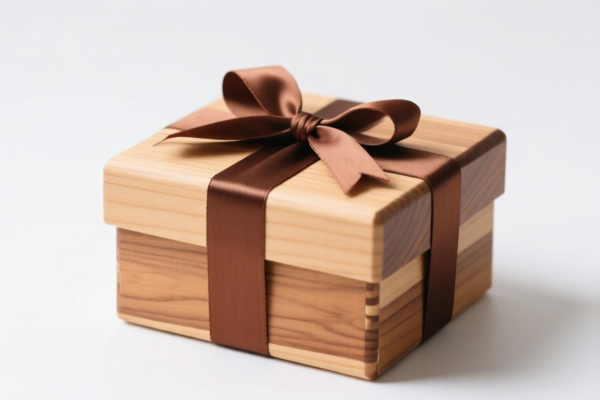


AI Analysis
🎁 Wooden Music Box: The Ultimate Guide to HS Code Classification & Customs Clearance in the US
🌐 HS Code Reference & Customs Clearance Strategy | 2026 Latest Tariff Analysis | Professional Compliance Guide 📌 I. Product Definition & Classification: Is it a Toy, an Instrument, or Art?
A Wooden Music Box is a deceptively simple item that sits at the intersection of three distinct international trade categories. Depending on its design, mechanism, and primary purpose, it can be classified differently, leading to vastly different tariff outcomes.
In international trade, the classification determines not just the duty rate, but also the regulatory requirements and potential trade restrictions (such as Section 301 or IEEPA tariffs).
Core Classification Conflict: 1. Musical Instrument: If the box itself is designed to produce music as its primary function (e.g., a mechanical cylinder or disc mechanism). 2. Toy/Novelty: If it is designed for play, gift-giving, or decorative amusement. 3. Wooden Craft/Decoration: If it is primarily a wooden artistic piece or decorative item that happens to have a music mechanism.
⚠️ Critical Distinction Point:
- If the device contains a mechanical sound-producing mechanism (like a pinned cylinder or comb), customs may lean towards Chapter 92 (Musical Instruments).
- If it is primarily a gift, souvenir, or plaything, it falls under Chapter 95 (Toys).
- If it is primarily a decorative wooden object with minimal instrumental value, it may fall under Chapter 44 (Wood Articles).
📦 II. HS Code Classification Details (2026 Latest Tariff Authority Comparison)
Below are the five potential HS Codes for a "Wooden Music Box" based on the provided data, ranging from low to high tax burdens.
| HS Code | Product Description | Primary Classification Logic | Applicable Scenario |
|---|---|---|---|
9503.00.00.90 |
Toys, Sporting Goods, Puzzles, Games... Not Elsewhere Specified | Toy/Novelty/Gift | Wooden music boxes sold as gifts, party favors, or children's toys. |
9208.10.00.00 |
Musical Instruments: Musical Boxes | Musical Instrument | Classical mechanical music boxes where the primary value is the instrument itself. |
4420.19.00.00 |
Wooden Statues, Ornamental Articles... Not Elsewhere Specified | Wooden Decoration/Statue | Wooden boxes used primarily as decor or statues, with music as a secondary feature. |
9208.90.00.40 |
Musical Instruments: Parts, Accessories... Not Elsewhere Specified | Musical Instrument (Parts/Accessory) | Alternative classification for musical boxes under instruments if not covered by 9208.10. |
4420.90.80.00 |
Wooden Articles... Not Elsewhere Specified | Wooden Craft/Decor | High-end wooden crafts or decorative items made of wood, classified under general wooden goods. |
🔍 Key Insight:
- Lowest Tax Option:9503.00.00.90(Toy) has a 10.0% total tax.
- Highest Tax Option:4420.90.80.00(Wooden Decor) has a 38.2% total tax.
- Misclassification Risk: Declaring a musical instrument as a "wooden decor" item to avoid duties is a common error that triggers audits. However, declaring a toy as an "instrument" might attract unnecessary scrutiny if the mechanism is simple.
💰 III. 2026 Latest Tariff Rate Breakdown (Including Additional Duties & Policy Surcharges)
✅ Applicable Country: United States (US)
✅ Country of Origin: China (CN) (Assumed based on "122 Clause" and typical trade context)
✅ Effective Time: Current Regulations (Including Section 301/IEEPA implications)
🎯 1. 9503.00.00.90 —— Toys / Gifts (Lowest Tax Strategy)
| Item | Content |
|---|---|
| Basic Tariff | 0.0% (ad valorem) |
| Section 301 Surcharge | 0.0% |
| Section 122 / IEEPA Surcharge | +10.0% |
| Total Tax Rate | 10.0% |
| Tax Calculation | CIF Value × 10% |
| De Minimis Eligibility | ✅ Yes (If value < $800, eligible for de minimis entry under 321; Check specific carrier policies) |
| Legal Basis Path | USITC:9503.00.00.90 → IEEPA:10% (China) |
📌 Explanation:
- This is the most favorable classification for cost purposes.
- "Section 122" refers to specific trade provisions affecting Chinese goods, often overlapping with broader IEEPA tariffs.
- No Section 301 tariffs apply here, which is a significant advantage.
🎯 2. 9208.10.00.00 —— Musical Boxes (Instrument Class)
| Item | Content |
|---|---|
| Basic Tariff | 3.2% |
| Section 301 Surcharge | 0.0% |
| Section 122 / IEEPA Surcharge | +10.0% |
| Total Tax Rate | 13.2% |
| Tax Calculation | CIF Value × 13.2% |
| De Minimis Eligibility | ❌ No (Deny De Minimis for Class 92 items in many contexts) |
| Legal Basis Path | USITC:9208.10.00.00 → IEEPA:10% (China) |
📌 Explanation:
- Slightly higher than toys due to the 3.2% base duty.
- Still benefits from 0% Section 301 surcharge.
- Considered a "Musical Instrument" by USITC, which may trigger stricter documentation requirements.
🎯 3. 4420.19.00.00 —— Wooden Statues/Ornaments
| Item | Content |
|---|---|
| Basic Tariff | 3.2% |
| Section 301 Surcharge | 0.0% |
| Section 122 / IEEPA Surcharge | +10.0% |
| Total Tax Rate | 13.2% |
| Tax Calculation | CIF Value × 13.2% |
| De Minimis Eligibility | ❌ No |
| Legal Basis Path | USITC:4420.19.00.00 → IEEPA:10% (China) |
📌 Explanation:
- Same total rate as Musical Instruments.
- Classified under Chapter 44 (Wood), which may require Fumigation Certificate (ISPM 15) if wood is raw/unprocessed.
🎯 4. 9208.90.00.40 —— Musical Instruments (Other Parts/Accessories)
| Item | Content |
|---|---|
| Basic Tariff | 5.3% |
| Section 301 Surcharge | +7.5% |
| Section 122 / IEEPA Surcharge | +10.0% |
| Total Tax Rate | 22.8% |
| Tax Calculation | CIF Value × 22.8% |
| De Minimis Eligibility | ❌ No |
| Legal Basis Path | USITC:9208.90.00.40 → USITC:7.5% (Section 301) → IEEPA:10% |
📌 Explanation:
- This classification incurs an additional 7.5% Section 301 tariff.
- Likely used if the item is viewed as a "part" or "accessory" to a larger instrument system rather than a standalone box.
- Avoid unless necessary, as it increases costs significantly.
🎯 5. 4420.90.80.00 —— Wooden Articles (Decor/Craft)
| Item | Content |
|---|---|
| Basic Tariff | 3.2% |
| Section 301 Surcharge | +25.0% |
| Section 122 / IEEPA Surcharge | +10.0% |
| Total Tax Rate | 38.2% |
| Tax Calculation | CIF Value × 38.2% |
| De Minimis Eligibility | ❌ No |
| Legal Basis Path | USITC:4420.90.80.00 → USITC:25% (Section 301) → IEEPA:10% |
📌 Explanation:
- Highest Tax Burden.
- Subject to the full 25% Section 301 tariff on Chinese wooden goods.
- Only use if the item is clearly not a toy or instrument (e.g., a high-end collector's piece marketed as fine art).
🛠️ IV. Customs Clearance Operational Advice (Practical Pitfall Avoidance)
✅ 1. Preparation Checklist (Non-negotiable)
| Document | Required | Purpose |
|---|---|---|
| ✅ Product Specification Sheet | ✔️ | Detail the mechanism: Is it a cylinder, disc, or electronic? |
| ✅ Photos (Clear & Labeled) | ✔️ | Show wood type, finish, and internal mechanism. |
| ✅ Commercial Invoice | ✔️ | Must clearly state "Wooden Music Box" and NOT generic "Wooden Box." |
| ✅ Wood Treatment Certificate | ✔️ | Critical for Chapter 44. If classified under 4420, ISPM 15 fumigation proof is often required. |
| ✅ Material Declaration | ✔️ | Confirm if wood is raw, processed, or composite. |
✅ 2. Classification Strategy (Key Rules)
🔥 “Toy First, Instrument Second, Decor Last!”
| Scenario | Recommended HS Code | Reason |
|---|---|---|
| Mass-market gift/toy | 9503.00.00.90 |
Lowest tax (10%), no Section 301. Best for e-commerce. |
| Professional/Classical Music Box | 9208.10.00.00 |
Legally accurate as an instrument. Moderate tax (13.2%). |
| High-end Wooden Art Piece | 4420.19.00.00 |
If mechanism is secondary. Moderate tax (13.2%), but needs wood docs. |
| Cheaply Made "Decor" | AVOID 4420.90.80.00 |
Do not use. 38.2% tax is too high. Misclassification risk. |
✅ 3. Special Considerations
| Issue | Solution |
|---|---|
| Wood Fumigation | If classified under 4420, ensure wood is heat-treated or fumigated. Lack of ISPM 15 label can lead to rejection or destruction. |
| Section 301 Exclusion | Check if your specific HS Code (e.g., 9503) is eligible for Section 301 exclusions. Note: 9503 generally has 0% 301, but always verify current lists. |
| Value Declaration | For 9503 (Toy), if under $800, consider Section 321 De Minimis entry to avoid formal customs brokerage fees (if allowed by carrier). |
🌍 V. Global Market Comparison (2026 Update)
| Country/Region | Recommended HS Code | Est. Tariff (China Origin) | Key Requirement | Note |
|---|---|---|---|---|
| 🇺🇸 USA | 9503.00.00.90 |
10.0% | ISPM 15 (if wood) | Best for cost efficiency. |
| 🇨🇳 China | 9503.00.00.90 |
~15-20% (VAT+Duty) | CCC Certification | If sold domestically. |
| 🇪🇺 EU | 9503.00.00.90 |
0-4% (if CE/RoHS) | CE, REACH, FSC | Lower base duties, but strict wood sourcing rules. |
| 🇬🇧 UK | 9503.00.00.90 |
0-4% | UKCA Mark | Post-Brexit rules apply. |
| 🇦🇺 Australia | 9503.00.00.90 |
5% | Biosecurity Quarantine | Strict wood inspection. |
📌 Conclusion:
- USA is the most complex due to Section 301/IEEPA layers.
- EU/UK prefer Toy (9503) for simplicity and lower duties.
- Australia is strict on wood biosecurity.
📌 VI. Common Errors & Pitfalls (Blood Lessons)
❌ Error 1: Declaring a Musical Box as "Wooden Box" (4415.20.00.00)
👉 Consequence: If it plays music, customs will reclassify it to 9503 or 9208, but the misdeclaration may lead to fines or seizure for false declaration.
❌ Error 2: Using 4420.90.80.00 to hide the musical function
👉 Consequence: You pay 38.2% tax. If caught later, you owe back-taxes + penalties. 10% (9503) is far better.
❌ Error 3: Ignoring Wood Treatment for 4420 codes
👉 Consequence: Cargo held at port for fumigation ($500+ fee) or destroyed.
❌ Error 4: Assuming "Toy" means no wood regulations
👉 Consequence: Even if classified as 9503, if the US CBP determines it is primarily a wooden article, they may enforce wood inspection anyway. Always have ISPM 15 ready.
✅ Correct Practice:
"Wooden Mechanical Music Box, Pinned Cylinder Mechanism, Gift Item, Model XYZ, ISPM 15 Certified Wood"
🎯 VII. Conclusion: Professional Classification Saves Money!
🎯 Remember the Golden Rule:
🔹 "Toy is King (10%), Instrument is Prince (13.2%), Wood Decor is a Trap (38.2%)."
🔹 "Always verify Section 301 applicability for your specific HS Code."
🔹 "If it plays music, declare the music. If it's wood, declare the wood treatment."
📌 Pro Tip:
If your Wooden Music Box is valued under $800, and you classify it as 9503.00.00.90 (Toy), you may qualify for Section 321 De Minimis entry, allowing tax-free, duty-free entry into the US with minimal customs paperwork. This is the ultimate cost-saving strategy for small shipments.
📣 Immediate Action:
📞 Consult your customs broker to confirm if your specific design qualifies for
9503.00.00.90.
📄 Prepare ISPM 15 wood treatment certificates regardless of HS code, as a precaution.
🚀 Optimize your supply chain by leveraging the 10% rate for toys.
✨ Precision Classification = Maximum Profit!
💼 Don't let a 28% tariff difference eat your margin!
Customer Reviews
About HS Code Classification
The Harmonized System (HS) is an internationally standardized nomenclature developed by the World Customs Organization (WCO) to classify traded products. Over 200 countries use the HS system as the basis for customs tariffs, trade statistics, and import/export regulations.
Each HS code follows a hierarchical structure:
- Chapter (2 digits) — Broad category of goods (e.g., Chapter 84: Machinery and Mechanical Appliances)
- Heading (4 digits) — More specific grouping within the chapter
- Subheading (6 digits) — Internationally standardized breakdown, used by all WCO member countries
- National subdivisions (8-10 digits) — Country-specific extensions for further classification, such as US HTSUS 10-digit codes
Correct HS code classification is essential for smooth customs clearance, accurate duty payment, and compliance with trade regulations. Misclassification can lead to customs delays, overpayment of duties, or penalties.
When importing from CN to US, the applicable tariff rates may include:
- Most-Favored-Nation (MFN) rate — The standard duty rate applied to WTO members
- General rate — Applied to countries without trade agreements
- Trade remedy duties — Additional tariffs such as Section 301 (anti-dumping), Section 232 (national security), or countervailing duties
The information provided on this page is for reference purposes only. For official classification, please consult with your local customs authority or a licensed customs broker.