Wooden Coaster
CN → US| HS Code | Tariff Rate | Origin | Destination | Doc |
|---|---|---|---|---|
| 3924901050 | 13.3% | CN | US | Official Doc |
| 6912005000 | 16.0% | CN | US | Official Doc |
| 3924104000 | 13.4% | CN | US | Official Doc |
| 6912004810 | 19.8% | CN | US | Official Doc |
| 4420110010 | 13.2% | CN | US | Official Doc |
Product Images

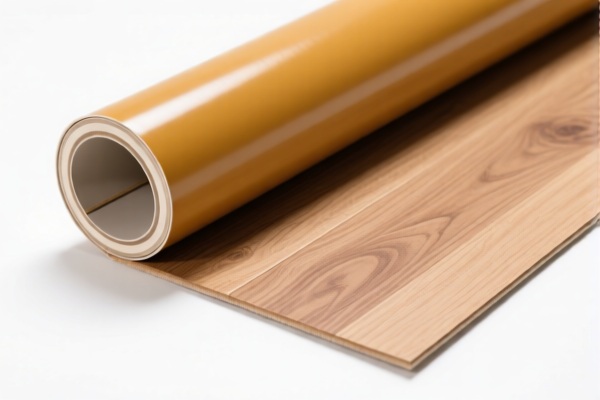
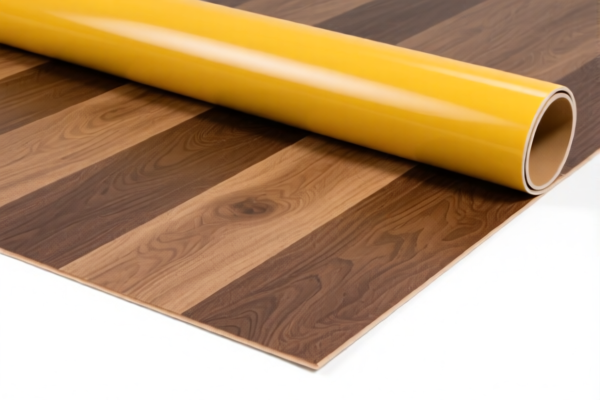

AI Analysis
🍽️ Wooden Coasters (And Composite Materials)
🌐 HS Code Reference & Customs Clearance Guide | 2026 Latest Tariff Analysis | Professional Clearance Strategy
📌 One, Product Definition and Classification: What Exactly Is a "Coaster"?
A coaster is a small mat or dish placed under a drinking glass, typically to protect furniture from water rings, heat, or scratches. In international trade, the classification is strictly material-dependent. A common mistake is assuming all coasters are the same; however, US Customs and Border Protection (CBP) distinguishes between plastics, ceramics, wood, and composite materials, each carrying vastly different tariff implications.
⚠️ Critical Distinction Point:
- Plastic Coasters: Regulated under Chapter 39 (Plastics). Generally lower base tariffs but subject to specific 122 Section add-ons.
- Ceramic/Stone Resin Coasters: Regulated under Chapter 69 (Ceramics) or 39 if resin-heavy. Often hit with the highest combined rates.
- Wooden Coasters: Regulated under Chapter 44 (Wood). Subject to significant "Section 301" style add-ons (often referred to as "Section 122" or specific US-China tariffs in this context).
📦 Two, HS Code Classification Details (2026 Latest Tariff Authority Mapping)
Based on the provided data, here is the precise breakdown for wooden and composite coasters:
| HS Code | Product Description | Material Composition | Primary Use | Total Tax Rate |
|---|---|---|---|---|
4420.11.00.10 |
Wooden Coasters | Pure Wood | Tableware / Kitchen Supplies | 13.2% |
3924.90.10.50 |
Plastic Coasters | Plastic | Home Decor / Household Items | 13.3% |
3924.10.40.00 |
Plastic Coasters | Plastic | Tableware / Household Items | 13.4% |
6912.00.50.00 |
Non-Ceramic Coasters | Non-Ceramic (e.g., Composite/Resin) | Household Items | 16.0% |
6912.00.48.10 |
Ceramic/Wood/Resin Coasters | Ceramic, Wood, or Resin Composite | Cup Support | 19.8% |
🔍 Key Insight:
- If your product is purely wooden, it likely falls under4420.11.00.10.
- If it is a composite (e.g., wood base with a resin coating, or ceramic with wood accents), it may be pushed into the higher-tier6912.00.48.10category.
- Plastic options (3924.*) offer slight cost advantages but are functionally distinct from natural wood.
💰 Three, 2026 Latest Tariff Rate Breakdown (Including Surtaxes & Policy Add-ons)
✅ Applicable Country: United States (US)
✅ Origin: China (CN)
✅ Effective Time: Current Regulations (Including Section 122/301 Add-ons)
🎯 1. 4420.11.00.10 – Wooden Coasters (The "Wooden" Choice)
| Item | Content |
|---|---|
| Base Tariff | 3.2% |
| Section 301 / Add-on Tariff | 10.0% (Labeled as "Section 122 Tariff" in data) |
| Other Surcharges | 0.0% |
| Total Tax Rate | 13.2% |
| Tax Calculation | CIF Value × 13.2% |
| De Minimis Exemption | ❌ Not Applicable (High-value or commercial shipments) |
| Legal Basis Path | Chapter 44 (Wood Articles) → USITC:4420.11.00.10 → Section 122: 10% |
📌 Explanation:
- The 3.2% is the standard Most Favored Nation (MFN) base rate for wooden articles of furniture or similar woodwares.
- The 10% is a specific surcharge applied to Chinese-origin goods (often referenced as Section 122 in specific trade contexts or overlapping with Section 301 lists).
- Total: 13.2%. This is a moderate tariff compared to ceramics.
🎯 2. 3924.90.10.50 & 3924.10.40.00 – Plastic Coasters
| Item | Content |
|---|---|
| Base Tariff | 3.3% - 3.4% |
| Section 122 Tariff | 10.0% |
| Total Tax Rate | 13.3% - 13.4% |
| Tax Calculation | CIF Value × 13.3%~13.4% |
| Legal Basis Path | Chapter 39 (Plastics) → USITC:3924.* → Section 122: 10% |
📌 Explanation:
- Plastic coasters have slightly higher base tariffs (3.3-3.4%) than pure wood (3.2%).
- The 10% add-on remains constant.
- Total: ~13.35%. Negligible difference from wood, but material perception differs.
🎯 3. 6912.00.50.00 & 6912.00.48.10 – Ceramic/Composite Coasters
| Item | Content |
|---|---|
| Base Tariff | 6.0% - 9.8% |
| Section 122 Tariff | 10.0% |
| Total Tax Rate | 16.0% - 19.8% |
| Tax Calculation | CIF Value × 16%~19.8% |
| Legal Basis Path | Chapter 69 (Ceramics) → USITC:6912.* → Section 122: 10% |
📌 Explanation:
- Highest Tariff Category. Ceramic and complex composite coasters face base rates up to 9.8%.
- Adding the 10% surcharge pushes the total to 19.8% for6912.00.48.10.
- Warning: This is a 6.6% premium over wooden/plastic options.
🛠️ Four, Customs Clearance Practical Advice (Avoiding Pitfalls)
✅ 1. Preparation Checklist (Non-Negotiable)
| Document | Required? | Description |
|---|---|---|
| ✅ Product Photo | ✔️ | Clear image showing material (e.g., wood grain vs. plastic shine). |
| ✅ Material Declaration | ✔️ | Explicitly state: "100% Wood" or "Plastic" or "Ceramic." |
| ✅ Commercial Invoice | ✔️ | Must match the HS Code description exactly (e.g., "Wooden Coaster" for 4420.11.00.10). |
| ✅ Composition Analysis | ✔️ | If composite (e.g., wood + resin), provide proof of primary material to avoid 6912 classification. |
| ✅ Packing List | ✔️ | Weight and dimensions for freight calculation. |
✅ 2. Declaration Tips (Crucial Mnemonic)
🔥 "Material is King, Section 122 is Queen! Declare Accurately!"
| Scenario | Correct HS Code | Risk of Error |
|---|---|---|
| Pure Wooden Coaster | 4420.11.00.10 (13.2%) |
❌ Misdeclaring as Plastic (3924) → Potential fraud penalty + 0.1% diff. |
| Composite (Wood+Resin) | Likely 6912.00.48.10 (19.8%) |
❌ Declaring as Wood (4420) → 6.6% Underpayment Risk + Seizure. |
| Plastic Coaster | 3924.90.10.50 (13.3%) |
❌ Declaring as Ceramic → 6.5% Overpayment. |
| Set of Coasters (Mixed) | Must split or choose highest component | ❌ Mixing codes → Delay at customs for re-classification. |
✅ 3. Special Handling
| Situation | Advice |
|---|---|
| Wooden Coasters with Varnish/Coating | Ensure the base is still wood. If >50% by weight/value is plastic/resin, it may shift to 3924. |
| Ceramic Coasters with Wooden Base | Highly scrutinized. If the wooden base is structural, argue for 4420; if ceramic is dominant, accept 6912. |
| Section 122 Tariff Impact | The 10% surcharge is non-negotiable for Chinese-origin goods in this category. Factor this into your FOB pricing. |
🌍 Five, Market Comparison & Cost Impact (2026)
| Country/Region | Recommended HS Code | Total Tariff (China Origin) | Key Requirement |
|---|---|---|---|
| 🇺🇸 USA | 4420.11.00.10 (Wood) |
13.2% | Section 122 Tariff Applies |
| 🇪🇺 EU | 4420.11 (Wood) |
~5-7% (Varies by member state) | No Section 122 equivalent |
| 🇨🇳 China | 4420.11 |
~5-10% (Export/Import varies) | Domestic tax rules apply |
📌 Conclusion:
- USA is the most expensive market for these items due to the 10% Section 122 surcharge on top of base rates.
- Wooden Coasters (4420.11.00.10) are the most tariff-efficient option among the provided data (13.2% vs 19.8% for ceramics).
📌 Six, Common Mistakes & Pitfalls (Blood Lessons)
❌ Mistake 1: Declaring a Ceramic Coaster as "Home Decor" (General Category)
👉 Consequence: Customs will reclassify to 6912 and charge 19.8% + penalties.
❌ Mistake 2: Not specifying "Wood" in the description for 4420.11.00.10
👉 Consequence: If the product is plastic, declaring wood is fraud. If it's unknown, it causes delays.
❌ Mistake 3: Ignoring the 10% Section 122 Tariff in cost calculations
👉 Consequence: Your profit margin shrinks by 10% unexpectedly. Always include this in your Landed Cost model.
✅ Correct Action:
Use precise descriptions: "Wooden Coaster, 100% Natural Wood, Unfinished" for
4420.11.00.10.
Use "Plastic Coaster, PVC, Household Use" for3924.90.10.50.
🎯 Seven, Conclusion: Precision Drives Profit!
🎯 Remember the Golden Rule:
🔹 "Wood is 13.2%, Ceramic is 19.8%. The 6.6% gap is your profit killer!"
🔹 "Section 122 adds 10% to ALL categories. Don't forget it!"
📌 Pro Tip:
If you are sourcing Wooden Coasters, stick to 4420.11.00.10 for the lowest liability (13.2%).
If you must use Ceramics, expect to pay 19.8%.
Recommendation: Opt for Wood or Plastic if targeting the US market to minimize tariff burden.
📣 Immediate Action:
📞 Consult your customs broker with material proofs.
📝 Verify if your product is 100% wood or a composite.
🚀 Clearance starts with the right HS Code!
✨ Professional Customs Clearance Begins with Accurate Classification!
💼 Your Cost, Your Control!
Customer Reviews
About HS Code Classification
The Harmonized System (HS) is an internationally standardized nomenclature developed by the World Customs Organization (WCO) to classify traded products. Over 200 countries use the HS system as the basis for customs tariffs, trade statistics, and import/export regulations.
Each HS code follows a hierarchical structure:
- Chapter (2 digits) — Broad category of goods (e.g., Chapter 84: Machinery and Mechanical Appliances)
- Heading (4 digits) — More specific grouping within the chapter
- Subheading (6 digits) — Internationally standardized breakdown, used by all WCO member countries
- National subdivisions (8-10 digits) — Country-specific extensions for further classification, such as US HTSUS 10-digit codes
Correct HS code classification is essential for smooth customs clearance, accurate duty payment, and compliance with trade regulations. Misclassification can lead to customs delays, overpayment of duties, or penalties.
When importing from CN to US, the applicable tariff rates may include:
- Most-Favored-Nation (MFN) rate — The standard duty rate applied to WTO members
- General rate — Applied to countries without trade agreements
- Trade remedy duties — Additional tariffs such as Section 301 (anti-dumping), Section 232 (national security), or countervailing duties
The information provided on this page is for reference purposes only. For official classification, please consult with your local customs authority or a licensed customs broker.