Wooden Coffee Machine
CN → US| HS Code | Tariff Rate | Origin | Destination | Doc |
|---|---|---|---|---|
| 8438800000 | 35.0% | CN | US | Official Doc |
| 8438909090 | 37.8% | CN | US | Official Doc |
| 8419819040 | 17.5% | CN | US | Official Doc |
| 8419819080 | 17.5% | CN | US | Official Doc |
| 4421999880 | 38.3% | CN | US | Official Doc |
| 4421919880 | 38.3% | CN | US | Official Doc |
Product Images
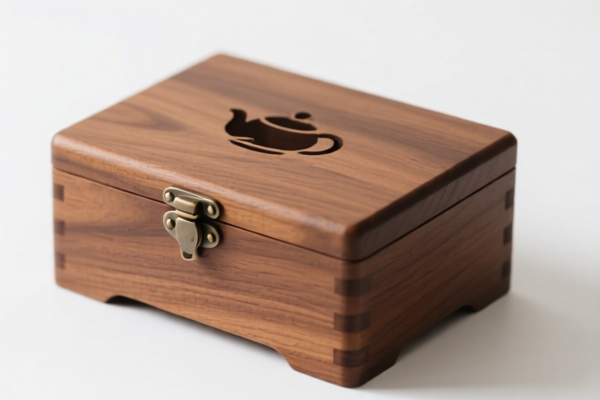

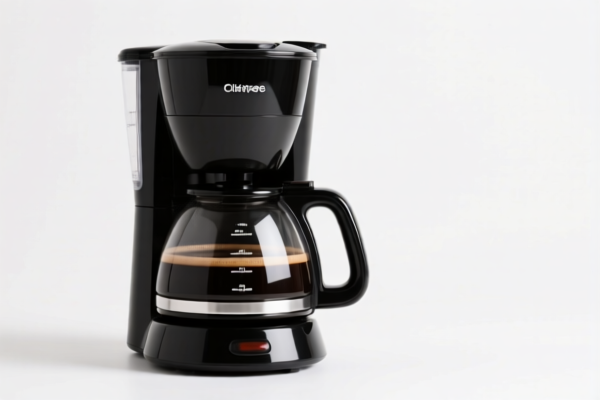
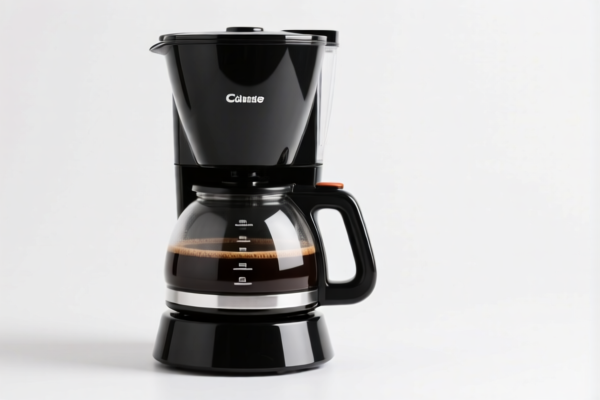
AI Analysis
🌳⚠️ "Wooden Coffee Machine"? A Critical Classification Trap!
🌐 HS Code Reference & Clearance Guide | 2026 Customs Duty Analysis | Avoid Costly Misclassification!
📌 I. Product Definition & The "Wooden" Misconception
The term "Wooden Coffee Machine" is likely a misunderstanding or a marketing term for a coffee machine with wooden decorative panels, handles, or casings.
In reality:
🔩 Functional Core: The machine is an electric appliance designed to heat water, brew coffee, and roast beans. It falls under Chapter 84 (Machinery).
🪵 Wooden Components: The wood is merely a finish or casing (non-functional). It does not reclassify the entire machine as "Woodwork" (Chapter 44).
⚠️ CRITICAL CLARIFICATION:
DO NOT classify a functional coffee machine under Chapter 44 (Wood) simply because it has a wooden exterior.
CORRECT CLASSIFICATION: Must be classified under 8419 (Machinery for the treatment of materials by a process involving a change of temperature, e.g., heating/cooking) or 8438 (Industrial food machinery), depending on its specific function.
THE "WOODEN" PART ONLY: If you are shipping pure wooden coffee table accessories (like a serving tray or a wooden handle) without the machine, then* Chapter 44 applies.
📦 II. HS Code Classification Analysis (Based on Your Data)
Based on the provided data, here are the only relevant codes for a "Coffee Machine" (or parts thereof).
Note: The data explicitly lists NO code for a "Wooden Coffee Machine" in Chapter 44 because the machine itself is not wood.
🔍 Scenario A: The Coffee Machine Itself (Functional Unit)
(The machine has wood trim but is an electric appliance)
| HS Code | Product Description (From Data) | Tax Rate (Total) | Applicable Scenario |
|---|---|---|---|
| 8419.81.90.40 | "Other machinery... For making hot drinks... Of a type used in restaurants, hotels or similar locations" | 7.5% | ✅ Commercial/Restaurant Machines (e.g., high-end espresso machines with wooden casings used in cafes) |
| 8419.81.90.80 | "Other machinery... For making hot drinks... Other Other" | 7.5% | ✅ General/Other Coffee Machines (e.g., office machines, home machines if not domestic-type excluded, or commercial units not fitting "Restaurant" definition) |
Why not Chapter 44?
Even if the casing is 100% wood, the essential character is the heating/processing function (Chapter 84). Customary practice dictates classifying by function, not material of the casing.
🔍 Scenario B: Pure Wooden Accessories (No Machine)
(If you are importing ONLY the wooden parts mentioned in the data)
| HS Code | Product Description (From Data) | Tax Rate (Total) | Applicable Scenario |
|---|---|---|---|
| 4421.99.98.80 | "Other articles of wood: Other... Other" | 28.3% | 🪵 Pure Wooden Coffee Accessories (e.g., a wooden serving tray, a wooden coffee bean hopper without electronics) |
| 4421.91.98.80 | "Other articles of wood: Of bamboo: Other" | 28.3% | 🎋 Bamboo Coffee Accessories (e.g., bamboo coffee stirrers, bamboo stands) |
⚠️ Warning: If you try to classify the entire machine under
4421.99.98.80, US Customs (CBP) will reject it for misclassification, leading to delays, fines, or seizure.
🔍 Scenario C: Machine Parts (Wooden or Metal)
| HS Code | Product Description (From Data) | Tax Rate (Total) | Applicable Scenario |
|---|---|---|---|
| 8438.90.90.90 | "Machinery... for food... Parts: Other Other" | 0.0% | 🛠️ Spare Parts (Includes wooden handles, plastic parts, or metal parts specifically for food machinery, IF they are not "other" wood articles) |
| 8438.80.00.00 | "Machinery... for food... Other machinery" | 25.0% | 🏭 Industrial Food Machinery (Large scale industrial roasters/grinders, potentially with wooden casings) |
💰 III. 2026 Duty Rate Breakdown (Deep Dive)
✅ Applicable Market: United States (US)
✅ Origin: China (CN)
✅ Status: Subject to Section 301 Tariffs (Additional Duties)
🎯 1. Functional Coffee Machine (HS: 8419.81.90.40 / .80)
- Base Duty: 0.0%
- Section 301 Additional Duty: 7.5% (Total: 7.5%)
- Total Tax: 7.5%
- Legal Path:
8419.81.90.40/80→Section 301 (List 3 or 4A) - Strategy: This is the LOWEST risk category for functional coffee machines. The "wood" does not trigger the high "wood articles" tariff.
🎯 2. Pure Wooden Articles (HS: 4421.99.98.80 / .91)
- Base Duty: 3.3%
- Section 301 Additional Duty: 25.0%
- Total Tax: 28.3%
- Legal Path:
4421.99.98.80→Section 301 (List 2 or 3) - Strategy: EXTREMELY HIGH COST. Only apply this if you are shipping bare wood (e.g., raw wooden coffee tables, unfinished parts), not a machine.
🎯 3. Industrial Machinery (HS: 8438.80.00.00)
- Base Duty: 0.0%
- Section 301 Additional Duty: 25.0%
- Total Tax: 25.0%
- Strategy: High duty applies to industrial food machinery. If your "coffee machine" is a large industrial roaster, expect 25%.
🎯 4. Machine Parts (HS: 8438.90.90.90)
- Total Tax: 0.0%
- Strategy: ZERO DUTY! If you are importing replacement parts (even wooden handles or covers) specifically for industrial food machinery, this code is the gold standard for savings.
- Caveat: Must be clearly "parts of machinery" and not "other articles of wood."
🛠️ IV. Clearance Strategy & "Wooden" Trap Avoidance
✅ 1. The "Wooden" Trap
❌ Mistake: Declaring a coffee machine as "Wooden Coffee Table/Art" (
4421...).
Consequence: CBP sees an electric machine, flags it for misclassification, imposes 28.3% duty (on wood) or 25% (on machinery), plus penalties.✅ Correct: Declare as "Coffee Machine" (
8419...). The wood is incidental to the function.
✅ 2. Documentation Requirements
| Document | Purpose | Critical Detail |
|---|---|---|
| Technical Manual | Proves function | Must show heating element, electrical specs, water reservoir. |
| Material Composition | Proves classification | List "Wood: 10% (Casing/Trim)", "Metal/Plastic/Aluminum: 90% (Internal)". |
| Commercial Invoice | Value Declaration | Must state "Coffee Machine, Model XYZ, with Wooden Casing." |
| Photo (Labeled) | Visual Evidence | Show the machine plugged in, with the wooden part clearly visible but secondary. |
✅ 3. Shipping Tips for "Wooden" Components
- If shipping the machine: Use 8419.81.90.40/80. Do NOT mention "Wooden" in the HS description field unless it helps clarify the model.
- If shipping ONLY the wooden parts: Use 4421.99.98.80 but ensure there are NO electronics inside the box.
- Parts: Use 8438.90.90.90 to get 0% duty. Ensure the part description explicitly says "Part for Coffee Machine/Roaster."
🌍 V. Market Comparison & Final Verdict
| Scenario | Recommended HS Code | Total Duty (US) | Risk Level |
|---|---|---|---|
| Functional Coffee Machine (with wood finish) | 8419.81.90.40/80 |
7.5% | 🟢 Low |
| Industrial Roaster (Large) | 8438.80.00.00 |
25.0% | 🟠 Medium |
| Pure Wooden Accessories (No Machine) | 4421.99.98.80 |
28.3% | 🔴 High Cost |
| Spare Parts (Wooden/Metal) | 8438.90.90.90 |
0.0% | 🟢 Best Deal |
💡 Final Advice:
1. Never classify a machine under Chapter 44 just because it looks wooden.
2. If you have spare parts (including wooden handles), ship them separately under 8438.90.90.90 for 0% duty.
3. For the machine, stick to 8419.81.90.40/80 (7.5%) to avoid the 28.3% "wood" penalty.
📌 Pro Tip:
"Function Over Form": In US Customs, the purpose (making coffee) beats the material (wood). Classify as a machine, save 20%+ in duties!
🚀 Ready to Ship?
Ensure your invoice reads: "Commercial Coffee Machine, Model XYZ, Wooden Casing, Electrical, for Hot Beverage Preparation" + HS 8419.81.90.40.
Disclaimer: Customs classifications are subject to inspection. Always consult a licensed customs broker for final verification.
Customer Reviews
About HS Code Classification
The Harmonized System (HS) is an internationally standardized nomenclature developed by the World Customs Organization (WCO) to classify traded products. Over 200 countries use the HS system as the basis for customs tariffs, trade statistics, and import/export regulations.
Each HS code follows a hierarchical structure:
- Chapter (2 digits) — Broad category of goods (e.g., Chapter 84: Machinery and Mechanical Appliances)
- Heading (4 digits) — More specific grouping within the chapter
- Subheading (6 digits) — Internationally standardized breakdown, used by all WCO member countries
- National subdivisions (8-10 digits) — Country-specific extensions for further classification, such as US HTSUS 10-digit codes
Correct HS code classification is essential for smooth customs clearance, accurate duty payment, and compliance with trade regulations. Misclassification can lead to customs delays, overpayment of duties, or penalties.
When importing from CN to US, the applicable tariff rates may include:
- Most-Favored-Nation (MFN) rate — The standard duty rate applied to WTO members
- General rate — Applied to countries without trade agreements
- Trade remedy duties — Additional tariffs such as Section 301 (anti-dumping), Section 232 (national security), or countervailing duties
The information provided on this page is for reference purposes only. For official classification, please consult with your local customs authority or a licensed customs broker.