Wooden Colored Window Acrylic Building Blocks
CN → US| HS Code | Tariff Rate | Origin | Destination | Doc |
|---|---|---|---|---|
| 4421999880 | 38.3% | CN | US | Official Doc |
| 9503000073 | 10.0% | CN | US | Official Doc |
| 9503000071 | 10.0% | CN | US | Official Doc |
Product Images
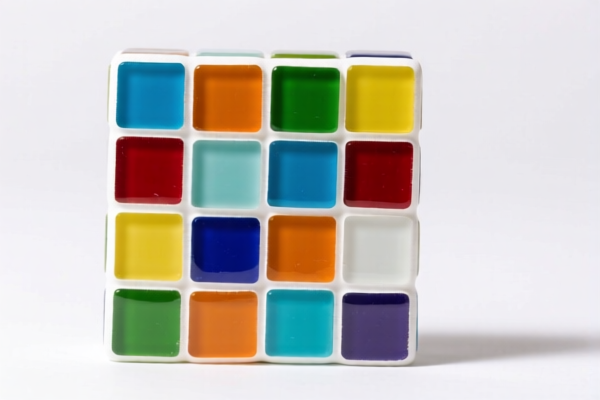
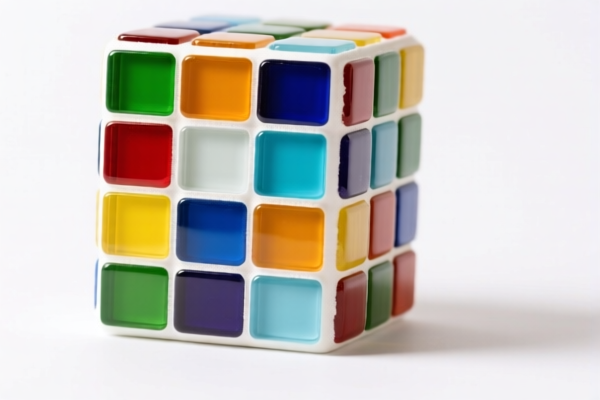
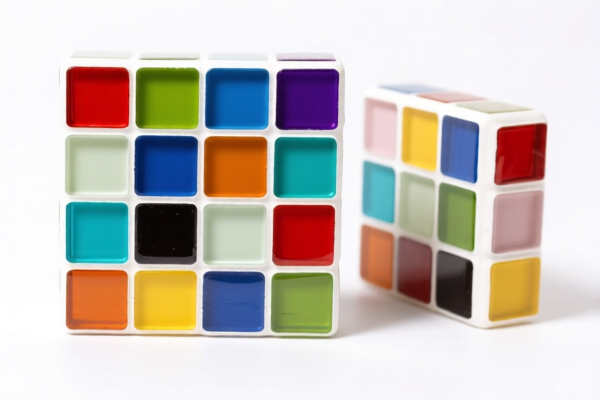
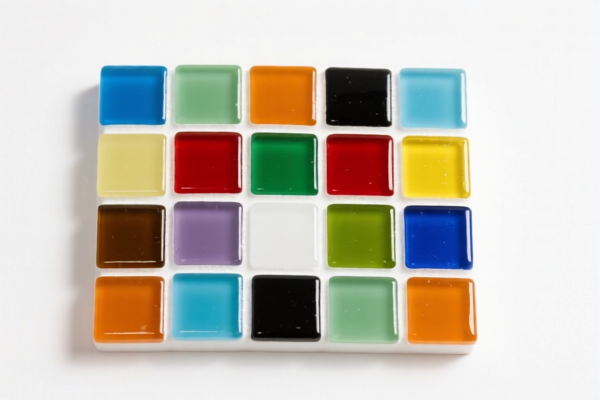
AI Analysis
🧱 Wooden Colored Window Acrylic Building Blocks
🌐 HS Code Reference & Customs Clearance Guide | 2026 Latest Tariff Analysis | Professional Entry Strategy
📌 I. Product Definition & Classification: What Exactly Are These Blocks?
"Wooden Colored Window Acrylic Building Blocks" represent a hybrid educational toy. They combine the tactile warmth and structural integrity of wood with the translucent, light-filtering aesthetic of acrylic (often featuring "window" panes that allow light to pass through).
In international trade, the classification hinges on two main factors: 1. Primary Function: Is it a toy (for play/education) or a decorative/artistic item (for display)? 2. Material Composition: What is the essential character imparting feature?
⚠️ Key Distinction Point:
- If the item is marketed, packaged, and used for play, construction, or educational purposes → It falls under Chapter 95 (Toys).
- If the item is marketed as home decor, wall art, or craft material without a playful intent → It may fall under Chapter 44 (Wood Products).
📦 II. HS Code Classification Details (Based on Provided Data)
| HS Code | Product Description | Application Scenario | Material Characteristic |
|---|---|---|---|
9503.00.00.73 |
Toys: Blocks (Plastic/Composite) | Most Likely. Matches the "Building Blocks" function. The mix of wood and acrylic is treated as a toy material composite. | 🎯 Primary: Toy Function ⚖️ Secondary: Mixed Materials (Wood + Acrylic) |
9503.00.00.71 |
Toys: Puzzles & Educational Games | Alternative Toy Category. If the blocks are specifically designed as a puzzle or learning aid (e.g., teaching colors, light refraction, or geometry). | 🎯 Primary: Educational/Puzzle ⚖️ Secondary: Mixed Materials |
4421.99.98.80 |
Other Wooden Articles | Fallback/Alternative. If the "acrylic" component is minimal and the item is viewed primarily as a wooden craft item or decorative ornament rather than a play toy. | 🎯 Primary: Wooden Material ⚖️ Secondary: Non-toy function (Decor/Craft) |
🔍 Important Reminder:
- The term "Building Blocks" strongly suggests Chapter 95 (Toys).
- The term "Window Acrylic" describes a feature, not the primary function.
- Misclassification Risk: Declaring a toy as a "wooden art piece" (4421...) to avoid toy tariffs is high-risk. Customs will look at marketing, packaging, and intended use. If it’s sold in a toy aisle or labeled "ages 3+", it must be declared as a toy.
💰 III. 2026 Latest Tariff Rate Breakdown (Detailed Tax Clauses)
✅ Applicable Country: United States (US)
✅ Origin: China (CN)
✅ Effective Date: Ongoing (Section 301 & IEEPA tariffs apply)
🎯 1. 9503.00.00.73 —— Toys: Building Blocks (Mixed Material)
| Item | Content |
|---|---|
| Base Tariff | 0.0% |
| Section 301 Surcharge | 0.0% |
| Section 122 Surcharge | +10.0% |
| Total Tax Rate | 10.0% |
| Tax Calculation | CIF Value × 10% |
| De Minimis Eligibility | ❌ No (Subject to Section 122 rules) |
| Legal Basis Path | IEEPA:9903.01.25 → USITC:9503.00.00.73 → FOOTNOTE:122 |
📌 Explanation:
- Base Tariff 0%: Toys generally enjoy low base tariffs.
- Section 301 0%: Not included in the 25% tariff list for toys (unlike electronics or machinery).
- Section 122 10%: This is the critical new burden. All Chinese-origin goods subject to Section 122 of the Trade Act face a 10% surcharge, with very limited exemptions.
- Total Effective Rate: 10%. This is highly competitive compared to many industrial goods.
🎯 2. 9503.00.00.71 —— Toys: Puzzles/Educational
| Item | Content |
|---|---|
| Base Tariff | 0.0% |
| Section 301 Surcharge | 0.0% |
| Section 122 Surcharge | +10.0% |
| Total Tax Rate | 10.0% |
| Tax Calculation | CIF Value × 10% |
| De Minimis Eligibility | ❌ No |
| Legal Basis Path | IEEPA:9903.01.25 → USITC:9503.00.00.71 → FOOTNOTE:122 |
📌 Note:
- Identical tax treatment to9503.00.00.73.
- Use this code if the product is explicitly marketed as a puzzle set or learning kit rather than general building blocks.
🎯 3. 4421.99.98.80 —— Other Wooden Articles (Fallback)
| Item | Content |
|---|---|
| Base Tariff | 3.3% |
| Section 301 Surcharge | +25.0% |
| Section 122 Surcharge | +10.0% |
| Total Tax Rate | 38.3% |
| Tax Calculation | CIF Value × 38.3% |
| De Minimis Eligibility | ❌ No |
| Legal Basis Path | IEEPA:9903.01.25 → USITC:4421.99.98.80 → FOOTNOTE:9903.88.01 (Section 301) + FOOTNOTE:122 |
📌 Warning:
- This rate is significantly higher (38.3%).
- Why would you use this? Only if the product is not considered a toy. For example, if sold as "wooden window frame models" for adult collectors or decor.
- Risk: If Customs determines it’s a toy, they will reclassify it, charge the difference, and potentially apply penalties. Do not use this code for toys to save money.
🛠️ IV. Customs Clearance Practical Advice (Pitfall Avoidance)
✅ 1. Required Documentation Checklist
| Document | Mandatory? | Description |
|---|---|---|
| ✅ Product Specifications | ✔️ | Detailed breakdown: % Wood vs. % Acrylic. Dimensions. Weight. |
| ✅ Product Photos | ✔️ | Show the "window" effect. Show packaging. Show age recommendations. |
| ✅ Commercial Invoice | ✔️ | Clearly state: "Wooden and Acrylic Building Blocks for Children's Play" |
| ✅ Material Declaration | ✔️ | Specify that acrylic is plastic and wood is natural. |
| ✅ Safety Certification | ✔️ | ASTM F963 (US Standard for Toy Safety) is CRITICAL. Without it, shipment will be blocked. |
| ✅ Packaging Photos | ✔️ | Show if it includes a box, bag, or loose bulk. |
✅ 2. Declaration Tips (Key Mantras)
🔥 “Toy Name First, Material Second, Safety Cert Third!”
| Scenario | Correct Declaration | Incorrect Practice |
|---|---|---|
| Standard Building Blocks | 9503.00.00.73 |
Mislabeling as "Wooden Crafts" → 38.3% tax + seizure |
| Puzzle Set | 9503.00.00.71 |
Listing as "Wooden Decor" → 38.3% tax + seizure |
| Decorative Only | 4421.99.98.80 |
Only if NO play intent (e.g., sold in home decor aisle, no age rating) |
| Mixed Box (Toys + Decor) | Split Declaration | Combining toy and non-toy items → Complexity & delays |
📌 Crucial Note on "Section 122":
- The 10% surcharge applies to all Chinese goods, regardless of HS code.
- Therefore, declaring as a toy (10%) vs. wood (38.3%) makes a 28.3% difference.
- Always classify as a toy if it functions as one.
✅ 3. Special Situations
| Situation | Handling Advice |
|---|---|
| Acrylic Fragility | Ensure packaging includes warning labels ("Not a toy for children under 3" if small parts exist). Small parts can trigger CPSIA regulations. |
| Wood Treatment | If wood is painted or varnished, ensure it is non-toxic and compliant with ASTM F963. |
| "Window" Feature | If the acrylic pane is removable, it may be considered a "small part." Adjust age grading accordingly (e.g., +3 years or +6 years). |
| OEM Customization | Provide design files and sample approval letters to prove origin and specification. |
🌍 V. Global Market Comparison (2026 Latest)
| Country/Region | Recommended HS Code | Tariff | Certification Required | Notes |
|---|---|---|---|---|
| 🇺🇸 USA | 9503.00.00.73 |
10% (Total) | ASTM F963, CPSIA | Section 122 10% applies. Avoid 4421 (38.3%). |
| 🇨🇳 China | 9503.00.00.73 |
0-5% | CCC (if applicable) | Low entry barrier. |
| 🇪🇺 EU | 9503.00 |
0-4% | CE, EN71 | No Section 122. Lower complexity. |
| 🇬🇧 UK | 9503.00 |
0-4% | UKCA, EN71 | Post-Brexit rules apply. |
| 🇯🇵 Japan | 9503.00 |
0% | ST Mark | Very low tariffs. |
📌 Conclusion:
- The USA is the most costly market for this product due to Section 122 (10%) and potential Section 301 if misclassified.
- Correct classification as a Toy (9503...) saves 28.3% compared to misclassifying as Wood (4421...).
📌 VI. Common Errors & Pitfalls (Blood & Tears Lessons)
❌ Error 1: Declaring "Wooden Blocks" as "Wooden Crafts" (4421...) to avoid toy regulations.
👉 Consequence: Customs inspects, finds "Building Blocks" on box, reclassifies to 9503...? No, they may penalize for false declaration. Even if they accept 4421..., you pay 38.3% instead of 10%. Loss of profit!
❌ Error 2: Omitting ASTM F963 Certification.
👉 Consequence: Seizure by CBP (Customs and Border Protection). Shipment returned or destroyed.
❌ Error 3: Ignoring Section 122.
👉 Consequence: Underestimating landed cost. You budgeted for 0% tax, but owe 10%. Cash flow crisis!
❌ Error 4: Listing "Acrylic" as "Plastic" without specifying.
👉 Consequence: Ambiguity. Customs may request additional info, causing delay.
✅ Correct Practice:
"Acrylic and Wood Building Blocks, Educational Toy, ASTM F963 Compliant, Model: XY-123"
🎯 VII. Conclusion: Precise Classification, Higher Profits!
🎯 Remember the Mantra:
🔹 "Toy Function = Toy Code (10%)"
🔹 "Decor Function = Wood Code (38.3%)"
🔹 "Misclassification = Penalty + Delay + High Tax!"
📌 Pro Tip:
- If your product has small parts (removable acrylic windows), ensure the age warning is clear.
- Pre-lodgment Review: Submit specs to your customs broker for a Pre-Ruling if the product is unique.
- Cost-Benefit Analysis: The 28.3% tax difference is huge. Never guess the HS Code.
📣 Immediate Action:
📞 Contact Your Customs Broker: Provide photos, material list, and intended use.
🚀 Apply for ASTM F963 Certification: Do not ship without it.
💼 Calculate Landed Cost: Include the 10% Section 122 surcharge in your pricing model.
✨ Professional Customs Clearance Starts with Accurate Classification!
💼 Every percent of tax saved is pure profit!
Customer Reviews
About HS Code Classification
The Harmonized System (HS) is an internationally standardized nomenclature developed by the World Customs Organization (WCO) to classify traded products. Over 200 countries use the HS system as the basis for customs tariffs, trade statistics, and import/export regulations.
Each HS code follows a hierarchical structure:
- Chapter (2 digits) — Broad category of goods (e.g., Chapter 84: Machinery and Mechanical Appliances)
- Heading (4 digits) — More specific grouping within the chapter
- Subheading (6 digits) — Internationally standardized breakdown, used by all WCO member countries
- National subdivisions (8-10 digits) — Country-specific extensions for further classification, such as US HTSUS 10-digit codes
Correct HS code classification is essential for smooth customs clearance, accurate duty payment, and compliance with trade regulations. Misclassification can lead to customs delays, overpayment of duties, or penalties.
When importing from CN to US, the applicable tariff rates may include:
- Most-Favored-Nation (MFN) rate — The standard duty rate applied to WTO members
- General rate — Applied to countries without trade agreements
- Trade remedy duties — Additional tariffs such as Section 301 (anti-dumping), Section 232 (national security), or countervailing duties
The information provided on this page is for reference purposes only. For official classification, please consult with your local customs authority or a licensed customs broker.