Wooden Compressed Pellets
CN → US| HS Code | Tariff Rate | Origin | Destination | Doc |
|---|---|---|---|---|
| 4401310000 | 35.0% | CN | US | Official Doc |
| 4401394210 | 35.0% | CN | US | Official Doc |
Product Images
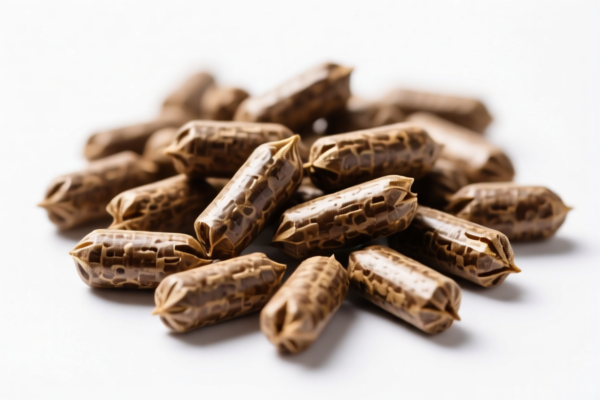
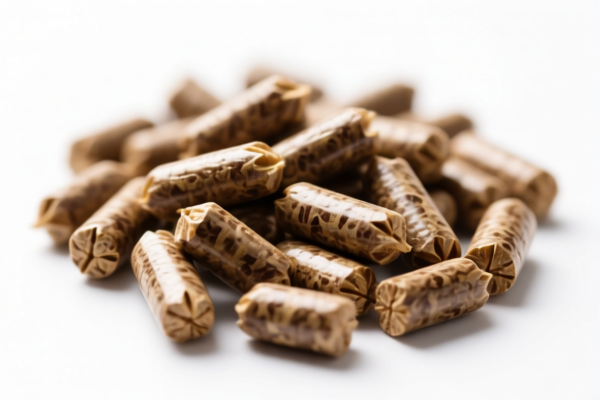
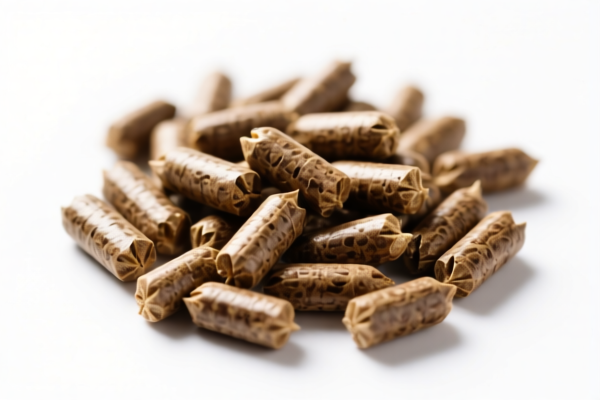
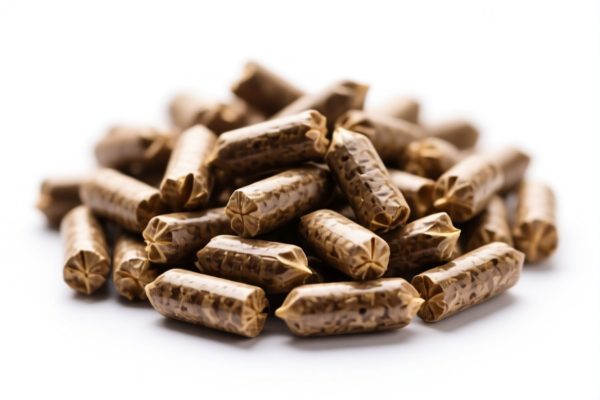
AI Analysis
🔥 Wood Pellets (Compressed Fuel Wood)
🌐 HS Code Reference & Customs Clearance Guide | 2026 Latest Tariff Analysis | Professional Logistics Strategy
📌 I. Product Definition & Classification: What Exactly Are "Wooden Compressed Pellets"?
Wooden compressed pellets, also known as wood pellets, are a standardized form of biomass fuel. They are produced by compressing sawdust, wood waste, or fine wood chips without adding any binders. In international trade, these products fall under the broader category of Fuel Wood, specifically distinguished by their physical form (agglomerated into small cylinders).
The key distinction in classification lies between: 1. Standard Wood Pellets: Strictly cylindrical, uniform size, typically used for residential heating, industrial boilers, or power generation. 2. Other Agglomerated Sawdust/Waste: Non-standard shapes, briquettes, or irregular forms of compressed wood waste.
⚠️ Critical Distinction Point:
- If the product is strictly cylindrical pellets made from wood waste/sawdust →归入 4401.31.00.00
- If the product is other forms (briquettes, irregular logs, non-pellet agglomerates) →归入 4401.39.42.10
📦 II. HS Code Classification Details (2026 Latest Tariff Authority Comparison)
| HS Code | Product Description | Applicable Scenario | Form Factor |
|---|---|---|---|
4401.31.00.00 |
Wood Pellets | Standard cylindrical fuel pellets, residential/commercial heating | ✅ Cylindrical Pellets |
4401.39.42.10 |
Other Sawdust (Agglomerated) | Briquettes, irregular logs, non-pellet agglomerates of sawdust/waste | ❌ Other Forms |
🔍 Key Reminder:
- All standard cylindrical wood pellets must be classified under 4401.31.00.00. Do not misclassify them as "other sawdust"; the tariff rates may differ depending on the country, but the description is specific. - If the pellets contain additives or are mixed with non-wood materials, they may move to different chapters, but pure wood pellets remain in Chapter 44.
💰 III. 2026 Latest Tariff Rate Details (Including Additional Taxes & Policy Surcharges)
✅ Applicable Country: United States (US)
✅ Country of Origin: China (CN)
✅ Effective Date: 2025 onwards (including subsequent imports)
🎯 1. 4401.31.00.00 —— Wood Pellets
| Item | Content |
|---|---|
| Base Tariff Rate | 0.0% (ad valorem) |
| Additional Tariff (Section 301) | +25.0% |
| Total Tax Rate | 25.0% |
| Tax Calculation | CIF Value × 25% |
| De Minimis Eligibility | ❌ Not Eligible (Deny De Minimis) |
| Legal Basis Path | USITC:4401.31.00.00 → FOOTNOTE:301 |
📌 Explanation:
- Although the base MFN (Most Favored Nation) tariff for wood pellets is 0%, these products are subject to a 25% additional tariff under Section 301 of the Trade Act, targeting Chinese-origin goods. - Total landed cost impact: The importer must pay 25% of the CIF value as duty. - No exemptions: Unlike some consumer electronics or textiles, wood pellets do not typically qualify for de minimis (Section 321) exemptions for commercial shipments.
🎯 2. 4401.39.42.10 —— Other Sawdust (Agglomerated)
| Item | Content |
|---|---|
| Base Tariff Rate | 0.0% (ad valorem) |
| Additional Tariff (Section 301) | +25.0% |
| Total Tax Rate | 25.0% |
| Tax Calculation | CIF Value × 25% |
| De Minimis Eligibility | ❌ Not Eligible |
| Legal Basis Path | USITC:4401.39.42.10 → FOOTNOTE:301 |
📌 Note:
- Even if classified as "Other" agglomerated sawdust, the tariff rate remains 25% for Chinese-origin goods. - Misclassification here does not provide a tax advantage. Ensure accurate description to avoid penalties for incorrect declaration.
🛠️ IV. Customs Clearance Practical Advice (Real-World Pitfall Avoidance)
✅ 1. Preparation Checklist (Required Documents)
| Document | Mandatory | Explanation |
|---|---|---|
| ✅ Product Specification Sheet | ✔️ | Must specify: Material (100% wood), Form (Pellets/Briquettes), Density, Moisture Content, Ash Content. |
| ✅ Commercial Invoice | ✔️ | Clearly state "Wood Pellets" or "Compressed Wood Waste." Avoid vague terms like "Fuel." |
| ✅ Packing List | ✔️ | Detail net/gross weight, number of bags/pallets. |
| ✅ Certificate of Origin (CO) | ✔️ | Essential to prove origin. If not China, may qualify for lower rates. |
| ✅ Quality Inspection Report | ✔️ | ISO 9001, ENplus, or PELLET Fuels International certification preferred by US importers. |
| ✅ Phytosanitary Certificate | ✔️ | Crucial! Required by USDA APHIS to ensure no pests/bugs. |
✅ 2. Declaration Tips (Key Mantras)
🔥 "Form Dictates Code, Origin Dictates Tax, Pests Dictate Delay!"
| Situation | Correct Declaration | Wrong Practice |
|---|---|---|
| Standard Cylindrical Pellets | 4401.31.00.00 - "Wood Pellets" |
Calling it "Sawdust" or "Fuel" → Risk of misclassification |
| Briquettes/Rectangular Blocks | 4401.39.42.10 - "Other Agglomerated" |
Calling it "Pellets" → Incorrect HS Code |
| Mixed with Coal/Plastic | Different HS Code (e.g., 2710) | Claiming 100% wood → Fraud/Penalties |
| Low Volume Sample (Under $800) | Still Subject to Duty | Assuming De Minimis exemption → Seizure |
✅ 3. Special Cases & Handling
| Situation | Handling Advice |
|---|---|
| High Moisture Content | Ensure moisture < 10-12% to prevent mold and rejection by USDA. |
| Foreign Material Contamination | Clean raw material is key. Dust and sand can lead to rejection or heavy fines. |
| Phytosanitary Issues | If pests are detected, the shipment may be treated (fumigated) or destroyed at the importer's expense. |
| Origin Labeling | Must clearly mark "Made in China" on packaging to ensure accurate tariff application. |
🌍 V. Global Market Comparison (2026 Latest)
| Country/Region | Recommended HS Code | Tariff (China Origin) | Certification | Notes |
|---|---|---|---|---|
| 🇺🇸 USA | 4401.31.00.00 |
25% | USDA Phytosanitary, ENplus | High demand, strict quality control |
| 🇪🇺 EU | 4401.31.00.00 |
0% | ENplus, ISO 17225 | No additional duties, focus on sustainability |
| 🇬🇧 UK | 4401.31.00.00 |
0% | UK ETS | Post-Brexit, aligned with EU standards |
| 🇨🇳 China | 4401.31.00.00 |
0% | GB/T 30364 | Domestic production, export-focused |
| 🇯🇵 Japan | 4401.31.00.00 |
0% | JAS | High quality standards for ash content |
📌 Conclusion:
- USA is the only major market among these with a significant additional tariff (25%) for Chinese wood pellets. - EU/UK/Japan offer 0% duty, making them more competitive for European-origin or non-Chinese sourced pellets. - US Importers face high costs; pricing must reflect the 25% duty.
📌 VI. Common Mistakes & Pitfall Guide (Blood Lessons)
❌ Mistake 1: Declaring "Wood Pellets" as "Sawdust" to avoid "Pellet" scrutiny
👉 Consequence: Incorrect classification, potential fines, or customs hold for inspection.
❌ Mistake 2: Ignoring Phytosanitary Requirements
👉 Consequence: Shipment rejected or destroyed by USDA. Phytosanitary certificate is non-negotiable.
❌ Mistake 3: Assuming De Minimis ($800) Exemption Applies
👉 Consequence: Incorrect. Section 321 de minimis does not apply to goods subject to Section 301 tariffs (like wood pellets from China). Expect full duty payment.
❌ Mistake 4: Vague Description ("Wood Fuel")
👉 Consequence: Customs may downgrade classification or request additional proof of origin, causing delays.
✅ Correct Practice:
"Wood Pellets, 100% Softwood, Cylindrical, 6mm Diameter, 8mm Length, Moisture Content <10%, Ash Content <1%, ENplus A1 Certified, Made in China"
🎯 VII. Conclusion: Professional Declaration, Cost Efficiency, Smooth Clearance!
🎯 Remember the Mantra:
🔹 "Pellets are 4401.31, Other is 4401.39. Origin China means 25% Tax in USA!"
🔹 "Phytosanitary Certificate is Key, No Certificate, No Entry!"
📌 Pro Tip:
- If sourcing from Eastern Europe, Canada, or Russia, tariffs in the US may be lower or different (check specific trade agreements).
- For US imports, pre-arrange with a licensed customs broker to ensure Section 301 exclusions (if any apply) are correctly claimed.
- Ensure packaging is palletized and wrapped to prevent moisture ingress during sea freight.
📣 Immediate Action:
📞 Engage a licensed customs broker + Obtain Phytosanitary Certificate + Verify ENplus/ISO Certification
🚀 Ensure your wood pellets pass US customs, avoid delays, and maximize profit!
✨ Professional Customs Clearance Starts with Accurate Classification!
💼 Every Dollar of Duty Matters in Biomass Trade!
Customer Reviews
About HS Code Classification
The Harmonized System (HS) is an internationally standardized nomenclature developed by the World Customs Organization (WCO) to classify traded products. Over 200 countries use the HS system as the basis for customs tariffs, trade statistics, and import/export regulations.
Each HS code follows a hierarchical structure:
- Chapter (2 digits) — Broad category of goods (e.g., Chapter 84: Machinery and Mechanical Appliances)
- Heading (4 digits) — More specific grouping within the chapter
- Subheading (6 digits) — Internationally standardized breakdown, used by all WCO member countries
- National subdivisions (8-10 digits) — Country-specific extensions for further classification, such as US HTSUS 10-digit codes
Correct HS code classification is essential for smooth customs clearance, accurate duty payment, and compliance with trade regulations. Misclassification can lead to customs delays, overpayment of duties, or penalties.
When importing from CN to US, the applicable tariff rates may include:
- Most-Favored-Nation (MFN) rate — The standard duty rate applied to WTO members
- General rate — Applied to countries without trade agreements
- Trade remedy duties — Additional tariffs such as Section 301 (anti-dumping), Section 232 (national security), or countervailing duties
The information provided on this page is for reference purposes only. For official classification, please consult with your local customs authority or a licensed customs broker.