Wooden Office Furniture
CN → US| HS Code | Tariff Rate | Origin | Destination | Doc |
|---|---|---|---|---|
| 9403308001 | 35.0% | CN | US | Official Doc |
| 4403260164 | 35.0% | CN | US | Official Doc |
| 4409299100 | 35.0% | CN | US | Official Doc |
| 4403210130 | 35.0% | CN | US | Official Doc |
| 4407110053 | 35.0% | CN | US | Official Doc |
Product Images
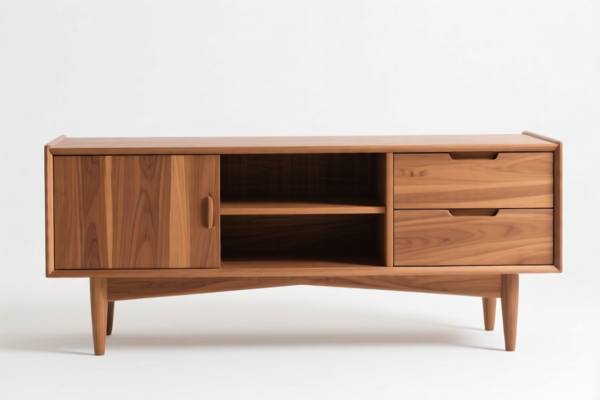
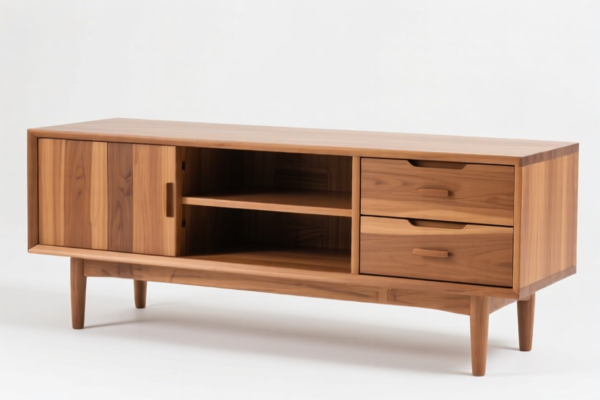
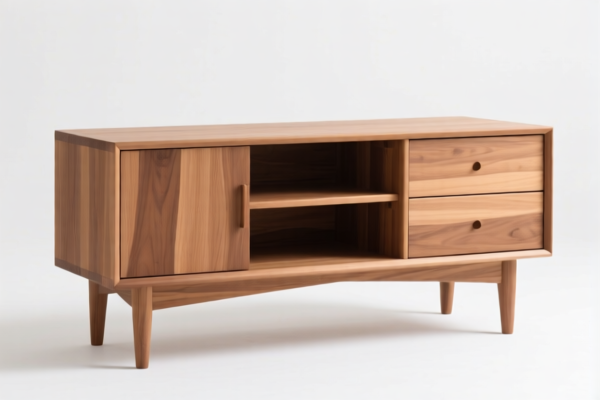
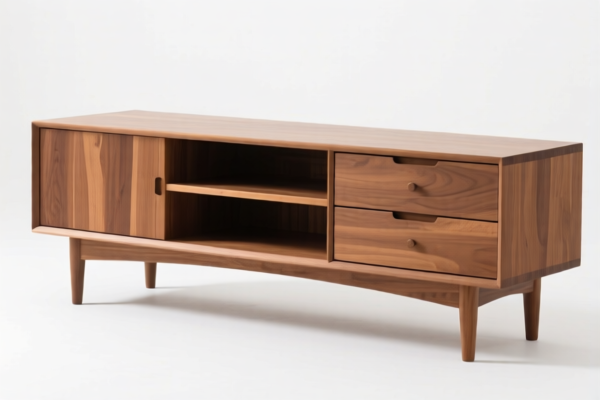
AI Analysis
🪑 Wooden Office Furniture (Solid Wood)
🌐 HS Code Reference & Customs Clearance Guide | 2026 Latest Tariff Analysis | Professional Clearance Strategy
📌 I. Product Definition & Classification: Understanding "Solid Wood Furniture"
Wooden Office Furniture generally refers to functional furniture made primarily from solid timber, used in corporate environments (desks, chairs, cabinets, shelves). In international trade, the key distinction lies in the processing level: * Raw/Primary Wood Products: Logs, sawn timber, wood in the rough. (Chapter 44, Sections 4403–4407). * Finished Furniture Items: Fully assembled or semi-assembled items with specific functions (seating, storage, writing surfaces). (Chapter 94, Section 9403).
⚠️ Critical Distinction Point:
- If the item is raw timber, logs, or basic sawn planks (no specific furniture shape/function) → Classified under HS 44xx (Wood & Articles of Wood).
- If the item is finished furniture (desks, chairs, cabinets) made of solid wood → Classified under HS 9403.30 (Metal Furniture is 9403.10, Wood is 9403.30, Plastic is 9403.40, etc.).
Note: The data provided specifically highlights "Solid Wood Furniture" matched to HS 9403.30.80.01 and "Solid Wood Timber/Materials" matched to HS 4403/4409/4407. Below is the detailed breakdown based on the provided data.
📦 II. HS Code Classification Details (Based on Provided Data)
| HS Code | Product Description | Application Scenario | Processing Level |
|---|---|---|---|
9403.30.80.01 |
Solid Wood Furniture | Finished office desks, chairs, cabinets, shelves | ✅ Finished Furniture |
4403.26.01.64 |
Solid Wood Timber (Non-Pine Conifer) | Raw logs or rough-sawn timber, non-pine species | ❌ Raw Material |
4409.29.91.00 |
Solid Wood Timber (Non-Pine) | Profiled wood (e.g., tongued, grooved) for flooring/molding | ❌ Semi-Processed |
4403.21.01.30 |
Solid Wood Timber (Pine/Conifer) | Logs or rough-sawn timber, pine/conifer species | ❌ Raw Material |
4407.11.00.53 |
Solid Wood Timber (Pine Sawn) | Sawed wood, planed, tongued, etc., pine/conifer | ❌ Semi-Processed |
🔍 Key Insight:
- Finished Furniture falls under 9403.30.80.01. This is the most common code for "Wooden Office Furniture" if it is a complete desk or chair. - If you are importing raw wood materials intended for furniture manufacturing, use the 44xx codes. - The provided data applies the same tax structure to all items, indicating a uniform tariff policy for these solid wood categories.
💰 III. 2026 Latest Tariff Rate Breakdown (Including Additional Duties)
✅ Applicable Country: United States (US)
✅ Origin: China (CN)
✅ Effective Date: 2025+ (Post-Trade War Era)
All items in the provided data share the same tax structure:
🎯 1. General Tax Structure for Solid Wood Items
| Item | Detail |
|---|---|
| Base Tariff Rate | 0.0% |
| Additional Tariff (Section 301) | +25.0% |
| 122 Clause Tariff | +10.0% |
| Total Effective Tax Rate | 35.0% |
| Tax Calculation | CIF Value × 35% |
| De Minimis Exemption | ❌ Not Applicable (High risk of seizure below $800 if not properly declared) |
📌 Explanation:
- "Base Tariff: 0.0%": Most wood furniture and raw timber have a low or zero MFN (Most Favored Nation) duty. - "Additional Tariff: 25.0%": This is the standard Section 301 duty imposed on Chinese goods. - "122 Clause Tariff: 10%": This likely refers to specific administrative or anti-dumping/countervailing duties under specific clause 122 (often related to certain wood products or specific trade remedies). - Total: 35%: This is a very high tariff. Importers must factor this into their landed cost calculations.
🛠️ IV. Customs Clearance Practical Advice
✅ 1. Preparation Checklist (Mandatory)
| Document | Required | Notes |
|---|---|---|
| Product Description | ✔️ | Must specify "Solid Wood" and "Office Furniture" or "Timber". Avoid vague terms like "Wooden Items". |
| Material Composition | ✔️ | Specify type of wood (Pine, Oak, Mahogany, etc.) for 44xx codes. |
| Processing Level | ✔️ | Clearly state if it's "Finished Furniture" (9403) or "Raw/Sawn Timber" (44xx). |
| Commercial Invoice | ✔️ | Must list CIF value clearly. |
| Packing List | ✔️ | Detail weight, dimensions, and number of packages. |
| Fumigation Certificate | ✔️ | Critical for Wood Products. ISPM 15 compliant stamp is required for raw wood or wooden packaging to prevent pest entry. |
| Phytosanitary Certificate | ✔️ | Often required for raw timber (44xx codes). |
✅ 2. Classification Strategy (Key Tips)
🔥 "Finished vs. Raw: Know the Difference!"
| Scenario | Correct HS Code | Risk if Misclassified |
|---|---|---|
| Complete Desk/Chair | 9403.30.80.01 |
Misclassifying as timber (44xx) may lead to under-declaration of duties or customs rejection due to functional mismatch. |
| Raw Logs/Sawn Planks | 4403.21.01.30 / 4407.11.00.53 |
Misclassifying as furniture may lead to delays if fumigation certs are missing. |
| Profiled Wood (Molding/Flooring) | 4409.29.91.00 |
Ensure shape matches description (tongued/grooved). |
✅ 3. Special Considerations for Wood Products
| Issue | Solution |
|---|---|
| ISPM 15 Compliance | All solid wood packaging and raw wood materials must have a visible ISPM 15 stamp. Without it, goods will be rejected or re-exported. |
| Fumigation | Required for raw wood (logs, planks) to eliminate pests. Provide certificate from origin country. |
| Valuation | With a 35% tax, under-invoicing is risky. Customs may audit and impose penalties. Declare accurate CIF value. |
| Labeling | Must include country of origin ("Made in China") on the product and packaging. |
🌍 V. Global Market Comparison (2026 Update)
| Country | HS Code | Base Duty | Additional Duty | Total Tax | Notes |
|---|---|---|---|---|---|
| 🇺🇸 USA | 9403.30.80.01 |
0% | 35% (25% + 10%) | 35% | High tariffs apply. ISPM 15 mandatory. |
| 🇨🇳 China | 9403.30 |
Varies | None | ~5-10% | Lower import duties. |
| 🇪🇺 EU | 9403.30 |
0% | None | 0% | No additional duties. CE marking not required for furniture, but REACH for chemicals. |
| 🇬🇧 UK | 9403.30 |
0% | None | 0% | Post-Brexit, generally low tariffs on wood furniture. |
| 🇯🇵 Japan | 9403.30 |
0-5% | None | 0-5% | Low tariffs. Phytosanitary certificate required. |
📌 Conclusion:
- The USA is the most challenging market due to the 35% effective tariff.
- EU and Japan offer more favorable tariff rates (0-5%), but require strict phytosanitary and fumigation compliance.
- For US imports, consider supply chain diversification (e.g., sourcing from Vietnam or Malaysia) to potentially avoid Section 301 duties, if applicable.
📌 VI. Common Mistakes & Pitfalls (Lessons Learned)
❌ Mistake 1: Importing raw wood without ISPM 15 stamp
👉 Consequence: Goods rejected at port, stored at high cost, or destroyed.
❌ Mistake 2: Misclassifying finished furniture as "parts" or "raw material"
👉 Consequence: Customs may reclassify, leading to penalties and delayed clearance.
❌ Mistake 3: Ignoring the 122 Clause Tariff
👉 Consequence: Underestimating landed cost by 10%, impacting profitability.
❌ Mistake 4: Incomplete commercial invoice (missing weight, value, or material details)
👉 Consequence: Customs queries, delays, and potential audits.
✅ Correct Approach:
"Solid Wood Office Desk, Finished, Pine Wood, ISPM 15 Certified, CIF Value $10,000, HS Code 9403.30.80.01"
🎯 VII. Conclusion: Professional Clearance, Cost Efficiency
🎯 Key Takeaway:
🔹 "Wooden Furniture: 35% Tax in the US. ISPM 15 is Mandatory."
🔹 "Know your HS Code: Finished Furniture (9403) vs. Raw Timber (44xx)."
📌 Pro Tip:
- If importing large volumes, consider Advance Ruling from CBP (US Customs) to confirm HS code classification.
- For raw wood, ensure fumigation certificates are issued by an accredited agency in the country of origin.
📣 Immediate Action:
📞 Engage a licensed customs broker.
📄 Prepare ISPM 15 certificates and phytosanitary documents.
📊 Calculate landed cost with 35% tax included.
✨ Professional Clearance Starts with Accurate Classification!
💼 Every Penny Saved in Tariff Compliance is Pure Profit!
Customer Reviews
About HS Code Classification
The Harmonized System (HS) is an internationally standardized nomenclature developed by the World Customs Organization (WCO) to classify traded products. Over 200 countries use the HS system as the basis for customs tariffs, trade statistics, and import/export regulations.
Each HS code follows a hierarchical structure:
- Chapter (2 digits) — Broad category of goods (e.g., Chapter 84: Machinery and Mechanical Appliances)
- Heading (4 digits) — More specific grouping within the chapter
- Subheading (6 digits) — Internationally standardized breakdown, used by all WCO member countries
- National subdivisions (8-10 digits) — Country-specific extensions for further classification, such as US HTSUS 10-digit codes
Correct HS code classification is essential for smooth customs clearance, accurate duty payment, and compliance with trade regulations. Misclassification can lead to customs delays, overpayment of duties, or penalties.
When importing from CN to US, the applicable tariff rates may include:
- Most-Favored-Nation (MFN) rate — The standard duty rate applied to WTO members
- General rate — Applied to countries without trade agreements
- Trade remedy duties — Additional tariffs such as Section 301 (anti-dumping), Section 232 (national security), or countervailing duties
The information provided on this page is for reference purposes only. For official classification, please consult with your local customs authority or a licensed customs broker.