Wooden Pet Fence
CN → US| HS Code | Tariff Rate | Origin | Destination | Doc |
|---|---|---|---|---|
| 4421997020 | 35.0% | CN | US | Official Doc |
| 4421917020 | 35.0% | CN | US | Official Doc |
| 4421999870 | 38.3% | CN | US | Official Doc |
| 7326908688 | 87.9% | CN | US | Official Doc |
| 7326908635 | 87.9% | CN | US | Official Doc |
Product Images
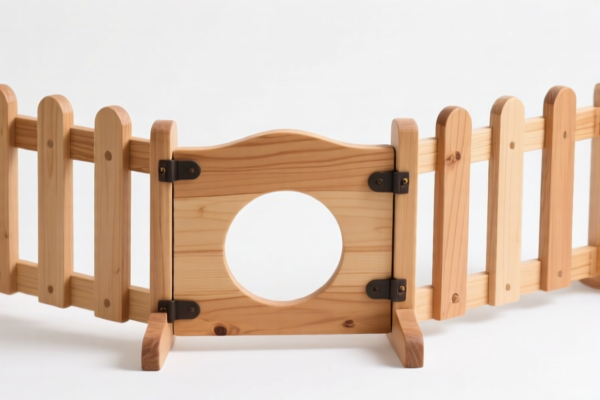
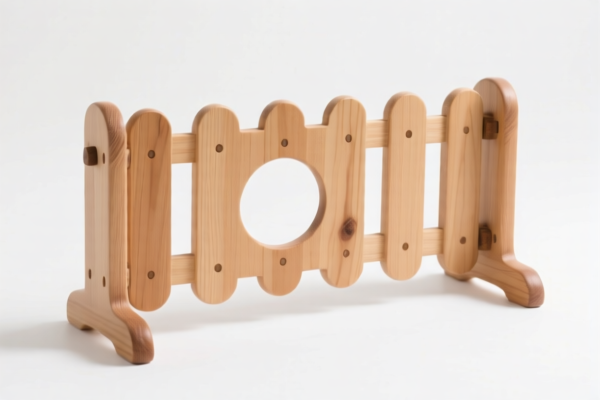
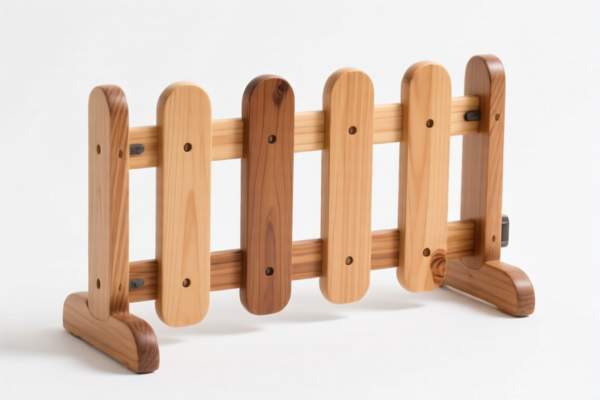
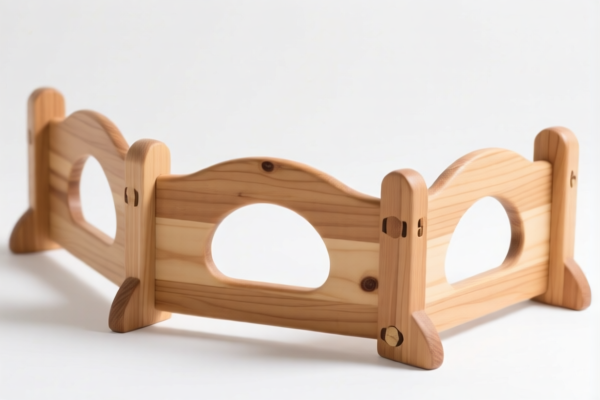
AI Analysis
🏡 Wooden Pet Fence (Pet Enclosures & Barriers)
🌐 HS Code Reference & Customs Clearance Guide | 2026 Latest Tariff Analysis | Professional Entry Strategy
📌 I. Product Definition & Classification: Do You Really Understand "Pet Fences"?
A Wooden Pet Fence is a structural enclosure used to contain or restrict the movement of pets (dogs, cats, small animals) within a home, garden, or outdoor space. In international trade, the classification depends heavily on material composition and specific structural components. While the common name suggests "wood," fences are often hybrids (wood + metal) or fully metallic.
Key Classification Drivers:
1. Primary Material: Is it predominantly wood (Chapter 44) or metal (Chapter 73)?
2. Component Type: Is it a finished "pet fence" (ready-to-use), a specific "gate/door" component, or a generic "fence post/column"?
3. End-Use: Specific animal containment vs. general boundary fencing.
⚠️ Critical Distinction:
- If the fence is predominantly wood, it falls under Chapter 44 (Wood). - If the fence is metal (steel/iron), it falls under Chapter 73 (Iron/Steel). - Mixed Material Items: Customs usually classifies based on the material giving the item its essential character. For sturdy pet pens, this is often debated. However, the data below provides specific pathways for pure wood and pure metal variants as identified in current tariff databases.
📦 II. HS Code Classification Matrix (2026 Latest Tariff Alignment)
Based on the provided data, here are the four specific HS Codes for Wooden/Metal Pet Fences, their descriptions, and tax implications.
| HS Code | Product Description | Key Attributes & Summary | Estimated Total Tax Rate |
|---|---|---|---|
| 4421.99.70.20 | Wooden Pet Fence | • Material: Wood (Inferred) • Use: Enclosure/Barrier • Logic: Fits "Other wooden articles" under 4421. |
35.0% |
| 4421.91.70.20 | Wooden Fence Parts | • Material: Wood or Bamboo • Use: Fence sections/panels • Logic: Specific subheading for wooden fence parts; no material conflict. |
35.0% |
| 4421.99.98.70 | Small Animal Fence/Gate | • Material: Wood • Use: Small animal enclosure/gate • Logic: Generic wooden article for small animals. |
38.3% |
| 7326.90.86.88 | Metal Pet Fence (Steel/Iron) | • Material: Steel or Iron • Use: Other metal articles • Logic: "Catch-all" category for metal fences not elsewhere specified. |
87.9% |
| 7326.90.86.35 | Metal Fence Columns/Posts | • Material: Steel/Iron • Use: Fence posts/columns • Logic: Specifically targets structural metal fence components. |
87.9% |
🔍 Observation:
- Wooden variants are significantly cheaper to import, with total tax rates between 35% – 38.3%.
- Metal variants face much higher duties, totaling 87.9%, due to higher base tariffs and specific metal product surcharges.
💰 III. 2026 Tariff Rate Breakdown (US Market Specific)
✅ Destination Country: United States (US)
✅ Origin Country: China (CN)
✅ Applicable Regimes: Section 301 Tariffs, IEEPA 122 Clauses
🎯 1. Wooden Fences (HS Codes: 4421.99.70.20, 4421.91.70.20, 4421.99.98.70)
These items benefit from a 0% Base Duty but are heavily impacted by US trade policies.
| Tariff Component | Rate | Legal Basis / Note |
|---|---|---|
| Basic Duty (MFN) | 0.0% | Most Fenced Wooden Articles (4421) enjoy zero base duty under MFN. |
| Section 301 Surcharge | +25.0% | Apply to all Chinese goods in subheadings 4421 (except specific exclusions). |
| IEEPA Clause 122 | +10.0% | Specific additional tariff for certain Chinese imports (Effective from recent updates). |
| TOTAL EFFECTIVE RATE | 35.0% | For 4421.99.70.20 and 4421.91.70.20 |
| TOTAL EFFECTIVE RATE | 38.3% | For 4421.99.98.70 (Includes 3.3% Basic Duty + 25% + 10%) |
📌 Analysis for Wood:
- The 35% rate is standard for most wooden pet enclosures.
- The 38.3% rate for4421.99.98.70includes a 3.3% base duty, likely because it is classified under a more generic "Other" subcategory that doesn't enjoy the 0% rate of specific fence parts.
- Strategy: Aim for4421.99.70.20or4421.91.70.20if possible, as they share the lower 35% effective rate.
🎯 2. Metal Fences (HS Codes: 7326.90.86.88, 7326.90.86.35)
Metal fences are penalized more heavily due to steel/aluminum specific provisions.
| Tariff Component | Rate | Legal Basis / Note |
|---|---|---|
| Basic Duty (MFN) | 2.9% | Base duty for other articles of iron/steel. |
| Section 301 Surcharge | +25.0% | Standard 301 tariff on steel products. |
| IEEPA Clause 122 | +10.0% | Additional 122 tariff. |
| Steel/Al/Cu Surcharge | +50.0% | CRITICAL: Additional tariff on Steel/Aluminum/Copper products from China. |
| TOTAL EFFECTIVE RATE | 87.9% | 2.9% + 25% + 10% + 50% = 87.9% |
📌 Analysis for Metal:
- The 50% steel surcharge is the main driver of cost here.
- Warning: This is nearly 90% of the value. Importing metal pet fences from China to the US is extremely costly.
- Logic: Even if marketed as "Wooden," if structural components are significant steel, Customs may switch this classification to Chapter 73.
🛠️ IV. Customs Clearance Practical Advice
✅ 1. Documentation Checklist
| Document | Requirement | Reason |
|---|---|---|
| Commercial Invoice | Must clearly state "Wooden Pet Fence" or "Metal Pet Fence." Avoid vague terms like "Animal Cage." | Helps Customs officer identify the correct Chapter (44 vs. 73). |
| Product Specifications | Detail material composition: % Wood, % Metal. | Determines "Essential Character." |
| Material Declaration | Explicitly state: "Made of Pine Wood," "Treated with Non-Toxic Coating," etc. | Prevents misclassification as plastic or metal. |
| Photos | Clear images of joints, material texture, and labels. | Proves wooden vs. metal construction. |
| ISPM 15 Certificate | Mandatory for wooden packaging and often for solid wood products. | US Customs strictly enforces phytosanitary rules for wood. |
✅ 2. Classification Strategy & Pitfalls
🔥 Rule of Thumb: "Material Determines Destiny; Packaging Determines Phytosanitary."
| Scenario | Correct HS Code | Risk if Incorrect |
|---|---|---|
| Solid Wood Fence | 4421.99.70.20 |
Misclassifying as metal (7326...) → 87.9% Tax (Overpayment). Misclassifying as plastic → Penalty (Misdeclaration). |
| Wood + Metal Hybrid | Depends on essential character. If metal frame supports wood slats, it might go to 7326. | If deemed "Essentially Wood," tax is 35%. If "Essentially Metal," tax is 87.9%. Dispute Risk High. |
| Packaging | Wooden crates/pallets | Must have ISPM 15 Stamp. Without it, shipment may be quarantined or destroyed. |
✅ 3. Cost-Saving Tips
- Prefer Wooden Designs: If your product line allows, design fences using wood instead of metal. The tax difference is ~53 percentage points (87.9% vs 35%).
- Specify "Parts" if Applicable: If selling disassembled fence panels, ensure they are classified under
4421.91.70.20(Fence Parts) rather than the generic4421.99.98.70to potentially secure the 35% rate instead of 38.3%. - Avoid Steel Components: If using metal for stability, use minimal amounts or ensure the product is marketed and constructed as "Wooden with Metal Hardware" (where hardware is incidental) to stay in Chapter 44.
🌍 V. Global Market Comparison (2026)
| Region | Recommended HS Code (Wood) | Base Tariff | US Section 301 + IEEPA | Total Estimated Tax |
|---|---|---|---|---|
| 🇺🇸 USA | 4421.99.70.20 |
0% | +35% (25% + 10%) | 35% |
| 🇨🇳 China | 4421.99.99.90 |
~20% | None | ~20% |
| 🇪🇺 EU | 4421.99.10 |
~6.5% | None | ~6.5% |
| 🇬🇧 UK | 4421.99.10 |
~6.5% | None | ~6.5% |
📌 Conclusion:
- The USA is the most expensive market due to Section 301 and IEEPA tariffs.
- Europe and UK offer significantly lower entry costs for wooden pet fences, making them attractive alternatives if US market demand is price-sensitive.
📌 VI. Common Errors & How to Avoid Them
❌ Error 1: Declaring a Steel Frame Fence as "Wooden Pet Fence" to avoid the 50% steel surcharge.
👉 Consequence: Customs inspection reveals steel structure → 87.9% Tax + Penalties + Delay.
❌ Error 2: Ignoring ISPM 15 for wooden crates.
👉 Consequence: Goods held at port for fumigation or rejected → Demurrage costs + Reshipment.
❌ Error 3: Vague Description: "Pet Enclosure."
👉 Consequence: Customs classifies under highest duty or generic category → Uncertainty and Potential Audit.
✅ Best Practice:
"Solid Wood Pet Fence Panel, Untreated Pine, ISPM 15 Certified, Model XYZ, for Indoor/Outdoor Use."
🎯 VII. Final Verdict & Action Plan
🏆 Recommendation:
If your product is primarily wood, utilize HS Code 4421.99.70.20. It offers the most balanced rate of 35% and clearly aligns with the product's nature.
🚀 Immediate Actions:
- Audit Your BOM (Bill of Materials): Confirm the wood-to-metal ratio. If metal > wood, reconsider the classification to
7326(and accept the 87.9% cost) or redesign the product. - Secure ISPM 15: Ensure all wooden shipping materials are stamped.
- Apply for Pre-Ruling: If unsure about hybrid structures, file an Adverse Pre-Ruling request with US Customs to get a binding decision on the HS Code before shipping.
💼 Pro Tip:
"In the US market, 53% is the price of a material mistake. Choose wood, save 53%. Choose steel, pay the premium."
✨ Professional Customs Clearance Starts with Precise Classification!
💼 Every Dollar of Tariff Saved is Pure Profit.
Customer Reviews
About HS Code Classification
The Harmonized System (HS) is an internationally standardized nomenclature developed by the World Customs Organization (WCO) to classify traded products. Over 200 countries use the HS system as the basis for customs tariffs, trade statistics, and import/export regulations.
Each HS code follows a hierarchical structure:
- Chapter (2 digits) — Broad category of goods (e.g., Chapter 84: Machinery and Mechanical Appliances)
- Heading (4 digits) — More specific grouping within the chapter
- Subheading (6 digits) — Internationally standardized breakdown, used by all WCO member countries
- National subdivisions (8-10 digits) — Country-specific extensions for further classification, such as US HTSUS 10-digit codes
Correct HS code classification is essential for smooth customs clearance, accurate duty payment, and compliance with trade regulations. Misclassification can lead to customs delays, overpayment of duties, or penalties.
When importing from CN to US, the applicable tariff rates may include:
- Most-Favored-Nation (MFN) rate — The standard duty rate applied to WTO members
- General rate — Applied to countries without trade agreements
- Trade remedy duties — Additional tariffs such as Section 301 (anti-dumping), Section 232 (national security), or countervailing duties
The information provided on this page is for reference purposes only. For official classification, please consult with your local customs authority or a licensed customs broker.