Wooden Profile (HS 4409292650)
CN → US| HS Code | Tariff Rate | Origin | Destination | Doc |
|---|---|---|---|---|
| 4409225090 | 35.0% | CN | US | Official Doc |
| 4409226000 | 35.0% | CN | US | Official Doc |
| 4409226500 | 39.9% | CN | US | Official Doc |
| 4409106500 | 39.9% | CN | US | Official Doc |
| 4418999195 | 38.2% | CN | US | Official Doc |
Product Images
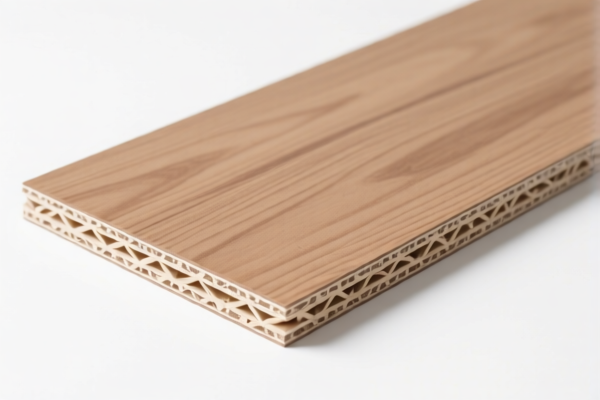
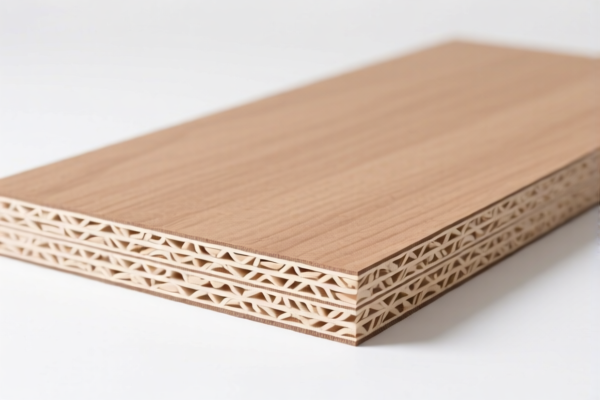
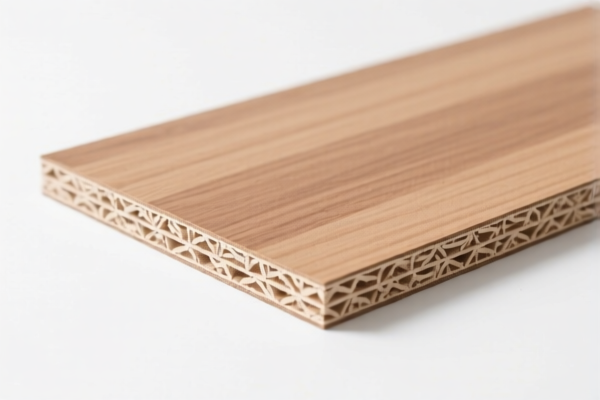
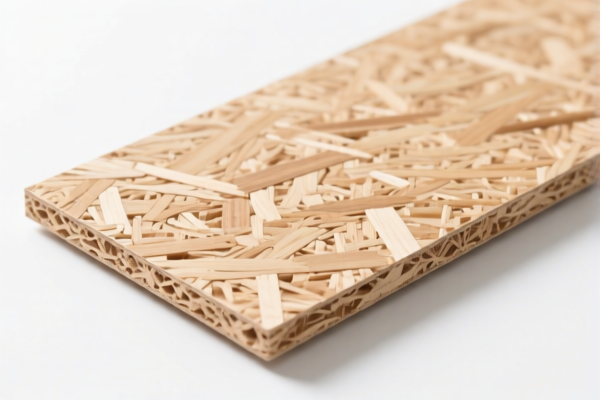
AI Analysis
🪵 Wooden Profiles (HS 4409.29.26.50 & Alternatives)
🌐 HS Code Reference & Customs Clearance Guide | 2026 Latest Tariff Analysis | Professional Clearance Strategy
📌 1. Product Definition & Classification: Do You Really Understand "Wooden Profiles"?
Wooden Profiles refer to wood products that have been shaped along their edges or surfaces through continuous molding, turning, or other processing methods. In international trade, the classification depends heavily on: 1. Wood Species: Coniferous (Softwood) vs. Non-Coniferous (Hardwood/Tropical). 2. Processing Method: Simple planing vs. complex molding/slotting. 3. Final Form: Bars, rods, or specific architectural shapes.
⚠️ Key Distinction Points:
- If the wood is Tropical/Hardwood and has been molded/turned into a rod or profile shape → Likely 4409.22.
- If the wood is Coniferous/Softwood → Likely 4409.10.
- If the product is a generic construction piece that doesn't fit specific molding definitions → May fall under "Other Wooden Articles" (4418).
📦 2. HS Code Classification Details (2026 Latest Tariff Authority Comparison)
| HS Code | Product Description | Application Scenario | Material/Process |
|---|---|---|---|
4409.22.65.00 |
Wooden Profile (Molded/Rod) | Tropical/Hardwood profiles, turned or molded rods, decorative strips | ✅ Non-Coniferous (Tropical) + Molded/Profile |
4409.22.60.00 |
Wooden Profile (Molded) | Tropical/Hardwood profiles, continuously shaped along edges/surface | ✅ Non-Coniferous (Tropical) + Molded |
4409.22.50.90 |
Wooden Profile (Other Tropical) | Other tropical wood profiles not specified elsewhere | ✅ Non-Coniferous (Tropical) + General Profile |
4409.10.65.00 |
Wooden Profile (Coniferous) | Coniferous/Softwood profiles, slotted or otherwise worked | ✅ Coniferous (Softwood) + Slotted/Worked |
4418.99.91.95 |
Other Wooden Building Articles | Generic wooden construction pieces, not specifically molded as per 4409 | ❌ General Wood + Construction Use |
🔍 Focus Reminder:
-4409.22.65.00is often the target for Tropical Wood Profiles that are turned into rods or specific shaped profiles.
-4418is a "catch-all" for wooden construction items that do not meet the specific "continuous molding" criteria of Chapter 4409.
💰 3. 2026 Latest Tariff Rate Breakdown (Including Surtaxes & Policy Add-ons)
✅ Applicable Country: United States (US)
✅ Origin: China (CN)
✅ Effective Date: November 10, 2025 (and subsequent imports)
🎯 1. 4409.22.65.00 —— Wooden Profile (Tropical, Molded/Rod)
| Item | Content |
|---|---|
| Base Tariff | 4.9% (ad valorem) |
| USITC Surtax (Section 301) | +25.0% |
| IEEPA Surtax (Section 122/China) | +10.0% |
| Total Tariff Rate | 39.9% |
| Tax Calculation | CIF Value × 39.9% |
| De Minimis Exemption Available? | ❌ NO (deny_de_minimis) |
| Legal Basis Path | USITC:4409.22.65.00 → FOOTNOTE:301 → IEEPA:9903.01.24 |
📌 Explanation:
- "Base Tariff 4.9%" is the standard MFN rate for this specific molded tropical wood profile.
- "Section 301 Surtax 25%" applies to almost all Chinese wooden products.
- "IEEPA 10%" is an additional layer for Chinese-origin goods under recent emergency powers.
- Total 39.9% is a HIGH tariff, significantly impacting profitability.
🎯 2. 4409.22.60.00 / 4409.22.50.90 —— Other Tropical Wood Profiles
| Item | Content |
|---|---|
| Base Tariff | 0.0% |
| USITC Surtax (Section 301) | +25.0% |
| IEEPA Surtax | +10.0% |
| Total Tariff Rate | 35.0% |
| Tax Calculation | CIF Value × 35.0% |
| De Minimis Exemption Available? | ❌ NO |
📌 Note:
- If the profile does not fall under the specific "rod/turning" category of 4409.22.65.00, it may fall here.
- Lower Base Rate (0%) but same surtaxes → Total 35.0%. Still very high.
🎯 3. 4409.10.65.00 —— Coniferous (Softwood) Wooden Profile
| Item | Content |
|---|---|
| Base Tariff | 4.9% |
| USITC Surtax (Section 301) | +25.0% |
| IEEPA Surtax | +10.0% |
| Total Tariff Rate | 39.9% |
| Tax Calculation | CIF Value × 39.9% |
| De Minimis Exemption Available? | ❌ NO |
📌 Note:
- Applies to Pine, Spruce, Fir, etc.
- Same high tariff as tropical molded profiles due to base rate + surtaxes.
🎯 4. 4418.99.91.95 —— Other Wooden Building Articles
| Item | Content |
|---|---|
| Base Tariff | 3.2% |
| USITC Surtax (Section 301) | +25.0% |
| IEEPA Surtax | +10.0% |
| Total Tariff Rate | 38.2% |
| Tax Calculation | CIF Value × 38.2% |
| De Minimis Exemption Available? | ❌ NO |
📌 Note:
- This is for wooden construction items NOT classified as "profiles" under 4409 (e.g., generic boards, frames without continuous molding).
- 38.2% is slightly lower than the 39.9% of 4409, but classification risk is higher if the product IS a profile.
🛠️ 4. Customs Clearance Practical Advice (Pitfall Avoidance Guide)
✅ 1. Required Documents Checklist (No Exceptions)
| Document | Mandatory | Explanation |
|---|---|---|
| ✅ Product Specification Sheet | ✔️ | Must specify: Wood species (Tropical vs. Coniferous), dimensions, processing type (molded, turned, planed). |
| ✅ Technical Drawings/Photos | ✔️ | Clear images showing cross-section to prove "continuous molding" (for 4409) or lack thereof (for 4418). |
| ✅ Commercial Invoice | ✔️ | Must clearly state "Wooden Profile, HS 4409.xx" and origin. |
| ✅ Packing List | ✔️ | Detail weight, volume, and quantity. |
| ✅ Certificate of Origin (CO) | ✔️ | Essential for determining origin-based surtaxes (China vs. others). |
✅ 2. Classification Strategy (Key Mantras)
🔥 “Shape Defines HS, Species Defines Rate, Profile vs. Part Matters!”
| Scenario | Correct HS Code | Incorrect HS Code | Consequence |
|---|---|---|---|
| Tropical Wood, Turned Rod/Molded | 4409.22.65.00 |
4418.99.91.95 |
Overpaying base rate (4.9% vs 3.2%) – minor, but accuracy is key. |
| Tropical Wood, Generic Board | 4418.99.91.95 |
4409.22.60.00 |
Risk of rejection/audit if shape doesn't match 4409 definition. |
| Softwood (Pine), Molded | 4409.10.65.00 |
4409.22.xxxx |
Wrong species → Classification Error → Penalties. |
| Any Wooden Profile (China Origin) | 35%-40% | 0% or 2% | Do not expect low tariffs! Budget for high taxes. |
✅ 3. Special Handling Cases
| Situation | Handling Advice |
|---|---|
| Mixed Wood Species | If a product contains both tropical and coniferous parts, classify based on the principal material or value. Best to separate if possible. |
| OEM Custom Shapes | Provide CAD files to customs broker to prove "continuous molding" vs. simple cutting. |
| Small Packages (De Minimis) | ❌ NO DE MINIMIS. Even small shipments of Chinese wooden profiles are subject to full tariffs. |
| Wood Treatment | Ensure fumigation/certification (ISPM 15) if solid wood, though processed profiles may be exempt depending on moisture/content. |
🌍 5. Global Market Clearance Comparison (2026 Latest)
| Country/Region | Recommended HS Code | Tariff (China Origin) | Certification | Notes |
|---|---|---|---|---|
| 🇺🇸 USA | 4409.22.65.00 / 4418.99.91.95 |
38.2% - 39.9% | None specific | High surtaxes apply. No exemptions for wood. |
| 🇨🇳 China | 4409.22.65.00 |
~4-5% | None | Low import tax, but watch for export controls. |
| 🇪🇺 EU | 4409.29 |
0% - 6.5% | FSC/PEFC (Voluntary) | No surtaxes. Eco-certifications matter for market access. |
| 🇬🇧 UK | 4409.29 |
0% - 6.5% | None | Post-Brexit rules similar to EU. |
| 🇦🇺 Australia | 4409.29 |
0% - 5% | Biosecurity Clearance | Strict biosecurity checks on wood. |
📌 Conclusion:
- USA is the most challenging market for wooden profiles due to the 35-40% total tariff burden.
- EU/UK/AU are more tariff-friendly but require strict biosecurity/forestry certifications.
📌 6. Common Errors & Pitfall Guide (Lessons Learned)
❌ Error 1: Misclassifying Tropical Profiles as Coniferous Profiles
👉 Consequence: Base rate might differ (0% vs 4.9%), but with surtaxes, total impact is similar. However, wrong species declaration can lead to fines.
❌ Error 2: Declaring Molded Profiles as Simple Boards (4418) to Avoid Higher Base Rate
👉 Consequence: If the shape is clearly molded, customs will reclassify and penalize. Risk of delay + back-tariff.
❌ Error 3: Ignoring Section 301 & IEEPA Surtaxes
👉 Consequence: Under-quoting. Profit margin wiped out by unexpected 35%+ taxes.
✅ Correct Approach:
"Wooden Profile, Tropical Species (e.g., Mahogany/Oak), Continuous Molded, Round/Square Shape, For Furniture Construction, Origin: China"
🎯 7. Conclusion: Professional Declaration for Cost Efficiency
🎯 Remember the Mantra:
🔹 "Profile = 4409, Construction Part = 4418, Tropical vs. Softwood Matters!"
🔹 "US Tariff = 35-40%, Budget Accordingly, No De Minimis!"
📌 Tips:
- If possible, source from non-China countries (e.g., Vietnam, Malaysia, Thailand) to potentially benefit from lower or zero surtaxes under certain trade agreements.
- Consider pre-ruling (Advance Ruling) from US Customs (CBP) to confirm classification for high-volume shipments.
📣 Immediate Action:
📞 Consult a licensed customs broker + Provide Product Photos + Budget for 40% Tariff
🚀 Ensure Smooth Clearance, Predictable Costs, and Compliant Shipments!
✨ Professional Clearance Starts with Accurate Classification!
💼 Every Cent in Tariff is a Cost; Every Cent Saved is Profit!
Customer Reviews
About HS Code Classification
The Harmonized System (HS) is an internationally standardized nomenclature developed by the World Customs Organization (WCO) to classify traded products. Over 200 countries use the HS system as the basis for customs tariffs, trade statistics, and import/export regulations.
Each HS code follows a hierarchical structure:
- Chapter (2 digits) — Broad category of goods (e.g., Chapter 84: Machinery and Mechanical Appliances)
- Heading (4 digits) — More specific grouping within the chapter
- Subheading (6 digits) — Internationally standardized breakdown, used by all WCO member countries
- National subdivisions (8-10 digits) — Country-specific extensions for further classification, such as US HTSUS 10-digit codes
Correct HS code classification is essential for smooth customs clearance, accurate duty payment, and compliance with trade regulations. Misclassification can lead to customs delays, overpayment of duties, or penalties.
When importing from CN to US, the applicable tariff rates may include:
- Most-Favored-Nation (MFN) rate — The standard duty rate applied to WTO members
- General rate — Applied to countries without trade agreements
- Trade remedy duties — Additional tariffs such as Section 301 (anti-dumping), Section 232 (national security), or countervailing duties
The information provided on this page is for reference purposes only. For official classification, please consult with your local customs authority or a licensed customs broker.