Wooden Seal Blade
CN → US| HS Code | Tariff Rate | Origin | Destination | Doc |
|---|---|---|---|---|
| 9611000000 | 20.2% | CN | US | Official Doc |
| 4421999880 | 38.3% | CN | US | Official Doc |
| 4421919880 | 38.3% | CN | US | Official Doc |
Product Images
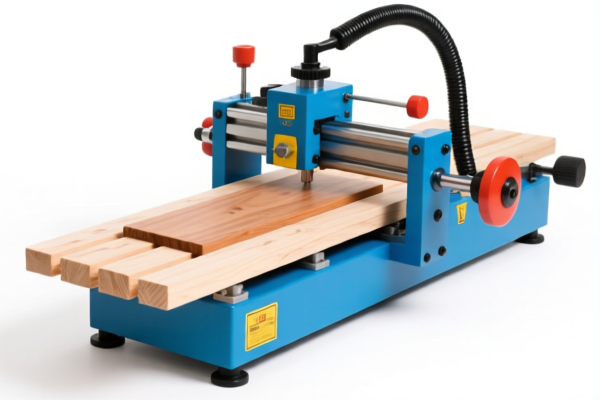
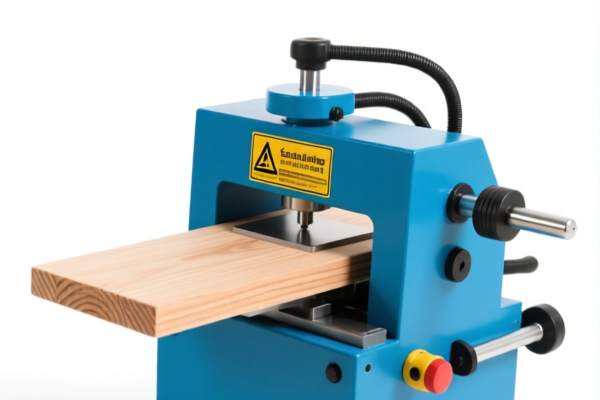
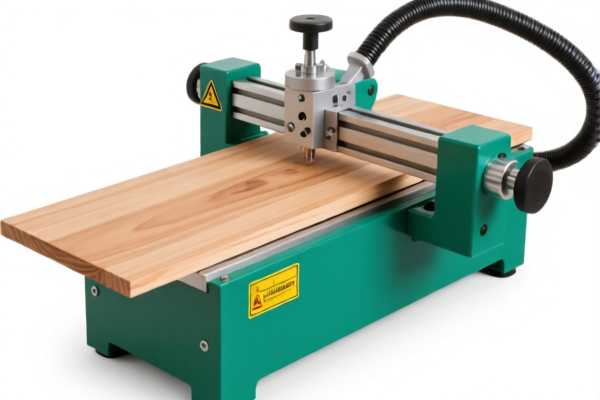

AI Analysis
🪵 Wooden Seal Blade (Handheld Date/Sealing Stamp)
🌐 HS Code Reference & Customs Clearance Guide | 2026 Latest Tariff Analysis | Professional Strategy for US Import
📌 I. Product Definition & Classification: What Exactly is a "Wooden Seal Blade"?
A Wooden Seal Blade is a handheld tool used for manually imprinting dates, seals, serial numbers, or logos onto documents, packages, or surfaces. Despite the name implying a "blade," in the context of trade classification, it is typically interpreted as a hand-operated stamping device or a wooden stamp.
The classification hinges on two key factors: 1. Function: Is it a general wood product or a specific office/administrative tool? 2. Material: It is explicitly made of wood.
International trade rules often prioritize function over material for specific tools. Therefore, while the material is wood (Chapter 44), the purpose (sealing/date stamping) places it in Chapter 96 (Miscellaneous Manufactured Articles) if it fits the specific definition of a stamp. However, if the "blade" is merely a carved wooden piece without a handle or mechanism, customs may lean towards Chapter 44.
Below is the precise breakdown based on the provided data.
📦 II. HS Code Classification Details (2026 Latest Tariff Authority)
| HS Code | Product Description | Classification Logic | Total Tax Rate |
|---|---|---|---|
| 9611.00.00.00 | Date, Seal or Numbering Stamps; Ink Pads; Seals of Office | Function-First Classification: The item is a "seal" or "stamp." Even though it is wooden, HS 9611 covers devices designed for manual date, seal, or numbering. The wood is considered the common material for such handles/stamps. | 20.2% |
| 4421.99.98.80 | Other wooden articles (General Wood Products) | Material-First Classification: If the item is viewed merely as a carved wooden object without a specific mechanical stamping mechanism, it falls under the "other wooden products" basket. | 38.3% |
| 4421.91.98.80 | Other wooden articles (Wooden Items for Specific Uses) | Material-First (Specific): Similar to 4421.99 but under a different sub-category for wooden items. Matches the "wooden" material but lacks the functional specificity of 9611. | 38.3% |
🔍 Critical Distinction:
- HS 9611 is the preferred classification if the item is a complete stamping tool (handle + stamping surface). It is cheaper (20.2% vs 38.3%).
- HS 4421 applies if the item is just a raw wooden block/carving or if customs rejects the "stamp" classification due to lack of mechanical components.
💰 III. 2026 Latest Tariff Rate Breakdown (Including Surcharges)
✅ Applicable Country: United States (US)
✅ Country of Origin: China (CN)
✅ Effective Date: From November 10, 2025 (and subsequent imports)
🎯 1. 9611.00.00.00 —— Date/Seal/Numbering Stamps (Recommended)
This is the most accurate functional classification.
| Item | Content |
|---|---|
| Base Duty Rate | 2.7% (ad valorem) |
| Section 301 Duties | +7.5% (Standard additional tariff) |
| 122 Provisions | +10% (Specific provision for certain Chinese imports) |
| Total Tax Rate | 20.2% |
| Tax Calculation | CIF Value × 20.2% |
| De Minimis Exemption | ❌ Not Applicable (High tariff goods usually excluded or subject to stricter scrutiny) |
| Legal Basis Path | Base Tariff → Section 301 (Footnote) → Provision 122 |
📌 Explanation:
- The total burden is 20.2%, which is moderate compared to other categories.
- The "122 Provision" is a specific add-on tariff often applied to broader categories of goods from China.
- Key Advantage: Being classified here saves 18.1% in taxes compared to the wood-only classification.
🎯 2. 4421.99.98.80 & 4421.91.98.80 —— Other Wooden Articles
If the product is misclassified or deemed a general wooden artifact.
| Item | Content |
|---|---|
| Base Duty Rate | 3.3% (ad valorem) |
| Section 301 Duties | +25.0% (High additional tariff for Chapter 44 items in some contexts) |
| 122 Provisions | +10% (Specific provision) |
| Total Tax Rate | 38.3% |
| Tax Calculation | CIF Value × 38.3% |
| De Minimis Exemption | ❌ Not Applicable |
| Legal Basis Path | Base Tariff (Ch 44) → Section 301 (High Rate) → Provision 122 |
📌 Warning:
- This rate is nearly double that of HS 9611.
- Customs may default to this if the item looks like a "wooden chop" or "carving" rather than a "stamp."
- Risk: If you declare as 9611 but customs inspects and sees no handle/mechanism, they may reclassify to 4421 and issue a bill for the difference + penalties.
🛠️ IV. Customs Clearance Practical Advice (Real-World Pitfall Guide)
✅ 1. Documentation Checklist (Mandatory)
| Document | Required? | Description |
|---|---|---|
| ✅ Product Photos | ✔️ | Show the entire item. Does it have a handle? Is it just a wooden block? |
| ✅ Function Description | ✔️ | Clearly state: "Manual stamping tool for dates/seals." |
| ✅ Material Statement | ✔️ | "100% Wooden Handle and Stamp Head." |
| ✅ Commercial Invoice | ✔️ | Description: "Wooden Hand Stamp," NOT "Wooden Chop" or "Wooden Block." |
| ✅ Packing List | ✔️ | Include quantity and dimensions. |
✅ 2. Declaration Strategy (Key Mnemonic)
🔥 "Function Rules, Material Second; Stamp Name, Lower Bill!"
| Scenario | Correct Declaration | Wrong Declaration |
|---|---|---|
| Complete Stamp (Handle + Carved Head) | HS 9611.00.00.00 | "Wooden Item" → HS 4421 |
| Carved Wooden Block (No handle, just a piece of wood) | HS 4421.99.98.80 | "Stamp" → Risk of misclassification penalty |
| Stamped Paper/Document | Not an import item | ❌ |
✅ 3. Special Handling Tips
| Situation | Recommendation |
|---|---|
| OEM Custom Stamps | Provide design files showing it is a stamp. |
| Combined Sets | If sold with ink pads, declare separately or as a set, but focus on the stamp's function. |
| Customs Inspection | If asked, emphasize: "It is a sealing device used for administrative purposes." |
🌍 V. Global Market Comparison (2026 Update)
| Country/Region | Recommended HS Code | Tariff (CN Origin) | Notes |
|---|---|---|---|
| 🇺🇸 USA | 9611.00.00.00 |
20.2% | Best option. Avoid 4421 (38.3%). |
| 🇨🇳 China | 9611.00.00.00 |
~5-10% | Varies by specific sub-item. |
| 🇪🇺 EU | 9611.00.00 |
0-4.5% | Low duty, but needs CE/Labeling if applicable. |
| 🇬🇧 UK | 9611.00.00 |
4.5% | Post-Brexit tariff structure. |
📌 Conclusion:
- USA is the most complex market due to Section 301 and Provision 122.
- Always aim for HS 9611 to save ~18% in duties.
- Ensure the product description explicitly mentions "Stamp" or "Sealing Device."
📌 VI. Common Mistakes & Pitfalls (Lessons Learned)
❌ Mistake 1: Declaring as "Wooden Chopstick" or "Wooden Block"
👉 Consequence: HS 4421 → 38.3% Tax. You overpay by nearly 20%!
❌ Mistake 2: Not mentioning "Stamp" in the description
👉 Consequence: Customs assumes general wood product → 38.3% Tax.
❌ Mistake 3: Combining ink pads and stamps without clear separation
👉 Consequence: Classification dispute. Declare ink pads separately (usually lower duty) if possible.
✅ Correct Action:
Declare as: "Hand-held Wooden Date Stamp for Office Use, HS 9611.00.00.00"
🎯 VII. Conclusion: Smart Classification, Higher Margins
🎯 Remember the Rule:
🔹 "Function is King in HS Codes: Stamp = 9611 (20.2%), Wood = 4421 (38.3%)."
🔹 "Clear Description, Clear Savings!"
📌 Pro Tip:
If your wooden seal blade is part of a set (e.g., with ink), consider declaring the ink pads separately if their HS code has lower duties, or declare the set under the principal item (the stamp).
📣 Immediate Action:
📞 Verify with your broker: Provide a photo and confirm HS 9611.00.00.00 is acceptable for your specific design.
🚀 Declare accurately to avoid audit risks and save 18.1% in tariffs.
✨ Professional Clearance Starts with Precise Classification!
💼 Every percentage point counts in international trade!
Customer Reviews
About HS Code Classification
The Harmonized System (HS) is an internationally standardized nomenclature developed by the World Customs Organization (WCO) to classify traded products. Over 200 countries use the HS system as the basis for customs tariffs, trade statistics, and import/export regulations.
Each HS code follows a hierarchical structure:
- Chapter (2 digits) — Broad category of goods (e.g., Chapter 84: Machinery and Mechanical Appliances)
- Heading (4 digits) — More specific grouping within the chapter
- Subheading (6 digits) — Internationally standardized breakdown, used by all WCO member countries
- National subdivisions (8-10 digits) — Country-specific extensions for further classification, such as US HTSUS 10-digit codes
Correct HS code classification is essential for smooth customs clearance, accurate duty payment, and compliance with trade regulations. Misclassification can lead to customs delays, overpayment of duties, or penalties.
When importing from CN to US, the applicable tariff rates may include:
- Most-Favored-Nation (MFN) rate — The standard duty rate applied to WTO members
- General rate — Applied to countries without trade agreements
- Trade remedy duties — Additional tariffs such as Section 301 (anti-dumping), Section 232 (national security), or countervailing duties
The information provided on this page is for reference purposes only. For official classification, please consult with your local customs authority or a licensed customs broker.