Woodworking Back Panel
CN → US| HS Code | Tariff Rate | Origin | Destination | Doc |
|---|---|---|---|---|
| 4418999195 | 38.2% | CN | US | Official Doc |
| 4418999150 | 38.2% | CN | US | Official Doc |
| 4823908620 | 35.0% | CN | US | Official Doc |
| 3926305000 | 22.8% | CN | US | Official Doc |
| 8504909634 | 35.0% | CN | US | Official Doc |
Product Images
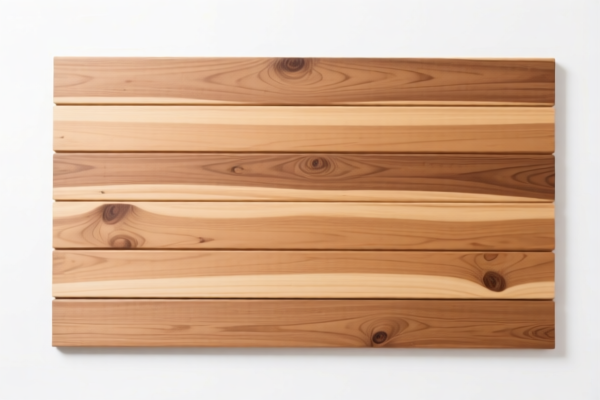
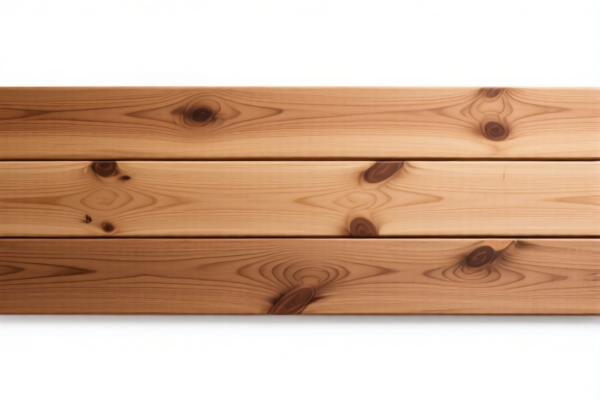
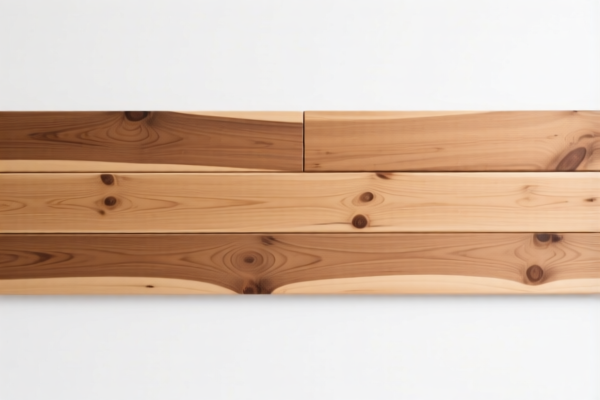
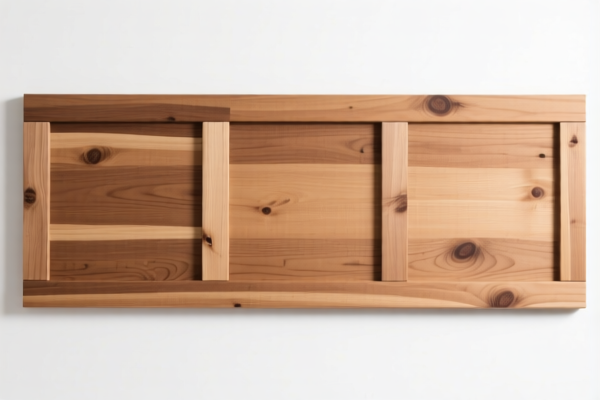
AI Analysis
🪵 Woodworking Back Panel (木工背板)
🌐 HS Code Reference & Customs Clearance Guide | 2024 Latest Tariff Analysis | Professional Clearance Strategy
📌 I. Product Definition & Classification: What Exactly Is a "Woodworking Back Panel"?
The Woodworking Back Panel is a critical component in furniture manufacturing, cabinetry, and interior decoration. It serves as the rear structural support, providing stability, dust protection, and a finished appearance to cabinets, wardrobes, and shelving units.
In international trade, the classification depends entirely on the material and specific usage. However, when the material is wood (solid, engineered, or composite), it generally falls under Chapter 44 (Wood and Articles of Wood).
⚠️ Key Classification Point:
- If made of Wood → Chapter 44 (e.g.,4418)
- If made of Plastic → Chapter 39 (e.g.,3926)
- If made of Paper/Cardboard → Chapter 48 (e.g.,4823)
- If used as a structural part for electrical equipment → Chapter 85 (Rare, but possible if heavily processed for insulation/support)
📦 II. HS Code Classification Details (Based on Provided Data)
The following HS Codes are derived strictly from the provided dataset. Note that while the dataset suggests "Woodworking Back Panel," the last entry (8504) appears to be a mismatch for a standard woodworking part, likely due to ambiguity in "structural support." We will analyze all five entries as provided.
| HS Code | Product Description | Estimated Material/Context | Total Tax Rate | Tax Breakdown |
|---|---|---|---|---|
4418.99.91.95 |
Woodworking Back Panel (Other wood articles) | Wood (板材/Plank) | 38.2% | Base: 3.2% Add'l: 25.0% Section 122: 10% |
4418.99.91.50 |
Woodworking Back Panel (Wood building component) | Wood (Inferred) | 38.2% | Base: 3.2% Add'l: 25.0% Section 122: 10% |
4823.90.86.20 |
Backing Panel (Paper/Cardboard fallback) | Paper/Cardboard | 35.0% | Base: 0.0% Add'l: 25.0% Section 122: 10% |
3926.30.50.00 |
Backing Panel (Plastic component) | Plastic | 22.8% | Base: 5.3% Add'l: 7.5% Section 122: 10% |
8504.90.96.34 |
Backing Panel (Electrical support part) | Structural/Insulation | 35.0% | Base: 0.0% Add'l: 25.0% Section 122: 10% |
🔍 Critical Observation:
- The two Wood entries (4418) have the highest total tax (38.2%).
- The Plastic entry (3926) offers the lowest total tax (22.8%).
- The Electrical entry (8504) is risky; unless the panel is specifically designed as an insulating support for transformers, it should not be classified here. Misclassification can lead to severe penalties.
💰 III. Detailed Tariff Rate Explanation (US Import from China)
✅ Applicable Country: United States (US)
✅ Origin: China (CN)
✅ Effective Time: Current Trade Policies (Section 301 & Section 122)
🎯 1. 4418.99.91.95 / 4418.99.91.50 —— Wooden Back Panels
| Item | Detail |
|---|---|
| Base Duty | 3.2% |
| Section 301 Add'l Duty | +25.0% (List 3/4) |
| Section 122 Duty | +10.0% (Specific to China in certain contexts or temporary measures) |
| Total Effective Rate | 38.2% |
| De Minimis Eligibility | ❌ No (Value exceeds $800 threshold usually, and Section 301/122 often deny de minimis for China) |
| Legal Basis | HTSUS 4418.99.91 + USITC Footnote 301 + IEEPA Section 122 |
📌 Explanation:
- Base 3.2%: Standard MFN duty for other wood articles of furniture.
- 25% Add-on: Applied to most Chinese wood products under Section 301.
- 10% Add-on: Attributed to Section 122 of the Trade Expansion Act of 1962 (or similar emergency tariffs depending on current enforcement).
- Total Cost Impact: For every $10,000 of FOB value, you pay $3,820 in duties/taxes alone.
🎯 2. 4823.90.86.20 —— Paper/Cardboard Backing Panels
| Item | Detail |
|---|---|
| Base Duty | 0.0% |
| Section 301 Add'l Duty | +25.0% |
| Section 122 Duty | +10.0% |
| Total Effective Rate | 35.0% |
| De Minimis Eligibility | ❌ No |
📌 Note: Even with 0% base duty, the high add-ons bring the total to 35%. This is only applicable if the "backing" is made of paper/cardboard, not wood.
🎯 3. 3926.30.50.00 —— Plastic Backing Panels
| Item | Detail |
|---|---|
| Base Duty | 5.3% |
| Section 301 Add'l Duty | +7.5% (Lower bracket for some plastic goods) |
| Section 122 Duty | +10.0% |
| Total Effective Rate | 22.8% |
| De Minimis Eligibility | ❌ No |
📌 Advantage: This is the lowest tax rate in the dataset. If your back panel is made of plastic or has a significant plastic component that defines its character, this code is the most cost-effective.
🎯 4. 8504.90.96.34 —— Electrical/Structural Support Panels
| Item | Detail |
|---|---|
| Base Duty | 0.0% |
| Section 301 Add'l Duty | +25.0% |
| Section 122 Duty | +10.0% |
| Total Effective Rate | 35.0% |
| De Minimis Eligibility | ❌ No |
⚠️ Warning: This code is for parts of electrical transformers. Unless your "backing panel" is a specialized insulating stack for transformers, do not use this code. It is a "fallback" classification in the data that is likely incorrect for standard woodworking furniture parts.
🛠️ IV. Customs Clearance Practical Advice
✅ 1. Documentation Checklist
| Document | Required? | Notes |
|---|---|---|
| Commercial Invoice | ✅ Yes | Clearly state "Woodworking Back Panel" or "Furniture Back Panel". |
| Packing List | ✅ Yes | List dimensions, weight, and quantity. |
| Material Declaration | ✅ Yes | Crucial: Specify if Wood, Plastic, or Composite. |
| Product Photos | ✅ Yes | Show cross-section to prove material (e.g., veneer, MDF, solid wood). |
| HTS Code Justification | ✅ Yes | If using 4418, provide details on wood type (pine, oak, MDF, etc.). |
✅ 2. Classification Strategy
| Scenario | Recommended HS Code | Why? |
|---|---|---|
| Standard MDF/Wood Backing | 4418.99.91.95 |
Most accurate for furniture wood parts. |
| Plastic/Vinyl Backing | 3926.30.50.00 |
Lower tax rate (22.8%). Ensure material is predominantly plastic. |
| Paper/Cardboard Backing | 4823.90.86.20 |
Only if non-wood, non-plastic. |
| Transformer Component | 8504.90.96.34 |
Only if used in electrical equipment. |
🔥 Pro Tip:
"Material is King!"
- If you can switch from Wood to Plastic without compromising product quality, switch to3926.30.50.00to save 15.4% in duties.
- If it is wood, be prepared for the 38.2% burden. Consider using Section 301 Exclusions if applicable (check USTR lists for recent exclusions on wood products).
✅ 3. Common Pitfalls
| Mistake | Consequence | Solution |
|---|---|---|
| Mislabeling as "Furniture Part" | 海关可能要求补充材料证明,延误清关 | Use specific HS Code 4418 and provide material specs. |
| Ignoring Section 122 | Unexpected 10% charge at border | Factor 10% into your cost model from Day 1. |
Using 8504 for Wood |
Customs rejection, fines | Do not use electrical codes for furniture parts. |
| Vague Description "Panel" | Delayed clearance | Use "Woodworking Back Panel, Material: MDF, Thickness: 5mm". |
🌍 V. Global Market Comparison (2024 Context)
| Region | HS Code Focus | Duty Rate (China Origin) | Notes |
|---|---|---|---|
| 🇺🇸 USA | 4418 (Wood) |
38.2% | High duties due to Section 301 & 122. |
| 🇺🇸 USA | 3926 (Plastic) |
22.8% | Best option if material allows. |
| 🇪🇺 EU | 4421 (Wood) |
~5-7% | No Section 301/122, but VAT applies. |
| 🇨🇳 China | N/A | 0% (Export) | China does not tax exports for these goods. |
📌 Conclusion:
- The US market is the most challenging due to high add-on tariffs.
- Cost Optimization: Evaluate if a plastic alternative (3926) is feasible to save 15.4% in duties.
- Pre-Clearance: Always apply for an Advance Ruling if the product has mixed materials (e.g., wood frame with plastic backing).
📌 VI. Final Recommendations
- Verify Material: Is it truly wood? If it’s composite or plastic, use the lower-tax HS code.
- Calculate Landed Cost: Include the 38.2% (wood) or 22.8% (plastic) in your pricing.
- Document Everything: Provide clear material declarations to avoid customs delays.
- Consult a Broker: For large shipments, a licensed customs broker can verify if any Section 301 exclusions apply to your specific wood product.
🎯 Key Takeaway:
"Wood is expensive (38.2%), Plastic is cheaper (22.8%). Choose your material wisely!"
📣 Action Item:
📞 Contact a Customs Broker to confirm the material classification.
📄 Prepare a Material Safety Data Sheet (MSDS) or material specification sheet.
🚀 Optimize your supply chain to mitigate high US tariff impacts.
✨ Accurate Classification Saves Money!
💼 Every percentage point counts in global trade.
Customer Reviews
About HS Code Classification
The Harmonized System (HS) is an internationally standardized nomenclature developed by the World Customs Organization (WCO) to classify traded products. Over 200 countries use the HS system as the basis for customs tariffs, trade statistics, and import/export regulations.
Each HS code follows a hierarchical structure:
- Chapter (2 digits) — Broad category of goods (e.g., Chapter 84: Machinery and Mechanical Appliances)
- Heading (4 digits) — More specific grouping within the chapter
- Subheading (6 digits) — Internationally standardized breakdown, used by all WCO member countries
- National subdivisions (8-10 digits) — Country-specific extensions for further classification, such as US HTSUS 10-digit codes
Correct HS code classification is essential for smooth customs clearance, accurate duty payment, and compliance with trade regulations. Misclassification can lead to customs delays, overpayment of duties, or penalties.
When importing from CN to US, the applicable tariff rates may include:
- Most-Favored-Nation (MFN) rate — The standard duty rate applied to WTO members
- General rate — Applied to countries without trade agreements
- Trade remedy duties — Additional tariffs such as Section 301 (anti-dumping), Section 232 (national security), or countervailing duties
The information provided on this page is for reference purposes only. For official classification, please consult with your local customs authority or a licensed customs broker.