Woodworking Chuck
CN → US| HS Code | Tariff Rate | Origin | Destination | Doc |
|---|---|---|---|---|
| 8466306040 | 37.9% | CN | US | Official Doc |
| 8466925010 | 39.7% | CN | US | Official Doc |
| 7326908688 | 87.9% | CN | US | Official Doc |
| 7326190080 | 87.9% | CN | US | Official Doc |
| 8466208035 | 38.7% | CN | US | Official Doc |
Product Images
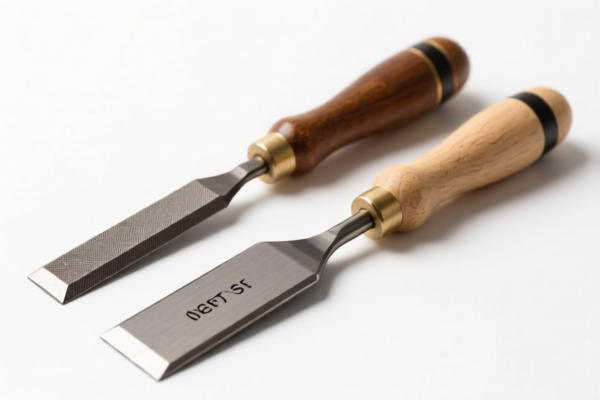
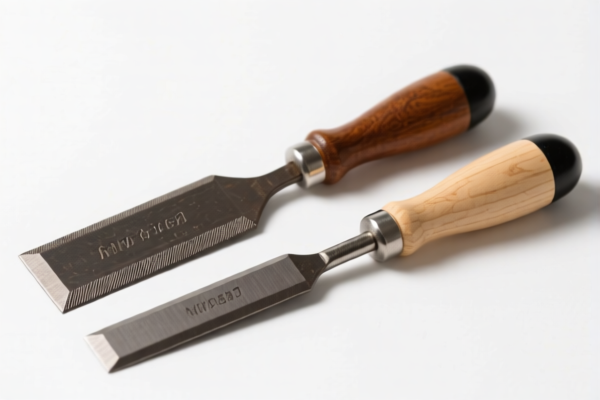
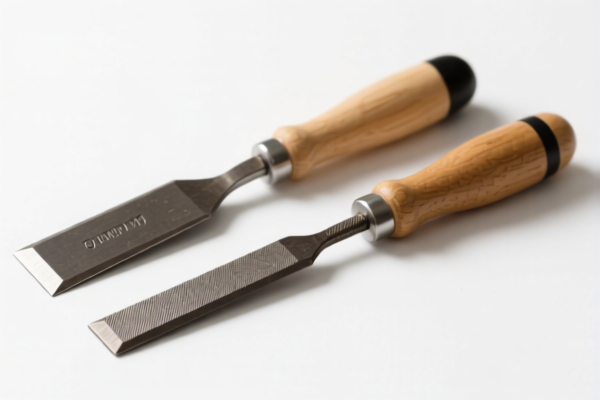
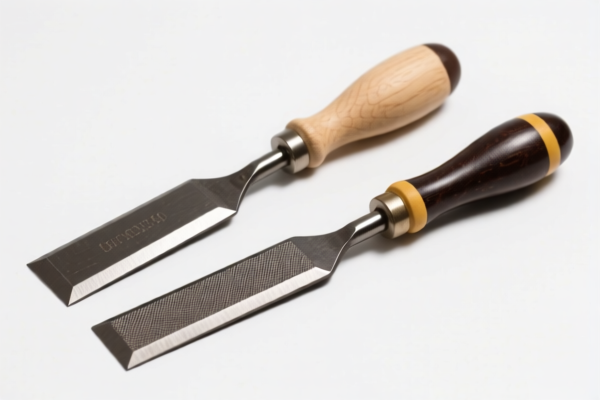
AI Analysis
🔩 Woodworking Chuck (Machinist's Chuck for Wood)
🌐 HS Code Reference & Clearance Guide | 2026 Latest Tariff Analysis | Professional Clearance Strategy for Woodworking Chucks
📌 I. Product Definition: What Exactly is a "Woodworking Chuck"?
A Woodworking Chuck is a mechanical clamping device used to hold wooden workpieces or tools (like drill bits or mortising chisels) securely in place on woodworking machinery (such as lathes, drills, or routers).
In international trade, these are not considered simple tools. They are classified as specialized attachments or parts for machine tools. Crucially, under U.S. trade laws (Section 301 and IEEPA), the material composition (Wood vs. Metal/Steel) drastically changes the HS Code and the Total Tax Rate.
⚠️ Critical Distinction:
- If it is a complete accessory for a wood machine → Often falls under Chapter 84 (Machine Parts).
- If it is purely metallic and classified as a generic "metal article" (due to specific subheading interpretations or material dominance) → May fall under Chapter 73 (Steel/iron articles).
- Warning: The U.S. imposes heavy punitive tariffs (up to 87.9%) on metal versions. Do not assume a 5% rate!
📦 II. HS Code Classification Matrix (2026 Latest Tariff Data)
Below are the 5 specific HS Codes derived from the provided data, categorized by product type and material.
| HS Code | Product Description | Material/Type | Total Tax Rate (China Origin) | Tax Breakdown |
|---|---|---|---|---|
| 8466.30.60.40 | Woodworking Chuck (Accessory) | General Woodworking Accessory | 37.9% | Base: 2.9% + Sec 301: 25.0% + IEEPA: 10.0% |
| 8466.92.50.10 | Woodworking Chuck (Part) | Machine Part/Accessory | 39.7% | Base: 4.7% + Sec 301: 25.0% + IEEPA: 10.0% |
| 7326.90.86.88 | Metal Chuck (Iron/Steel) | Other Articles of Iron/Steel | 87.9% | Base: 2.9% + Sec 301: 25.0% + IEEPA: 10.0% + Steel/Alu/Cu Surcharge: 50% |
| 7326.19.00.80 | Metal Chuck (Steel Part) | Other Steel Products Parts | 87.9% | Base: 2.9% + Sec 301: 25.0% + IEEPA: 10.0% + Steel/Alu/Cu Surcharge: 50% |
| 8466.20.80.35 | Chuck (Metalworking Machine) | Metal Machine Tool Attachment | 38.7% | Base: 3.7% + Sec 301: 25.0% + IEEPA: 10.0% |
🔍 Key Insight:
- Metal Chucks are Expensive to Import: If classified under Chapter 73 (7326 series), the total tax hits 87.9% due to the additional 50% surcharge on steel/iron products. - Machine Parts are Cheaper: If classified under Chapter 84 (8466 series), the tax is significantly lower (~38-40%), even though it is also made of metal. The key is proving it is a dedicated accessory for a machine tool, not just a generic metal part.
💰 III. Detailed Tariff Breakdown & Legal Basis
✅ Applicable Country: United States (US)
✅ Origin: China (CN)
✅ Effective Date: Includes current Section 301 and IEEPA measures (2025-2026 framework)
🎯 1. The "Machine Accessory" Path (HS Codes: 8466.30.60.40 & 8466.92.50.10)
| Item | Details |
|---|---|
| Base Tariff | 2.9% - 4.7% (Ad Valorem) |
| Section 301 Tariff | +25.0% (Standard punitive tariff on Chinese machinery parts) |
| IEEPA Tariff | +10.0% (International Emergency Economic Powers Act surcharge) |
| Total Tax | 37.9% (for 8466.30.60.40) or 39.7% (for 8466.92.50.10) |
| Calculation | CIF Value × Total Rate |
| De Minimis Exemption | ❌ NOT APPLICABLE (These codes are explicitly excluded from Section 321 relief) |
📌 Explanation:
- 8466.30.60.40: Specifically for "Woodworking Chucks" as dedicated accessories.
- 8466.92.50.10: Classified as "Parts and accessories for machines... other than those of heading 8461-8465".
- Why not 0%? Because they are Chinese-origin machine parts subject to trade wars.
🎯 2. The "Metal Article" Trap (HS Codes: 7326.90.86.88 & 7326.19.00.80)
| Item | Details |
|---|---|
| Base Tariff | 2.9% |
| Section 301 Tariff | +25.0% |
| IEEPA Tariff | +10.0% |
| Metal/Aluminum/Copper Surcharge | +50.0% (Specific to Steel/Iron articles under current enforcement) |
| Total Tax | 87.9% |
| De Minimis Exemption | ❌ NOT APPLICABLE |
📌 Explanation:
- If customs views the chuck as a "generic steel part" rather than a "machine tool accessory," it falls into Chapter 73.
- The 50% surcharge is the killer here. It applies to "steel, aluminum, and copper products" in this specific context.
- Risk: High risk of misclassification. If you declare it as 8466 but customs audits and finds it matches 7326 definitions, you face huge back-taxes and penalties.
🎯 3. The "Metalworking Machine" Alternative (HS Code: 8466.20.80.35)
| Item | Details |
|---|---|
| Base Tariff | 3.7% |
| Section 301 Tariff | +25.0% |
| IEEPA Tariff | +10.0% |
| Total Tax | 38.7% |
| De Minimis Exemption | ❌ NOT APPLICABLE |
📌 Explanation:
- This code is for "Chucks" used in metalworking machine tools.
- Warning: Using this for a woodworking chuck is risky. Customs may reject it if the product is clearly designed for wood (e.g., larger jaws, specific wood-mounting features). Only use if the chuck is universal (usable for both metal and wood lathes).
🛠️ IV. Customs Clearance Practical Advice (Avoid Pitfalls)
✅ 1. Documentation Checklist (Essential)
| Document | Requirement | Purpose |
|---|---|---|
| Product Specification Sheet | Must state: "Chuck for [Wood/Metal] Lathe", Material, Jaw Count | Proves intended use (Wood vs. Metal) |
| Product Photos | Clear images of jaws, mounting plate, brand, model | Prevents "Generic Metal Part" classification |
| Commercial Invoice | Describe as "Woodworking Lathe Chuck, Model XYZ" | Aligns with HS 8466 description |
| Declaration of Material | Explicitly state "Cast Iron/Steel" | Helps customs verify Chapter 73 vs 84 |
| Origin Certificate | Proof of Chinese Origin | Triggers correct tariff calculation |
✅ 2. Declaration Strategy (The "Golden Rule")
🔥 "Be Specific: It's a Machine Accessory, Not Just a Steel Part!"
| Scenario | Recommended HS Code | Why? | Risk if Wrong |
|---|---|---|---|
| Dedicated Woodworking Chuck | 8466.30.60.40 |
Specific subheading for woodworking accessories | Misclassified as 7326 → 87.9% Tax |
| General Lathe Chuck (Wood/Metal) | 8466.20.80.35 |
Broad "Chuck" category for machine tools | Must prove it's for machine tools, not hand tools |
| Loose Chuck Jaws/Parts | 8466.92.50.10 |
Classified as "Parts" | If sold as a set, declare as Main Unit (8466.30) |
| Generic Steel Clamp (Not for Lathe) | 7326.90.86.88 |
No machine tool function | N/A (This is the "High Tax" fallback) |
✅ 3. Critical Tips for 2026 Clearance
- Avoid "De Minimis" Claims: Do not attempt to use Section 321 (under $800) clearance for these items. The HS codes listed above are excluded from de minimis relief due to Section 301 and IEEPA surcharges. Full formal entry is required.
- Highlight "Function" Over "Material": When declaring, emphasize that the item is a "Functional Accessory for CNC/Lathe Machinery." This supports classification under Chapter 84 (38%) rather than Chapter 73 (88%).
- Universal Chucks: If your product can be used for both wood and metal, consider declaring under 8466.20.80.35 (38.7%) to avoid the Chapter 84.30.60 specificity risk, but ensure the technical specs support machine tool use.
- No 50% Surcharge for Chapter 84: Note that the 50% steel surcharge in the data applies to 7326. By correctly classifying under 8466, you save ~50% on your tax bill. This is the biggest cost-saving opportunity.
🌍 V. Global Market Comparison (2026)
| Destination | HS Code Recommendation | Est. Total Tax (China Origin) | Notes |
|---|---|---|---|
| 🇺🇸 USA | 8466.30.60.40 (Best Case) |
37.9% | High tariffs due to Section 301 + IEEPA. Avoid 7326 (87.9%). |
| 🇨🇳 China | 8466.30.60.40 |
~5-10% (Import Duty) | Lower base rates, no Section 301. |
| 🇪🇺 EU | 8466.30.60.40 |
~0-4% (Most Free Trade) | No punitive tariffs. Check for anti-dumping. |
| 🇬🇧 UK | 8466.30.60.40 |
~0-4% | Post-Brexit trade deals may apply. |
| 🇦🇺 Australia | 8466.30.60.40 |
~5% | Generally low tariffs for machinery parts. |
📌 Conclusion: The USA is the most challenging market for Woodworking Chucks due to the layered punitive tariffs. Precision in HS Code selection (choosing 8466 over 7326) is the single most important factor in managing cost.
📌 VI. Common Mistakes & How to Avoid Them (Blood Lessons)
❌ Mistake 1: Declaring a Wood Chuck as "Steel Clamp" (7326.90)
👉 Consequence: You get hit with the 87.9% tax.
👉 Fix: Use description "Woodworking Lathe Accessory" and HS 8466.30.60.40.
❌ Mistake 2: Assuming "Small Value = No Tax"
👉 Consequence: Seizure or forced payment upon audit.
👉 Fix: These codes are excluded from de minimis. Always file formal entry.
❌ Mistake 3: Mixing Wood and Metal Chucks in One Shipment Without Distinction
👉 Consequence: Customs may tax the entire shipment at the highest rate (87.9%) if they can't distinguish the purpose.
👉 Fix: Separate shipments or clearly label each unit. Provide separate invoices.
✅ Correct Declaration Example:
"Woodworking Lathe Chuck, Cast Iron, 6-Jaw, Model WC-100, Used for CNC Wood Lathes, Not for Hand Tools"
HS Code:8466.30.60.40
🎯 VII. Final Advice: Optimize Your Cost
🎯 Remember:
🔹 "Chapter 84 saves 50%: Don't let steel tax destroy your margin!"
🔹 "37.9% is better than 87.9%. Be specific about machine tool use."
📌 Pro Tip:
If you are importing large volumes, consider applying for a HTSUS Exclusion under Section 301 if available for "Machine Tool Accessories." This could potentially reduce the 25% Section 301 component, though IEEPA (10%) may still apply. Always consult a licensed customs broker for Pre-Ruling before shipping.
📣 Immediate Action Required:
📞 Contact your customs broker with the exact technical datasheet.
🚀 Confirm HS Code8466.30.60.40or8466.92.50.10BEFORE shipment.
💰 Budget for ~38-40% duty, NOT 5% or 0%.
✨ Precision Classification = Profit Protection
💼 Don't let a 50% classification error wipe out your profits!
Customer Reviews
About HS Code Classification
The Harmonized System (HS) is an internationally standardized nomenclature developed by the World Customs Organization (WCO) to classify traded products. Over 200 countries use the HS system as the basis for customs tariffs, trade statistics, and import/export regulations.
Each HS code follows a hierarchical structure:
- Chapter (2 digits) — Broad category of goods (e.g., Chapter 84: Machinery and Mechanical Appliances)
- Heading (4 digits) — More specific grouping within the chapter
- Subheading (6 digits) — Internationally standardized breakdown, used by all WCO member countries
- National subdivisions (8-10 digits) — Country-specific extensions for further classification, such as US HTSUS 10-digit codes
Correct HS code classification is essential for smooth customs clearance, accurate duty payment, and compliance with trade regulations. Misclassification can lead to customs delays, overpayment of duties, or penalties.
When importing from CN to US, the applicable tariff rates may include:
- Most-Favored-Nation (MFN) rate — The standard duty rate applied to WTO members
- General rate — Applied to countries without trade agreements
- Trade remedy duties — Additional tariffs such as Section 301 (anti-dumping), Section 232 (national security), or countervailing duties
The information provided on this page is for reference purposes only. For official classification, please consult with your local customs authority or a licensed customs broker.