Woodworking Hand Tools
CN → US| HS Code | Tariff Rate | Origin | Destination | Doc |
|---|---|---|---|---|
| 8202990000 | 35.0% | CN | US | Official Doc |
| 8201600000 | 0.0% | CN | US | Official Doc |
| 8201500000 | 0.0% | CN | US | Official Doc |
| 8205306000 | 40.0% | CN | US | Official Doc |
| 8205303000 | 40.7% | CN | US | Official Doc |
Product Images
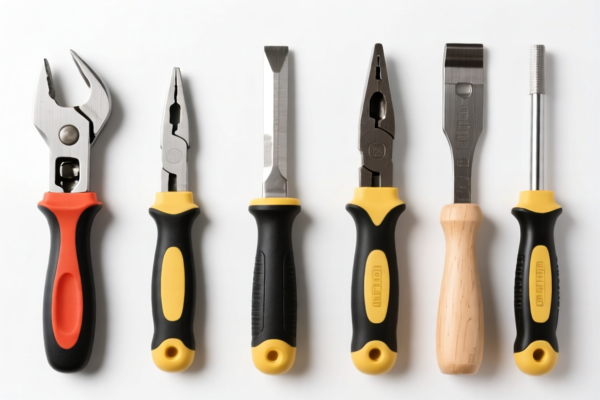
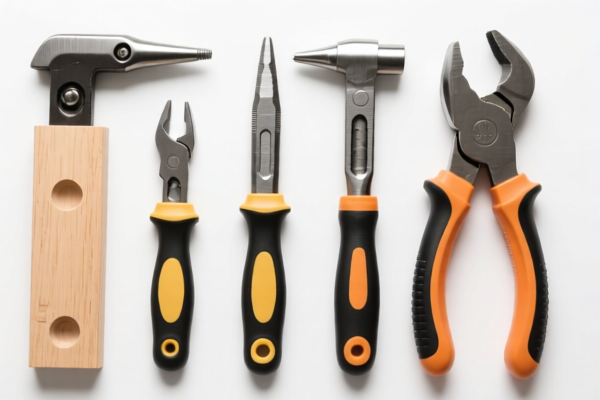
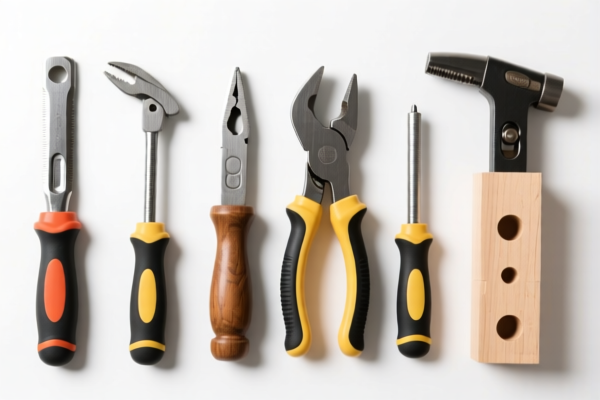
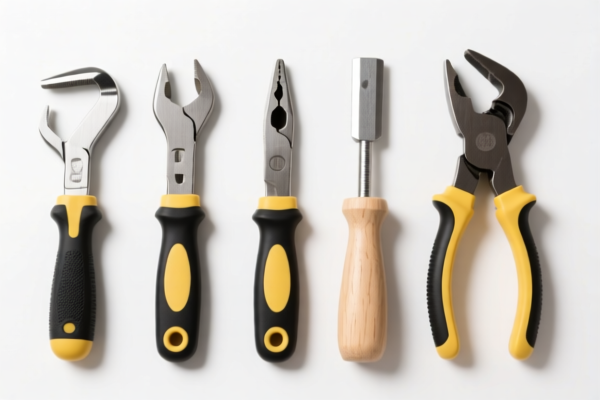
AI Analysis
🪓 Woodworking Hand Tools – HS Code & Tariff Guide 2026 | Expert Customs Clearance Strategy
🌐 HS Code Reference & Customs Clearance Handbook | 2026 Updated Tariff Analysis | Pro-Level Import Planning
📌 I. Product Definition & Classification: What Exactly Are "Woodworking Hand Tools"?
Woodworking hand tools are manually operated instruments used for shaping, trimming, cutting, and finishing wood. These tools are essential in carpentry, joinery, furniture making, and artisanal craftsmanship.
In international trade, they are classified under specific HS Codes (Harmonized System Codes) based on: - Material (metal, steel, alloy, etc.) - Function (cutting, trimming, pruning, chiseling) - Design (single-hand vs. two-hand operation) - Form (blade, saw, shear, cutter, etc.)
⚠️ Critical Distinction: - Hand-held cutting tools used for wood shaping, trimming, or pruning → Classified under 8201, 8202, or 8205 - Power tools (e.g., electric saws, drills) → Not covered here - Tools with motorized parts or electronic components → Excluded
📦 II. HS Code Classification Breakdown (2026 Official Tariff Table)
| HS Code | Product Description | Function & Use Case | Material & Design |
|---|---|---|---|
8202.99.00.00 |
Wood trimming tools; metal or metallic material; includes saw blades and parts | Used for cutting or trimming wood; blade-based tools | Metal/贱金属 (base metal) |
8201.60.00.00 |
Wood trimming tools; garden/forestry shears; designed for two-hand operation | Pruning, branch cutting, tree trimming | Metal blades, dual-hand grip |
8201.50.00.00 |
Wood trimming tools; pruning shears, garden scissors; metal blades | Branch cutting, hedge trimming, precision shaping | Metal cutting edges + structural frame |
8205.30.60.00 |
Woodworking cutting tools; similar to chisels, gouges, or knives | Used in wood carving, shaping, and fine detailing | Metal cutting edges, hand-held |
8205.30.30.00 |
Woodworking cutting tools; includes planes, chisels, gouges, carving knives | Functional equivalents of traditional woodcarving tools | Metal blades, hand-forged or machined |
🔍 Key Insight:
- Tools with metal blades used for wood shaping/trimming → Always fall under 8201, 8202, or 8205 - No matter the brand, design, or country of origin, if it's a manual metal tool for wood, it must be matched to one of these codes.
💰 III. 2026 U.S. Tariff Breakdown (Including附加 Taxes & Legal Triggers)
✅ Applicable Country: United States (US)
✅ Origin: China (CN)
✅ Effective Date: November 10, 2025 (inclusive)
✅ Legal Basis: Section 301 (USITC), IEEPA (International Emergency Economic Powers Act)
🎯 1. 8202.99.00.00 – Wood Trimming Tools (Saw Blades & Parts)
| Component | Detail |
|---|---|
| Base Duty | 0% (ad valorem) |
| USITC 301 Tariff | +25% (from USITC Footnote 9903.88.01) |
| IEEPA 10% Tariff | +10% (applied to goods from China/HK under IEEPA) |
| Total Effective Duty | 35.0% |
| Tax Calculation | CIF Value × 35.0% |
| De Minimis Exemption? | ❌ Not applicable (denied under 19 CFR § 181.11) |
| Legal Pathway | IEEPA:9903.01.25 → IEEPA:9903.01.24 → USITC:8202.99.00.00 → FOOTNOTE:9903.88.01 |
📌 Explanation:
- Saw blades and blade components (e.g., toothed rings, blade mounts) are treated as high-value metal tools under the U.S. trade war framework. - Even small blade inserts or replacement parts are subject to 35% total tariff if from China.
🎯 2. 8201.60.00.00 – Two-Handed Wood Trimming Tools (Pruning Shears)
| Component | Detail |
|---|---|
| Base Duty | 1¢ per unit + 2.8% ad valorem |
| USITC 301 Tariff | +25% |
| IEEPA 10% Tariff | +10% |
| Total Effective Duty | 1¢ each + 2.8% + 35.0% |
| Tax Calculation | (CIF Value × 2.8%) + (1¢ per unit) + (CIF × 35.0%) |
| De Minimis Exemption? | ❌ Not available |
| Legal Pathway | IEEPA:9901.25 → IEEPA:9903.01.24 → USITC:8201.60.00.00 → FOOTNOTE:9903.88.01 |
📌 Explanation:
- Two-hand pruning shears, loppers, hedge shears, and similar hand tools are not exempt from the 35% total tariff. - The 1¢ per unit is a per-item fee (common for small tools), which adds up quickly in bulk shipments.
🎯 3. 8201.50.00.00 – Wood Trimming Tools (Pruning & Cutting Shears)
| Component | Detail |
|---|---|
| Base Duty | 1¢ per unit + 2.8% ad valorem |
| USITC 301 Tariff | +25% |
| IEEPA 10% Tariff | +10% |
| Total Effective Duty | 1¢ each + 2.8% + 35.0% |
| Tax Calculation | (CIF × 2.8%) + (1¢ per unit) + (CIF × 35.0%) |
| De Minimis Exemption? | ❌ Not available |
| Legal Pathway | IEEPA:9901.25 → IEEPA:9903.01.24 → USITC:8201.50.00.00 → FOOTNOTE:9903.88.01 |
📌 Note:
- This code covers smaller hand shears, garden scissors, branch cutters, and pruning knives. - Even non-powered, hand-held tools are not exempt from the 35% total tariff.
🎯 4. 8205.30.60.00 – Woodworking Cutting Tools (General Category)
| Component | Detail |
|---|---|
| Base Duty | 5.0% |
| USITC 301 Tariff | +25% |
| IEEPA 10% Tariff | +10% |
| Total Effective Duty | 40.0% |
| Tax Calculation | CIF × 40.0% |
| De Minimis Exemption? | ❌ Not available |
| Legal Pathway | IEEPA:9903.01.25 → IEEPA:9903.01.24 → USITC:8205.30.60.00 → FOOTNOTE:9903.88.01 |
📌 Explanation:
- Tools like carving knives, chisels, gouges, and wood shaping cutters fall here. - Higher base rate (5%) due to their precision function and value-added nature.
🎯 5. 8205.30.30.00 – Woodworking Cutting Tools (Specific Tools: Planes, Chisels, etc.)
| Component | Detail |
|---|---|
| Base Duty | 5.7% |
| USITC 301 Tariff | +25% |
| IEEPA 10% Tariff | +10% |
| Total Effective Duty | 40.7% |
| Tax Calculation | CIF × 40.7% |
| De Minimis Exemption? | ❌ Not available |
| Legal Pathway | IEEPA:9903.01.25 → IEEPA:9903.01.24 → USITC:8205.30.30.00 → FOOTNOTE:9903.88.01 |
📌 Note:
- This is the highest tariff rate in the list. - Tools such as wood planes, mallets, chisels, scrapers, and carving tools are treated as high-value artisan tools. - No exceptions — even hand-forged or artisanal tools from China face 40.7% total duty.
🛠️ IV. Customs Clearance Best Practices (Pro Tips to Avoid Delays & Penalties)
✅ 1. Required Documentation (Must-Have List)
| Document | Required? | Why It Matters |
|---|---|---|
| ✅ Commercial Invoice | ✔️ | Must clearly state: "Woodworking Hand Tools – Pruning Shears / Chisels / Saw Blades" |
| ✅ Packing List | ✔️ | Itemized by HS Code, quantity, weight, model |
| ✅ Product Photos (with brand, model, blade) | ✔️ | For visual verification by CBP |
| ✅ Technical Specs / Manual | ✔️ | Prove function (e.g., "used for wood shaping") |
| ✅ Certificate of Origin (CO) | ✔️ | If from Vietnam, Mexico, Thailand → may qualify for IEEPA exemption |
| ✅ Third-Party Test Report (e.g., RoHS, CE) | ✔️ | Optional but recommended for credibility |
| ✅ Bill of Lading | ✔️ | Proof of shipment |
✅ 2.申报技巧(Pro申报 Tips)
🔥 "One Tool, One Code – No Splitting! Don’t Break It, or You’ll Pay More!"
| Scenario | Correct HS Code | Wrong Practice | Risk |
|---|---|---|---|
| 100 pairs of pruning shears | 8201.60.00.00 |
Split into "blades" + "handles" | Each part taxed at 35% → Total 70%+ |
| 50 chisels + 30 gouges | 8205.30.30.00 |
Declare as "metal parts" | Misclassification → $10k+ in penalties |
| Saw blade + handle set | 8202.99.00.00 |
Declare as "tool kit" | Risk of rejection or delay |
| Hand-forged chisel from China | 8205.30.30.00 |
Claim "artisan" exemption | ❌ No exemption — all Chinese-origin tools subject to 40.7% |
✅ 3. Special Cases & Workarounds
| Situation | Recommended Action |
|---|---|
| Tools from Vietnam, Mexico, Thailand, Malaysia | ✅ Apply for IEEPA exemption via CO; may reduce tariff to 0–5% |
| OEM Tools with Custom Branding | ✅ Provide design specs + customer order; avoid "generic" labeling |
| Tool Sets (e.g., 10-piece chisel set) | ✅ Declare as "set" under single HS Code; do not split |
| Used or Vintage Tools | ❗ Must declare as "used"; may face higher scrutiny |
| Tools with Wooden Handles | ✅ Still classified by metal blade function — not by handle material |
🌍 V. Global Customs Comparison (2026 Update)
| Country | Recommended HS Code | Base Duty | 附加 Taxes | Certification | Notes |
|---|---|---|---|---|---|
| 🇺🇸 USA (US) | 8201.60.00.00, 8205.30.30.00 |
0–5.7% | +35%–40.7% | None (but document required) | Highest tariffs |
| 🇨🇳 China | 8201.60.00.00 |
5% | 0% | CCC | No extra tariffs |
| 🇪🇺 EU | 8201.60.00.00 |
0% | 0% | CE | No 301/IEEPA tariffs |
| 🇦🇺 Australia | 8201.60.00.00 |
5% | 0% | RCM | No extra duties |
| 🇯🇵 Japan | 8201.60.00.00 |
0% | 0% | PSE | No additional taxes |
📌 Takeaway:
- The U.S. is the only market with 35%–40.7% total tariffs on Chinese-origin woodworking tools. - Vietnam/Mexico/Thailand are preferred sourcing hubs to avoid U.S. tariffs.
📌 VI. Common Mistakes & How to Avoid Them (Avoid Costly Errors!)
❌ Mistake 1: Splitting a tool set into "blade" + "handle" + "case"
👉 Result: Each part taxed at 35% → Total 105%+ → Over 100% duty!
❌ Mistake 2: Declaring a chisel as "metal part" instead of 8205.30.30.00
👉 Result: Customs may reclassify → penalties + delays
❌ Mistake 3: Using "garden tool" instead of "woodworking hand tool"
👉 Result: Wrong HS Code → 40.7% duty applied incorrectly
❌ Mistake 4: Not providing photos or specs
👉 Result: Customs holds shipment → $500+/day delay fees
✅ Correct Declaration Example:
"Woodworking Chisel Set – 5 Pieces, Steel Blades, Wooden Handles, Used for Wood Carving – HS Code: 8205.30.30.00"
🎯 VII. Final Verdict: Smart Sourcing = Smart Savings!
🎯 Remember the Golden Rule:
🔹 "One Tool, One Code – No Splitting, No Guessing, No Risk!"
🔹 "If it's metal and cuts wood, it's 8201/8202/8205 – and likely 35%+ in the U.S."
📌 Pro Tips: - ✅ Source from Vietnam, Mexico, or Thailand → Avoid IEEPA/301 tariffs - ✅ Apply for Advance Ruling (Pre-Approval) → Get official HS Code confirmation - ✅ Use a U.S.-based customs broker → They know the latest CBP enforcement trends
📣 Act Now!
📞 Contact a licensed customs broker + Submit product photos + Request HS Code Pre-Ruling
🚀 Get your tools cleared fast, legally, and at the lowest possible cost!
✨ Precision in Classification = Profit in the Long Run!
💼 Your next shipment could save you $10,000+ with the right HS Code!
Customer Reviews
About HS Code Classification
The Harmonized System (HS) is an internationally standardized nomenclature developed by the World Customs Organization (WCO) to classify traded products. Over 200 countries use the HS system as the basis for customs tariffs, trade statistics, and import/export regulations.
Each HS code follows a hierarchical structure:
- Chapter (2 digits) — Broad category of goods (e.g., Chapter 84: Machinery and Mechanical Appliances)
- Heading (4 digits) — More specific grouping within the chapter
- Subheading (6 digits) — Internationally standardized breakdown, used by all WCO member countries
- National subdivisions (8-10 digits) — Country-specific extensions for further classification, such as US HTSUS 10-digit codes
Correct HS code classification is essential for smooth customs clearance, accurate duty payment, and compliance with trade regulations. Misclassification can lead to customs delays, overpayment of duties, or penalties.
When importing from CN to US, the applicable tariff rates may include:
- Most-Favored-Nation (MFN) rate — The standard duty rate applied to WTO members
- General rate — Applied to countries without trade agreements
- Trade remedy duties — Additional tariffs such as Section 301 (anti-dumping), Section 232 (national security), or countervailing duties
The information provided on this page is for reference purposes only. For official classification, please consult with your local customs authority or a licensed customs broker.