Wool Blend Handmade Grade Yarn
CN → US| HS Code | Tariff Rate | Origin | Destination | Doc |
|---|---|---|---|---|
| 5106200000 | 41.0% | CN | US | Official Doc |
| 5106100090 | 41.0% | CN | US | Official Doc |
| 5108108000 | 39.0% | CN | US | Official Doc |
| 5108208000 | 39.0% | CN | US | Official Doc |
| 5112909010 | 60.0% | CN | US | Official Doc |
Product Images
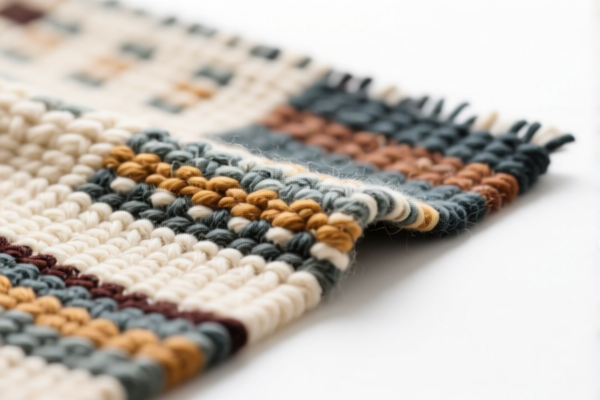
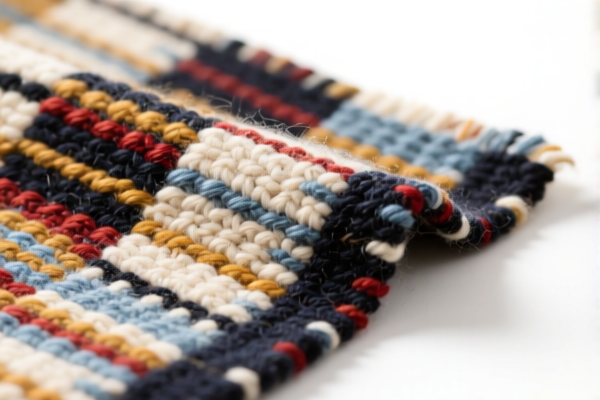
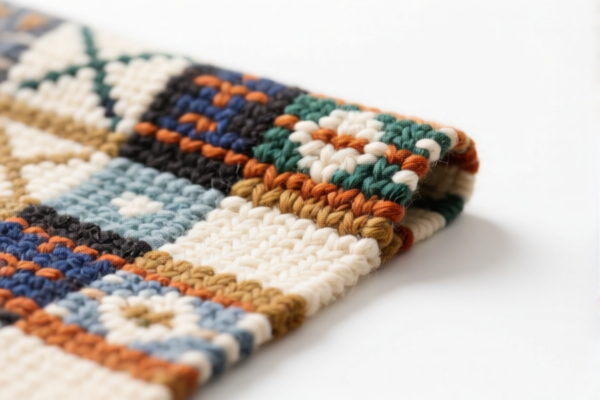
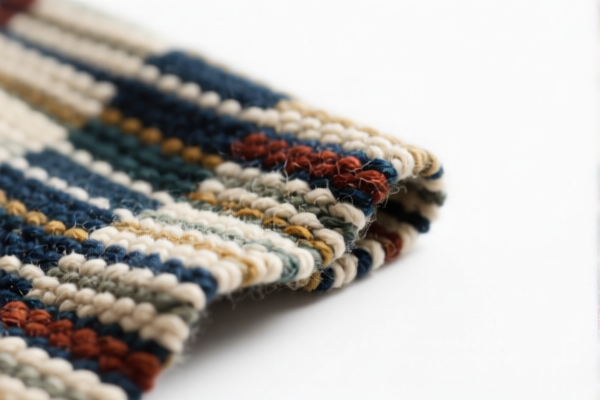
AI Analysis
🧶 Wool Blend Handmade Grade Yarn: HS Code Classification & US Customs Clearance Strategy
🌐 HS Code Reference & Customs Guide | 2026 Latest Tariff Analysis | Professional Clearance Strategy
📌 I. Product Definition & Classification: What is "Wool Blend Handmade Grade Yarn"?
"Wool Blend Yarn" generally refers to yarn composed of wool fibers mixed with other textile fibers (such as synthetic fibers, cotton, or other animal hair). The term "Handmade Grade" in a commercial context often implies high quality, specific捻度 (twist), or softness suitable for knitting, but it does not determine the HS Code. Customs classification is strictly based on:
- Material Composition: Percentage of wool vs. other fibers.
- Processing Method: Combed vs. Worsted (Carded).
- Retail Packaging: Is it sold in small retail balls (retail) or large industrial cones/boxes (industrial/non-retail)?
⚠️ Critical Distinction for US Customs:
- Industrial Grade (Non-Retail): Large spools, cones, or bulk packs intended for factory use. These generally fall under Chapter 51, Heading 5106 (Wool Yarn) or 5108 (Animal Hair Yarn).
- Retail Grade: Small skeins/balls sold directly to consumers. These often fall under different subheadings or may be excluded from specific duty breakdowns depending on the exact material.
- "Blend": If wool is mixed with synthetic fibers (e.g., Acrylic/Polyester), the classification depends on which fiber is predominant by weight.
📦 II. HS Code Classification Details (2026 Latest Tariff Authority)
Based on the provided data, the product is classified as Industrial Grade (non-retail packaging, bulk/commercial use). Here are the possible HS Codes based on specific material nuances:
| HS Code | Product Description | Material/State | Logic for Classification |
|---|---|---|---|
5106.20.00.00 |
Wool Yarn (Worsted, Not Sent to Retail) | Wool Blend (Wool dominant) | Matches "Combed Wool Yarn" characteristics. Used when wool is the primary fiber and it is combed (smooth, strong). |
5106.10.00.90 |
Other Wool Yarn (Not Sent to Retail) | Wool Blend (Wool dominant) | Catch-all for Industrial. Used if it doesn't fit "Worsted" (e.g., Carded/Worsted mix) or if specific sub-headings for blends are exhausted. |
5108.10.80.00 |
Animal Hair Yarn (Not Sent to Retail) | Wool/Finer Animal Hair Blend | If the "blend" includes fine animal hair (e.g., Cashmere, Mohair, Alpaca) and is non-retail. |
5108.20.80.00 |
Other Animal Hair Yarn (Not Sent to Retail) | Finer Animal Hair (Predominant) | If the yarn is predominantly fine animal hair (not sheep wool) and is industrial grade. |
5112.90.90.10 |
Wool Blend Fabric (Industrial) | Wool Fabric | ⚠️ MISMATCH ALERT: This code is for Fabric (Woven Knitted), not Yarn. If you ship yarn, this code is incorrect. Only use if you are shipping finished/bulk wool fabric. |
🔍 Key Clarification:
- The user input is "Yarn". Codes5106and5108are for Yarn.
- Code5112is for Fabric. If you are importing Yarn, do not use5112.90.90.10.
- "Handmade Grade" is a marketing term. Customs sees "Industrial/Non-Retail Packaging".
💰 III. 2026 Latest Tariff Rate Details (Including Surtaxes & Policy Add-ons)
✅ Applicable Country: United States (US)
✅ Country of Origin: China (CN)
✅ Effective Date: From November 10, 2025 (for subsequent imports)
🎯 1. 5106.20.00.00 & 5106.10.00.90 —— Wool Yarn (Industrial Grade)
| Item | Details |
|---|---|
| Base Tariff (MFN) | 6.0% (Ad Valorem) |
| Section 301 Surtax | +25.0% (USITC Footnote) |
| IEEPA Surtax (122 Clause) | +10.0% (Against China/HK products) |
| Total Effective Rate | 41.0% |
| Calculation | CIF Value × 41% |
| De Minimis Exemption | ❌ Not Eligible (Denied for Section 301 & IEEPA goods) |
| Legal Basis Path | IEEPA:9903.01.25 → USITC:5106 → FOOTNOTE:301 |
📌 Explanation:
- Wool textiles from China face high punitive tariffs.
- The 6% is the standard Most Favored Nation (MFN) rate.
- The 25% is the standard Section 301 tariff on Chinese textiles.
- The 10% is the additional IEEPA tariff (often referred to as "122 Clause" in some contexts, referring to specific executive orders on strategic goods).
- Total: 41%. This is a significant cost factor.
🎯 2. 5108.10.80.00 & 5108.20.80.00 —— Animal Hair Yarn (Industrial Grade)
| Item | Details |
|---|---|
| Base Tariff (MFN) | 4.0% (Ad Valorem) |
| Section 301 Surtax | +25.0% (USITC Footnote) |
| IEEPA Surtax (122 Clause) | +10.0% (Against China/HK products) |
| Total Effective Rate | 39.0% |
| Calculation | CIF Value × 39% |
| De Minimis Exemption | ❌ Not Eligible |
| Legal Basis Path | IEEPA:9903.01.25 → USITC:5108 → FOOTNOTE:301 |
📌 Explanation:
- If the yarn contains fine animal hair (Cashmere/Mohair), the base tariff is slightly lower (4% vs 6%).
- However, the surtaxes (25% + 10%) remain the same.
- Total: 39%. This is 2% cheaper than standard wool yarn but still very high.
⛔ 3. 5112.90.90.10 —— WARNING: Incorrect for Yarn
| Item | Details |
|---|---|
| Base Tariff | 25.0% |
| Section 301 Surtax | +25.0% |
| IEEPA Surtax | +10.0% |
| Total Effective Rate | 60.0% |
| Status | ❌ Do Not Use for Yarn |
📌 Why it's wrong:
- This code is for Woven/Wool Fabric, not Yarn.
- If you misclassify Yarn as Fabric, you risk seizure, fines, and back-duties.
- Even if you were shipping fabric, the rate is 60%, which is even higher than yarn.
🛠️ IV. Customs Clearance Operational Advice (Practical Pitfall Guide)
✅ 1. Essential Documentation Checklist
| Document | Required? | Notes |
|---|---|---|
| ✅ Commercial Invoice | ✔️ | Must clearly state "Wool Blend Yarn, Industrial Grade, Non-Retail Packaging". |
| ✅ Packing List | ✔️ | Show gross/net weight. Specify packaging type (e.g., "Kraft paper rolls, no retail labeling"). |
| ✅ Product Specification | ✔️ | Detail fiber composition (e.g., "70% Wool, 30% Acrylic"). |
| ✅ Photos | ✔️ | Show the large industrial cones/spools, proving it is NOT sold in small retail balls. |
| ✅ Bill of Lading/Air Waybill | ✔️ | Standard shipping documents. |
✅ 2. Classification Strategy (Key Takeaway)
| Scenario | Correct HS Code | Total Tax | Why? |
|---|---|---|---|
| Wool Blend, Combed, Industrial | 5106.20.00.00 |
41% | Best fit for standard wool-blend industrial yarn. |
| Wool Blend, Non-Worsted, Industrial | 5106.10.00.90 |
41% | Catch-all if not specifically "Worsted". |
| Cashmere/Mohair Blend, Industrial | 5108.10.80.00 |
39% | Use if fine animal hair is significant. |
| Small Retail Balls (Handmade Kit) | Varies | Varies | May be classified differently, but still subject to surtaxes. |
🔥 Pro Tip:
"Handmade Grade" is NOT a customs term. Use "Industrial Grade" or "Non-Retail Packaging" in your commercial invoice to align with HS Codes5106/5108. If you declare it as "Retail," you may be forced into different subheadings, potentially increasing complexity or duty if misclassified.
✅ 3. Special Considerations
| Issue | Advice |
|---|---|
| Misclassification Risk | Do NOT use 5112 (Fabric) for Yarn. This is a common error. |
| De Minimis (Section 321) | Do NOT rely on $800 De Minimis exemption. Section 301 and IEEPA tariffs invalidate the de minimis exemption for Chinese goods. All goods are subject to duty. |
| Valuation | Ensure CIF value is accurate. Customs will scrutinize wool textiles for undervaluation. |
| Country of Origin | If the yarn is spun in Vietnam or India but the wool is from China, origin rules may change. However, for China-origin goods, the 41% tax applies. |
🌍 V. Global Market Comparison (2026)
| Country | HS Code | Duty Rate (China Origin) | Notes |
|---|---|---|---|
| 🇺🇸 USA | 5106.20.00.00 |
41% (6% + 25% + 10%) | High punitive tariffs. |
| 🇨🇳 China | 5106.20.00.00 |
~10-15% (Import Tariff) | Lower than US. |
| 🇪🇺 EU | 5106.20 |
~10-12% | No Section 301 equivalent. |
| 🇬🇧 UK | 5106.20 |
~10-12% | Post-Brexit tariffs. |
📌 Conclusion:
- The US market is the most expensive for Chinese wool yarn due to the 41% total duty.
- Consider supply chain diversification (e.g., sourcing yarn from non-China countries) if targeting the US market to avoid these surtaxes.
📌 VI. Common Mistakes & Pitfalls (Lessons Learned)
❌ Mistake 1: Using HS Code 5112 for Yarn.
👉 Result: Customs rejection, potential seizure, and fines. 5112 is for fabric.
❌ Mistake 2: Claiming "Handmade" to qualify for lower retail duties.
👉 Result: If the packaging is industrial (large cones), Customs will reject the "retail" claim and apply the industrial rate (41%).
❌ Mistake 3: Assuming $800 De Minimis applies.
👉 Result: Denied. Section 301 and IEEPA tariffs block the de minimis exemption for Chinese wool textiles.
❌ Mistake 4: Ignoring the "Blend" composition.
👉 Result: If wool is <85%, it might fall under different subheadings. Ensure your invoice specifies the exact percentage (e.g., "70% Wool, 30% Acrylic").
✅ Correct Practice:
Declare: "Wool Blend Yarn, Industrial Grade, Non-Retail, 70% Wool/30% Acrylic, Combed, HS Code 5106.20.00.00"
🎯 VII. Conclusion: Professional Clearance for Cost Efficiency
🎯 Key Takeaway:
🔹 "Handmade" is marketing; "Industrial" is customs reality.
🔹 HS Code5106.20.00.00is likely the best fit for standard wool blend industrial yarn.
🔹 Total Duty is 41% for China-origin goods. Plan your pricing accordingly.
🔹 Avoid5112unless you are shipping fabric.
📌 Tip:
If you are importing large volumes, consider pre-clearance rulings from US CBP to confirm the HS Code and duty rate. This avoids unexpected costs at the port.
📣 Immediate Action:
📞 Consult with a licensed US Customs Broker.
📄 Prepare detailed invoices specifying fiber content and packaging type.
🚀 Accurate classification saves thousands in duties!
✨ Professional Clearance, Precise Classification!
💼 Every percent of duty counts in the textile trade!
Customer Reviews
About HS Code Classification
The Harmonized System (HS) is an internationally standardized nomenclature developed by the World Customs Organization (WCO) to classify traded products. Over 200 countries use the HS system as the basis for customs tariffs, trade statistics, and import/export regulations.
Each HS code follows a hierarchical structure:
- Chapter (2 digits) — Broad category of goods (e.g., Chapter 84: Machinery and Mechanical Appliances)
- Heading (4 digits) — More specific grouping within the chapter
- Subheading (6 digits) — Internationally standardized breakdown, used by all WCO member countries
- National subdivisions (8-10 digits) — Country-specific extensions for further classification, such as US HTSUS 10-digit codes
Correct HS code classification is essential for smooth customs clearance, accurate duty payment, and compliance with trade regulations. Misclassification can lead to customs delays, overpayment of duties, or penalties.
When importing from CN to US, the applicable tariff rates may include:
- Most-Favored-Nation (MFN) rate — The standard duty rate applied to WTO members
- General rate — Applied to countries without trade agreements
- Trade remedy duties — Additional tariffs such as Section 301 (anti-dumping), Section 232 (national security), or countervailing duties
The information provided on this page is for reference purposes only. For official classification, please consult with your local customs authority or a licensed customs broker.